We Are the Weather
Saving the Planet Begins at Breakfast
Panoramica di We Are the Weather
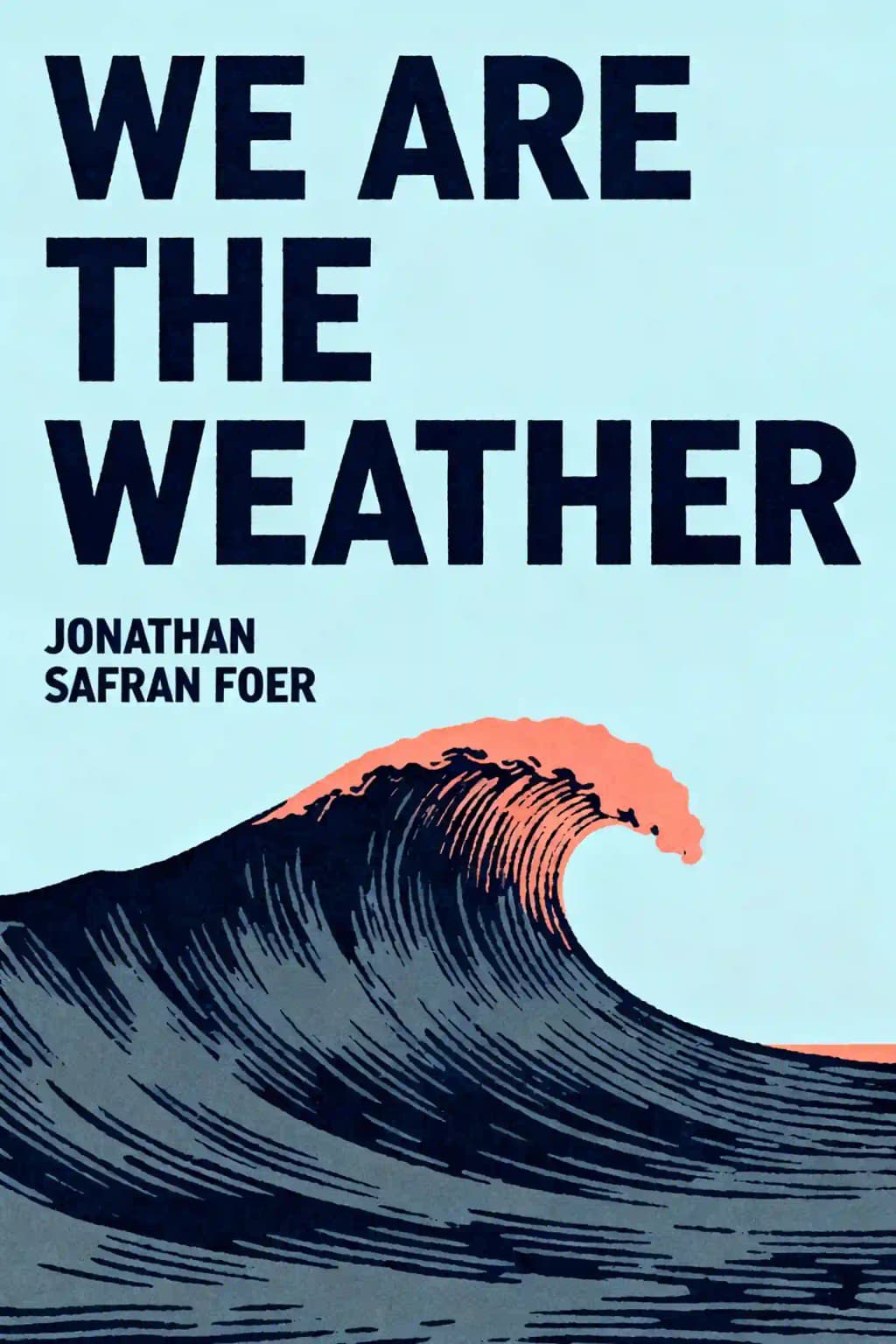
In "We Are the Weather," Jonathan Safran Foer argues our daily food choices can save our planet. Environmental leader Bill McKibben calls it "remarkable," while community groups nationwide use it to spark action. Can skipping breakfast meat really combat climate collapse?

Temi chiave in We Are the Weather
- animal agriculture impact
- climate change psychology
- collective action
- cognitive dissonance
- environmental ethics
Citazioni da We Are the Weather
This book explains how we can save our planet without losing our humanity.
Knowing something intellectually doesn't mean we truly believe it enough to act.
Climate change isn't a puzzle we can return to when convenient; it's a house on fire.
We cannot save the planet without significantly reducing consumption of animal products.
Action often begets motivation rather than the reverse.
Personaggi di We Are the Weather
- Jonathan Safran FoerAuthor who weaves personal history with science
- Jan KarskiWWII witness who reported on the Holocaust
- Felix FrankfurterSupreme Court Justice who struggled with belief
- Thomas Boyle Jr.Man who displayed 'hysterical strength' in a crisis
- Kyle HoltrustTeenager saved by a witness's extraordinary act
Sull'autore
Sull'autore di We Are the Weather
Jonathan Safran Foer, bestselling author of We Are the Weather: Saving the Planet Begins at Breakfast, is celebrated for his inventive storytelling and urgent explorations of ethics and environmentalism. A National Jewish Book Award winner and Guardian First Book Prize recipient, Foer’s work blends personal narrative with global issues, as seen in his climate-focused non-fiction.
His 2009 exposé Eating Animals revolutionized conversations about industrial farming, establishing him as a leading voice in sustainable living.
Foer’s acclaimed novels—including Everything Is Illuminated and Extremely Loud & Incredibly Close (both adapted into major films)—showcase his signature fusion of experimental prose and emotional depth. A New Yorker “20 Under 40” honoree and NYU creative writing professor, he bridges literary artistry with activism.
We Are the Weather extends his examination of individual responsibility through the lens of dietary choices, reflecting his career-long focus on how small actions shape collective futures. Translated into over 40 languages, Foer’s works have sold millions worldwide, cementing his status as a defining ethical voice of his generation.
Scarica il riassunto di We Are the Weather
Ottieni il riassunto di We Are the Weather in formato PDF o EPUB gratuito. Stampalo o leggilo offline quando vuoi.
FAQ su questo libro
We Are the Weather by Jonathan Safran Foer argues that individual dietary choices—specifically reducing meat and dairy consumption—are critical to combating climate change. Foer blends scientific data, personal anecdotes, and historical parallels to contend that collective action, starting with plant-based breakfasts, can mitigate environmental collapse. The book challenges readers to reconcile their climate awareness with daily habits.
This book is ideal for environmentally conscious readers seeking actionable steps to address climate change, as well as those interested in the ethics of food consumption. It appeals to fans of Foer’s earlier works (Everything Is Illuminated, Eating Animals) and individuals open to reevaluating personal responsibility in global crises.
Yes, particularly for its urgent, thought-provoking call to align daily habits with climate goals. Foer’s mix of memoir, philosophy, and environmental science offers a fresh perspective on individual accountability. However, critics note its narrow focus on diet over systemic fossil fuel issues.
Foer identifies industrial animal agriculture as a leading cause of greenhouse gas emissions, deforestation, and resource depletion. He argues that shifting to plant-based diets—especially at breakfast—could significantly reduce environmental harm. This dietary change, he claims, is a practical step individuals can take immediately.
Key points include:
- Climate inaction stems from psychological denial, not ignorance.
- Animal farming contributes more to emissions than transportation.
- Collective behavioral shifts (e.g., plant-based meals) are achievable and impactful.
- Historical precedents (e.g., WWII mobilization) prove societies can unite for existential threats.
Foer distinguishes between outright denial and “aspirational nihilism”—acknowledging climate science while avoiding action. He uses Holocaust survivor stories and climate data to underscore the moral imperative for urgent, unified response, framing inaction as a betrayal of future generations.
Foer advocates for a global shift to plant-based diets before dinner, emphasizing breakfast as a starting point. He stresses that individual choices, when multiplied, can drive systemic change. The book also calls for reframing climate action as a sacred duty rather than a convenience.
Unlike his fiction (Everything Is Illuminated), this non-fiction work prioritizes environmental advocacy over narrative experimentation. It builds on Eating Animals’ themes but adopts a more urgent tone, blending memoir with climate science to target broader audiences.
Critics argue Foer overemphasizes dietary changes while underaddressing fossil fuels’ role in climate change. Some find his reliance on personal responsibility unrealistic without policy reforms. Others praise his accessible approach but question the scalability of his solutions.
- “Saving the planet begins at breakfast.”
- “We cannot save the planet unless we significantly reduce our consumption of animal products.”
These lines encapsulate Foer’s thesis that individual meal choices are pivotal to environmental stewardship.
Foer interweaves family stories, like his grandmother’s Holocaust survival, to parallel climate inaction with historical moral failures. These anecdotes humanize abstract climate data, making the crisis feel immediate and actionable.
Breakfast represents a manageable first step toward dietary shifts, bypassing the overwhelm of total lifestyle change. Foer argues that starting the day with plant-based meals normalizes sustainable habits, creating ripple effects for broader societal transformation.