

Panoramica di Sum of Us
In "The Sum of Us," Heather McGhee reveals how racism costs everyone - not just minorities. This New York Times bestseller introduces the powerful "Solidarity Dividend" concept that's reshaping policy discussions nationwide. What if America's greatest untapped resource is simply our ability to come together?
- Heather McGhee reveals racism’s hidden costs drain economic prosperity for all Americans
- "Solidarity Dividend" shows cross-racial cooperation creates better schools and healthcare systems
- Zero-sum thinking about race keeps communities from shared public pool investments
- Racism’s greatest trick: convincing white people they benefit from inequality structures
- Segregated past created suburb success myths that still harm modern infrastructure funding
- Multiracial coalitions can unlock $8 trillion in economic growth through equity reforms
- Racism transformed public goods from shared swimming pools to neglected crisis zones
- Fear-based housing policies created artificial scarcity that still depresses middle-class wealth
- Healthcare disparities cost US economy $451 billion annually through premature deaths
- Environmental racism’s toxic legacy proves pollution inequality hurts entire regional economies
- Union decline accelerated when corporations weaponized racial divisions against worker solidarity
- Rebuilding the "we" society requires truth-telling about segregation’s ongoing economic toll
Sull'autore di Sum of Us
Heather McGhee, bestselling author of The Sum of Us: What Racism Costs Everyone and How We Can Prosper Together, is a leading expert on economic inequality and racial justice. A graduate of Yale University and UC Berkeley School of Law, she formerly served as president of Demos, a think tank advancing economic equity. During her time there, she shaped policies on wage fairness and debt-free college.
Her groundbreaking book—a New York Times nonfiction bestseller for 10 weeks—exposes how systemic racism harms all Americans, blending rigorous research with historical analysis.
McGhee frequently contributes to NBC News and Meet the Press, and her viral TED Talk, “Racism Has a Cost for Everyone,” surpassed 1 million views. The Obamas’ Higher Ground adapted The Sum of Us into a Spotify podcast, while Random House will release a young readers’ edition. Recognized by the National Book Award longlist and Carnegie Medal, the book was hailed as “required reading” by the Chicago Tribune. Over 1.5 million copies have sold worldwide, with translations in 15 languages.
FAQ su Sum of Us
What is The Sum of Us by Heather McGhee about?
The Sum of Us examines how systemic racism harms all Americans economically and socially, arguing that racist policies—from segregation to voter suppression—deprive society of shared prosperity. McGhee introduces the “Solidarity Dividend,” showing how cross-racial collaboration leads to better public goods (e.g., healthcare, education) for everyone.
Who should read The Sum of Us?
This book is essential for social justice advocates, policymakers, educators, and readers interested in intersectional economic policy. Its young readers’ edition (2023) makes it accessible for students, while its analysis of racial equity appeals to book clubs and professionals addressing systemic inequality.
Is The Sum of Us worth reading?
Yes. A New York Times bestseller and longlisted for the National Book Award, it’s praised for reshaping conversations about race. The paperback, podcast adaptation by Barack and Michelle Obama’s Higher Ground, and educational use in schools underscore its enduring relevance.
What is the “zero-sum racial hierarchy” in The Sum of Us?
McGhee critiques the myth that progress for people of color comes at whites’ expense. She dismantles this false narrative using historical examples, like post-Civil Rights era tax cuts that worsened public services for all races.
What does “drained pool politics” refer to?
This metaphor describes communities destroying public resources (like draining pools during desegregation) rather than sharing them. McGhee highlights how racism led to underfunded infrastructure, healthcare, and environmental policies that harm everyone.
What is the “Solidarity Dividend”?
The “Solidarity Dividend” refers to gains achieved through multiracial coalitions, such as higher minimum wages and universal healthcare. McGhee argues collective action across races unlocks economic and social progress blocked by racist policies.
How does The Sum of Us use historical examples to explain systemic racism?
McGhee analyzes redlining, the GI Bill’s exclusion of Black veterans, and voter suppression laws to show how systemic racism creates lasting economic gaps. These examples illustrate how discriminatory policies hinder national progress.
What are the main criticisms of The Sum of Us?
Some critics argue McGhee’s solutions require broad societal buy-in that may be idealistic. However, readers praise her actionable frameworks, like reinvesting in public goods and fostering cross-racial empathy, as pragmatic steps forward.
How is the young readers’ edition of The Sum of Us different?
Adapted for ages 12+, it simplifies concepts like housing discrimination and includes discussion guides for classrooms. Educators report students engage deeply with its real-world connections to history and current events.
What does Heather McGhee mean by “racism is a drug”?
This metaphor critiques how racial hierarchy addicts society to false narratives of superiority. McGhee argues overcoming this “addiction” through solidarity is key to solving issues like climate change and income inequality.
How does The Sum of Us compare to other books on racism?
Unlike purely historical or theoretical works, McGhee blends policy analysis, personal stories, and economic data to show racism’s collective cost. It’s frequently compared to Caste and The Color of Law for its interdisciplinary approach.
What notable quotes are in The Sum of Us?
Key quotes include:
- “Racism is a drug”: Highlights society’s dependency on racial hierarchy
- “The quickest way to get there is to refill the pool of public goods”: Advocates reinvesting in shared resources
- “We truly do need each other”: Emphasizes interdependence for progress
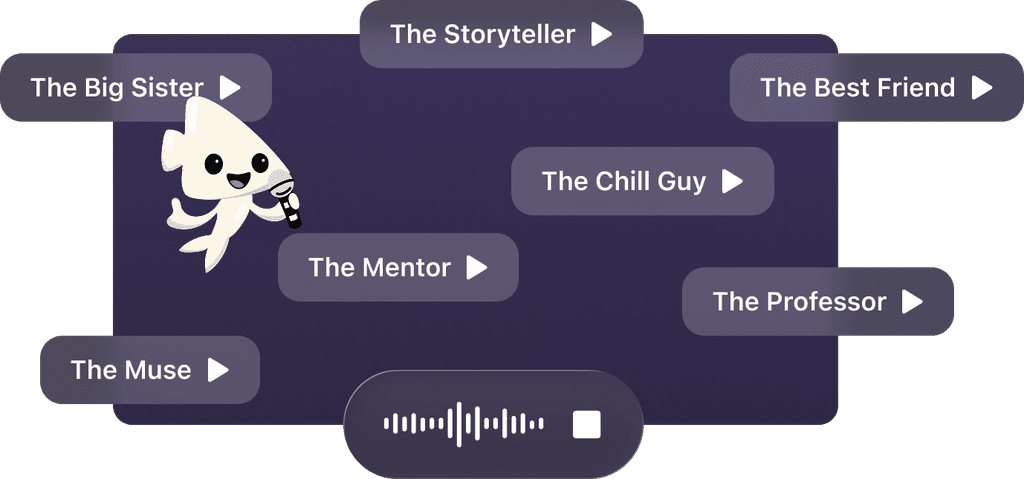
Senti il libro attraverso la voce dell'autore
Trasforma la conoscenza in spunti coinvolgenti e ricchi di esempi
Cattura le idee chiave in un lampo per un apprendimento veloce
Goditi il libro in modo divertente e coinvolgente
Personaggi di Sum of Us
- Heather McGheeAuthor and researcher of the zero-sum paradigm
- Hinton Rowan Helper1857 author who documented regional disparities
Temi chiave in Sum of Us
- zero-sum paradigm
- drained pool politics
- racial hierarchy economics
- public goods erosion
- solidarity dividend
Citazioni da Sum of Us
Racism hurts everyone, including white Americans.
Racism deprives all Americans of public goods.
The book that could change America.
The narrative that white people should see the well-being of people of color as a threat remains one of America's most powerful subterranean stories.
America's social contract had an asterisk-for most of our history, public investments were whites-only.
Esplora il Tuo Modo di Imparare
 Modalità Riassunto Rapido
Leggi o ascolta il riassunto di Sum of Us in 11 minuti
Scomponi le idee chiave di Sum of Us in punti facili da capire per comprendere come i team innovativi creano, collaborano e crescono.

 Modalità Divertente
Lezioni da Sum of Us Raccontate in Storie di 20 Min
Vivi Sum of Us attraverso narrazioni vivide che trasformano le lezioni di innovazione in momenti che ricorderai e applicherai.
 Modalità Personalizza
Vivi Sum of Us nel tuo stile di apprendimento
Chiedi qualsiasi cosa, scegli il tuo stile di apprendimento e co-crea intuizioni che risuonano davvero con te.
Creato da alumni della Columbia University a San Francisco
"Instead of endless scrolling, I just hit play on BeFreed. It saves me so much time."


"I never knew where to start with nonfiction—BeFreed’s book lists turned into podcasts gave me a clear path."


"Perfect balance between learning and entertainment. Finished ‘Thinking, Fast and Slow’ on my commute this week."
"Crazy how much I learned while walking the dog. BeFreed = small habits → big gains."
"Reading used to feel like a chore. Now it’s just part of my lifestyle."

"Feels effortless compared to reading. I’ve finished 6 books this month already."
"BeFreed turned my guilty doomscrolling into something that feels productive and inspiring."

"BeFreed turned my commute into learning time. 20-min podcasts are perfect for finishing books I never had time for."
"BeFreed replaced my podcast queue. Imagine Spotify for books — that’s it. 🙌"

"It is great for me to learn something from the book without reading it."
"The themed book list podcasts help me connect ideas across authors—like a guided audio journey."
"Makes me feel smarter every time before going to work"
Creato da alumni della Columbia University a San Francisco
"Instead of endless scrolling, I just hit play on BeFreed. It saves me so much time."
"I never knew where to start with nonfiction—BeFreed’s book lists turned into podcasts gave me a clear path."
"Perfect balance between learning and entertainment. Finished ‘Thinking, Fast and Slow’ on my commute this week."
"Crazy how much I learned while walking the dog. BeFreed = small habits → big gains."
"Reading used to feel like a chore. Now it’s just part of my lifestyle."
"Feels effortless compared to reading. I’ve finished 6 books this month already."
"BeFreed turned my guilty doomscrolling into something that feels productive and inspiring."
"BeFreed turned my commute into learning time. 20-min podcasts are perfect for finishing books I never had time for."
"BeFreed replaced my podcast queue. Imagine Spotify for books — that’s it. 🙌"
"It is great for me to learn something from the book without reading it."
"The themed book list podcasts help me connect ideas across authors—like a guided audio journey."
"Makes me feel smarter every time before going to work"
"Instead of endless scrolling, I just hit play on BeFreed. It saves me so much time."
"I never knew where to start with nonfiction—BeFreed’s book lists turned into podcasts gave me a clear path."
"Perfect balance between learning and entertainment. Finished ‘Thinking, Fast and Slow’ on my commute this week."
"Crazy how much I learned while walking the dog. BeFreed = small habits → big gains."
"Reading used to feel like a chore. Now it’s just part of my lifestyle."
"Feels effortless compared to reading. I’ve finished 6 books this month already."
"BeFreed turned my guilty doomscrolling into something that feels productive and inspiring."
"BeFreed turned my commute into learning time. 20-min podcasts are perfect for finishing books I never had time for."
"BeFreed replaced my podcast queue. Imagine Spotify for books — that’s it. 🙌"
"It is great for me to learn something from the book without reading it."
"The themed book list podcasts help me connect ideas across authors—like a guided audio journey."
"Makes me feel smarter every time before going to work"
"Instead of endless scrolling, I just hit play on BeFreed. It saves me so much time."
"I never knew where to start with nonfiction—BeFreed’s book lists turned into podcasts gave me a clear path."
"Perfect balance between learning and entertainment. Finished ‘Thinking, Fast and Slow’ on my commute this week."
"Crazy how much I learned while walking the dog. BeFreed = small habits → big gains."
"Reading used to feel like a chore. Now it’s just part of my lifestyle."
"Feels effortless compared to reading. I’ve finished 6 books this month already."
"BeFreed turned my guilty doomscrolling into something that feels productive and inspiring."
"BeFreed turned my commute into learning time. 20-min podcasts are perfect for finishing books I never had time for."
"BeFreed replaced my podcast queue. Imagine Spotify for books — that’s it. 🙌"
"It is great for me to learn something from the book without reading it."
"The themed book list podcasts help me connect ideas across authors—like a guided audio journey."
"Makes me feel smarter every time before going to work"

Scarica il riassunto di Sum of Us
Ottieni il riassunto di Sum of Us in formato PDF o EPUB gratuito. Stampalo o leggilo offline quando vuoi.


