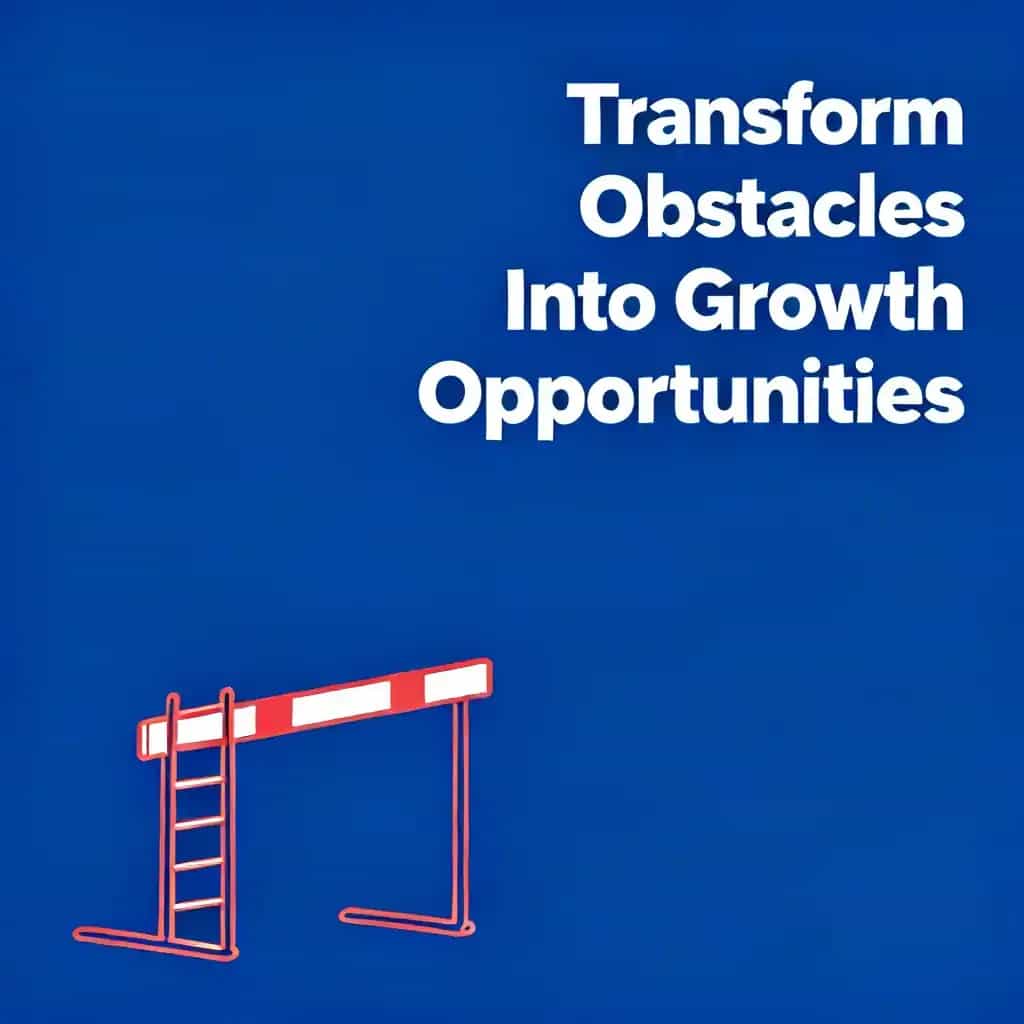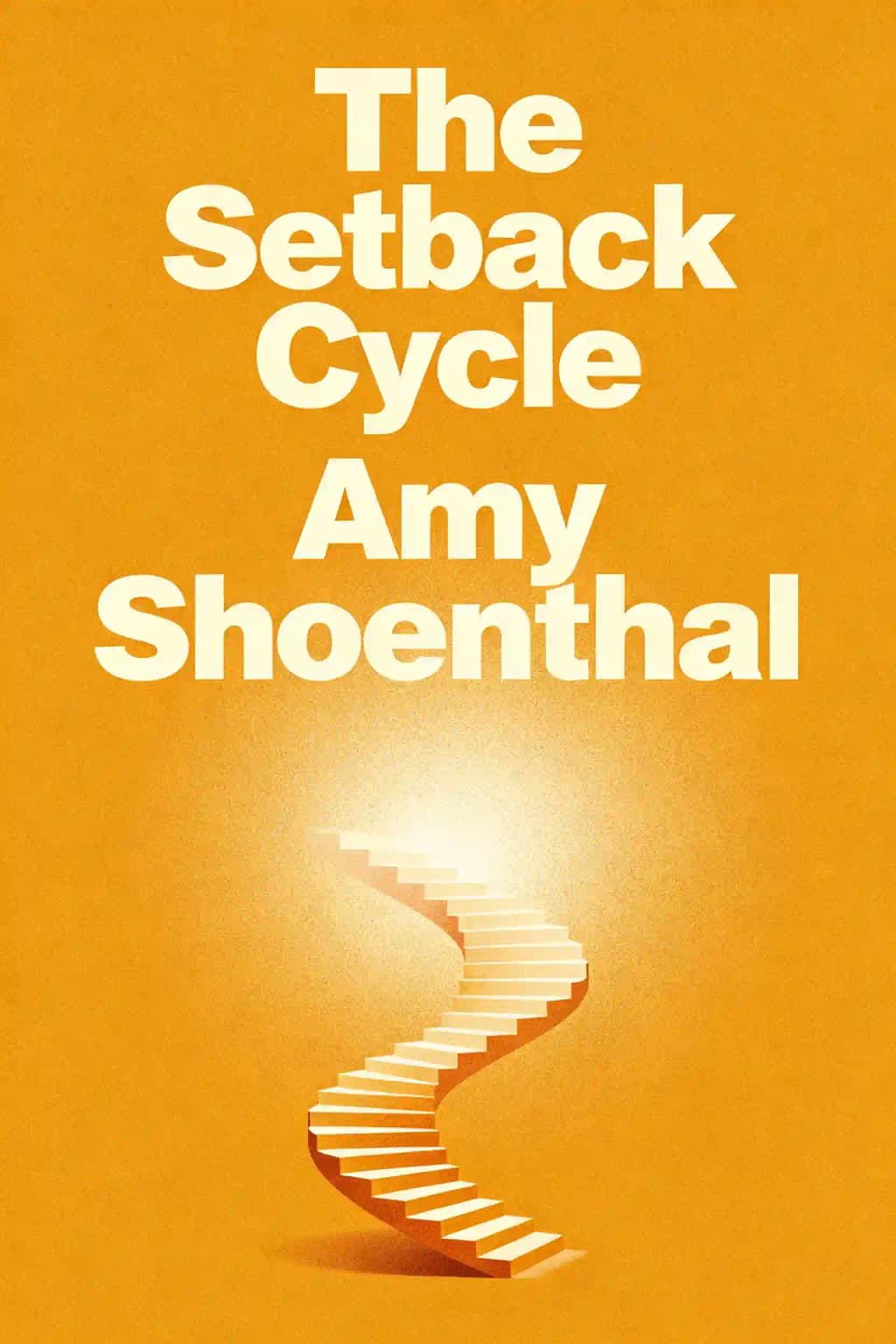
In "The Setback Cycle," USA Today bestselling author Amy Shoenthal reveals how rock bottom becomes your launchpad. What if failure isn't your enemy? Endorsed by thought leaders, this four-phase framework transforms professional disasters into your greatest competitive advantage.
Senti il libro attraverso la voce dell'autore
Trasforma la conoscenza in spunti coinvolgenti e ricchi di esempi
Cattura le idee chiave in un lampo per un apprendimento veloce
Goditi il libro in modo divertente e coinvolgente
Reshma Saujani stood on stage in 2010, watching the election results flash across screens. Her opponent had captured 81% of the vote. The humiliation was crushing, public, absolute. Yet within that devastation, something unexpected was gestating. That spectacular failure would eventually birth Girls Who Code, an organization that has since educated half a million girls and fundamentally shifted the landscape of women in STEM. Here's what most people miss about failure: it's not just an emotional experience - it's a neurological one. When we face setbacks, our brains literally reprogram themselves. The basal ganglia, our decision-making headquarters, receives new data that fundamentally alters how we navigate future choices. Neuroscientist Chantel Prat discovered that the dopamine dips we experience during failures actually enhance brain flexibility. Think of it like a slingshot pulled back before launching forward - that tension creates the force for transformation. People who've weathered more setbacks don't just have thicker skin; they have more adaptable brains. They recognize dead ends faster and course-correct with greater precision because their neural pathways have been forged through adversity. Not every difficult experience deserves the label "setback," and this distinction matters. A setback happens specifically when you're moving toward something meaningful and get knocked back to square one. It's different from trauma, though both can catalyze growth. Some experiences are simply terrible - they don't need to be reframed or silver-lined. They just are. Consider the pandemic, a collective setback that revealed fault lines in how society functions. Reshma Saujani, while juggling remote learning and running a company, recognized something stark: mothers were being treated as "the economy's social safety net," expected to absorb every shock without support or acknowledgment. Having cycled through major setbacks before, she knew what to do with this insight. She created the Marshall Plan for Moms (later renamed Moms First), a grassroots movement that pushed for concrete policy changes. Recognizing you're in a setback isn't always obvious. Some hit like a freight train - divorce, illness, job loss. Others creep in quietly: the slow stagnation of staying too long in the wrong relationship or career. Your body knows before your mind does. Notice the clenched jaw, the tensed shoulders, the fists that tighten without conscious thought. These physical signals are your nervous system waving red flags. Naming what's happening makes it manageable. When Adam Grant wrote about "languishing" during the pandemic, the term went viral because it gave people language for that fuzzy space between flourishing and burnout. Having words for our experiences equips us with the information needed to move forward.
Scomponi le idee chiave di The Setback Cycle in punti facili da capire per comprendere come i team innovativi creano, collaborano e crescono.
Distilla The Setback Cycle in rapidi promemoria che evidenziano i principi chiave di franchezza, lavoro di squadra e resilienza creativa.

Vivi The Setback Cycle attraverso narrazioni vivide che trasformano le lezioni di innovazione in momenti che ricorderai e applicherai.
Chiedi qualsiasi cosa, scegli la voce e co-crea spunti che risuonino davvero con te.

Creato da alumni della Columbia University a San Francisco
"Instead of endless scrolling, I just hit play on BeFreed. It saves me so much time."
"I never knew where to start with nonfiction—BeFreed’s book lists turned into podcasts gave me a clear path."
"Perfect balance between learning and entertainment. Finished ‘Thinking, Fast and Slow’ on my commute this week."
"Crazy how much I learned while walking the dog. BeFreed = small habits → big gains."
"Reading used to feel like a chore. Now it’s just part of my lifestyle."
"Feels effortless compared to reading. I’ve finished 6 books this month already."
"BeFreed turned my guilty doomscrolling into something that feels productive and inspiring."
"BeFreed turned my commute into learning time. 20-min podcasts are perfect for finishing books I never had time for."
"BeFreed replaced my podcast queue. Imagine Spotify for books — that’s it. 🙌"
"It is great for me to learn something from the book without reading it."
"The themed book list podcasts help me connect ideas across authors—like a guided audio journey."
"Makes me feel smarter every time before going to work"
Creato da alumni della Columbia University a San Francisco

Ottieni il riassunto di The Setback Cycle in formato PDF o EPUB gratuito. Stampalo o leggilo offline quando vuoi.