Capitolo 1
A Dystopian World Where Memories Are the Enemy
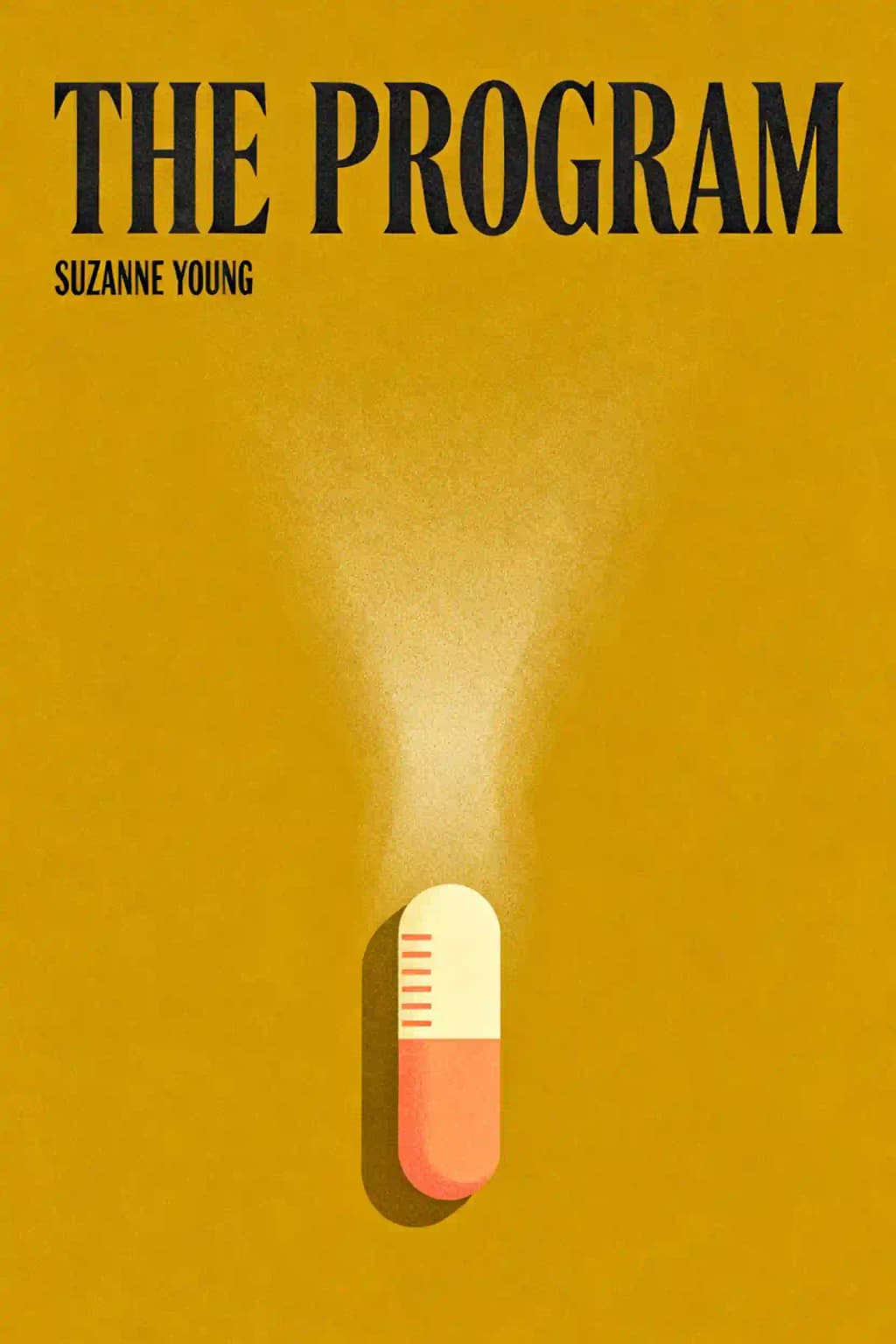
"The Program" has captivated millions of readers with its chilling vision of a world where teenage suicide has become an epidemic, and the cure might be worse than the disease. This New York Times bestseller launched Suzanne Young into the spotlight of YA dystopian fiction, earning comparisons to classics like "The Giver" and "Eternal Sunshine of the Spotless Mind." The novel's exploration of memory manipulation and emotional control struck a chord with readers and critics alike, particularly resonating with celebrities like Emma Roberts who praised its "haunting exploration of mental health and autonomy." What makes this book particularly unsettling is how it transforms something seemingly positive-treatment for mental illness-into a mechanism of control, forcing us to question: what parts of our painful past are worth preserving, and at what cost?
Capitolo 2
A World Where Teen Suicide Is an Epidemic
In Sloane's America, teenage suicide has reached catastrophic levels, with one in three adolescents taking their own lives-a statistic that has transformed society into a surveillance state focused on teen mental health. The government's response is The Program-a radical treatment facility that operates with ruthless efficiency, identifying "infected" teens showing even minimal signs of depression or emotional disturbance. Once flagged, these adolescents are forcibly removed from their homes and schools for immediate treatment. The cure involves an aggressive memory-wiping protocol that completely erases traumatic events, emotional attachments, and personal relationships deemed potentially dangerous, effectively returning teens to society as blank slates-shells of their former selves who can't remember their first loves, childhood friendships, or even their own past struggles.
The novel opens in a stark, antiseptic classroom where students undergo mandatory daily psychological assessments-detailed questionnaires and behavioral monitoring designed to detect the slightest hint of emotional instability. The routine nature of these screenings is shattered when handlers in pristine white coats suddenly storm in to remove Kendra Phillips. The scene unfolds with brutal efficiency-Kendra, a previously vivacious student, fights with desperate intensity, her nails leaving bloody streaks on the floor as she screams protests of her sanity. Her classmates sit frozen in their chairs, their faces carefully blank masks hiding their horror, knowing any display of empathy could mark them as the next target. After Kendra is subdued and dragged away, the teacher methodically sanitizes the scene with bleach, resuming the lesson as if a student hadn't just been forcibly removed-a chilling demonstration of how commonplace such incidents have become.
This world operates on a foundation of perpetual fear and performative wellness. Students must maintain flawless emotional facades, suppressing natural reactions to loss, stress, or grief. Parents are systematically manipulated through mandatory support groups, propaganda campaigns, and carefully curated "success stories" to believe The Program is the only thing standing between their children and death. Government handlers patrol school hallways like white-coated predators, analyzing facial expressions, monitoring social interactions, and logging any behavior that might indicate emotional "infection." The result is a society where authentic human connection has become dangerous contraband, and teens like Sloane and her boyfriend James survive through careful performance-maintaining artificial cheerfulness and stability while counting down the days until their eighteenth birthdays when they'll finally escape The Program's legal jurisdiction.
What makes this dystopian world particularly effective and haunting is its foundation in contemporary concerns about adolescent mental health and suicide prevention. Unlike more fantastical dystopias built on supernatural or technological premises, The Program feels uncomfortably plausible-a well-intentioned intervention that has metastasized into something monstrous through bureaucracy and control. The nature of the suicide epidemic itself remains deliberately ambiguous-raising questions about whether it's truly a contagious condition spreading among teens, or if society's draconian response to normal teenage emotions has created a self-fulfilling prophecy of despair. This calculated ambiguity strengthens the world-building, leaving readers to grapple with uncomfortable parallels to our own society's handling of mental health crises.
Capitolo 3
Love in the Time of Emotional Prohibition
At its heart, "The Program" is a love story set against impossible odds. Sloane and James share a deep, protective bond forged through shared tragedy-both witnessed the suicide of Sloane's brother Brady. Their relationship exists in stolen moments: secret meetings under bleachers, whispered conversations away from handlers' ears, and camping trips that offer brief escapes from constant surveillance.
Their love is both their strength and their vulnerability. When James comforts Sloane after her friend Kendra is taken, he reminds her not to show emotion at school. When she burns herself on the stove to redirect emotional pain, he angrily threatens to "kick her ass" while simultaneously climbing into bed to hold her. Their relationship is defined by this constant tension-needing to appear emotionless in public while desperately clinging to authentic connection in private.
What makes their romance particularly poignant is how they protect each other. James carries the names of suicide victims tattooed on his arm, bearing the weight of remembrance. He confesses to Sloane that his only reason for getting up each day is that he can't leave her alone. When their friend Miller is taken by The Program, James carves Miller's name into his arm with a pocketknife, telling Sloane he "couldn't wait for ink"-a desperate act to preserve memory that ultimately marks him as "infected."
The novel asks profound questions about love's survival when memories are erased. Can emotional connections transcend memory? When James returns from The Program with no recollection of Sloane, the devastation is complete. His eyes pass over her without recognition, though physically he appears the same person. This heartbreaking scenario forces readers to consider what constitutes identity and connection-if memories are erased, does love remain in some form? Or is it truly gone forever?
Capitolo 4
The Fragility of Memory and Identity
"The Program" presents memory as the fundamental cornerstone of human identity, exploring how our experiences shape not just what we remember, but who we fundamentally are. When teenagers return from the treatment facility, they emerge as entirely different people - their transformation extending far beyond simple memory loss into a complete reconstruction of personality. Lacey, once characterized by her fierce independence and rebellious spirit, returns as an unsettling caricature of compliance and artificial cheerfulness. James, whose physical appearance once reflected his identity through carefully chosen tattoos and a distinctive style, comes back stripped of these external markers of selfhood - head shaved, tattoos removed, and personality reconstructed into something unrecognizably docile.
These "returners" exist in a carefully controlled environment, segregated into separate educational facilities and maintained on a strict regimen of daily medication. Their new state represents a chilling victory of institutional control over individual identity. The administration presents these changes as healing, but the reality suggests a more sinister form of social engineering - the creation of perfectly compliant citizens through psychological reconstruction.
The novel delves deep into the devastating consequences of memory erasure through Sloane's personal journey after her admission to The Program. She awakens to find herself in a sterile, sanitized version of her life where every trace of her authentic past has been methodically eliminated. This erasure extends beyond her mental landscape to her physical environment - her bedroom has been stripped of personal artifacts, with new generic clothes replacing her carefully curated wardrobe, and all photographs and mementos removed. Even her family participates in this reconstruction of reality, with her parents maintaining the fiction that her brother died in a rafting accident rather than acknowledging his suicide - a lie that serves the broader societal narrative of control and denial.
The manipulation of memory operates on multiple levels throughout the society. Parents attend mandatory support groups that function as indoctrination sessions, where they're trained to view normal teenage emotions as dangerous symptoms requiring intervention. The media landscape is carefully controlled, with journalists systematically blocked from investigating treatment facilities or publishing critical coverage. This creates a closed system of information control where the very nature of reality becomes subject to institutional authority.
Through Sloane's experience, the novel poses fundamental questions about the nature of identity and consciousness. If our personalities are built from the accumulation of our experiences, what core essence remains when those experiences are systematically erased? The persistence of Sloane's connection to James, even after her memories are wiped clean, suggests the existence of something more fundamental than conscious memory - perhaps an essential self that exists beyond the reach of even the most invasive psychological manipulation. This residual connection challenges the Program's premise that identity can be completely reconstructed through memory manipulation.
Capitolo 5
The Paradox of Pain and Healing
One of the novel's most compelling themes is its profound exploration of grief and healing. The Program presents a radical solution to emotional suffering: complete erasure of painful memories. But the narrative repeatedly questions whether this constitutes genuine healing or merely the illusion of wellness - a facade of happiness covering unresolved trauma.
After Brady's suicide, Sloane and James navigate the raw landscape of loss together. Their shared grief becomes a foundation for deeper connection, manifesting in quiet moments of understanding and fierce protection of their remaining memories. They honor their lost friends through multiple acts of remembrance - James's intricate tattoos that tell stories of those they've lost, their late-night conversations about Brady's laugh and Miller's terrible jokes, their determination to survive not just for themselves but as living testimonies to those who are gone. Their pain is devastating, but it intertwines with love, friendship, and meaning. The Program's "cure" removes both sides of this emotional coin, replacing authentic emotional processing with manufactured contentment that feels unnaturally smooth.
The novel presents numerous poignant moments where characters deliberately choose pain over numbness. When Sloane burns herself on the stove, she's not merely acting out - she's redirecting overwhelming emotional agony into physical pain that allows her to cry freely, to feel something real in a world that increasingly demands artificial happiness. When James carves Miller's name into his arm, he's making a conscious choice to bear the pain of remembrance over the seductive comfort of forgetting. These acts, while self-destructive, represent desperate resistance against a system that demands emotional compliance and standardized "wellness."
Through multiple character arcs, the narrative suggests that genuine healing requires integration of painful experiences rather than their removal. When Sloane later discovers the truth about Brady's suicide - that he was already in The Program's grip when he died - the knowledge is devastating but also clarifying. It explains the emotional void she's felt since treatment, the sense that something essential was missing. The Program's approach creates functional but hollow individuals, their bright smiles masking an inner emptiness they can't quite identify, like photographs that have been digitally altered to remove all shadows.
This theme resonates powerfully because it reflects real-world questions about mental health treatment and the nature of healing itself. How do we balance necessary relief from suffering with authentic emotional experience? Is temporary pain sometimes necessary for genuine healing and growth? When does treatment cross the line from helping to harmful erasure of identity? The novel doesn't offer simple answers but invites readers to consider these complex questions through its characters' struggles with loss, memory, and the fight to remain authentically themselves in a system that prizes conformity over genuine wellness.
Capitolo 6
Resistance and Rebellion in a Controlled Society
As the narrative progresses, resistance emerges as a central theme. Characters find various ways to defy The Program's control, from small acts of defiance to organized rebellion.
Before being taken, Sloane and James resist through concealment-hiding their emotions, creating private spaces, maintaining their relationship despite surveillance. James's declaration that he'd "kill himself before being taken" represents the ultimate act of defiance, choosing death over surrendering his identity. Their camping trips serve as brief escapes from constant monitoring, allowing authentic emotional expression.
After treatment, resistance takes different forms. Lacey questions the official narrative about her condition, noting she doesn't believe she was truly suicidal. She creates fake therapy passes allowing students to skip class, a small subversion of authority. Realm, a former handler, provides Sloane with information about her past and eventually helps her escape, suggesting resistance from within the system itself.
The novel gradually reveals an underground movement against The Program. Kevin, initially presented as Sloane's handler, is actually part of this resistance. Realm arranges for Sloane and James to meet rebels at the Idaho border. These organized efforts suggest the possibility of systemic change rather than just individual survival.
What makes this resistance compelling is how it evolves from personal to political. Characters initially resist to preserve their own relationships and identities, but gradually recognize the broader injustice of memory manipulation as control. The resistance isn't portrayed as perfect heroes-Realm has his own agenda and makes morally questionable choices-but represents hope in an otherwise bleak landscape.
This theme connects to broader questions about conformity and rebellion in society. When is compliance necessary for survival? When does resistance become moral imperative? How do personal relationships fuel political resistance? These questions give the dystopian elements contemporary relevance beyond the specific scenario presented.
Capitolo 7
The Ethical Dilemmas of Memory Manipulation
"The Program" presents memory manipulation as both medical treatment and mechanism of control, raising profound ethical questions about consent, autonomy, and the nature of wellness. These questions become increasingly complex as the narrative explores the intersection of mental health treatment, parental rights, and individual freedom.
The treatment itself is presented as inherently violative - teens are taken against their will, often through physical force or deception. They're denied the opportunity to consent to having their memories erased, a violation made more disturbing by the permanent nature of the intervention. Parents provide proxy consent, but the novel repeatedly shows parents manipulated by fear and propaganda, including carefully staged success stories and selective statistics about suicide prevention rates. This forced treatment parallels historical abuses in psychiatric care - from involuntary lobotomies to chemical restraints - while raising contemporary questions about patient rights and medical autonomy in youth mental health treatment.
The novel further complicates these ethical questions through the character of Realm, who offers Sloane an orange pill that could restore her erased memories. This presents her with an impossible choice - remain in her current state of artificial stability or risk remembering traumatic events that might destabilize her mental health. The pill represents both liberation and danger, highlighting the complexity of memory as both burden and gift. This dilemma mirrors real-world debates about psychiatric medication, where the choice between emotional numbness and painful awareness often has no clear answer.
Arthur Pritchard, The Program's president, justifies these ethical compromises through utilitarian logic - the epidemic must be stopped at any cost. He presents compelling statistics about lives saved and families preserved, while dismissing concerns about consent as secondary to survival. When reporters question the secrecy surrounding treatment protocols and success rates, he claims privacy is essential for effectiveness. This rationalization of rights violations in the name of public health creates uncomfortable parallels to real-world debates about individual liberty versus collective safety, from mandatory vaccination to involuntary psychiatric holds.
The novel doesn't provide easy answers to these dilemmas. While The Program is clearly portrayed as villainous in its methods and manipulation, the suicide epidemic represents a genuine crisis requiring intervention. Characters like Sloane's parents aren't malicious - they're terrified of losing another child after experiencing one suicide in the family and genuinely believe The Program saved their daughter's life. The handlers and medical staff often believe they're doing what's necessary to save lives. This nuanced portrayal forces readers to consider where necessary treatment ends and unethical control begins, particularly in cases involving minors and mental health crises. The story raises important questions about medical ethics in crisis situations: When does protection become oppression? Who has the right to decide what memories are too dangerous to keep? How do we balance individual autonomy with public health concerns?
Capitolo 8
The Power of Choice in a World of Control
Throughout the narrative, choice emerges as a powerful theme-both the denial of choice through The Program and characters' desperate attempts to reclaim agency.
The Program's fundamental violation is removing choice-teens have no say in their treatment, no ability to refuse memory erasure, no opportunity to determine their own path to healing. Parents and handlers make decisions "for their own good," creating a system where adolescents are denied basic autonomy. This reflects real tensions in how society views teenagers-as requiring protection but deserving of increasing independence.
Against this backdrop, moments of choice become profoundly significant. When Sloane jumps into the river after James is taken, she initially intends suicide but changes her mind mid-fall, desperately fighting to survive. This represents a crucial reclamation of agency-choosing life on her own terms rather than accepting either The Program's control or death as her only options.
Later, when Sloane receives the orange memory-restoring pill from Realm, she faces another momentous choice. After careful consideration, she decides not to take it, preferring to move forward rather than risk what truths might emerge. This represents a different kind of agency-not fighting the past but consciously choosing her future path.
The novel's conclusion emphasizes this theme of reclaimed choice. When Sloane and James escape with help from the resistance, they're choosing an uncertain future over controlled safety. The final line-"Sometimes the only real thing is now"-suggests that authentic choice in the present moment may be more valuable than perfect knowledge of the past.
This focus on choice resonates because it connects to universal adolescent experiences of seeking independence and defining identity. While few readers face memory erasure, many understand the struggle to make meaningful choices in the face of parental, educational, or societal control.
Capitolo 9
The Aftermath: Living with Fractured Memories
The novel's second half explores life after The Program, revealing how memory erasure creates new forms of suffering rather than genuine healing. Returners experience persistent emotional voids they can't explain-feelings of loss without understanding what's been lost.
Sloane describes this experience as feeling "anxious, unglued" as her mind attempts to repair itself. She struggles with basic tasks, noting that certain rules seem erased from her mind. She feels drawn to James without understanding why, experiences deja vu during intimate moments, and has mysterious emotional reactions to places like the riverside. These experiences suggest memories aren't truly erased but buried, creating subconscious influences she can't access.
The novel presents various responses to this fractured state. Some returners, like Lacey, actively question the official narrative and search for clues about their past. Others, like James initially, accept their new reality and avoid troublemakers who might disrupt their stability. Realm represents a third path-someone who knows the truth about The Program but chooses not to recover his memories, preferring his current identity despite its limitations.
What makes this exploration particularly powerful is how it serves as metaphor for more common experiences of trauma and repression. Many people live with memories they've buried or experiences they can't fully access, creating similar feelings of inexplicable emotion or behavioral patterns without clear origins. The returners' experiences, while extreme, reflect universal questions about how we integrate difficult pasts into functional presents.
The novel ultimately suggests that healing requires integration rather than erasure-acknowledging past pain while moving forward. When Sloane learns the truth about Brady's suicide, the knowledge is painful but also clarifying, explaining the emotional void she's felt. This represents a more authentic healing than The Program's manufactured happiness.
Capitolo 10
The Enduring Power of Human Connection
Despite The Program's systematic erasure of memories, the novel ultimately affirms that human connections can transcend even the most aggressive memory manipulation. This represents the narrative's most hopeful theme - that something essential about love and connection exists beyond conscious memory, residing in a deeper realm of human experience that even advanced medical intervention cannot fully eradicate.
When Sloane and James reconnect after treatment, they experience powerful attraction despite having no memories of their relationship. Their bodies and hearts remember what their minds cannot. During their spontaneous mud fight at the football field, they naturally fall into their old playful dynamic - finishing each other's sentences, anticipating movements, and sharing genuine laughter that feels both new and hauntingly familiar. When James gives Sloane a pink plastic heart ring - unknowingly replacing one he'd given her before - both experience an overwhelming sense of deja vu. Their hands tremble, their hearts race, and tears spring unbidden to their eyes, though neither can articulate why this simple gesture carries such emotional weight.
The novel presents various forms of connection that resist erasure, suggesting different layers of human bonding. Realm's protective nature persists even after multiple treatments and returns to The Program. In the epilogue, he instinctively shields Ally, calling her "Sloane" in a revealing slip that demonstrates how deeply ingrained certain relationships become. This muscle memory of emotion manifests in small gestures - the way he positions himself between her and perceived threats, his unconscious reaching for her hand in moments of stress.
Sloane's parents, despite their misguided choices, act from genuine love and fear of losing another child to suicide. Their trauma from Brady's death creates a complex web of protection and control that survives every memory wipe. Even secondary relationships, like Lacey and Miller's, demonstrate how forgotten connections shape who people become. Their personalities retain complementary aspects that drew them together initially, suggesting that relationships alter us on a fundamental level that transcends memory.
This theme offers hope in an otherwise bleak landscape - suggesting that while memories can be manipulated, something fundamental about human connection remains resistant to control. The Program can erase specific memories but cannot eliminate the capacity for love, the tendency toward certain relationships, or the essential character traits that draw people together. Like muscle memory in athletes or musicians, emotional connections seem to create neural pathways that survive even aggressive memory manipulation.
This affirmation of connection's power resonates because it speaks to universal questions about what constitutes our deepest selves. If memories can be erased but emotional connections persist, perhaps identity exists at levels beyond conscious recall - in the body's cellular memory, in unconscious patterns of behavior, in the very fabric of who we are. The novel suggests that true connection writes itself into our very DNA, creating an indelible mark that no program, no matter how sophisticated, can fully erase.