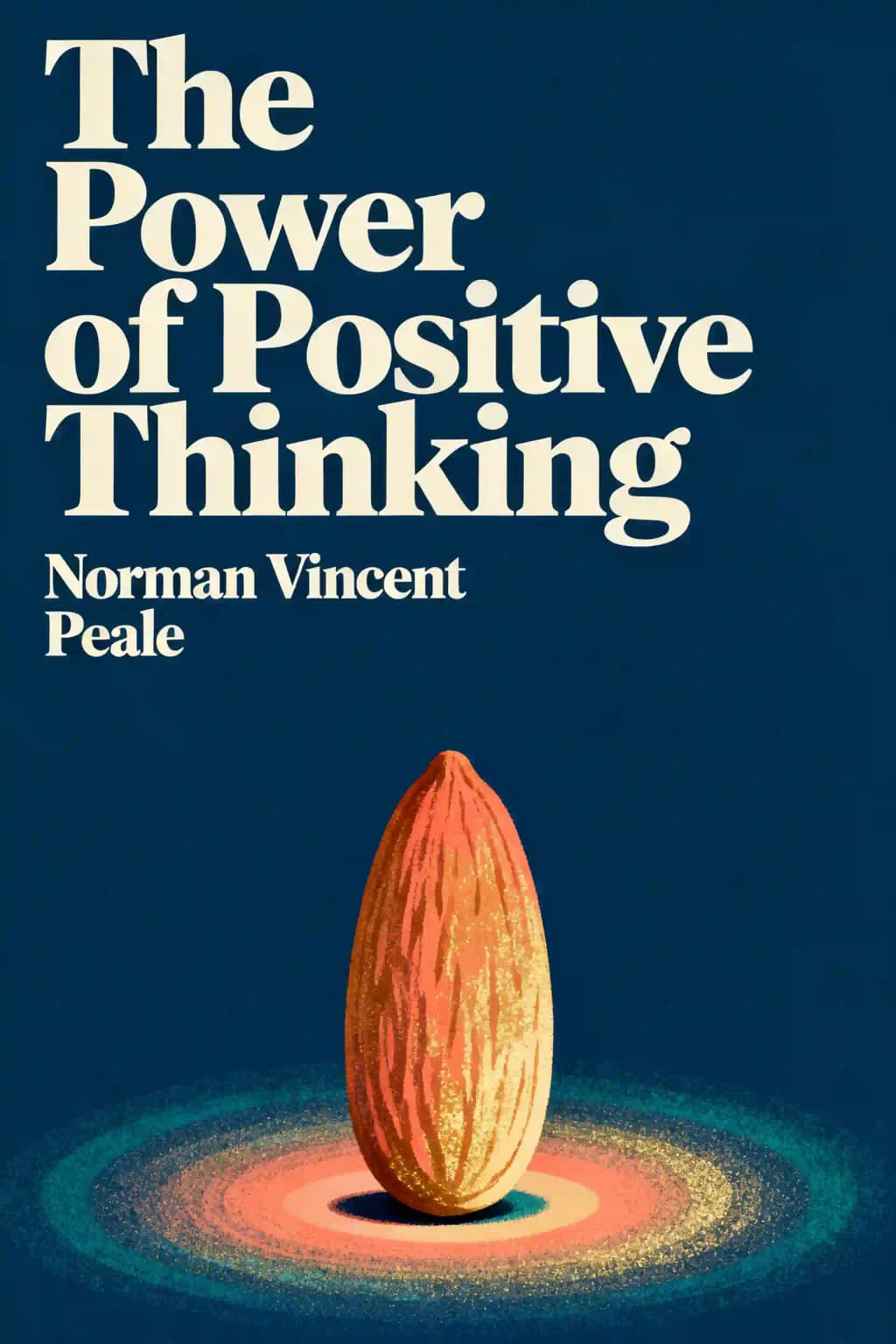
Discover the self-help phenomenon that dominated the New York Times bestseller list for 186 consecutive weeks. Norman Vincent Peale's practical guide to harnessing positivity earned him the Presidential Medal of Freedom and transformed millions of lives through simple, powerful techniques that still resonate today.
Norman Vincent Peale (1898–1993), author of the groundbreaking self-help classic The Power of Positive Thinking, was a pioneering minister and motivational speaker who popularized the fusion of faith-based optimism and practical psychology. A Ohio native and Boston University School of Theology graduate, Peale served as pastor of New York’s Marble Collegiate Church for 52 years, growing its congregation from 600 to 5,000 through his transformative sermons on overcoming adversity through positive thought.
His expertise in blending religious principles with mental health strategies led him to co-found the American Foundation of Religion and Psychiatry and launch Guideposts magazine, which reaches millions with inspirational content. Peale expanded his influence through 46 books, including The Positive Principle Today and Enthusiasm Makes the Difference, along with radio and television programs like “The Art of Living.”
His work earned the Presidential Medal of Freedom and shaped modern positive psychology. The Power of Positive Thinking remains a cultural touchstone, with over 7 million copies sold and translations into 15 languages since its 1952 release.
The Power of Positive Thinking teaches readers to harness optimism and faith to overcome self-doubt, fear, and anxiety. Blending psychological principles with Christian teachings, Peale offers practical techniques like prayerful exercises, affirmations, and visualization to cultivate confidence and achieve personal fulfillment. The book emphasizes replacing negative thoughts with constructive patterns to transform mental and emotional well-being.
This book is ideal for individuals facing stress, self-doubt, or stagnation, as well as those seeking motivation for personal or professional growth. Its faith-based approach appeals to readers open to spiritual guidance, while its actionable strategies resonate with anyone aiming to improve relationships, reduce worry, or build resilience.
Yes—with over 5 million copies sold, this self-help classic remains influential for its timeless advice on mindset shifts. Critics note its oversimplification of complex issues, but its actionable steps for building confidence and managing stress offer tangible value for readers seeking practical optimism.
Key ideas include:
Peale advocates “thought substitution”—replacing negative patterns with affirmations like “I can handle this”—and prayer to calm the mind. He also recommends physical relaxation methods (e.g., deep breathing) and redirecting focus to others’ needs to reduce self-centered worry.
Some argue the book prioritizes worldly success over spiritual growth, oversimplifies mental health struggles, and lacks nuance for systemic challenges. Critics also note its heavy reliance on Christian theology may limit appeal for secular audiences.
Yes—Peale integrates Christian teachings, framing prayer and faith as tools to access inner strength. However, the psychological strategies (e.g., affirmations) are broadly applicable, making the book accessible to non-religious readers seeking mindset techniques.
Yes. Positive Thinking for Young People adapts Peale’s principles for teenagers, addressing issues like self-confidence, academic stress, and social relationships. It simplifies concepts and includes youth-focused examples.
Peale (1898–1993) was a minister at New York’s Marble Collegiate Church for 52 years. A pioneer of the “positive thinking” movement, he blended pastoral counseling with pop psychology, influencing modern self-help literature and motivational speaking.
While newer works like Atomic Habits focus on behavior science, Peale’s book emphasizes spirituality and mindset as foundational tools. Its blend of faith and psychology remains unique, though less data-driven than contemporary alternatives.
Senti il libro attraverso la voce dell'autore
Trasforma la conoscenza in spunti coinvolgenti e ricchi di esempi
Cattura le idee chiave in un lampo per un apprendimento veloce
Goditi il libro in modo divertente e coinvolgente
Believe in yourself! Have faith in your abilities! Without a humble but reasonable confidence in your own powers you cannot be successful or happy.
Empty pockets never held anyone back. Only empty heads and empty hearts can do that.
The way to happiness: Keep your heart free from hate, your mind from worry. Live simply, expect little, give much. Scatter sunshine, forget self, think of others.
Inferiority complexes aren't innate; they're developed, often in childhood.
Scomponi le idee chiave di The Power of Positive Thinking in punti facili da capire per comprendere come i team innovativi creano, collaborano e crescono.
Distilla The Power of Positive Thinking in rapidi promemoria che evidenziano i principi chiave di franchezza, lavoro di squadra e resilienza creativa.

Vivi The Power of Positive Thinking attraverso narrazioni vivide che trasformano le lezioni di innovazione in momenti che ricorderai e applicherai.
Chiedi qualsiasi cosa, scegli la voce e co-crea spunti che risuonino davvero con te.

Creato da alumni della Columbia University a San Francisco
"Instead of endless scrolling, I just hit play on BeFreed. It saves me so much time."
"I never knew where to start with nonfiction—BeFreed’s book lists turned into podcasts gave me a clear path."
"Perfect balance between learning and entertainment. Finished ‘Thinking, Fast and Slow’ on my commute this week."
"Crazy how much I learned while walking the dog. BeFreed = small habits → big gains."
"Reading used to feel like a chore. Now it’s just part of my lifestyle."
"Feels effortless compared to reading. I’ve finished 6 books this month already."
"BeFreed turned my guilty doomscrolling into something that feels productive and inspiring."
"BeFreed turned my commute into learning time. 20-min podcasts are perfect for finishing books I never had time for."
"BeFreed replaced my podcast queue. Imagine Spotify for books — that’s it. 🙌"
"It is great for me to learn something from the book without reading it."
"The themed book list podcasts help me connect ideas across authors—like a guided audio journey."
"Makes me feel smarter every time before going to work"
Creato da alumni della Columbia University a San Francisco

Ottieni il riassunto di The Power of Positive Thinking in formato PDF o EPUB gratuito. Stampalo o leggilo offline quando vuoi.
What if the biggest obstacle between you and the life you want isn't your circumstances, your background, or your resources-but the conversation happening inside your head right now? A traveling salesman once sat in a minister's office, defeated and broken. "I'm done," he said. "I've failed at everything." Yet within months, this same man was thriving. What changed? Not his territory, not his product, not the economy. What changed was a single shift in his thinking-a shift so profound it rewrote his entire reality. Your mind operates like a factory, constantly producing outcomes based on the raw materials you feed it. Feed it doubt, and it manufactures failure. Feed it faith, and it creates possibility. This isn't mystical thinking-it's practical psychology married to spiritual wisdom. Every thought you entertain is a seed. The question isn't whether it will grow, but what harvest you'll reap from what you've planted. When you grasp this fundamental truth-that your thoughts literally shape your experience-you gain access to a power that can transform everything. Most of us unknowingly operate unhappiness factories in our minds, churning out misery through negative thoughts, resentment, and worry. We compare ourselves unfavorably to others. We replay past hurts. We catastrophize future possibilities. Each negative thought is another product rolling off our mental assembly line. But if you can create unhappiness through thought patterns, you can create happiness the same way. Happiness isn't something that happens to you-it's something you actively create through deliberate mental habits. Start by memorizing phrases that evoke joy-perhaps poetry, Scripture, or personal affirmations that resonate with you. When negative thoughts arise, immediately replace them with these happiness-generating alternatives. Anticipate joy in upcoming events rather than dreading potential problems. This expectation becomes self-fulfilling.
