Capitolo 1
When Autism Arrives: A Handbook for the Journey Ahead
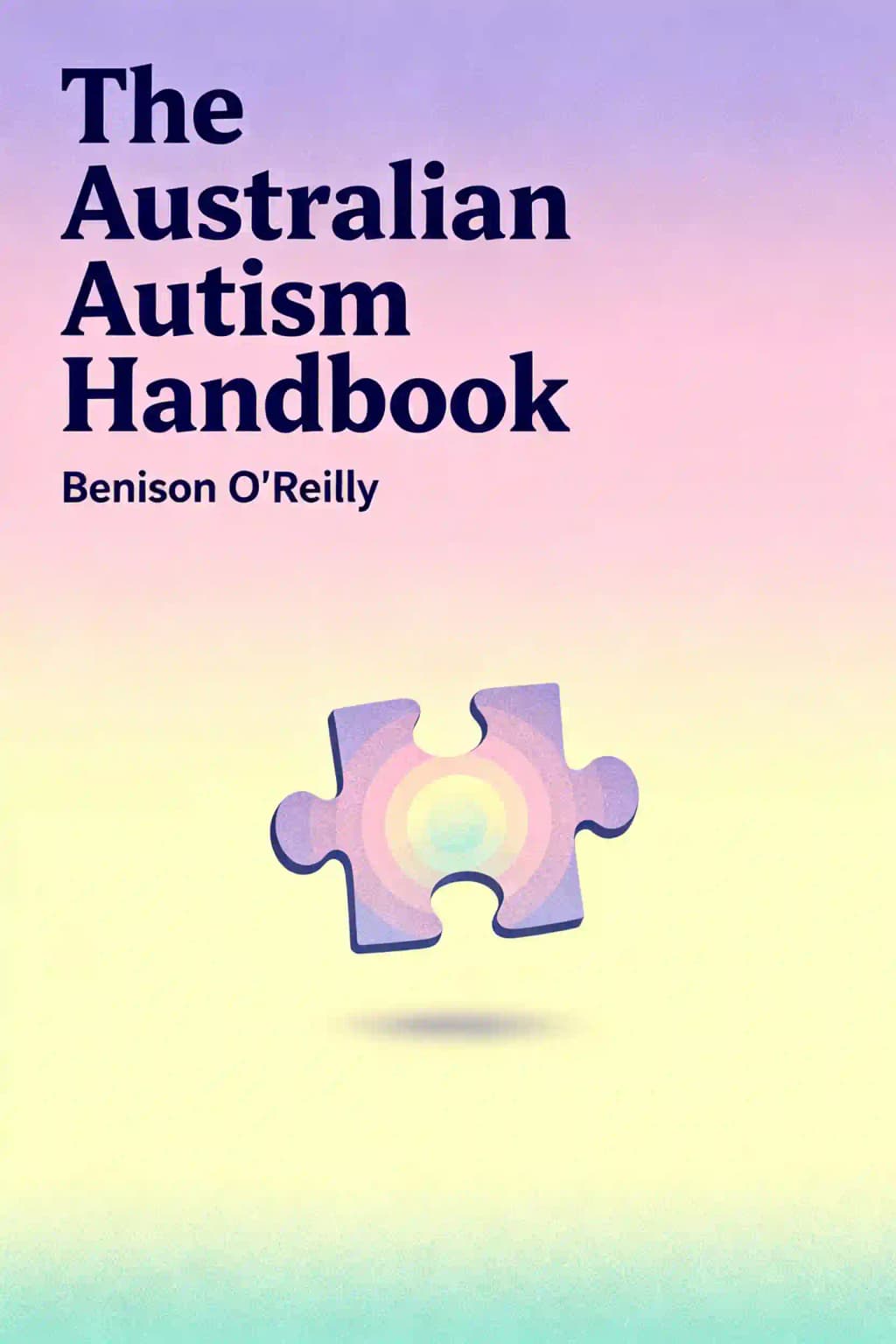
The journey of autism begins with a whisper, often a subtle sign that most would overlook. For many parents, it starts with that nagging feeling that something is different about their child's development-perhaps they don't respond to their name, make eye contact, or engage in the back-and-forth dance of early communication. What follows is typically a rollercoaster of emotions, evaluations, and eventually, a diagnosis that changes everything and nothing at the same time. The Australian Autism Handbook has become a lifeline for families navigating this journey, with over 50,000 copies sold since its first edition in 2008. Celebrated as the definitive guide for Australian families, it has been endorsed by leading autism organizations and recommended by pediatricians nationwide. The authors, whose own children have grown from young boys to men in their twenties since the first edition, offer this reassurance: while receiving an autism diagnosis may initially feel overwhelming, these feelings will pass. Life may be different than planned, but not necessarily worse.
Capitolo 2
Understanding the Autism Spectrum
Autism is fundamentally a neurological difference affecting early childhood development. The condition derives from the Greek word "autos" meaning "self," reflecting the inward focus many autistic individuals display. Though autism has likely existed throughout human history, it wasn't formally recognized until 1943 when Leo Kanner published research on 11 children with similar symptoms including social aloofness and unusual restricted interests, calling it "early infantile autism."
Today, we understand autism as a spectrum condition characterized by two main areas of difference: challenges in social communication/interaction and restricted, repetitive patterns of behavior often accompanied by sensory issues. Children with autism typically struggle with the natural back-and-forth sharing of emotions, non-verbal communication, joint attention, and social play. They may engage in repetitive behaviors (often called "stimming"), prefer sameness and routines, develop intense interests in specific topics, and experience sensory sensitivities.
According to recent statistics, autism affects approximately 3% of Australian children aged 5-14, with similar rates in the US and slightly lower rates in New Zealand. Boys are diagnosed 3-4 times more frequently than girls, though growing evidence suggests this disparity may reflect diagnostic biases rather than true prevalence differences.
The post-Kanner years were difficult for autism families. Parents were initially encouraged to institutionalize their children, and then in the 1960s, psychologist Bruno Bettelheim popularized the harmful "refrigerator mother" theory, unfairly blaming parents. Today, autism is recognized as a neurological condition with genetic links that, while lifelong, is not the "life sentence" once portrayed. With proper interventions and support, people with autism can lead fulfilling lives.
Capitolo 3
The Language Revolution: How We Talk About Autism
The language surrounding autism has evolved dramatically, reflecting shifting perspectives on neurodevelopmental differences. Clinical diagnosis through the DSM-5 uses deficit-focused terminology, viewing autism through a medical model of disability. However, many now embrace either a social model (focusing on societal barriers) or a biopsychosocial model (balancing individual intervention with environmental changes).
The neurodiversity movement has gained significant momentum, viewing autism as natural brain variation rather than disorder. This perspective argues that autistic people bring unique skills and perspectives to society that should be valued rather than "fixed." This creates an interesting tension-how do we celebrate autism as difference while acknowledging its sometimes disabling aspects?
Even the way we refer to individuals reflects these evolving perspectives. Person-first language ("child with autism") was once considered most respectful, emphasizing the person before the condition. However, many autistic people prefer identity-first language ("autistic child"), arguing that autism is intrinsic to their identity and cannot be separated from who they are. As one autistic adult explains, "I don't 'have' autism any more than I 'have' femaleness or 'have' brown eyes. It's part of who I am."
This linguistic evolution represents more than mere political correctness-it reflects profound shifts in how we conceptualize neurological differences. When we move from speaking about "treating autism" to "supporting autistic people," we acknowledge that the goal isn't to make someone less autistic but to help them thrive as they are. The conversation continues to evolve, with autistic voices increasingly centered in discussions that affect their lives-perhaps the most significant linguistic shift of all.
Capitolo 4
Recognizing the Early Signs
Parents often notice developmental differences in their autistic children around 12-18 months of age, though subtle signs may be present even earlier. Common early indicators include delayed speech and language development, preference for solitary play, unusual toy interactions (like lining up objects by size or color), reduced eye contact, high pain tolerance, and limited social engagement.
International research shows early intervention is crucial when a child displays signs of autism, as their developing brain is most receptive to change during early years. Key warning signs in children aged 1-3 years include inconsistent or absent eye contact, lack of pointing to share interest, limited use of gestures like waving, poor response to name, reduced showing of toys/objects, minimal imitation, and limited pretend play.
Many children with autism, particularly those with typical language skills and average to above-average intelligence, may not be identified until they enter school and face greater social demands. Primary school children with autism may display unusual speech patterns (monotonous tone, repetitive language, talking at rather than with others), social difficulties (reduced interest in peers, inappropriate approaches, difficulty sharing in play), unusual eye contact and gestures, rigid behaviors (insistence on routines, difficulty with change), restricted interests, and sensory sensitivities.
For children showing early signs, innovative pre-emptive therapies like iBASIS-VIPP can make a significant difference. This approach, designed for babies aged 6-18 months showing early autism markers, uses short videos of parent-baby interactions to help parents better understand their baby's emotions, communication methods, and the importance of following the baby's interests. Clinical trials have demonstrated remarkable effectiveness-in an Australian study, only 6.7% of the intervention group met diagnostic criteria for autism at follow-up compared to 20.5% in the control group.
The Social Attention and Communication Surveillance (SACS) method, pioneered by Australian psychologist Dr. Josephine Barbaro, is another valuable tool, identifying autistic toddlers with 83% accuracy. Parents can access ASDetect, a free mobile app based on SACS that guides them through age-appropriate assessments with illustrative videos.
Despite these advances, many parents report being initially reassured by professionals that their concerns were unfounded, especially with boys or twins, who are often told they "develop more slowly." This highlights the importance of trusting parental instincts-if you notice developmental differences, persist in seeking professional assessment.
Capitolo 5
The Diagnosis Journey: What to Expect
The diagnosis process for autism varies between regions but generally follows specific steps. A comprehensive needs assessment includes both a functional assessment (evaluating thinking, language, daily living skills, and social abilities) and a medical assessment to rule out other causes. If initial assessments suggest autism, a diagnostic evaluation follows, conducted either by a single health professional or a multidisciplinary team using DSM-5 criteria.
In Australia, national guidelines published in 2018 ensure consistency across the country. Families can pursue either public (government-funded, free but with long waiting lists) or private assessment (faster but with out-of-pocket expenses). Medicare covers four diagnostic assessments, and private health insurance may help with additional costs. Children under six can access NDIS early intervention support even before receiving a formal diagnosis.
The DSM-5 diagnostic criteria specify that autism symptoms must be present in early childhood, exceed the child's capacities, and impair everyday functioning. Severity is classified into three levels: Level 3 (requiring very substantial support), Level 2 (requiring substantial support) and Level 1 (requiring support). A person may have different support levels for social-communication versus restricted/repetitive behaviors.
Obtaining an autism diagnosis involves multiple assessments. Medical assessments include physical examinations, hearing and vision tests, and sometimes genetic testing or blood work to rule out other conditions. Developmental and family history interviews document early milestones, language development, and social skills-sometimes using structured tools like the ADI-R or DISCO. Behavioral observations assess communication and social skills across different settings, often using standardized tools like ADOS-2 or CARS-2.
Receiving an autism diagnosis can trigger intense emotions for parents, from grief and despair to relief at having a direction forward. Despite initial devastation, many parents come to see diagnosis as the first step in a new journey that opens doors to necessary supports. As one parent noted, "Having the diagnosis helped me seek out like-minded parents for sharing emotions and ideas" and provided a clear direction to follow.
Capitolo 6
The Hidden Spectrum: Autism in Girls
Autism in girls has historically received less attention than in boys, despite girls being included in the earliest scientific reports on the condition. While autism is more common in males-with four boys diagnosed for every girl-growing evidence suggests diagnostic methods are biased toward male presentation, causing many girls to be missed or diagnosed later.
Girls with autism often present differently than boys: they have fewer obvious restricted/repetitive behaviors, their special interests may appear typical (like dolls or literature), they're more socially motivated, may mimic peers to fit in, have advanced language skills but struggle with body language, control behavior better at school but collapse at home, and often have stronger sensory sensitivities.
One of the most significant differences is masking (or camouflaging)-when someone compensates for social challenges by observing peers, analyzing social behavior, and following social rules to avoid standing out. Girls with autism, due to superior language abilities and stronger desire to fit in, are both more likely to mask and better at it than boys. This camouflaging comes at significant cost-it's mentally and emotionally exhausting, requiring intense concentration and self-control. Many girls maintain composure at school but collapse at home from the effort. This masking can contribute to anxiety, depression, loss of identity, and significantly hinders diagnosis.
Girls with autism often face increasing difficulties entering adolescence as puberty begins and social rules become more complex. While they may have achieved acceptance in primary school, high school might bring their first experiences with bullying. Unlike autistic boys who are more commonly diagnosed with ADHD and behavior problems, girls are more susceptible to internalizing issues like anxiety, depression, and eating disorders.
Gender diversity is also more common among autistic individuals than in the general population. Many autistic people identify as LGBTIQA+, likely due to a different concept of self, less concern about social norms, and their neurodiversity. Research confirms higher rates of gender diversity in autistic children compared to typically developing peers, especially among those assigned female at birth.
Capitolo 7
Wisdom from the Inside: Autistic Adults Speak
"Breathe," advises Dr. Wenn Lawson to parents of newly diagnosed children. "Don't rush into action." The child remains the same person they were before diagnosis-the label simply provides information to understand their behaviors better. This sentiment echoes throughout the advice from autistic adults, many of whom are also parents of autistic children.
These firsthand perspectives offer invaluable wisdom that can't be found in clinical literature. They emphasize the importance of seeing the child as an individual rather than a collection of symptoms. As one contributor notes, "Not everything your child does is because of autism. We're people with our own thoughts, feelings and preferences."
Parents are advised to research help sources carefully to avoid harmful misinformation like "cures" or dangerous interventions. When children have meltdowns, parents should calmly investigate potential triggers-whether environmental, sensory, or communication-related-and allow stimming as a necessary coping mechanism.
Many autistic adults describe their childhood experiences to help parents understand their children's perspectives. One contributor shares how they lived primarily in their inner world, rarely speaking and not understanding other children's play. They found comfort in art, collecting, reading, and maintaining strict order-their toys had to be arranged precisely. They benefited from parents who accepted their differences and provided consistent routines.
To truly understand autism, parents must connect with autistic adults, particularly through their blogs and writings. This provides perspective on current challenges and shows that development will occur, even if delayed. As Chris Bonello puts it: "I had a developmental delay. I still developed, I was just delayed."
Autistic adults also explain why they stim-for pleasure (like jumping with joy), to distract from uncomfortable activities, or to decompress after stressful events. Dr. Wenn Lawson describes hand-flapping that resembles "an animation of a seagull flying" which helps release tension. Parents should consider whether stimming is actually problematic or just unexpected behavior. Rather than eliminating stimming, which meets important needs, parents should focus on finding appropriate alternatives when necessary.
Perhaps most importantly, autistic adults emphasize that autistic identity represents pride and a commitment to improving systems. They remind parents that while life may be different, it can still be good with proper support. As one contributor puts it: "Your child is beautiful and worthy just as they are."
Capitolo 8
Beyond Autism: Understanding Co-occurring Conditions
Many conditions co-occur with autism and can significantly impact a child's independence and wellbeing, sometimes causing more concern than core autism features. While no child will experience all these conditions, most will develop at least one by adulthood. Early intervention can reduce their impact on health and happiness.
About 30% of autistic children also have intellectual disability, defined as an IQ below 70 with difficulties in adaptive functioning. In autism, there's often a discrepancy between verbal and non-verbal IQs, with children performing better at visual tasks like puzzles. Early intervention can increase IQ by teaching new skills and overcoming social barriers to learning.
Some autistic children have language difficulties beyond what autism alone explains, warranting a dual diagnosis. Up to 30% of autistic children may never speak in sentences, though some learn to talk as late as age 10. Alternative communication methods exist for non-speaking children.
Autistic children have an increased risk of seizures, with about one in ten developing them over their lifetime. The risk doubles for those with intellectual disability and is slightly higher for females. Seizures typically develop either in early childhood or during adolescence into young adulthood.
Children with autism experience more gastrointestinal problems like abdominal pain, constipation, diarrhea and reflux than typically developing children. These issues can worsen sleep problems and behavior, and interfere with learning. Selective eating is extremely common in autistic children, often turning mealtimes into daily battles. This likely stems from sensory sensitivities to taste, smell and texture combined with the characteristic "insistence on sameness."
Sleep disturbances affect 50-80% of autistic children and can persist through adolescence, with problems both falling and staying asleep. This creates a vicious cycle: tired children exhibit challenging behaviors and poor concentration, while sleep-deprived parents have fewer emotional reserves to support their child effectively.
Motor difficulties are extremely common in autistic children, affecting muscle tone, movement and coordination. Children may struggle with posture, balance, running, ball skills, using scissors, and writing neatly. Handwriting difficulties impact learning as slow, messy writing limits a child's ability to demonstrate knowledge.
ADHD affects concentration, hyperactivity, and impulse control, with up to half of autistic children qualifying for both diagnoses. Anxiety affects up to half of school-aged autistic children, particularly those with higher IQs and better language abilities. The core features of autism-difficulty reading body language and predicting others' behavior-create a confusing world and constant worry.
Between 8% and 68% of autistic children demonstrate "aggressive" behaviors like meltdowns and rages, especially those with hyperactivity, communication difficulties, learning problems, sleep issues, seizures, and anxiety. These behaviors have underlying causes: communication barriers, pain or discomfort, emotional regulation difficulties, sensory overwhelm, routine changes, developmental changes like puberty, or bullying.
Understanding these co-occurring conditions is essential for providing comprehensive support. Rather than viewing challenging behaviors as problems to eliminate, we should see them as communication and address the underlying needs they express.
Capitolo 9
The Foundations of Support: Early Intervention
Early intervention provides specialized supports to give children with autism the best possible start in life, promoting development, wellbeing, and community participation. Starting intervention soon after diagnosis (or even before if autism is strongly suspected) offers the best opportunity for children to learn and develop independence, though families should begin when emotionally ready.
Good early intervention programs should be evidence-based, with scientific proof they help children in targeted areas like social engagement, communication, or daily living skills. While earlier intervention leverages childhood neuroplasticity, the optimal intensity has become less prescriptive than previous recommendations of 15-25 hours weekly. Current approaches recognize each child's unique needs and family circumstances when determining appropriate intervention intensity.
Early intervention for autism aims to improve social communication, enhance learning and independence, and prevent challenging behaviors. Initial focus should be on developing fundamental communication skills like joint attention that precede speech development, often including parent training. Very young children learn best through everyday activities and play.
Since no two autistic children are alike, intervention programs must be tailored to each child's unique strengths and challenges identified during diagnosis. Experts recommend incorporating a child's special interests wherever possible-both as positive reinforcement for desired behaviors and directly into learning plans.
Children with autism particularly thrive with predictability and routine. Visual schedules help reduce anxiety during transitions between activities. The physical environment should be well-organized, free of distractions, and accommodate sensory sensitivities like fluorescent lighting or strong scents.
Family involvement is essential for successful intervention. Programs should actively consult with parents about their goals and family circumstances when developing plans. Parents can learn to engage effectively with their child and help generalize new skills across home and community settings.
Evidence shows autistic children can acquire valuable social skills from typically developing peers in appropriate settings, while typical children benefit from diverse learning environments. While mainstream preschools offer integration opportunities, they can be sensorially challenging due to noise and chaos.
Children with autism have complex needs requiring collaboration between speech pathologists, therapists, teachers, occupational therapists, and parents. A coordinated approach ensures everyone works toward the same goals rather than pursuing disconnected objectives across different therapies.
Beyond appropriate qualifications and autism-specific training, the most crucial quality in teachers and therapists is their ability to engage with your child. The best practitioners see beyond challenges to connect with the person within-they know how to have fun while consistently encouraging progress. Children learn best from people they enjoy being with, and these exceptional professionals are worth holding onto when you find them.
Capitolo 10
Building Communication, Sensory Integration and Social Skills
Beyond comprehensive early intervention programs, many children with autism require additional specialized assistance in three major challenge areas: communication, motor skills and senses, and social skills.
Communication challenges are core features of autism, and even small improvements can dramatically improve a child's life. Speech therapy goes beyond teaching verbal skills to address receptive communication, expressive communication, and pragmatic language. Weekly therapy sessions alone won't solve communication problems-speech pathologists train parents and caregivers to use consistent strategies across all environments.
For children who struggle with speech, Augmentative and Alternative Communication (AAC) methods-including visual supports, Picture Exchange Communication System (PECS), manual signing, and speech generating devices-can provide effective communication tools. Contrary to parental concerns, research shows AAC often stimulates rather than delays speech development.
Most children with autism experience motor and sensory difficulties. Occupational therapists (OTs) help improve participation in daily activities, play and school by addressing gross motor skills (large muscle movements), fine motor skills (small movements of hands, fingers, etc.), and sensory processing issues. OTs may use exercise balls, climbing equipment and other tools to build strength and coordination while making sessions playful and engaging.
Nearly all children with ASD experience sensory processing difficulties, which can manifest as either hyper-responsiveness (over-sensitivity) or hypo-responsiveness (under-sensitivity) to sensory stimuli. These issues can affect any sense-sight, hearing, touch, movement (vestibular), body awareness (proprioception), smell, and taste. Sensory patterns vary between children and can even be uneven within an individual child, who might be over-sensitive to certain sounds but under-sensitive to touch.
Social communication impairments are defining characteristics of autism spectrum disorder. Children with autism struggle with conversation skills, body language, understanding social rules, conflict resolution, and cooperative play. Many have difficulty understanding others' perspectives-often called "theory of mind"-which typically develops around age four in neurotypical children.
The myth that people with autism lack empathy stems from misunderstanding theory of mind research. While they may struggle with the cognitive component of taking another's perspective, their emotional capacity to feel others' joy and pain remains intact. Many parents can attest that their autistic children show genuine concern for others' feelings, despite difficulties interpreting social cues.
The double empathy problem recognizes that communication breakdowns between autistic and non-autistic people are bidirectional, with both parties struggling to understand each other. Rather than expecting only autistic people to adapt to neurotypical communication styles, we should recognize that "masking" to fit in can cause extreme exhaustion, anxiety and depression.
Social skills training encompasses various techniques including one-on-one therapy, group sessions, peer modeling and video modeling. Video modeling uses video recordings to teach specific skills to children with autism, with research showing it's often more effective than live teaching. Children may find it easier to focus on a small screen without social or sensory distractions, leading to better maintenance and generalization of skills.
Capitolo 11
The Journey Forward: From Diagnosis to Thriving
The diagnosis of autism in your child brings a whirlwind of emotions - shock, grief, relief, and determination. Parents are advised to process these feelings rather than suppress them, while avoiding being overwhelmed by grief. Self-care is essential, not selfish, with parents encouraged to make time for themselves and their relationships.
As Kirsty Russell reframes the post-diagnosis experience as "processing" rather than grief, encouraging parents to acknowledge their emotions without letting them become overwhelming. She emphasizes connecting with other autism families, making time for self-care and relationships, remembering the child is unchanged by diagnosis, trusting parental instincts, and focusing on moving forward rather than looking back.
The journey involves different levels of acceptance: acknowledging something is different, understanding implications for the family, accepting the role of special needs parent, and finally accepting the child completely for who they are. This process takes time and unfolds differently for each family.
For Australian families, the National Disability Insurance Scheme (NDIS) has been a "gamechanger," providing funding for therapies and resources. While navigating the system can be complex, support is available through various channels including the NDIS website, Raising Children Network, and Autism Connect.
Looking toward the future, the stories of autistic individuals who have grown from children to adults provide both realistic perspectives and hope. Charlie, diagnosed at three, now excels in math and community art in Year Nine. He proudly shared his autism with classmates through "The Story of Charlie," a book his mother created. Charlie runs a small greeting card business called "Charlie by Art" and feels proud of being autistic: "Being autistic is special and I know that other people can learn a lot from me."
Other stories show different paths-Ineka's struggle with employment before finding work in social media marketing, Carina's journey through performing arts education to stable employment, and Harry's development of valuable skills in e-cycling. These diverse narratives remind us that there's no single "autism outcome"-each person's journey is unique.
The most powerful message comes from the autistic adults who contribute their wisdom: autism is a different way of experiencing the world, not a tragedy. With understanding, support, and acceptance, autistic people can lead fulfilling lives on their own terms. As one contributor puts it: "Your child is beautiful and worthy just as they are." Perhaps that's the most important lesson of all-beyond all the therapies, interventions, and supports, what every child needs most is unconditional love and acceptance for exactly who they are.