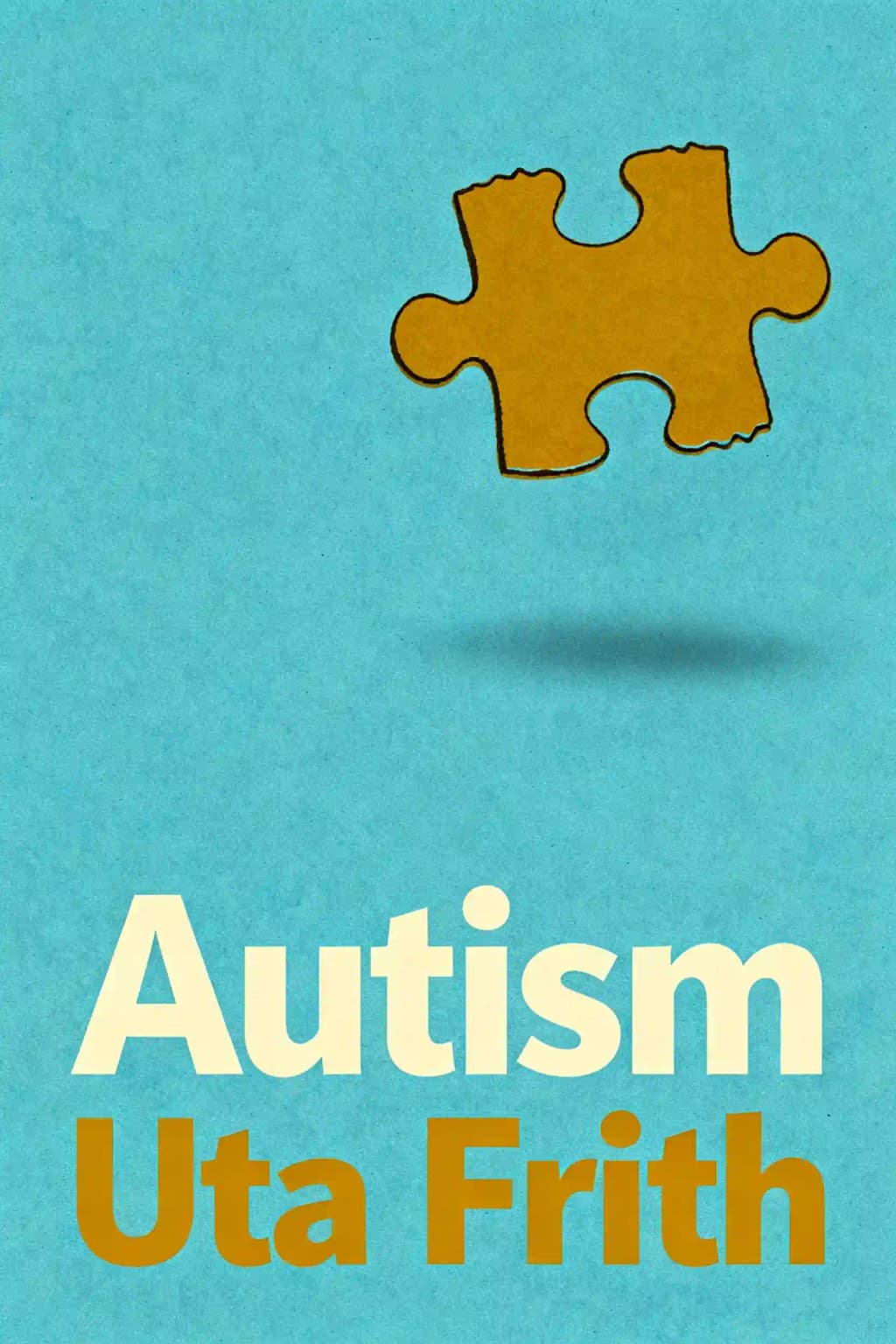
Capitolo 1
The Enigmatic World of Autism: A Journey Through Different Minds
Have you ever wondered what it would be like if your brain processed the world in a fundamentally different way? Imagine looking at a crowded room and seeing not the social dynamics but instead noticing the precise pattern of ceiling tiles or the exact frequency of the humming lights. This is the reality for nearly one in a hundred children worldwide, with boys five times more likely to be diagnosed than girls. Autism, once considered rare and mysterious, has become one of the most researched developmental conditions of our time. When Rain Man hit theaters in 1989, it transformed public awareness overnight, with Dustin Hoffman's meticulous portrayal-based on his study of real autistic individuals-becoming an ambassador for a condition few understood. Today, autism touches countless families, has inspired bestselling memoirs like Temple Grandin's "Thinking in Pictures," and continues to challenge our fundamental understanding of what it means to be human. What makes the autistic mind so different, and what can it teach us about ourselves?
Capitolo 2
The Spectrum: From Aloof Children to Hidden Geniuses
The term "autism spectrum" encompasses a range of conditions that originate before birth and affect brain development in distinctive ways. What unites all cases across this diverse spectrum is a fundamental inability to engage in reciprocal social interaction combined with characteristic behavioral rigidity. Consider three real cases that illustrate this diversity: David, diagnosed at age 3 with classic autism, began speaking at 5, and now at 12 possesses extraordinary memory and reading skills but minimal social interaction. Gary has PDD-NOS (Pervasive Developmental Disorder-Not Otherwise Specified), showing some autistic features without meeting full criteria, struggling with communication and now living at home in his twenties. Edward has Asperger syndrome-extraordinarily gifted with an extensive vocabulary, now studying mathematics at university while working to overcome social anxiety and depression.
Despite their surface differences, three core features unite these cases. First, all show impaired reciprocal social interaction-David's aloofness, Gary's inability to read social signals, and Edward's avoidance of peer interaction. Second, all experience communication difficulties ranging from David's limited language use to Edward's struggle with ordinary conversation despite his articulation. Third, all display repetitive activities and narrow interests-from David's obsessive reading to Edward's intensely pursued successive interests.
Autism begins before birth from subtle genetic faults, yet symptoms typically emerge around a child's second year-a critical period for developing social behavior. While newborns naturally show social interest (preferring faces and speech), autism becomes apparent when children fail to make the developmental leap to true joint interaction. Unlike typically developing children who begin sharing attention with others around their first birthday, autistic children struggle with joint attention-the ability to deliberately direct another person's attention to share interest in an object.
The question of whether children with autism truly regress or simply fail to progress developmentally remains complex. Some parents report children speaking early but becoming self-absorbed around 18 months, while others notice difficulties from birth. Despite these different starting points, developmental trajectories often prove similar. Early diagnosis presents challenges-screening at 18 months followed by full assessment at 30 months offers one solution, looking for key behaviors like joint attention, gaze following, and pretend play.
Capitolo 3
The Historical Evolution of Autism Understanding
Though autism existed long before being formally named, it wasn't identified as a distinct condition until the 1940s when two pioneering researchers, Leo Kanner in Baltimore and Hans Asperger in Vienna, independently described similar patterns in children during World War II. Kanner observed 11 children with what he termed "early infantile autism," while Asperger documented "autistic psychopathy" in four boys, noting their social difficulties alongside remarkable intellectual abilities. Recognition spread gradually, first among specialists in Europe and America, then globally through medical literature and clinical practice.
Early misconceptions portrayed autism as a form of childhood schizophrenia or psychological withdrawal resulting from "refrigerator mothers" - a harmful theory promoted by Bruno Bettelheim that blamed cold, unaffectionate parenting. This gradually yielded to more enlightened approaches emphasizing special education and cognitive abilities, particularly through the work of researchers who recognized autism's biological foundations.
Bernard Rimland's revolutionary 1964 book "Infantile Autism: The Syndrome and Its Implications for a Neural Theory of Behavior" marked a crucial turning point. As both a research psychologist and parent of an autistic child, he championed scientific analysis of autistic children's cognitive abilities, revealing their paradoxical pattern of both remarkable strengths in areas like memory and visual-spatial skills alongside significant challenges in social communication. From the 1990s, awareness exploded with the recognition of Asperger syndrome, though the boundaries of the autism spectrum remain in continuous evolution as understanding deepens.
British psychiatrist Michael Rutter established the first standardized diagnostic instruments and conducted groundbreaking twin studies that demonstrated autism's genetic component. Lorna Wing's influential work identified the "triad of impairments" (social interaction, communication, and imagination) and different varieties of social impairment, revolutionizing how autism was understood and diagnosed. Experimental psychologists Beate Hermelin and Neil O'Connor developed sophisticated methods comparing matched groups to reveal fundamental cognitive differences in autism, establishing the foundation for modern cognitive research.
Parents played a crucial role in advancing understanding. Clara Claiborne Park's "The Siege" (1967) and Margaret Dewey's detailed observations provided invaluable insights into daily life with autism. Parent associations worldwide helped establish specialized schools and support services, transforming autism from an isolated family challenge to a recognized public health priority.
The 1960s saw the emergence of systematic intervention approaches. Behavior therapy proved surprisingly effective for managing challenging behaviors, while maintaining respect for autistic individuals' dignity. Ivar Lovaas pioneered Applied Behavioral Analysis (ABA) with intensive one-to-one training, demonstrating significant improvements in language and adaptive skills. Simultaneously, Eric Schopler developed the TEACCH approach, emphasizing visual aids, structured environments, and predictable routines. These complementary methods - changing modifiable behaviors while adapting environments to accommodate unchangeable ones - revolutionized autism education and support.
Our understanding of autism's relationship with intellectual ability has undergone dramatic revision. Initially almost always associated with intellectual disability, research now shows approximately 50% of cases involve average or superior intellectual abilities. When severe intellectual impairment exists alongside autism, underlying brain abnormalities create both general cognitive limitations and specific effects on emotional and social abilities. Children with combined autism and intellectual disability often remain nonverbal, demonstrate intense repetitive behaviors and rigid routines, face higher risks of epilepsy, and require extraordinary caregiver dedication and innovative support strategies.
Capitolo 4
The Expanding Diagnosis: Epidemic or Enhanced Recognition?
The dramatic rise in autism diagnoses over the past few decades has caused understandable alarm among parents, educators, and healthcare professionals. However, a closer examination reveals a more nuanced and complex picture. A landmark Californian study conducted over 15 years showed that as autism diagnoses increased by approximately 600%, mental retardation diagnoses decreased proportionally-suggesting significant diagnostic substitution and relabeling has occurred rather than a true epidemic. The widening of diagnostic criteria to include milder cases and individuals with normal or high intelligence has contributed significantly to this statistical surge.
Initially, clinicians used very narrow criteria to identify only classic autism cases, characterized by three main features: profound social aloofness, elaborate ritualistic behaviors, and rigid insistence on sameness. These proved too restrictive, applying only to a small subset of children with ASD at particular developmental stages, typically between ages 3-5. As researchers recognized that behaviors naturally wax and wane over time and observed the extensive range of individual variation, they abandoned these narrow criteria in favor of the broader autism spectrum concept, which encompasses a wide range of presentations and severity levels.
Current prevalence estimates from a comprehensive British epidemiological study indicate autism spectrum disorders affect approximately 1.1% of the population-making it as common as schizophrenia or bipolar disorder, but present from early childhood throughout life. This translates to 2-3 million affected individuals in the USA and half a million in the UK. Some regions report even higher rates, with certain US states documenting prevalence as high as 2-3% in school-age children.
The MMR (measles, mumps, rubella) triple vaccination became a suspected cause of autism in the late 1990s, particularly as its widespread introduction seemed to coincide with rising autism rates. However, multiple worldwide studies involving hundreds of thousands of children found no link-autism rates began increasing before MMR was introduced and continued rising in Japan after the vaccine was withdrawn from use. Similarly, thimerosal (a mercury derivative used as a preservative in vaccines until 1999) was extensively investigated and definitively ruled out as a cause, as autism cases continued increasing after its complete removal from childhood vaccines in many countries.
The boundaries of autism spectrum disorders have become increasingly blurred in modern diagnostic practice. Children with behavioral problems or social awkwardness despite high intelligence may now receive autism diagnoses where previously they might have been labeled with conditions like social anxiety disorder, selective mutism, or not diagnosed at all. Today's highly social and interconnected culture places unprecedented value on social abilities and emotional intelligence, potentially making social incompetence more apparent and problematic than in previous generations. Even children with general developmental delays or intellectual disabilities are increasingly classified under the autism spectrum if they display any characteristics consistent with ASD, contributing to the statistical increase in prevalence.
This diagnostic evolution reflects both our expanding understanding of neurodevelopmental variation and changing societal expectations around social communication and behavior. The rise in autism diagnoses thus appears to represent a complex interaction between improved recognition, broadened diagnostic criteria, and shifting cultural perspectives on social development.
Capitolo 5
The Genetic Foundations of Autism
While environmental causes like toxins, immune responses, and viruses have been investigated, genetic factors remain the primary suspect in autism. Twin studies provide particularly compelling evidence-90% of identical twins both have autism spectrum conditions compared to only 10% of non-identical twins. This stark difference in concordance rates strongly suggests heritability. However, even identical twins often show different severity levels and manifestations of symptoms, indicating genes interact with other factors in complex ways. Specific gene mutations, such as those affecting the SHANK3 and NRXN1 genes, have been identified in a small minority of cases, while the majority likely involve multiple genes interacting with early pregnancy risk factors like maternal viral infections, inflammatory responses, or metabolic stress.
The frequent co-occurrence of autism with other neurodevelopmental conditions like dyspraxia, attention deficit disorder, or anxiety disorders presents an intriguing puzzle. This comorbidity might result from what researchers call a "shrapnel effect" where multiple brain systems are affected simultaneously rather than a "clean bullet" affecting just one system. For example, genetic variations affecting early neural development might simultaneously impact systems governing social cognition, motor control, and attention regulation. Another speculative theory suggests developmental stability-more stable organisms might develop "pure" autism while less stable ones develop multiple conditions due to broader disruptions in neural development.
Microscopic examination reveals several consistent structural abnormalities in autistic brains: fewer and smaller Purkinje cells in the cerebellum (which coordinates movement and may play a role in cognitive processing), less densely packed cells in the limbic system (crucial for emotional processing and social behavior), and smaller, more isolated cells in the frontal cortex (responsible for executive function and social cognition). These cellular abnormalities appear during early fetal development, particularly during the critical period of neuronal migration and circuit formation in the second trimester, rather than being acquired later through environmental factors.
Advanced brain scanning techniques have revealed that autistic brains show distinct patterns of organization, with regions that are either smaller or larger than typical, particularly in areas associated with social cognition and language processing. Notably, there are sparser long-range connecting fibers between different brain regions, especially in the corpus callosum connecting the two hemispheres. Functional imaging during social and cognitive tasks reveals different patterns of brain activity, particularly when processing faces, emotions, or complex social situations. Current research increasingly focuses on connectivity issues between brain regions as a potential source of autism's characteristics, suggesting that autism might be better understood as a condition of altered neural networks rather than isolated brain differences.
Capitolo 6
The Social Mind: Three Theories of Autism's Core Challenge
Most people possess an automatic "mind-reading" ability-a mental SatNav that tracks others' beliefs, desires, and intentions without conscious effort. People with autism lack this intuitive mentalizing capacity, as demonstrated by tests like the Sally-Anne experiment, where autistic children struggle to understand that someone can hold a false belief. While they may eventually learn social rules through logic and practice, this remains an effortful, "offline" process rather than the automatic understanding neurotypical people experience.
Scientists have identified specific brain regions dedicated to mentalizing using brain scanners. By contrasting brain activity when viewing stimuli that trigger spontaneous mind-reading versus random movement, researchers have mapped the neural regions involved in this crucial social ability. These areas show reduced activation in people with autism and have weaker connectivity between regions.
The second major theory proposes that autism involves a fundamental lack of the biological drive to be social. Typically developing babies show preference for faces and human voices from birth, engage in pleasurable social interactions, and demonstrate exquisite sensitivity to social timing. This innate social orientation, likely crucial for survival, may be impaired in autism. For most people, the social world dominates perception, memory and imagination-faces, particularly eyes, naturally draw our attention. People with autism describe struggling with these automatic social processes, finding it difficult to remember what they've told to whom or to maintain the complex social records that neurotypical people manage without effort.
The mirror system theory originates from groundbreaking monkey research discovering neurons that fire both when performing an action and when observing others perform the same action. This system creates an automatic link between seeing and doing, potentially enabling us to understand others' actions, intentions and feelings directly. The theory suggests autism might result from dysfunction in this system, explaining difficulties with emotional resonance and empathy.
The lack of emotional resonance-that warm feeling of synchrony with another person's emotions-is one of the most distressing aspects of autism for families. People with autism often demonstrate abstract empathy (like donating to charity) while struggling with the contagious, embodied form of empathy conveyed through body language. Studies of contagious yawning demonstrate this disconnect: while neurotypical children spontaneously yawn when seeing others yawn, autistic children show significantly less contagion.
Capitolo 7
Extraordinary Minds: The Cognitive Profile of Autism
Among autism's most awe-inspiring aspects are the savant talents-extraordinary abilities that can flourish even in people with severe intellectual impairments and no language. Originally termed "idiot savants" ("foolish wise ones"), these individuals spontaneously develop remarkable skills often discovered by accident. Examples include memorizing entire books after a single reading, instantly identifying prime numbers, or creating astonishing artistic works. Stephen Wiltshire exemplifies this phenomenon-able to draw intricate cityscapes purely from memory after brief helicopter rides, starting with precise details rather than outlines and producing remarkably accurate representations.
While not every autistic child possesses extraordinary talents, many show unexpected abilities. Experiments show autistic children excel at tasks requiring attention to detail-completing jigsaw puzzles by shape rather than picture, remembering random strings of words, and finding hidden shapes in larger pictures. This suggests a different way of processing information, where elements are perceived without necessarily connecting to the whole meaning.
The fourth big idea explaining autism is weak central coherence (WCC)-a reduced drive for meaning and context that normally causes us to perceive wholes rather than parts. People with autism often focus on details rather than overall meaning. This explains why many excel at tasks requiring detail perception while missing contextual meaning. About 30% of individuals with autism demonstrate absolute pitch, perceiving tones exactly as they are regardless of context.
The fifth big idea explaining autism involves faults in the brain's executive system. Without proper executive control, individuals get stuck in behaviors, are captured by incidental stimuli, act impulsively without planning, and struggle with inhibition. These issues affect both high and low-functioning people with autism, significantly complicating everyday life despite normal performance on standard intelligence tests.
The author proposes a framework connecting the five major theories of autism through an imbalance between top-down and bottom-up mental processes. Using a metaphor of a kitchen, she describes the brain as having two systems: a bottom-up "delivery system" (like a cook) that processes incoming information, and a top-down "control system" (like a diner) that directs attention and expectations. In autism, these systems don't coordinate properly-the bottom-up system works exceptionally well, allowing superior information processing when not requiring control, while the top-down system functions poorly.
Capitolo 8
Connecting Biology, Mind, and Behavior
A conceptual framework using three interconnected boxes-biology, mind, and behavior-helps organize and understand the complex nature of autism. The biology box contains various causal factors that contribute to autism's development: developmental instability during crucial growth periods, genetic predispositions inherited from parents, spontaneous genetic mutations, environmental risk factors during pregnancy and early development, and random chance events. These diverse causes appear to affect common neural pathways, which explains why different origins can produce similar behavioral patterns and symptoms. Notable physical findings include increased brain size in autistic children, a characteristic not present at birth but emerging after the first year of life. This enlarged brain size likely reflects abnormal patterns of neural connection growth and pruning, suggesting disrupted developmental processes during critical periods.
The behavior box encompasses autism's observable features and manifestations, which present significant challenges as diagnostic markers due to their variability across age groups, cognitive abilities, and environmental contexts. No single set of behaviors definitively identifies autism, making diagnosis complex. Two children with identical biological causes may display markedly different behavioral patterns and symptoms. Environmental factors play a crucial role - a supportive, structured environment can significantly influence behavior patterns and even temporarily mask underlying challenges. This variability highlights the importance of comprehensive assessment approaches.
The mind box contains five fundamental theoretical frameworks that help explain autism's core features. These theories create bridges between seemingly unrelated behaviors: the lack of social drive explains reduced social motivation; mentalizing deficits account for difficulties in understanding others' thoughts and emotions; and the broken mirror theory helps explain challenges in social interaction and imitation. Weak central coherence theory accounts for both the remarkable savant abilities seen in some individuals and their unique perceptual processing style. Poor executive function explains daily living challenges, from organization to flexible thinking.
The autistic brain appears to have literal "crossed wires" - systematic misconnections between crucial brain regions. When neurotypical individuals engage in social cognition and mind-reading tasks, specific brain regions activate in coordinated patterns. However, this synchronized activation is notably absent in autism. Research suggests the core issue may be insufficient "highway connections" between distant brain regions involved in social cognition and mentalizing. This neural disorganization likely stems from inadequate pruning of neural connections during development, particularly affecting top-down connections that normally proliferate and then get selectively pruned during the second year of life. This critical period coincides with when many parents first notice autism symptoms in their children.
Understanding these three boxes and their interactions helps explain why autism presents so differently across individuals while maintaining core common features. It also suggests multiple potential intervention points, from early environmental enrichment to targeted behavioral therapies that can influence neural organization and development.
Capitolo 9
Living With Autism: Challenges and Opportunities
Meeting someone like Temple Grandin would be like meeting a celebrity. More likely, you'd encounter someone like Edward, who may not immediately appear "different" but expends tremendous effort to appear normal. Such individuals may experience extreme anxiety during casual conversation, fearing sudden hostility or unreasonable demands. It helps to be direct, firm, and patient, as they might miss polite hints to change topics.
Meeting someone like Sylvia, a 40-year-old with classic autism, would immediately reveal her "special needs." Despite early success in specialist schooling, she developed behavior problems and epilepsy during adolescence. Now requiring constant supervision, her case challenges the notion that autism is merely a difference rather than a disorder.
Health economists estimate lifetime costs for autism care in Great Britain at 2.9 million for high-functioning individuals and 4.7 million for low-functioning individuals, with most funding directed toward living support. However, social services and special education remain chronically underfunded. While financial burdens can be calculated, the human costs remain immeasurable.
Effective educational approaches exist for both high and low-functioning children with autism. Applied Behavioral Analysis teaches skills through learning theory principles, while music therapy, art therapy, and speech therapy offer additional benefits. Social skills training works well for older children and adolescents. Simple, clear materials like Thomas the Tank Engine, with its expressive engine faces and straightforward social stories, appeal to autistic children.
No medical treatments exist specifically for autism, though secondary symptoms like epilepsy, anxiety, or depression can be treated with medication. Medical conditions like gastric inflammation or allergies occur frequently in autistic children and require vigilance. Treating these underlying medical issues can significantly improve behavior problems even when communication difficulties persist.
Caring for an autistic child who cannot communicate reciprocally and has rigid behaviors creates enormous family burden, even with substantial resources. The greatest stress comes from the many unanswered questions about autism. Knowing the cause would transform bewilderment into better coping and acceptance. Stress affects autistic individuals more severely than neurotypical people, so identifying and removing stressors, which may be as simple as unstructured situations requiring decisions, represents the best practical advice for caregivers.
The autism puzzle still beckons to be solved. We need deeper understanding of how the mind/brain works during empathy, eye contact, face recognition, and social communication. We need to uncover the mechanisms that enable self-awareness and relationships with others, and perhaps most tantalizingly, discover the secret of savant talents. These knowledge gaps represent unexplored territory for researchers combining psychological experiments with neuroscience techniques, working alongside cell biologists and geneticists. Their discoveries will not only help us understand people with autism better but will illuminate why all of us are who we are.