Poke The Box When Was The Last Time You Did Something For The First Time

Panoramica di Poke The Box When Was The Last Time You Did Something For The First Time
Seth Godin's "Poke the Box" challenges you to initiate action without permission. This 84-page manifesto, endorsed by Navy SEAL Jocko Willink, sparked a global movement of "starters." What childhood toy inspired Godin's philosophy that changed how innovators approach risk?
- Start small initiatives daily instead of waiting for permission or maps.
- Overcome fear of rejection by shipping imperfect ideas to test reactions.
- Embrace failure as essential feedback for refining breakthroughs and innovations.
- Become an initiator who creates roadmaps rather than following existing ones.
- Prioritize starting over planning to avoid analysis paralysis and inaction.
- Challenge complacency by poking systems to discover unexpected opportunities.
- Ship ideas fast using experimentation rather than seeking guaranteed success.
- Replace "waiting for instructions" with self-driven creation of valuable scarcity.
- Build consistency in starting projects to develop initiator muscle memory.
- Measure progress by attempts launched rather than perfection achieved.
- Poke the box when doing nothing costs more than potential failure.
- Invent new status quos through relentless initiation and iterative refinement.
Sull'autore di Poke The Box When Was The Last Time You Did Something For The First Time
Seth Godin, bestselling author of Poke the Box, is an entrepreneur and marketing visionary renowned for reshaping modern business thinking.
This business manifesto on initiative and innovation draws from Godin’s decades of experience founding companies like Yoyodyne (acquired by Yahoo!) and educational platforms like altMBA.
A prolific thought leader, his 21 internationally acclaimed books—including Purple Cow, Linchpin, and The Dip—explore themes of creativity, leadership, and standing out in crowded markets. Godin’s insights extend beyond writing through his top-ranked blog and five influential TED Talks, establishing him as a leading voice in entrepreneurship and personal development.
Translated into 38 languages, his works have guided millions in reimagining their professional potential through action-oriented strategies.
FAQ su Poke The Box When Was The Last Time You Did Something For The First Time
What is Poke the Box by Seth Godin about?
Poke the Box is a manifesto urging readers to take initiative, start new projects, and embrace failure as part of innovation. Seth Godin argues against waiting for permission or perfect plans, emphasizing action over hesitation. Key themes include overcoming fear, shipping ideas quickly, and creating value through experimentation.
Who should read Poke the Box by Seth Godin?
Entrepreneurs, creatives, and anyone feeling stuck in routines will benefit from this book. It’s ideal for those seeking motivation to launch side hustles, pivot careers, or break free from analysis paralysis. Godin targets individuals ready to “pick themselves” instead of waiting for validation.
What are the main ideas in Poke the Box?
- Start before you’re ready: Launch imperfect ideas and refine them later.
- Failure is feedback: Treat setbacks as learning opportunities.
- Reject external validation: Don’t wait for permission—act.
The book’s core message: Initiative and experimentation drive progress.
How does Poke the Box differ from Seth Godin’s other books?
Unlike Linchpin (mastery) or The Dip (strategic quitting), Poke the Box focuses solely on starting. It’s shorter, more motivational, and structured as a call to action rather than a traditional business guide.
What does “poke the box” mean in the book?
The phrase refers to testing ideas like a child experimenting with a buzzer box—trying switches to see what happens. Godin uses it as a metaphor for curiosity-driven action: launch projects, gather feedback, and iterate.
Is Poke the Box worth reading in 2025?
Yes. Its principles on initiative and adaptability remain critical in fast-evolving fields like AI and remote work. The rise of solo entrepreneurship and gig economies makes its “start now” mindset especially relevant.
What criticisms exist about Poke the Box?
Some note the book lacks concrete strategies, leaning more on inspiration than actionable steps. Critics argue it oversimplifies failure’s emotional toll and works best paired with practical guides.
How can Poke the Box help with career changes?
The book encourages prototyping career moves through side projects or freelance work. For example, test a new skill via small gigs before fully pivoting—aligning with Godin’s “ship often” philosophy.
What are iconic quotes from Poke the Box?
- “Reject the tyranny of picked. Pick yourself.”
- “The rule is simple: If you’re told to do it, it’s a chore. If you choose to do it, it’s art.”
These emphasize self-driven creativity over compliance.
How does Poke the Box define success?
Success isn’t avoiding failure but consistently shipping ideas that matter. Godin prioritizes impact over perfection, urging readers to measure progress by iterations, not immediate wins.
What’s unique about Poke the Box’s publishing history?
It was the first book from Godin’s Domino Project—a partnership with Amazon to disrupt traditional publishing. The experimental release model mirrored the book’s “start now” ethos.
How does Poke the Box apply to entrepreneurship?
Founders can use its principles to validate ideas cheaply: launch MVPs, gather user feedback, and iterate. Godin’s mantra—”What would you do if you weren’t afraid?”—targets risk aversion common in startups.
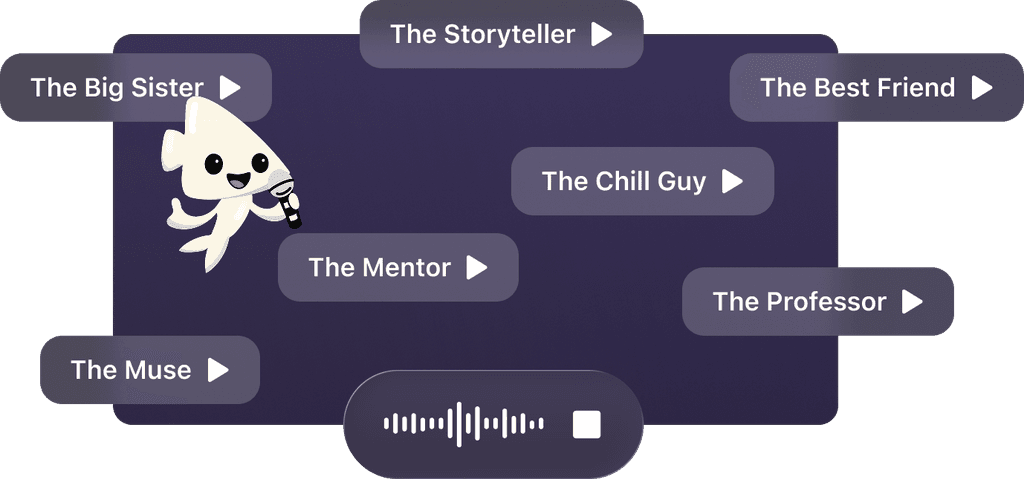
Senti il libro attraverso la voce dell'autore
Trasforma la conoscenza in spunti coinvolgenti e ricchi di esempi
Cattura le idee chiave in un lampo per un apprendimento veloce
Goditi il libro in modo divertente e coinvolgente
Personaggi di Poke The Box When Was The Last Time You Did Something For The First Time
- Seth GodinAuthor and proponent of taking initiative
- Annie DownsMocha Club member who started a new project
- Craig VenterBiologist used as a case study in creation
Temi chiave in Poke The Box When Was The Last Time You Did Something For The First Time
- taking initiative
- iterative experimentation
- shipping creative work
- overcoming perfectionism
- bias toward action
Citazioni da Poke The Box When Was The Last Time You Did Something For The First Time
Everything is waiting for someone to say 'go.'
Initiators won't rest until they do it themselves.
Standing still is actually moving backward.
Our economy now demands this same exploratory mindset.
Esplora il Tuo Modo di Imparare
 Modalità Riassunto Rapido
Leggi o ascolta il riassunto di Poke The Box When Was The Last Time You Did Something For The First Time in 9 minuti
Scomponi le idee chiave di Poke The Box When Was The Last Time You Did Something For The First Time in punti facili da capire per comprendere come i team innovativi creano, collaborano e crescono.

 Modalità Divertente
Lezioni da Poke The Box When Was The Last Time You Did Something For The First Time Raccontate in Storie di 17 Min
Vivi Poke The Box When Was The Last Time You Did Something For The First Time attraverso narrazioni vivide che trasformano le lezioni di innovazione in momenti che ricorderai e applicherai.
 Modalità Personalizza
Vivi Poke The Box When Was The Last Time You Did Something For The First Time nel tuo stile di apprendimento
Chiedi qualsiasi cosa, scegli il tuo stile di apprendimento e co-crea intuizioni che risuonano davvero con te.
Creato da alumni della Columbia University a San Francisco
"Instead of endless scrolling, I just hit play on BeFreed. It saves me so much time."


"I never knew where to start with nonfiction—BeFreed’s book lists turned into podcasts gave me a clear path."


"Perfect balance between learning and entertainment. Finished ‘Thinking, Fast and Slow’ on my commute this week."
"Crazy how much I learned while walking the dog. BeFreed = small habits → big gains."
"Reading used to feel like a chore. Now it’s just part of my lifestyle."

"Feels effortless compared to reading. I’ve finished 6 books this month already."
"BeFreed turned my guilty doomscrolling into something that feels productive and inspiring."

"BeFreed turned my commute into learning time. 20-min podcasts are perfect for finishing books I never had time for."
"BeFreed replaced my podcast queue. Imagine Spotify for books — that’s it. 🙌"

"It is great for me to learn something from the book without reading it."
"The themed book list podcasts help me connect ideas across authors—like a guided audio journey."
"Makes me feel smarter every time before going to work"
Creato da alumni della Columbia University a San Francisco
"Instead of endless scrolling, I just hit play on BeFreed. It saves me so much time."
"I never knew where to start with nonfiction—BeFreed’s book lists turned into podcasts gave me a clear path."
"Perfect balance between learning and entertainment. Finished ‘Thinking, Fast and Slow’ on my commute this week."
"Crazy how much I learned while walking the dog. BeFreed = small habits → big gains."
"Reading used to feel like a chore. Now it’s just part of my lifestyle."
"Feels effortless compared to reading. I’ve finished 6 books this month already."
"BeFreed turned my guilty doomscrolling into something that feels productive and inspiring."
"BeFreed turned my commute into learning time. 20-min podcasts are perfect for finishing books I never had time for."
"BeFreed replaced my podcast queue. Imagine Spotify for books — that’s it. 🙌"
"It is great for me to learn something from the book without reading it."
"The themed book list podcasts help me connect ideas across authors—like a guided audio journey."
"Makes me feel smarter every time before going to work"
"Instead of endless scrolling, I just hit play on BeFreed. It saves me so much time."
"I never knew where to start with nonfiction—BeFreed’s book lists turned into podcasts gave me a clear path."
"Perfect balance between learning and entertainment. Finished ‘Thinking, Fast and Slow’ on my commute this week."
"Crazy how much I learned while walking the dog. BeFreed = small habits → big gains."
"Reading used to feel like a chore. Now it’s just part of my lifestyle."
"Feels effortless compared to reading. I’ve finished 6 books this month already."
"BeFreed turned my guilty doomscrolling into something that feels productive and inspiring."
"BeFreed turned my commute into learning time. 20-min podcasts are perfect for finishing books I never had time for."
"BeFreed replaced my podcast queue. Imagine Spotify for books — that’s it. 🙌"
"It is great for me to learn something from the book without reading it."
"The themed book list podcasts help me connect ideas across authors—like a guided audio journey."
"Makes me feel smarter every time before going to work"
"Instead of endless scrolling, I just hit play on BeFreed. It saves me so much time."
"I never knew where to start with nonfiction—BeFreed’s book lists turned into podcasts gave me a clear path."
"Perfect balance between learning and entertainment. Finished ‘Thinking, Fast and Slow’ on my commute this week."
"Crazy how much I learned while walking the dog. BeFreed = small habits → big gains."
"Reading used to feel like a chore. Now it’s just part of my lifestyle."
"Feels effortless compared to reading. I’ve finished 6 books this month already."
"BeFreed turned my guilty doomscrolling into something that feels productive and inspiring."
"BeFreed turned my commute into learning time. 20-min podcasts are perfect for finishing books I never had time for."
"BeFreed replaced my podcast queue. Imagine Spotify for books — that’s it. 🙌"
"It is great for me to learn something from the book without reading it."
"The themed book list podcasts help me connect ideas across authors—like a guided audio journey."
"Makes me feel smarter every time before going to work"

Scarica il riassunto di Poke The Box When Was The Last Time You Did Something For The First Time
Ottieni il riassunto di Poke The Box When Was The Last Time You Did Something For The First Time in formato PDF o EPUB gratuito. Stampalo o leggilo offline quando vuoi.