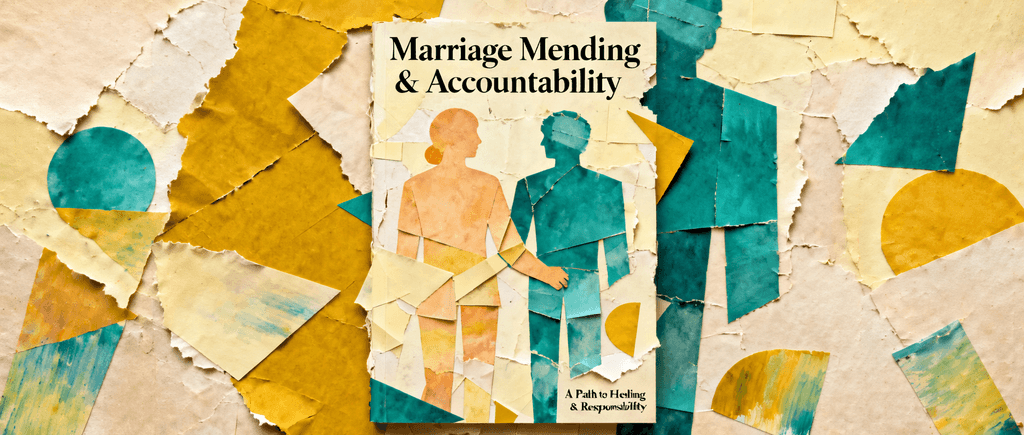
Dubbed "the godmother of infidelity research," Dr. Shirley Glass reveals why affairs happen in good marriages. Endorsed by Oprah and praised by therapists, this revolutionary guide introduces the "windows and walls" concept that transformed how couples navigate trust and boundaries.
Shirley P. Glass, psychologist and groundbreaking infidelity expert, authored the seminal relationship guide Not "Just Friends": Protect Your Relationship From Infidelity and Heal the Trauma of Betrayal.
A licensed marriage and family therapist with a PhD from Catholic University, Glass spent decades researching extramarital relationships, pioneering insights that redefined modern understanding of marital betrayal. Her work revealed counterintuitive findings, such as many affairs arising from emotionally intimate workplace connections rather than marital dissatisfaction.
Dubbed the "godmother of infidelity research" by The New York Times, Glass appeared on Oprah, Good Morning America, and NPR’s Fresh Air while consulting for publications like USA Today and Newsweek.
A breast cancer survivor who treated couples in her Baltimore practice, Glass combined clinical research with compassionate pragmatism, emphasizing recovery over moral judgment. Not "Just Friends" remains a cornerstone in relationship therapy, cited by professionals worldwide for its actionable frameworks to rebuild trust.
Not Just Friends examines how platonic friendships can escalate into emotional or physical affairs, even in committed relationships. Shirley P. Glass identifies vulnerabilities in partnerships, explores the trauma of betrayal, and provides actionable strategies for rebuilding trust and intimacy after infidelity. The book emphasizes boundary-setting and transparent communication to prevent future breaches.
This book is essential for couples navigating post-affair recovery, individuals seeking to safeguard their relationships, or therapists advising clients on trust restoration. It’s also valuable for anyone interested in understanding the psychological roots of emotional infidelity and preventive measures.
Yes, it’s highly recommended for its evidence-based approach to healing after betrayal. Readers praise its compassionate tone, practical exercises (like the Fishbowl Technique), and realistic guidance for reconciliation. Many credit it with saving marriages by addressing both emotional and practical aspects of recovery.
Emotional affairs involve secrecy, deep emotional intimacy, and shared thoughts typically reserved for a partner. Glass warns these relationships often start innocently but erode marital trust and may escalate to physical infidelity. Key indicators include prioritizing the friend over the spouse and hiding interactions.
The myth assumes love alone prevents infidelity. Glass argues partners must actively maintain boundaries, avoid risky situations (e.g., private meetings with attractive colleagues), and openly discuss vulnerabilities. Proactive measures, not just trust, are critical for safeguarding relationships.
Glass advises couples to jointly envision future milestones (e.g., raising children, retirement) while honoring shared positive memories. She stresses consistency in transparency and patience, as trust rebuilds incrementally through repeated reliable actions.
Some readers note the book lacks faith-based perspectives for those seeking spiritual reconciliation. Others caution its intensive exercises may overwhelm couples in early crisis stages. However, most praise its balance of research and practicality.
Glass argues emotional affairs often cause deeper relational damage due to their secrecy and emotional substitution. While physical affairs may be situational, emotional infidelity involves redirecting intimacy needs to a third party, destabilizing the primary bond.
With rising workplace and digital interactions, the book’s emphasis on boundary-setting resonates in an era where platonic connections can easily cross lines. Its strategies help couples navigate co-ed friendships, social media, and remote work challenges.
Senti il libro attraverso la voce dell'autore
Cattura le idee chiave in un lampo per un apprendimento veloce
The most dangerous affairs today aren't the stereotypical one-night stands.
Affairs reverse this pattern-creating walls of secrecy toward spouses.
The moment of discovery registers at the highest end of the emotional Richter scale.
They may feel resentment toward their spouse's 'snooping.'
The psychological burden of this double life eventually becomes overwhelming.
Chiedi qualsiasi cosa, scegli il tuo stile di apprendimento e co-crea intuizioni che risuonano davvero con te.
Creato da alumni della Columbia University a San Francisco
"Instead of endless scrolling, I just hit play on BeFreed. It saves me so much time."
"I never knew where to start with nonfiction—BeFreed’s book lists turned into podcasts gave me a clear path."
"Perfect balance between learning and entertainment. Finished ‘Thinking, Fast and Slow’ on my commute this week."
"Crazy how much I learned while walking the dog. BeFreed = small habits → big gains."
"Reading used to feel like a chore. Now it’s just part of my lifestyle."
"Feels effortless compared to reading. I’ve finished 6 books this month already."
"BeFreed turned my guilty doomscrolling into something that feels productive and inspiring."
"BeFreed turned my commute into learning time. 20-min podcasts are perfect for finishing books I never had time for."
"BeFreed replaced my podcast queue. Imagine Spotify for books — that’s it. 🙌"
"It is great for me to learn something from the book without reading it."
"The themed book list podcasts help me connect ideas across authors—like a guided audio journey."
"Makes me feel smarter every time before going to work"
Creato da alumni della Columbia University a San Francisco

Ottieni il riassunto di Not "just friends" in formato PDF o EPUB gratuito. Stampalo o leggilo offline quando vuoi.
Imagine waking up one morning to discover that the person sleeping beside you-your trusted partner of many years-has been living a double life. The revelation of infidelity strikes like lightning on a clear day, instantly transforming your world into an unrecognizable landscape. This is the devastating reality explored in Shirley P. Glass's groundbreaking work, which has become required reading for couples therapists and relationship experts worldwide. Oprah Winfrey once called it "the definitive book on infidelity," while renowned relationship researcher John Gottman considers it essential reading for understanding modern affairs. What makes this book particularly relevant today is its focus on how seemingly innocent friendships gradually transform into emotional and sexual betrayals-a pattern increasingly common in our interconnected world where boundaries between professional and personal relationships have blurred significantly.
The most dangerous affairs today aren't the stereotypical one-night stands with strangers but rather relationships that begin as innocent friendships. In Glass's clinical practice, 82% of unfaithful partners had affairs with someone who was initially "just a friend." This represents a fundamental shift in how infidelity develops in modern society. Unlike previous generations where extramarital relationships typically involved married men having casual sex with women of unequal status, today's affairs often develop between peers who work together, share interests, or belong to the same social circles. The progression is typically gradual-beginning with emotional sharing that should be reserved for spouses, creating what Glass calls "walls and windows" in relationships. When people build walls of privacy that exclude their spouses while opening windows of intimacy with friends, they've taken the first step onto a slippery slope. What makes these friendships-turned-affairs particularly destructive is their foundation in genuine emotional connection. They don't begin with sexual attraction but with mutual respect, shared interests, and intellectual stimulation. The emotional intimacy develops first, creating a bond that feels meaningful and significant. By the time physical boundaries are crossed, the participants already feel deeply connected. This pattern explains why many people caught in affairs genuinely believe they "didn't see it coming." The transition from appropriate friendship to inappropriate intimacy happens so gradually that the boundaries blur imperceptibly. A lunch with a colleague becomes a regular occurrence, conversations shift from professional matters to personal struggles, and soon they're sharing thoughts and feelings they no longer express at home. The workplace has become particularly fertile ground for affairs, with 62% of unfaithful husbands and 46% of unfaithful wives in Glass's practice having affairs with someone from work. When people collaborate on challenging projects, the shared accomplishment and adrenaline can be misinterpreted as attraction. The "cup of coffee syndrome" describes how casual breaks between colleagues gradually evolve into eagerly anticipated intimate conversations.
Glass introduces the powerful metaphor of "walls and windows" to explain how relationships become vulnerable to infidelity. In healthy marriages, partners maintain transparency with each other (windows) while establishing appropriate boundaries with others (walls). Affairs reverse this pattern-creating walls of secrecy toward spouses while opening windows of intimacy with affair partners. This reversal happens subtly. The unfaithful partner begins withholding small details about their friendship, perhaps omitting mentions of lunches or conversations. Meanwhile, they share increasingly personal information with their friend-work frustrations, childhood dreams, or marital disappointments. The emotional energy that should flow toward the spouse gets redirected toward the friend. Three red flags mark the threshold between friendship and emotional affair: deepening emotional intimacy (sharing private thoughts and vulnerabilities), increasing secrecy (hiding interactions from the spouse), and growing sexual chemistry (acknowledging mutual attraction even without acting on it). When these elements combine, the relationship has crossed into dangerous territory, even without physical intimacy. The transition from emotional to sexual affair often happens during periods of increased opportunity-business trips, conferences, or late-night work sessions. By this point, the emotional foundation is so strong that the physical step feels like a natural progression rather than a conscious choice to betray one's vows. What makes these affairs particularly devastating is how they compartmentalize the unfaithful partner's emotional life. They begin living a double life-maintaining their marriage while nurturing a parallel relationship. Some become skilled at mentally separating these worlds, fully engaging with whomever they're with at the moment. Others become "monogamous infidels" who emotionally invest primarily in the affair while their marriage becomes peripheral. The psychological burden of this double life eventually becomes overwhelming. Managing logistics (hiding communications, explaining absences, concealing expenses) consumes enormous energy. The emotional toll of maintaining two inauthentic relationships-neither of which knows the complete person-creates profound internal conflict, especially for those whose behavior contradicts their fundamental values.
The moment of discovery registers at the highest end of the emotional Richter scale-an earthquake that destroys the foundation of one's life. Whether through accidental discovery, confession, or confrontation, learning of a partner's betrayal creates profound trauma that shatters basic assumptions about the relationship, the partner, and even oneself. For the betrayed partner, discovery triggers intense physiological and psychological responses similar to post-traumatic stress disorder. Research shows that 24% develop severe anxiety, with another 18% experiencing panic-level anxiety. Thirty percent develop clinical depression. Their bodies remain in constant fight-or-flight mode, with symptoms including sleep disturbances, appetite changes, and difficulty concentrating. Emotionally, betrayed partners cycle unpredictably between irritability, emotional numbing, obsessive reviewing of events, relentless questioning, and rapidly shifting feelings-from wanting intimacy one moment to demanding distance the next. They become hypervigilant, transforming from relaxed, trusting individuals into suspicious "bloodhounds" investigating every detail of their partner's behavior. The severity of trauma depends on several factors: how discovery occurred (confession versus being caught), the extent of shattered assumptions, individual vulnerabilities, the nature of the betrayal (duration, emotional involvement, relationship with affair partner), and whether the threat continues. Double betrayals-where the affair partner was a friend, relative, or trusted individual-create particularly severe trauma by destroying multiple relationships simultaneously. For the unfaithful partner, discovery brings its own crisis-the fantasy bubble bursts, and they face the consequences of their actions. Many experience a reality jolt, suddenly panicking about losing their marriage. They may feel resentment toward their spouse's "snooping," impatience with ongoing questioning, and grief over ending the affair relationship. Research shows unfaithful wives experience more anxiety (32%) and depression (27%) than unfaithful husbands (10% and 14% respectively). The affair partner often faces the most uncertain future, having sacrificed other romantic opportunities for a relationship that may suddenly end. Studies show only 10% of affairs result in marriage to the affair partner, leaving many to recover alone without the support system available to the married couple.
Recovery from infidelity begins with establishing safety by reversing the walls and windows that enabled the affair. The unfaithful partner must completely end contact with the affair partner while opening windows of transparency with their spouse. This requires three critical steps: First, all contact with the affair partner must cease. If professional contact is unavoidable, it must be strictly limited to business matters with clear boundaries. The notion of remaining "friends" with an affair partner is problematic and prevents healing. When Dora refused to stop playing tennis with her lover despite wanting to save her marriage, her husband Dennis couldn't believe her commitment to rebuilding trust. Second, any unavoidable encounters with the affair partner must be shared with the spouse-preferably proactively, before being asked. Though counterintuitive, volunteering information about these encounters builds trust. When Ruth voluntarily disclosed a chance meeting with her former lover, explaining how she maintained appropriate boundaries, her husband Rudy felt she had given him "a gift" of transparency. Third, the unfaithful partner must become accountable for their whereabouts and communications. Rather than viewing this as controlling, it addresses a legitimate security issue. Calling when running late isn't curtailing freedom but addressing a partner's anxiety. The betrayed spouse experiences intense worry during unexplained absences, "picturing the rendezvous" just as parents worry about teenage drivers. During this initial stabilization period, couples must practice damage control by setting aside structured discussion times, avoiding midnight talks that deprive them of sleep, and taking time-outs when emotions erupt. While delaying full discussion of the affair, they should address concrete questions about who, what, where, and when to establish reality rather than exploring complex questions about motivations.
Contrary to conventional wisdom that suggests "the less said about the affair, the better," research strongly supports full disclosure. Peggy Vaughan's survey of 1,083 betrayed partners found that when unfaithful spouses answered all questions, 86% of couples remained married and 72% rebuilt trust; when they refused to answer questions, only 59% remained married and just 31% rebuilt trust. Complete disclosure serves three essential purposes: First, it rebuilds trust by replacing fiction with truth, helping betrayed partners make sense of what happened. After discovering Ralph's affair, Rachel needed to understand the timeline by scrutinizing calendars and questioning events. Sometimes persistent questioning reveals important missing pieces, as when Cliff's intuition led him to discover his wife's two-year affair rather than the "couple of times" she initially admitted. Second, disclosure releases the secret ties that bind the unfaithful partner to the affair. Forbidden relationships gain power from secrecy. Research shows that secret relationships become overvalued through thought suppression, which creates an irrational perspective and intensifies arousal. Once disclosed, the freedom to discuss the relationship diminishes the obsessive thoughts and excitement connected with the affair partner. Third, disclosure increases marital intimacy by removing barriers to genuine closeness. When hiding something significant, a person becomes guarded and artificial rather than authentic. Stan and Stella's story illustrates this-though they had acknowledged his affair that resulted in a child, they hadn't discussed the details. When they finally had an honest conversation about it, they reconnected physically for the first time in over a year. How couples discuss infidelity matters more than what specific details they share. A constructive process creates healing, while a destructive one deepens wounds. Couples typically progress through three distinct stages: "Truth Seeking" (adversarial interrogation), "Information Seeking" (neutral fact-gathering), and "Mutual Understanding" (empathic exploration of meaning).
After discovering infidelity, couples often confront the painful question of whether their marriage was fundamentally flawed. Despite the common belief that affairs only happen in troubled marriages, research shows infidelity occurs in happy marriages too. The truth contradicts mythic assumptions that love guarantees fidelity or that good marriages are safe from affairs. Understanding marital vulnerabilities doesn't excuse infidelity but helps prevent future betrayals. Several patterns often contribute to affair vulnerability: Sexual disconnection frequently precedes affairs. Generally, husbands desire greater frequency while wives prioritize emotional connection during sex. Unfaithful wives report more sexual dissatisfaction in their marriages than faithful wives, while surprisingly, unfaithful husbands enjoy marital sex as much as faithful husbands. The affair comparison is inherently unfair-comparing long-term marriage with forbidden excitement-yet reveals important insights. Inequitable relationships create vulnerability when one partner consistently feels they contribute more to the relationship than they receive. The partner investing less in the relationship finds it easier to stray, while the overinvested partner may eventually burn out and seek compensation elsewhere. Research shows unfaithful spouses perceive more equity in affairs than marriages, with 70% reporting equal understanding in affairs versus only 47% in marriages. Power struggles often manifest in affairs as attempts to correct imbalances. More powerful partners may feel entitled to indulge in affairs, while less powerful partners may have affairs to restore balance. Power shifts commonly occur when couples transition from peer relationships to traditional gender roles, especially when one partner becomes financially dependent on the other. Child-centered marriages create fertile ground for affairs. Parents who structure their lives entirely around children's needs neglect their romantic connection. Even anniversary dinners become discussions about vaccinations or school problems. Ralph and Rachel's marriage dissolved into work and family routines, with alternating schedules and their learning-disabled son's needs consuming all attention. Every couple develops predictable interaction patterns or "relationship dances" that can become inflexible and imprisoning. The parent-child dynamic features one partner taking a parental role while the other behaves more childlike. The saint-sinner dance casts one partner as morally superior while the other is perpetually flawed. The bully-sneak pattern involves one judgmental, intimidating partner while the other resorts to subterfuge. The demand-withdrawal cycle creates a lose-lose situation where reasonable requests escalate into coercive commands while subtle avoidance becomes overt resistance.
While relationship factors explain many affairs, they don't account for all infidelity, particularly when marriages are otherwise satisfying. Individual factors-including attitudes about monogamy, childhood experiences, attachment styles, and life transitions-create personal vulnerabilities to infidelity. Personal attitudes about monogamy strongly influence behavior, often more than marital happiness. People approach infidelity differently-some justify it beforehand ("I never refuse a gift"), while others feel deep regret afterward ("Nothing justified what I did"). Those with sexually permissive attitudes before marriage frequently maintain these attitudes afterward. Research shows 48% of women whose first sexual experience occurred at age fifteen or younger reported extramarital sex, compared to only 16% of those who first had sex after age twenty-one. Feelings of entitlement fuel many affairs, particularly among successful men who view extramarital sex as a privilege of their status. Like Arnold, a prosperous CEO who felt entitled to sexual conquests after being rejected as a "computer nerd" in his youth, these men often consider themselves happily married while restricting their wives from similar behavior. Childhood experiences create patterns that persist into adulthood. The "indulged child" feels entitled to do whatever they want. Men who perceive their mothers as pure often develop a "Madonna-whore complex," splitting women into virginal types for marriage and wild women for erotic sex. Some identify with the parent they perceived as victimized, others with the stronger one. Sadie, with a dominating, womanizing father and passive mother, vowed never to be like her mother. She became controlling and unfaithful, maintaining "first-strike capability" to avoid becoming a woman who stayed home weeping over a philandering husband. Attachment styles formed in early childhood significantly influence adult relationships. Children with secure attachments become adults who enjoy both emotional and physical intimacy. Those with anxious attachments develop patterns of either avoiding emotional closeness or becoming preoccupied with their partner's feelings. Those with dismissive attachment styles feel safest depending solely on themselves. Research found that dismissive men had twice as many affairs as men with other attachment styles-74% of married men with dismissive attachment had at least one affair. Life transitions trigger vulnerability as people question whether to continue as they are or make changes. Affairs can represent transitions to new identities, as with Ilene who had an affair with an atheist whose philosophy she enjoyed after questioning her husband's religious community's constraints. Midlife brings particular turmoil as people face disappointment over unmet expectations while juggling family responsibilities and health concerns.
Recovery from infidelity isn't linear-it follows a "four steps forward, one step back" pattern with occasional setbacks. Healing typically requires one to two years, with full closure unlikely until anniversary dates of discovery have passed. Each setback should be treated as a temporary roadblock and learning opportunity rather than a major breakdown. Completing unfinished business is essential-disposing of affair mementos, making decisive goodbyes to affair partners, and answering lingering questions. Physical reminders like gifts or places where infidelity occurred should be removed or repurposed. The betrayed spouse's need to understand the affair must be satisfied, even when questions seem repetitive, as each discussion may provide new insights in the healing process. Repairing the damage requires collaborative effort. Flashbacks and hypervigilance persist well into recovery, with minor triggers sparking painful memories. Unfaithful partners must evolve from causing hurt to soothing it, requiring unprecedented patience and caring. Trust rebuilding requires sustained effort from both partners, as innocence is a casualty of betrayal. Concrete evidence, not promises, restores trust. Trustworthiness demands specific behavioral changes, particularly stricter boundaries in situations that previously led to infidelity. Healing couples create new memories to overwrite traumatic ones, reclaiming territories, activities, and settings connected to the affair. Ken and Kris successfully reclaimed the annual convention where his affair began by attending together the following year. When they encountered his former affair partner in an elevator, Ken held Kris's hand through her momentary panic. Afterward, they talked through her questions, and now consider the convention their territory. Forgiveness represents the culmination of the healing journey-a gradual process of increasing compassion and reducing resentment. It comes when shattered assumptions have been reconstructed and the full extent of the betrayal is known. Forgiveness is not forgetting or pretending the betrayal didn't happen. It's not excusing or condoning the behavior. Forgiveness is a gift to yourself, freeing you from anguish and allowing you to move forward with a lighter step.
Understanding how affairs develop provides crucial insights for preventing infidelity. Seven essential facts about infidelity include: 1) Even happy marriages aren't immune to affairs; 2) The unfaithful partner may be giving too little at home rather than not getting enough; 3) Attraction to others is normal, but fantasizing about them is dangerous; 4) Flirting crosses the line by indicating receptivity; 5) Infidelity involves boundary violations, not just love or sex; 6) Sexual intimacy beyond intercourse still constitutes infidelity; and 7) Emotional affairs characterized by secrecy, intimacy and sexual chemistry can be more threatening than brief sexual encounters. Key prevention strategies include maintaining appropriate boundaries-open windows at home, privacy walls with potential threats. Recognize workplace dangers and avoid private meetings with attractive colleagues. Avoid emotional intimacy with attractive alternatives by discussing relationship issues at home or with marriage-friendly confidants. Keep old flames from reigniting by including your partner in any interactions. Maintain transparency with online friendships. Surround yourself with friends who support marriage and fidelity. The myth of the low-maintenance marriage must be dispelled. Just as careers require consistent effort, marriages need ongoing investment-you can't "just show up." Creating an intimate, safe relationship takes work like any worthwhile endeavor. Love alone isn't enough, nor is enjoying children or maintaining a home. Only conscious mutual efforts and wise decisions about commitments sustain a marriage. While some couples emerge from infidelity with stronger relationships than before, prevention remains far preferable to recovery. By understanding the architecture of betrayal-how walls and windows become misplaced, how innocent friendships cross boundaries, and how individual and relationship vulnerabilities create risk-couples can protect their relationships from the devastating impact of infidelity. The ultimate goal is to think of your spouse as your best friend while maintaining appropriate boundaries with others, preserving both your marriage and your friendships.
While many marriages survive infidelity, some end despite efforts to rebuild. It takes two people to make a marriage but only one to end it. Affairs lead to divorce through various routes: sometimes the affair is an exit from a dead marriage, sometimes unfaithful partners leave for their lovers, and sometimes betrayed partners leave because they can't trust again. The transition from married to single represents a tremendous adjustment, influenced by personal, social, and financial factors. Betrayed spouses often struggle with the apparent injustice of their situation. Despite their loyalty and support throughout the marriage, they frequently experience financial inequality. Research shows women's standard of living typically declines by 27% after divorce while men's increases by 10%. Starting over after divorce is challenging but doesn't mean starting from scratch. You enter this phase with greater self-knowledge and experience than when first married. The key is avoiding permanent entrapment in anger or bitterness. While betrayed partners have genuinely been victimized, abandoned partners often ultimately find better lives. The antidote is cultivating inner resources and goals, reaching out to friends and family, joining support groups for separated people, and considering professional help when needed. Survivors of infidelity recover in vastly different ways. Some heal completely and walk with more joy than before, while others remain visibly wounded. Nancy remained permanently distant from men, unable to trust after being thoroughly deceived in her twenty-year marriage. Kimberly rebuilt her life through her love of bridge, eventually finding a new partner who shares her interests. Evan married Elizabeth after his first wife's betrayal, creating the family-centered life he'd always wanted. Heather remarried at 75, twenty-eight years after divorcing her alcoholic, unfaithful high school sweetheart. True healing comes from letting go of hurt and anger, whether through religion, friendships, children, good causes, therapy, or the foundation of a happy childhood. Living a joyful life is the sweetest revenge. The goal is reaching emotional detachment-not hatred, but indifference. The catalyst for this healing process is forgiveness-not for the betrayer's benefit, but as a gift to yourself that sets you free.
The ultimate goal in committed relationships is to think of your spouse as your best friend while maintaining appropriate boundaries with others. Rich friendships outside marriage remain important for a full life, but they must respect the primacy of the marital relationship. Glass's own life demonstrates how to maintain deep friendships while respecting marriage sanctity. For twenty-five years she maintained a professional partnership with Dr. Tom Wright without discussing personal marital matters or creating compromising situations. Meanwhile, her marriage to her high school sweetheart lasted over forty years with them regarding each other as best friends. A successfully reconstructed marriage shows six key characteristics: compassionate communication, mutually desired sexuality, flexible interactions with shared intimacy and respect, resolved conflicts, equal investment in the relationship, and a united front with a shared understanding of monogamy. Whether healing together or alone, the journey through infidelity ultimately leads to greater self-awareness and stronger boundaries. By understanding the complex factors that create vulnerability to affairs, individuals can make conscious choices about their relationships, creating connections that provide both security and growth. The pain of betrayal, while devastating, can ultimately lead to deeper understanding of oneself and more authentic relationships-whether within the marriage or in a new chapter of life.