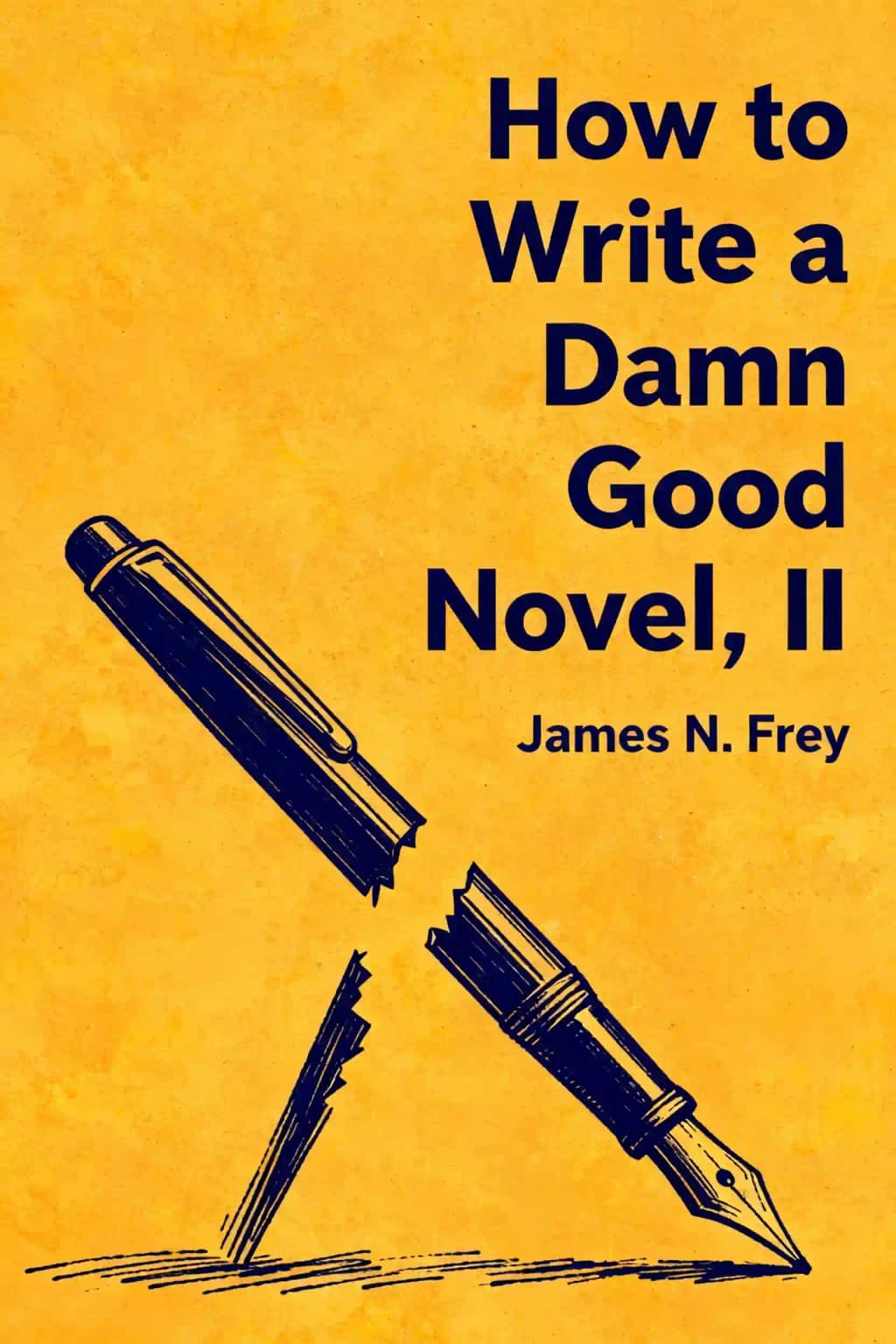
Master storyteller James N. Frey's sequel delivers advanced techniques that transformed countless manuscripts into bestsellers. Nominated for the prestigious Edgar Award, Frey reveals the secrets that made one reader declare, "It changed the way I write, and think about stories." Your breakthrough awaits.
Senti il libro attraverso la voce dell'autore
Trasforma la conoscenza in spunti coinvolgenti e ricchi di esempi
Cattura le idee chiave in un lampo per un apprendimento veloce
Goditi il libro in modo divertente e coinvolgente
Fiction isn't just storytelling-it's hypnosis. When Stephen King describes his craft, he speaks of inducing a trance state so powerful readers forget they're reading at all. This "fictive dream," as James N. Frey calls it, transports readers into an alternate reality where your characters breathe and your settings materialize around them. Unlike nonfiction that informs, fiction transforms consciousness. When readers are fully transported, the real world evaporates-they're living inside your story. Creating this dream state requires specific sensory details that appear on the mind's viewing screen. When you write, "He walked into the silent garden at sundown and felt the soft breeze through the holly bushes, the scent of jasmine strong in the air," you're not just describing-you're conjuring reality. This is why "showing" rather than "telling" matters so deeply. Telling forces analytical thinking; showing creates experience. The path to reader transportation begins with sympathy. Contrary to conventional wisdom, characters don't need to be admirable-they need to evoke pity. Place them in situations of suffering, humiliation, or danger, and readers will care. This is why great novels introduce characters at vulnerable moments: Jean Valjean starving, Elizabeth Bennet snubbed, Raskolnikov in poverty. Even despicable characters win our hearts when we see their suffering.
Scomponi le idee chiave di How to Write a Damn Good Novel, II in punti facili da capire per comprendere come i team innovativi creano, collaborano e crescono.
Distilla How to Write a Damn Good Novel, II in rapidi promemoria che evidenziano i principi chiave di franchezza, lavoro di squadra e resilienza creativa.

Vivi How to Write a Damn Good Novel, II attraverso narrazioni vivide che trasformano le lezioni di innovazione in momenti che ricorderai e applicherai.
Chiedi qualsiasi cosa, scegli la voce e co-crea spunti che risuonino davvero con te.

Creato da alumni della Columbia University a San Francisco
"Instead of endless scrolling, I just hit play on BeFreed. It saves me so much time."
"I never knew where to start with nonfiction—BeFreed’s book lists turned into podcasts gave me a clear path."
"Perfect balance between learning and entertainment. Finished ‘Thinking, Fast and Slow’ on my commute this week."
"Crazy how much I learned while walking the dog. BeFreed = small habits → big gains."
"Reading used to feel like a chore. Now it’s just part of my lifestyle."
"Feels effortless compared to reading. I’ve finished 6 books this month already."
"BeFreed turned my guilty doomscrolling into something that feels productive and inspiring."
"BeFreed turned my commute into learning time. 20-min podcasts are perfect for finishing books I never had time for."
"BeFreed replaced my podcast queue. Imagine Spotify for books — that’s it. 🙌"
"It is great for me to learn something from the book without reading it."
"The themed book list podcasts help me connect ideas across authors—like a guided audio journey."
"Makes me feel smarter every time before going to work"
Creato da alumni della Columbia University a San Francisco

Ottieni il riassunto di How to Write a Damn Good Novel, II in formato PDF o EPUB gratuito. Stampalo o leggilo offline quando vuoi.