Capitolo 1
The Healing Wisdom of Sustainable Farms
When Wendell Berry welcomed me to his Kentucky farm, he understood my mission before I did myself. "You doctors who kicked over the traces interest me a lot," he said from his porch rocker. "There are a lot of doctors who are suffering pretty badly because of that collision of technology with flesh." His words crystallized my growing discomfort with conventional medicine's limitations. As a physician seeking alternatives to our fragmented healthcare approach, I never expected to find answers in sustainable agriculture.
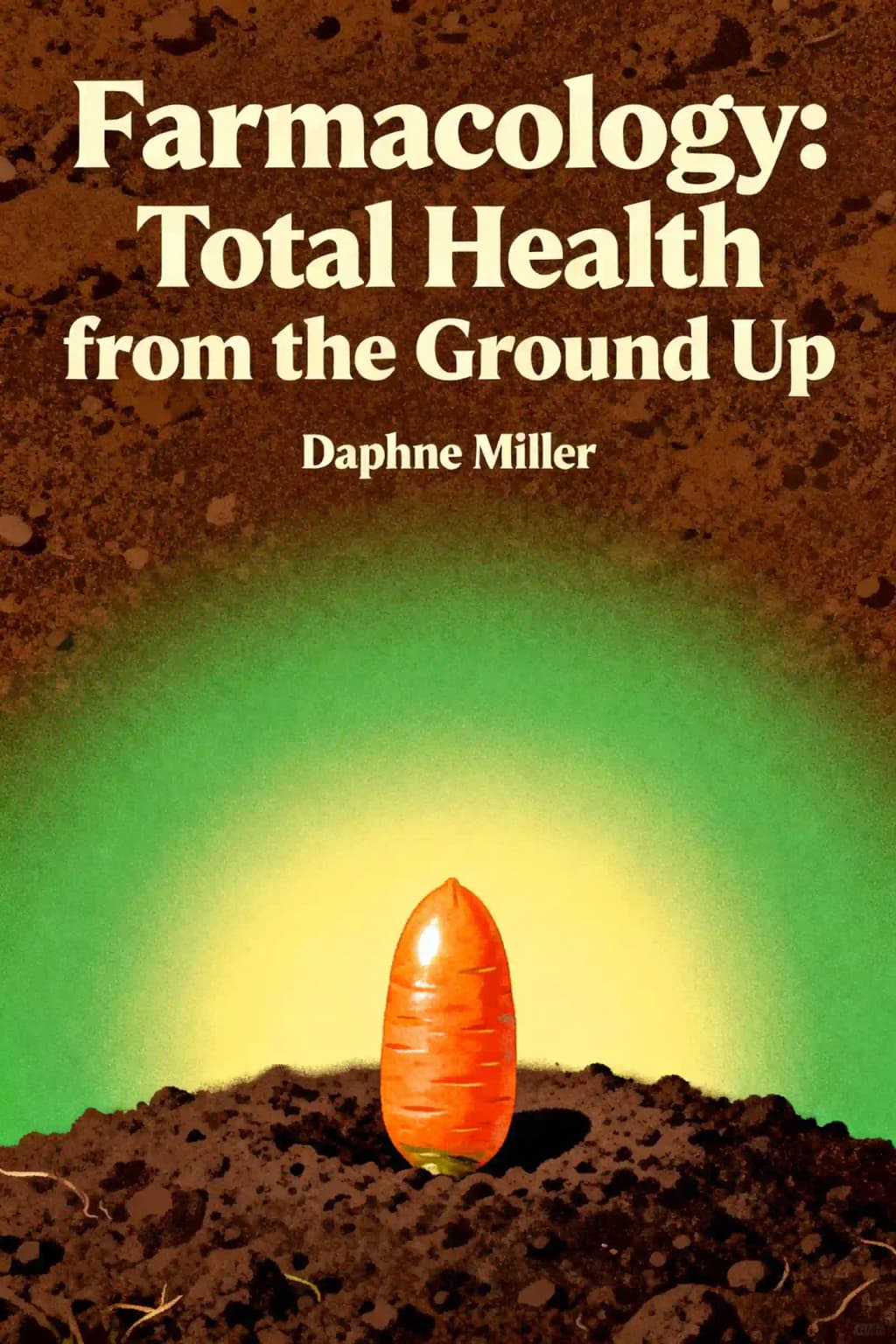
"Farmacology" has become something of a phenomenon since publication, praised by Michael Pollan as "a brilliant prescription for human health" and featured in publications from The New York Times to Prevention Magazine. The book's revolutionary premise-that ecological farming principles offer profound insights for human health-has resonated with readers seeking holistic approaches to wellness. What began as my personal exploration has sparked a movement connecting sustainable agriculture with preventive medicine, influencing everything from medical school curricula to hospital food systems.
Capitolo 2
When Soil Health Becomes Human Health
The journey began at Jubilee Biodynamic Farm in Washington state, where farmer Erick Haakenson showed me a handful of rich, cocoa-colored soil with perfect "tilth"-moist, lively with microorganisms, with a texture like pastry dough. "It's kind of like good Chi or good health," explained fellow worker John. "You have a hard time describing it, but you know it when you see it. You can look at your patients and tell when they have it. Well, it's the same for us as farmers."
This soil hadn't always been healthy. Erick's neighbor described the land when purchased as "a mess" with old tires, concrete chunks, and invasive plants-"like starting with an old fat man and trying to get him into shape." Concerned about growing nutrient-dense food, Erick initially immersed himself in agricultural science, particularly the work of soil pioneer William Albrecht who proposed an ideal "golden mean" ratio of soil nutrients.
His thick folders of soil analysis reports looked remarkably like medical lab results, with columns listing minerals, test results, and normal ranges. This reminded me of my patient Allie, a physical embodiment of Jubilee's former depleted state. Though only forty, she looked fifteen years older, with sad eyes and chronic fatigue. Despite identifying minor deficiencies in vitamin B12, D, and iron through extensive medical testing, her health continued declining despite treatments and supplements.
While tending pea vines at Jubilee, I noticed incredible diversity beneath my feet-hundreds of different weeds with varying root depths and nutrient needs. I wondered how standardized soil tests could possibly gauge this complex ecosystem's needs. Similarly, could Allie's battery of medical tests truly capture what was wrong with her as a whole person?
Over dinner, Erick confessed his disillusionment with the "test and replace" approach to soil health. He had spread fifty tons of imported minerals following lab recommendations, yet saw minimal improvement. This mirrored Allie's situation perfectly-she arrived at my office with shopping bags full of supplements that hadn't improved her condition, reflecting disappointing results of large clinical studies showing supplements rarely improve health and sometimes cause harm.
What truly transformed Jubilee's soil was switching to biodynamic farming, which emphasizes interconnections between physical, spiritual, and living systems. I witnessed this cycle firsthand: cows consume grass, converting it through their complex microbiota. The microbes process plant material into nutrients while protecting intestinal health. This continues as manure returns to soil, where soil microbiota transform it into rich humus that nourishes plants, boosting immunity and delivering perfectly chelated nutrients.
This explained why Erick abandoned "test and replace" methods-his thriving soil ecosystem naturally provides what synthetic additives cannot. Research confirms biodynamic fields have higher microbial biomass, require 20-50% less fertilizer, and maintain better soil health than conventional or even standard organic fields.
Capitolo 3
The Microbiome Revolution: Our Inner Ecosystem
Standing among healthy cows, I realized my patient Allie's vitamin deficiencies might stem from her disconnection from natural farm cycles. Stanford researcher Justin Sonnenburg explained that gut microbes function like a newly discovered organ, potentially more therapeutically accessible than our genome since "you can change a microbiome in a day."
His team demonstrated this by transplanting microbes from obese mice to lean ones, causing the recipients to gain weight without changing their diet. Rather than viewing our gut bacteria as isolated systems, new metagenomic sequencing reveals constant interaction with environmental microbes.
Research comparing Italian and Burkina Faso children's gut bacteria showed striking differences. The Boulpon children from Burkina Faso, who ate locally-grown, plant-based foods similar to what our ancestors ate, had more diverse gut bacteria with Bacteroidetes and Actinobacteria that excel at extracting nutrients from unprocessed foods and offer protective functions. By contrast, the Florence children had more Firmicute and Proteobacteria-"Homer Simpson bacteria" that thrive on fats and sugars, store calories efficiently, and tend to be more inflammatory.
When I asked Justin about helping Allie shift her microbiota without moving to a farm, he admitted the complexity of the challenge. While biomedical research might eventually find perfect tests and treatments, for now, the most promising approach was being practiced by farmers like Erick using eco-cycles to bring health to animals, soil, and community.
Allie and I developed a five-step plan to improve her health by connecting her to sustainable agriculture while remaining in the city: investing in farm-fresh foods from sustainable sources, eating for biodiversity with seasonal produce and primitive grains, embracing "dirty" produce from healthy farms that might introduce beneficial bacteria, avoiding chemicals that destroy beneficial microbes, and engaging directly with nature through community gardening.
Four months later, Allie had stopped almost all medications except a low-dose antidepressant and was feeling well for the first time in years. Though I wondered which aspect of her farm-connected lifestyle had made the difference, follow-up labs showed all her previously low nutrients had returned to normal levels.
Capitolo 4
Parenting Wisdom from a Cattle Ranch
In Missouri's Ozarks, I met Cody Holmes, a practical cowboy-turned-holistic rancher who had transformed his conventional cattle operation after realizing that increasing expenses for hormones, vaccines, fertilizers and feed weren't matched by beef prices. With his wife Dawnnell as catalyst, they "quit cold turkey" on conventional inputs, redesigning their entire system to leverage soil microbes as free labor. The transition wasn't easy - they faced skepticism from neighboring ranchers and initial setbacks as their land adjusted to the new management style.
Ten years later, they were seeing remarkable results: healthier soil with significantly higher organic matter content, cleaner water running crystal clear in their streams, and most impressively, zero calf mortality-a claim so extraordinary that university experts accused them of lying. The soil improvement was visible in the diversity of plants now growing naturally, including native grasses and herbs that had been absent for decades. Cody described weaning time on standard ranches as "singularly tragic," with calves separated from mothers at six to eight weeks, resulting in stress, illness, and 5-7% mortality rates. The conventional practice often led to calves losing weight, developing respiratory infections, and requiring antibiotic treatments.
After converting to bison-style grazing, which mimics natural herd movements, Cody experimented with keeping calves with their mothers and the herd. His non-weaning program proved successful: calf mortality dropped to near zero, fertility rates improved by 25%, and calves grew into healthier eaters who sought out nutritious plants. The calves learned to identify medicinal herbs and showed natural resistance to parasites. "I cannot teach a calf how to graze," Cody explained, "but I can offer the mother the opportunity to teach her calf how to graze." He observed that calves would mirror their mothers' grazing patterns, learning which plants to eat and when.
This wisdom parallels human development research by Julie Mennella, who studies how early life experiences shape food preferences. Her research shows that exposure to flavors begins in the womb, as babies taste foods through amniotic fluid, with taste buds fully functional by the second trimester. Breast-fed babies generally develop more expansive palates than formula-fed ones because they experience the flavors of their mother's diet, creating early familiarity with diverse tastes. Her studies demonstrated that infants whose mothers consumed carrots during pregnancy showed less negative reactions to carrot-flavored cereals.
The weaning period is equally critical-children exposed to bitter vegetables early and often, and in varied combinations, are more likely to accept them long-term. Mennella's research found that it takes an average of 8-10 exposures for a child to accept a new food. Environmental factors matter too: family meals, pleasant eating environments, and parents modeling vegetable consumption all encourage healthier eating habits. Studies show children are 40% more likely to eat vegetables when they regularly see their parents doing so.
When I applied these insights to a 22-month-old patient named Frankie with chronic allergies, eczema and recurrent ear infections, I recommended a multipronged approach: minimizing antibiotics to preserve beneficial microbes, farm exposure through regular visits to local farms, drinking less processed milk, eating varied whole foods, introducing specific probiotic strains, and encouraging his parents to model good eating habits. Within three months, Frankie's eczema had improved significantly, and his ear infections became less frequent, demonstrating the powerful connection between early environmental exposure and health outcomes.
Capitolo 5
Stress Management Lessons from Pastured Chickens
In Arkansas, I discovered how stress management principles could be observed through egg farming. Gary Cox had found renewed purpose after converting from conventional egg production to establishing Heartland Egg-Arkansas's first commercial-scale, pasture-based egg facility. This natural system created a virtuous cycle: less stressed birds produced better eggs, making him happier while remaining economically viable.
Comparing neighboring operations revealed profound differences. Arkansas Egg's conventional facility housed 15,000 beak-trimmed hens in dim, ammonia-reeking conditions. Despite a small yard available, few birds ventured outside. In contrast, Heartland Egg featured emerald-green surroundings, fresh air, intact beaks, and birds engaged in natural behaviors: dust-bathing, pecking for worms, and socializing under sun canopies.
These contrasting environments mirrored two patients, Mike and Carl. Both men were in their mid-forties, married with two kids, worked corporate jobs requiring extensive travel, and caught swine flu during the 2009 epidemic. However, Mike developed pneumonia requiring hospitalization and took months to recover, while Carl bounced back within a week.
Stress researcher Bruce McEwen explained that while Heartland hens faced intense but fleeting threats, they could efficiently mobilize their stress response without experiencing "allostatic overload." In contrast, Arkansas Egg hens endured chronic, low-grade stressors: poor air quality, mites, insomnia from crowding, cramps from inactivity, and beak-trimming pain. Most damaging were the socio-emotional stressors-social isolation despite crowding and loss of "behavioral freedom."
Carl faced challenges that triggered brief allostatic responses, but these stressors were intense yet short-lived. McEwen placed Carl on the healthy side of the "U-shaped curve" of stress, where brief hormone surges can actually be beneficial. Mike, however, lived on the unhealthy end, enduring chronic low-grade stressors: sleep deprivation, sedentary lifestyle, poor diet, back pain, disrespect, social isolation, and feelings of limited choice.
One detail puzzled me: Arkansas Egg's indoor hens laid about 20% more eggs than Heartland's pastured hens. This productivity difference seemed to contradict the stress theory. The explanation? Confined hens, having nothing better to do, ate constantly-like humans who stress-eat when bored. Indoor operations also manipulated lighting to trick hens into hyperproductivity. Meanwhile, pastured hens stayed active foraging and socializing, sometimes skipping meals and burning more calories.
Looking at the bigger picture, pastured eggs had superior nutritional value, harder shells with fewer breakages, and avoided health problems. The narrow focus on quantity over quality mirrored the shortsighted human productivity model that sacrifices long-term wellness for short-term gains.
Capitolo 6
Cancer Treatment Insights from Vineyard Management
At Scribe Winery in Sonoma, I discovered remarkable parallels between sustainable viticulture and cancer treatment. Winemaker Andrew Mariani's journey of understanding his vineyard as a complex ecosystem began with costly mistakes, like the infamous rattlesnake incident where eliminating these predators led to an explosion in the gopher population that devastated his precious vines. This early lesson demonstrated how disrupting natural balances can have far-reaching consequences.
Viticulturist Jeff Wheeler's description of Scribe as "a very complex insectory" reflects a sophisticated understanding of ecological interconnections. His integrated pest management approach orchestrates multiple elements into a harmonious whole: ancient oak forests provide habitat for beneficial insects, carefully selected native plants attract pollinators, strategic vegetable gardens create biodiversity, free-range poultry control insects naturally, owl boxes host predators for rodent control, and even carefully managed weeds between vine rows serve specific purposes like erosion control and beneficial insect habitat. Unlike conventional vineyards managed through remote sensing and automated systems "from a rolled-down truck window and a computer," Jeff's approach involves daily walking the land, touching the soil, observing plant health, and noting subtle changes in the ecosystem's balance.
This ecological wisdom has found an unexpected champion in radiologist Bob Gatenby at Tampa's Moffitt Cancer Center, who has developed revolutionary cancer treatment strategies directly inspired by vineyard management principles. His first strategy, "Boosting Beneficials," emphasizes strengthening the body's natural defense systems. This includes optimizing sleep patterns through consistent schedules and dark environments, prescribed exercise regimens tailored to patient capability, plant-based diets rich in anti-inflammatory compounds, and structured stress management through meditation and social support networks.
Gatenby's second approach introduces "evolutionary double binds" for cancer cells, cleverly forcing them into evolutionary traps. By applying specific pressures, cancer cells are compelled to adapt in ways that either reduce their reproductive capacity or make them more vulnerable to targeted treatments. This mirrors how vineyard managers can influence pest populations to evolve in less harmful directions.
The "seed and soil hypothesis" forms his third strategy, focusing on creating an internal environment hostile to cancer cell proliferation. This involves maintaining low blood sugar levels through dietary control, promoting alkaline conditions through specific food choices, emphasizing cruciferous vegetables and other cancer-fighting foods, and increasing physical activity to improve cellular metabolism.
His groundbreaking "adaptive therapy" approach represents perhaps the most significant parallel to sustainable agriculture. Rather than bombing the system with maximum doses of chemotherapy, treatment is carefully calibrated and adjusted every three days based on tumor response. In groundbreaking studies with rat models, this method maintained tumors at static levels indefinitely, while conventional maximum-dose approaches led to aggressive growth and metastasis as resistant cells emerged and proliferated.
This paradigm shift in cancer treatment thinking - viewing cancer as a manageable presence rather than an invader to be eliminated - mirrors sustainable agriculture's approach to pest management. Just as vineyards thrive through careful balance rather than attempted elimination of all pests, human bodies might better manage cancer through sophisticated, adaptive approaches that work with rather than against biological systems. This perspective of cancer as a chronic condition to be contained rather than eliminated completely challenges traditional treatment models and opens new possibilities for long-term cancer management.
Capitolo 7
Urban Farming as Community Medicine
In the heart of the Bronx, I met Karen Washington, who had transformed trash-filled vacant lots into thriving community gardens. What began as a response to neighborhood blight had evolved into powerful preventive medicine addressing the borough's high rates of diabetes and heart disease.
Stepping inside her Garden of Happiness, I felt an immediate calming effect. Beyond vegetables and chickens, I noticed a 9/11 shrine, colorful sheds, picnic tables, and party lights-evidence that this was more than just a food source but a gathering place where the community came to grieve, laugh, cook, play cards, and connect.
At the weekly Mid-Bronx Farmers' Market, I witnessed how this urban farm network served multiple health functions. Shirley Edwards, the market treasurer, had lost weight from eating more vegetables, gained energy, and reconnected with her Puerto Rican heritage through involvement with La Familia Verde. The market made produce affordable through various food subsidy programs, offering only healthy options conveniently located where people naturally passed by.
I met three remarkable octogenarians tending plots at La Familia, all looking decades younger than their age. Research confirms that gardening offers special benefits to older adults-reducing falls, depression and dementia while providing physical activity that maintains balance, strength and mental acuity.
School-age boys eagerly took up hoes to weed, with one pausing to eat something from a vine. These sensual experiences of eating fresh produce could translate into lifelong healthy eating habits. Studies showed children who ate from local farm stands were more likely to consume fruits and vegetables with every meal, with this behavior spreading like a positive contagion throughout communities.
Beyond nutrition, the garden network fostered entrepreneurship as community members developed small businesses selling homemade foods. Karen explained how the farmers' market had transformed Tremont Park from a drug-dealing hotspot to a safe community space. Sociologist Robert Sampson's research revealed that what made the biggest difference in neighborhood crime rates wasn't economic status but "collective efficacy"-a community-wide belief that members could make a difference by working together.
Everything I witnessed at La Familia Verde-multigenerational collaboration, storytelling, shared meals, business incubation, political discussions, physical labor, neighborly kindness, volunteerism, family traditions, self-sufficiency, agency partnerships, youth involvement-all sparked this collective efficacy that led to reduced crime, less dementia, lower body mass, and increased vegetable consumption.
Capitolo 8
Beauty Secrets from Herbal Farming
My journey concluded at Morning Myst Farm in Washington State, where silver-haired herb farmer Annie Harman distilled aromatic plants into hydrosols-plant-based water extracts with remarkable healing properties. My interest had begun with a personal vanity crisis: a melasma on my upper lip that I'd treated with harsh chemicals, resulting in a beefy red, bumpy rash spreading across my face.
After failed conventional treatments, I discovered hydrosols soothed my irritated skin without stripping its protective layer. This experience made me realize how closely skin mirrors soil in structure and function, both having protective layers, microorganisms, and responsibility for exchanging nutrients with the outside world.
Annie explained that while essential oils contain only fat-soluble molecules, hydrosols represent the entire plant, both water-soluble and fat-soluble components. These aqueous solutions match our skin's pH perfectly, making them ideal for absorption. She cautioned against isolating specific compounds, noting that the pharmaceutical approach often misses the synergistic effects of whole plant medicine.
Annie demonstrated this by showing me two yarrow hydrosols-one straw-colored, one deep blue-from identical plant species grown in different environments, highlighting how growing conditions profoundly affect a plant's healing properties. She invoked the medieval concept of viriditas-"green-ness"-to describe the life force captured in hydrosols, something beyond chemical analysis yet central to their effectiveness.
Research on "deep homology" revealed that the mevalonic pathway, which produces aromatic compounds, exists in all life forms from ancient single-cell organisms to plants and humans. This explains why humans have more genes for smell reception than any other sense, and why plant compounds can affect us so profoundly. We are "born to receive and diffuse aromatic molecules"-plants are our distant cousins, and viriditas might represent the sum of chemical messages we exchange with our environment.
Annie believed in using "your local pharmacopoeia" as "your best medicine," echoing Wendell Berry's advice to "consult the genius of the place." This approach makes environmental sense, but I suspected deeper benefits related to human-plant co-evolution. Perhaps we are all forging these relationships with our environment without even knowing it.
Capitolo 9
Farming as a New Model for Medicine
My immersion in the world of sustainable agriculture transformed my understanding of human health in ways that fundamentally challenged conventional medical thinking. First, I learned that successful farmers prioritize the health of the farm ecosystem over any individual product. Just as farmers focus on soil health rather than just crop yield, recognizing that nutrient-rich soil naturally produces abundant crops, human health requires shifting focus from isolated symptoms to the whole-person ecosystem. This means considering not just physical symptoms, but emotional well-being, social connections, environmental factors, and lifestyle patterns that contribute to overall health.
Second, eco-farmers aren't anti-technology but use innovations that support natural systems rather than disrupting them-what might be called "integrated patient management" in healthcare. For example, they might employ sophisticated moisture sensors while maintaining natural drainage patterns, or use targeted biological controls instead of broad-spectrum pesticides. In healthcare, this translates to using advanced diagnostics and treatments while supporting the body's natural healing mechanisms, rather than solely relying on pharmaceutical interventions.
Third, I identified three vital signs of resilient systems: diversity, synergy, and redundancy-qualities rarely discussed in conventional medicine but essential to health. Diversity in farming means growing multiple crop varieties and maintaining beneficial insects; in health, it means nurturing various aspects of wellness, from physical exercise to mental stimulation. Synergy appears when different elements work together, like companion planting in agriculture or the interaction between diet, exercise, and stress management in human health. Redundancy provides backup systems-just as farms maintain multiple water sources, our bodies need multiple support systems for crucial functions.
Fourth, I discovered many scientists already thinking like "medical ecologists," representing a new frontier in health research. These researchers study the human microbiome, chronobiology, and environmental medicine, recognizing that health emerges from complex interactions between our bodies and our environment. Their work shows how factors like circadian rhythms, gut bacteria, and environmental exposures profoundly influence our well-being.
By creating a personal "health map" showing all the "conversations" contributing to our wellness-from external relationships with people, groups, environments and activities to internal bodily functions and their interconnections-we can identify thriving areas and those needing rebalancing. This mapping process might reveal how sleep patterns affect immune function, or how social connections influence stress levels and physical health. With healthcare providers who think ecologically, we can transform our unsustainable healthcare system just as conscious consumers have helped nurture a network of healthy farms.
As Wendell Berry observed from his Kentucky porch, the collision of technology with flesh has created suffering. But by learning from the wisdom of sustainable farms, we can find a more harmonious path to health-one that honors the complex, interconnected nature of our bodies and the world around us. This approach recognizes that true health emerges from balanced, resilient systems rather than quick fixes and isolated interventions.