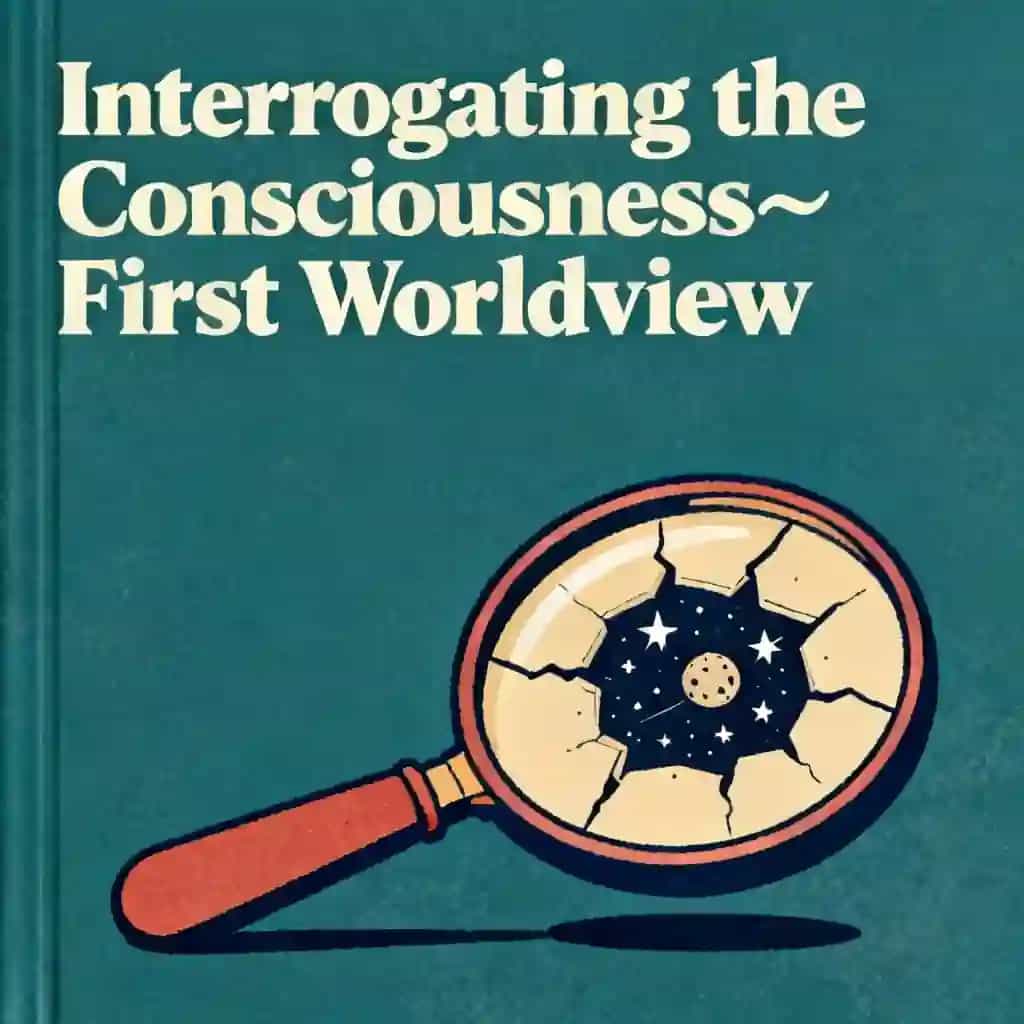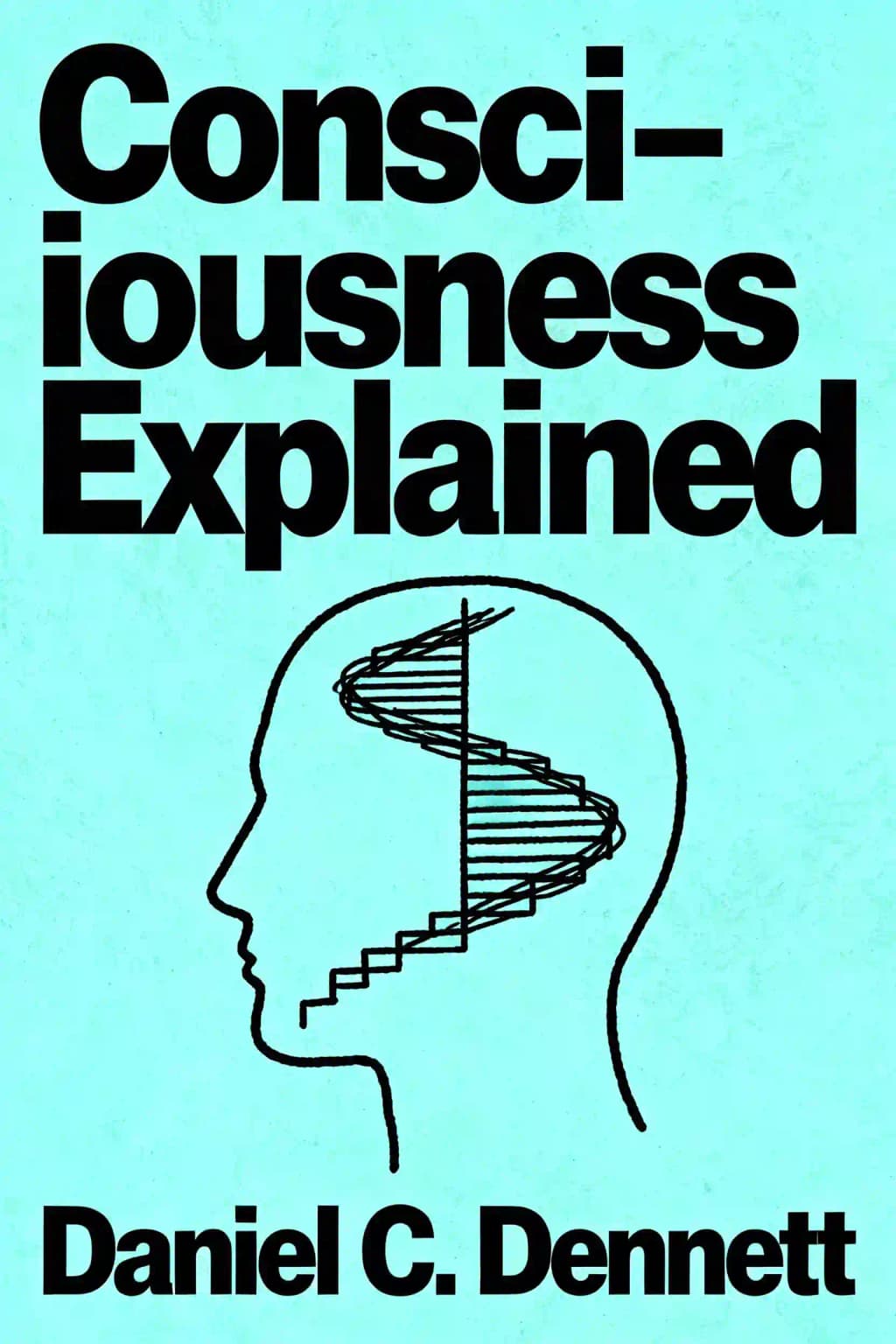
In "Consciousness Explained," Dennett dismantles the mind's greatest mystery. Richard Dawkins praised its "torrent of stimulating thoughts" while Scientific American called it "the best philosophical work in decades." Can consciousness truly be explained, or is Dennett's radical theory just beginning the conversation?
Senti il libro attraverso la voce dell'autore
Trasforma la conoscenza in spunti coinvolgenti e ricchi di esempi
Cattura le idee chiave in un lampo per un apprendimento veloce
Goditi il libro in modo divertente e coinvolgente
Imagine waking up tomorrow to discover there's no central "you" inside your head - no mental control room where consciousness happens, no inner observer watching a private mental movie. This isn't science fiction; it's the startling conclusion of Daniel Dennett's revolutionary work. The intuitive model most of us carry - that consciousness occurs in a specific place in our brain where all sensory information comes together - is what Dennett calls the "Cartesian Theater," and it's completely wrong. This misconception creates an infinite regress: if there's a "viewer" watching the show in your mind, who's watching inside that viewer's mind? Another smaller viewer? The absurdity becomes clear. Instead, consciousness emerges from multiple parallel processes distributed throughout the brain, with no central headquarters where "it all comes together." Your brain doesn't create a single, definitive version of reality - it generates multiple "drafts" simultaneously. Think of consciousness as more like Wikipedia than a printed encyclopedia; it's constantly being edited from multiple sources with no final, authoritative version. This explains puzzling phenomena like the phi effect, where two different colored dots flashed in sequence appear to change color mid-movement. Your brain isn't sending information backward in time; it's simply making its best interpretation after receiving all relevant information. When you "become aware" of something isn't a precise moment but emerges from distributed processes occurring over hundreds of milliseconds. Ask yourself: exactly when did you become conscious of the last sentence you read? The question itself assumes a false model of how consciousness works.
Scomponi le idee chiave di Consciousness Explained in punti facili da capire per comprendere come i team innovativi creano, collaborano e crescono.
Distilla Consciousness Explained in rapidi promemoria che evidenziano i principi chiave di franchezza, lavoro di squadra e resilienza creativa.

Vivi Consciousness Explained attraverso narrazioni vivide che trasformano le lezioni di innovazione in momenti che ricorderai e applicherai.
Chiedi qualsiasi cosa, scegli la voce e co-crea spunti che risuonino davvero con te.

Creato da alumni della Columbia University a San Francisco
"Instead of endless scrolling, I just hit play on BeFreed. It saves me so much time."
"I never knew where to start with nonfiction—BeFreed’s book lists turned into podcasts gave me a clear path."
"Perfect balance between learning and entertainment. Finished ‘Thinking, Fast and Slow’ on my commute this week."
"Crazy how much I learned while walking the dog. BeFreed = small habits → big gains."
"Reading used to feel like a chore. Now it’s just part of my lifestyle."
"Feels effortless compared to reading. I’ve finished 6 books this month already."
"BeFreed turned my guilty doomscrolling into something that feels productive and inspiring."
"BeFreed turned my commute into learning time. 20-min podcasts are perfect for finishing books I never had time for."
"BeFreed replaced my podcast queue. Imagine Spotify for books — that’s it. 🙌"
"It is great for me to learn something from the book without reading it."
"The themed book list podcasts help me connect ideas across authors—like a guided audio journey."
"Makes me feel smarter every time before going to work"
Creato da alumni della Columbia University a San Francisco

Ottieni il riassunto di Consciousness Explained in formato PDF o EPUB gratuito. Stampalo o leggilo offline quando vuoi.