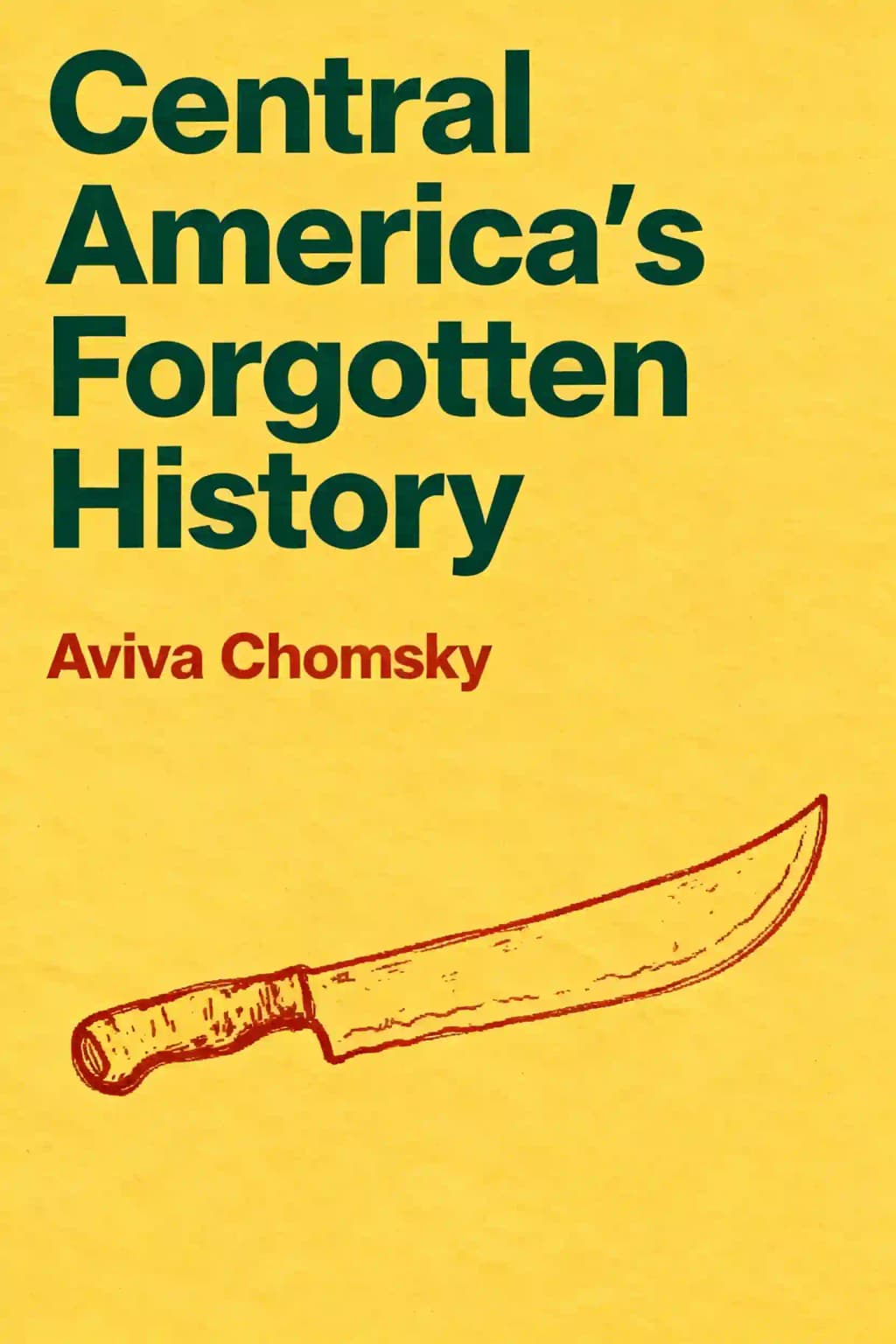
Chomsky unveils America's hidden role in Central America's crises, revealing how U.S. interventions created today's migration patterns. This eye-opening 4.1-rated expose challenges readers: What responsibility do we bear for the refugees at our borders? Essential reading for understanding manufactured chaos.
Senti il libro attraverso la voce dell'autore
Trasforma la conoscenza in spunti coinvolgenti e ricchi di esempi
Cattura le idee chiave in un lampo per un apprendimento veloce
Goditi il libro in modo divertente e coinvolgente
Central America's story isn't just distant history-it's the backstory to today's headlines about migration caravans and asylum seekers. When families arrive at the U.S. border, they carry with them the consequences of centuries of American intervention that most U.S. citizens know nothing about. The region dismissed by some as "shithole countries" was deliberately shaped by American foreign policy, corporate interests, and military intervention. The roots of today's migration crisis stretch back to different colonial systems-the U.S. emerged from British settler colonialism that eliminated Indigenous populations, while Central America experienced Spanish extractive colonialism that exploited Indigenous labor. After independence, Central American elites modeled their nations on the U.S., viewing Indigenous peoples as obstacles to progress and implementing forced labor systems for coffee production. By the early 20th century, American corporations like United Fruit Company controlled vast territories across Central America, creating the original "Banana Republics." These companies effectively governed through corruption and military force. When Nicaraguan leader Jose Santos Zelaya challenged U.S. hegemony in 1909, America orchestrated his overthrow and occupied Nicaragua until 1933, installing the Somoza family dictatorship that would last over four decades. Why does this matter? Because the migration patterns we see today follow historical routes shaped by over a century of U.S. economic and military involvement.
Scomponi le idee chiave di Central America's Forgotten History in punti facili da capire per comprendere come i team innovativi creano, collaborano e crescono.
Distilla Central America's Forgotten History in rapidi promemoria che evidenziano i principi chiave di franchezza, lavoro di squadra e resilienza creativa.

Vivi Central America's Forgotten History attraverso narrazioni vivide che trasformano le lezioni di innovazione in momenti che ricorderai e applicherai.
Chiedi qualsiasi cosa, scegli la voce e co-crea spunti che risuonino davvero con te.

Creato da alumni della Columbia University a San Francisco
"Instead of endless scrolling, I just hit play on BeFreed. It saves me so much time."
"I never knew where to start with nonfiction—BeFreed’s book lists turned into podcasts gave me a clear path."
"Perfect balance between learning and entertainment. Finished ‘Thinking, Fast and Slow’ on my commute this week."
"Crazy how much I learned while walking the dog. BeFreed = small habits → big gains."
"Reading used to feel like a chore. Now it’s just part of my lifestyle."
"Feels effortless compared to reading. I’ve finished 6 books this month already."
"BeFreed turned my guilty doomscrolling into something that feels productive and inspiring."
"BeFreed turned my commute into learning time. 20-min podcasts are perfect for finishing books I never had time for."
"BeFreed replaced my podcast queue. Imagine Spotify for books — that’s it. 🙌"
"It is great for me to learn something from the book without reading it."
"The themed book list podcasts help me connect ideas across authors—like a guided audio journey."
"Makes me feel smarter every time before going to work"
Creato da alumni della Columbia University a San Francisco

Ottieni il riassunto di Central America's Forgotten History in formato PDF o EPUB gratuito. Stampalo o leggilo offline quando vuoi.