Reclaiming Rehan: Beyond the Mirror’s Deception
Rehan, discover how to dismantle the mental filters that distort your self-image and learn to embrace your true worth through mindfulness and self-compassion.

Meilleure citation de Reclaiming Rehan: Beyond the Mirror’s Deception
You aren't 'ugly'—you are experiencing a very specific type of perceptual dysregulation that makes it impossible for you to see the truth right now. Knowing that this is a distortion in the brain's interpretation and not a truth about your face is the first step toward freedom.

Cette leçon audio a été créée par un membre de la communauté BeFreed
I'm just nothing I'm ugly make me feel better take my name regularly like I'm rehan


Foire aux questions
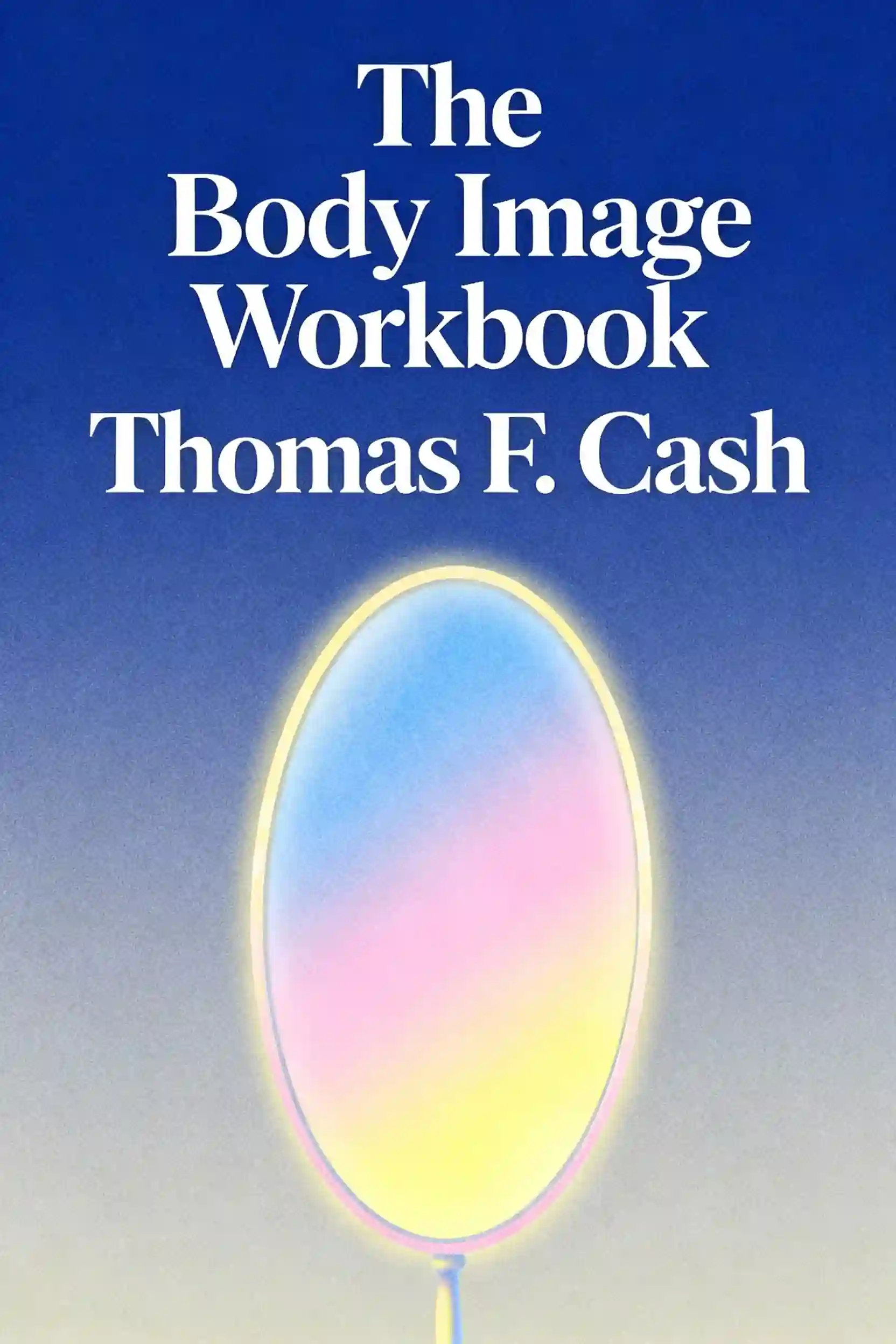
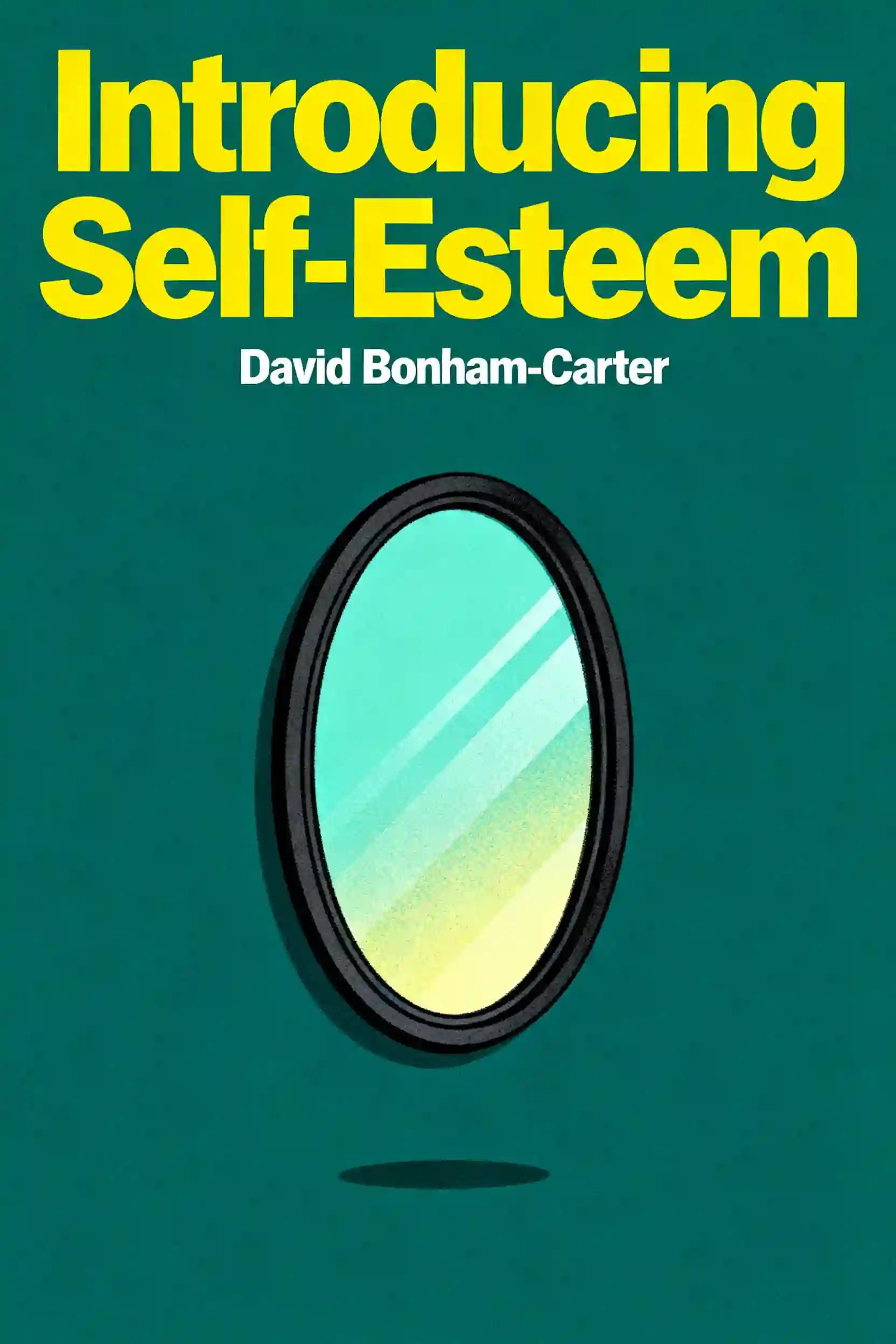
Body Dysmorphic Disorder is a serious psychiatric condition characterized by an intense preoccupation with specific body features that a person perceives as flawed or unattractive, even if those features appear normal to others. It functions like a persistent optical illusion caused by a "mental trap" or a distortion in the brain's visual processing systems. Research indicates that individuals with BDD often have a chemical imbalance, specifically serotonin dysregulation, and fMRI scans show that their visual occipital cortex focuses intensely on minute details rather than seeing the "big picture" or the face and body as a whole.
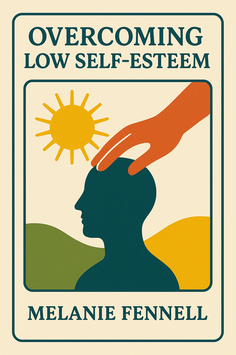
Reassurance often fails because BDD is not a problem of lacking information, but rather a problem of how the brain processes that information. While a compliment might provide a momentary sense of relief, the "mental trap" quickly resets, leading the individual to dismiss the praise as someone just "being nice" or failing to see them in the "right light." This often leads to a cycle of ritualistic safety behaviors, such as constant mirror checking or camouflaging, which reinforce the brain's belief that there is a physical problem to fear when the issue actually resides in the brain's perception.
Research shows that cosmetic surgery rarely helps individuals struggling with BDD. Because the underlying issue is rooted in the brain's interpretation and neural processing rather than an actual physical defect, surgery does not address the core problem. Often, after a procedure, the individual's preoccupation simply shifts to a different body part, or the original dissatisfaction returns even more intensely. Effective treatment must focus on the mind and the "internal filter" rather than attempting to alter the physical reflection in the mirror.
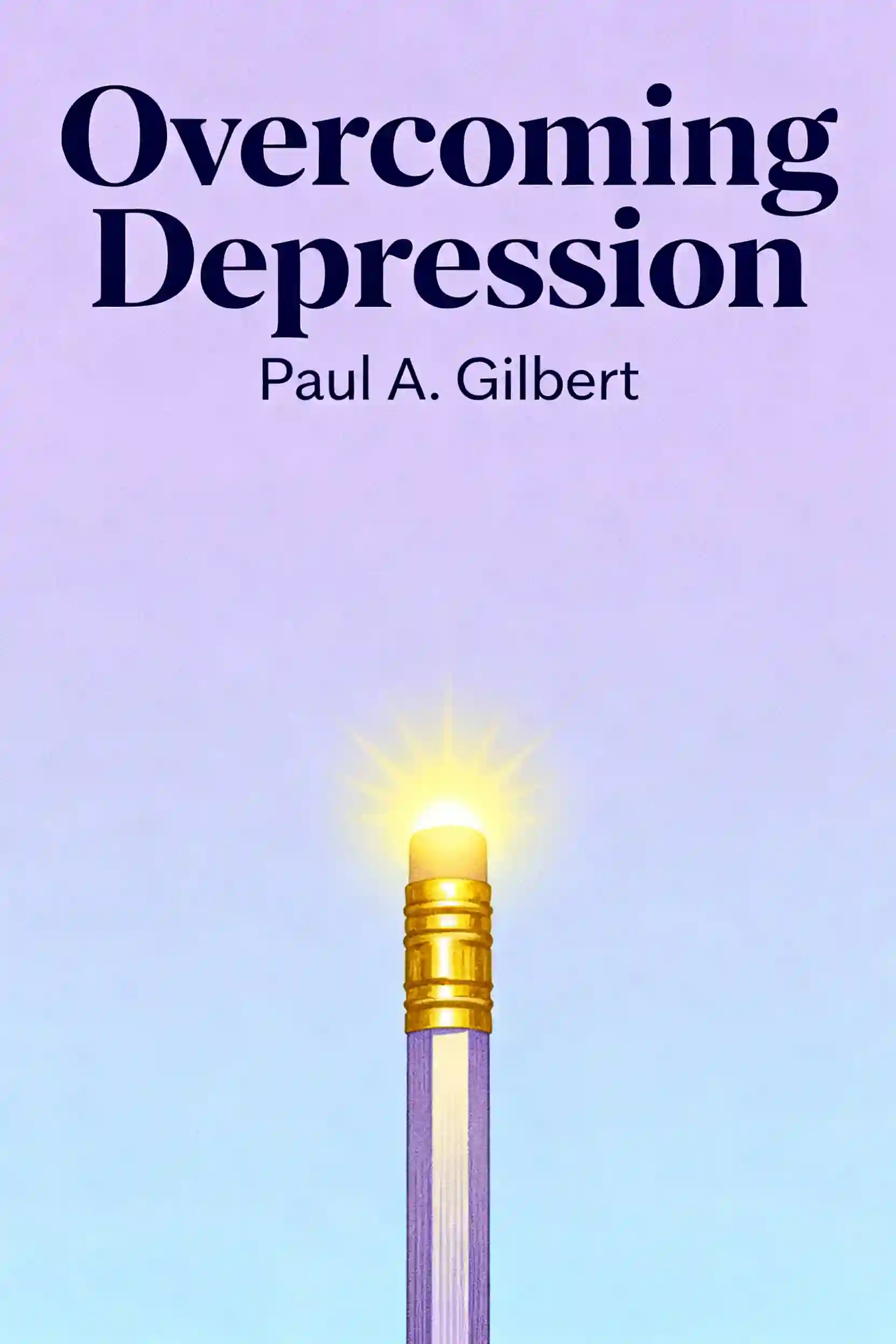
The "gold standard" for treating BDD is a combination of Cognitive Behavioral Therapy (CBT) and medication, such as SSRIs, which help regulate serotonin and reduce the intensity of obsessive thoughts. Specialized CBT involves "Exposure and Response Prevention," where individuals gradually face social situations they usually avoid without relying on their typical rituals or "safety behaviors." Additionally, techniques like mindfulness, mirror retraining to promote "global processing," and self-compassion exercises help rewire the brain's neural pathways and challenge the "inner critic."
Lookism is a form of societal discrimination based on appearance that fuels BDD by tying a person's value to unrealistic beauty standards. These standards are often narrow and shaped by racism or commercial interests, creating a "cultural mirror" that makes people feel "defective" if they do not fit a specific mold. Recognizing that these external judgments are systemic flaws rather than personal truths allows individuals to shift their anger away from themselves and toward a narrow-minded culture, helping them reclaim their intrinsic worth regardless of societal pressures.
Découvrir plus

Reclaim Your Inner Compass
In a world driven by external metrics, many lose touch with their own intuition and value. This plan is designed for high-achievers and people-pleasers who want to break free from the exhaustion of seeking validation and finally trust their own voice.

The Mid-Life Unmasking Reclamation
This plan is designed for neurodivergent adults who received a diagnosis later in life and are struggling with burnout or identity loss. It provides a structured roadmap to move from survival-based masking to a life of authentic self-regulation and healthy social boundaries.

Learn to love myself
This plan is designed for individuals struggling with persistent self-doubt or a harsh inner critic who seek a science-backed path to emotional resilience. It provides a structured framework to transition from external validation-seeking to a life rooted in authentic self-worth and healthy boundaries.

Self healing
Self-healing is essential for anyone carrying unprocessed trauma, chronic self-criticism, or disconnection from their body and emotions. This learning plan offers a compassionate, structured path for those ready to understand their wounds, release stored pain, and cultivate the self-love necessary for genuine transformation and lasting peace.

Master self-deception
In a world full of cognitive shortcuts, understanding how we lie to ourselves is the ultimate competitive advantage. This plan is essential for leaders, decision-makers, and individuals seeking personal growth who want to strip away mental illusions and see reality clearly.

Rediscover myself and find my joy again
This plan is designed for individuals feeling disconnected from their passions or burdened by external expectations. It offers a structured path to emotional healing and self-discovery, making it ideal for anyone seeking to reclaim their happiness and live more intentionally.

Strengthen Mindset, Self-Love & Self-Trust
This plan is essential for anyone struggling with self-doubt or the pressure to conform to external expectations. It provides a structured path for individuals looking to rebuild their confidence and live more authentically by mastering their internal dialogue.

Reclaiming the Mind from the Screen
In an era of constant digital distraction, our ability to think deeply and act autonomously is under threat. This plan is designed for professionals and students who feel their attention span shrinking and want to reclaim their cognitive sovereignty from algorithmic influence.
Cree par des anciens de Columbia University a San Francisco
"Instead of endless scrolling, I just hit play on BeFreed. It saves me so much time."


"I never knew where to start with nonfiction—BeFreed’s book lists turned into podcasts gave me a clear path."


"Perfect balance between learning and entertainment. Finished ‘Thinking, Fast and Slow’ on my commute this week."
"Crazy how much I learned while walking the dog. BeFreed = small habits → big gains."
"Reading used to feel like a chore. Now it’s just part of my lifestyle."

"Feels effortless compared to reading. I’ve finished 6 books this month already."
"BeFreed turned my guilty doomscrolling into something that feels productive and inspiring."

"BeFreed turned my commute into learning time. 20-min podcasts are perfect for finishing books I never had time for."
"BeFreed replaced my podcast queue. Imagine Spotify for books — that’s it. 🙌"

"It is great for me to learn something from the book without reading it."
"The themed book list podcasts help me connect ideas across authors—like a guided audio journey."
"Makes me feel smarter every time before going to work"
Cree par des anciens de Columbia University a San Francisco
"Instead of endless scrolling, I just hit play on BeFreed. It saves me so much time."
"I never knew where to start with nonfiction—BeFreed’s book lists turned into podcasts gave me a clear path."
"Perfect balance between learning and entertainment. Finished ‘Thinking, Fast and Slow’ on my commute this week."
"Crazy how much I learned while walking the dog. BeFreed = small habits → big gains."
"Reading used to feel like a chore. Now it’s just part of my lifestyle."
"Feels effortless compared to reading. I’ve finished 6 books this month already."
"BeFreed turned my guilty doomscrolling into something that feels productive and inspiring."
"BeFreed turned my commute into learning time. 20-min podcasts are perfect for finishing books I never had time for."
"BeFreed replaced my podcast queue. Imagine Spotify for books — that’s it. 🙌"
"It is great for me to learn something from the book without reading it."
"The themed book list podcasts help me connect ideas across authors—like a guided audio journey."
"Makes me feel smarter every time before going to work"
"Instead of endless scrolling, I just hit play on BeFreed. It saves me so much time."
"I never knew where to start with nonfiction—BeFreed’s book lists turned into podcasts gave me a clear path."
"Perfect balance between learning and entertainment. Finished ‘Thinking, Fast and Slow’ on my commute this week."
"Crazy how much I learned while walking the dog. BeFreed = small habits → big gains."
"Reading used to feel like a chore. Now it’s just part of my lifestyle."
"Feels effortless compared to reading. I’ve finished 6 books this month already."
"BeFreed turned my guilty doomscrolling into something that feels productive and inspiring."
"BeFreed turned my commute into learning time. 20-min podcasts are perfect for finishing books I never had time for."
"BeFreed replaced my podcast queue. Imagine Spotify for books — that’s it. 🙌"
"It is great for me to learn something from the book without reading it."
"The themed book list podcasts help me connect ideas across authors—like a guided audio journey."
"Makes me feel smarter every time before going to work"
"Instead of endless scrolling, I just hit play on BeFreed. It saves me so much time."
"I never knew where to start with nonfiction—BeFreed’s book lists turned into podcasts gave me a clear path."
"Perfect balance between learning and entertainment. Finished ‘Thinking, Fast and Slow’ on my commute this week."
"Crazy how much I learned while walking the dog. BeFreed = small habits → big gains."
"Reading used to feel like a chore. Now it’s just part of my lifestyle."
"Feels effortless compared to reading. I’ve finished 6 books this month already."
"BeFreed turned my guilty doomscrolling into something that feels productive and inspiring."
"BeFreed turned my commute into learning time. 20-min podcasts are perfect for finishing books I never had time for."
"BeFreed replaced my podcast queue. Imagine Spotify for books — that’s it. 🙌"
"It is great for me to learn something from the book without reading it."
"The themed book list podcasts help me connect ideas across authors—like a guided audio journey."
"Makes me feel smarter every time before going to work"