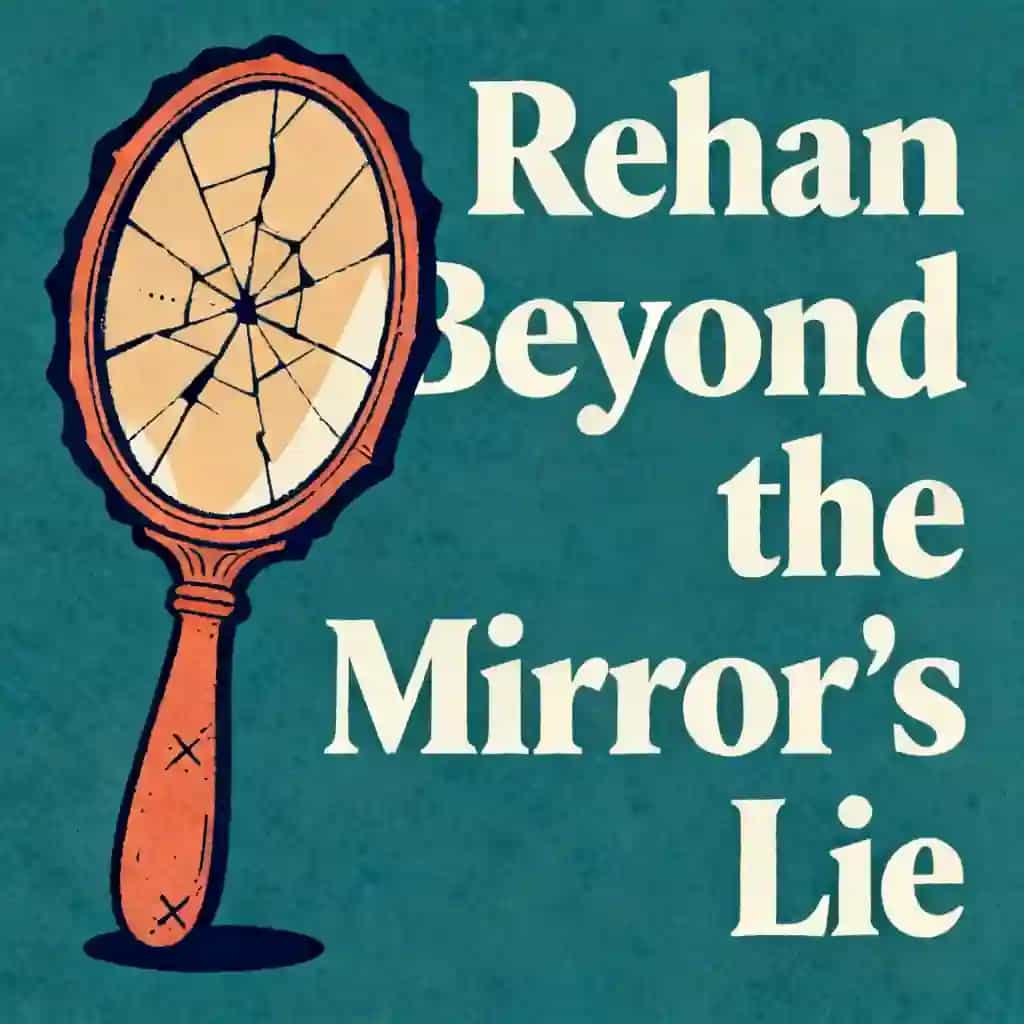
Rehan: Reclaiming Your Story After Heartbreak
Rehan, you aren't just losing a partner; you're shedding a future that no longer serves you. This episode provides the biological and emotional tools for you, Rehan, to stop ruminating, reclaim your self-worth, and build a stronger identity from the ashes of loss.

Meilleure citation de Rehan: Reclaiming Your Story After Heartbreak
Your worth is not a fluctuating currency that rises and falls based on someone else's romantic preferences. Their preference for someone else is a reflection of their history and needs—it is not a verdict on your value.

Cette leçon audio a été créée par un membre de la communauté BeFreed
Makw a motivational speech for me to realize that I lost someone who loves someone else repeat my name rehan


Foire aux questions
This sensation is a documented physiological event rather than just a metaphor. Research in social neuroscience shows that social rejection activates the anterior cingulate cortex, the same region of the brain that processes physical injury. Additionally, losing a romantic connection triggers a chemical withdrawal similar to quitting an addiction, as the brain is suddenly deprived of dopamine and oxytocin. This results in a "biological storm" where stress hormones like cortisol spike, causing physical symptoms like chest tightness, sleep disruption, and appetite changes.
The SWIRL process describes five nonlinear phases of emotional upheaval: Shattering, Withdrawal, Internalizing, Rage, and Lifting. Shattering is the initial panic of the attachment being torn; Withdrawal is the intense craving and "pain management" phase; Internalizing is the dangerous stage where you turn the rejection inward and doubt your own worth; Rage is the ego’s attempt to reclaim strength through resentment; and Lifting represents the intervals of peace where life begins to flow again. Understanding these phases helps you recognize that your fluctuating emotions are a predictable part of the healing process.
This behavior is known as rumination, which is the brain's attempt to find closure in an uncertain situation. To break this cycle, you must establish firm boundaries, such as a "no contact" period or a social media detox, to stop irritating the emotional wound. When you catch yourself in a loop, practice "cognitive reframing" by labeling the thought as a "rumination loop" and challenging self-critical thoughts with balanced truths. Shifting focus toward "small wins" and new hobbies can also help provide your brain with alternative sources of reward and dopamine.
It is essential to recognize that romantic preference is about compatibility, not a verdict on your objective value. Much like different tastes in music or art, someone not choosing you is a reflection of their specific needs and history rather than a flaw in your character. To reclaim your worth, you should perform a "strength inventory" of qualities unrelated to romance and practice self-acceptance. Remember that attempting to change yourself to fit someone else's ideal is a form of self-abandonment; your value is inherent and does not fluctuate based on external validation.
Découvrir plus

Rebuild after breakup and emotional loss
This plan is designed for anyone navigating the aftermath of a breakup or significant emotional loss. It provides a structured path to move from initial grief to a place of empowered self-discovery and renewed purpose.

Recovering from breakup
Breakups are among life's most painful experiences, triggering real neurological responses similar to physical pain and withdrawal. This learning plan provides a evidence-based, compassionate roadmap for anyone navigating the aftermath of a relationship ending, whether you're struggling with acute heartbreak or ready to build healthier patterns for the future. It's designed for those who want to heal thoroughly rather than simply move on, transforming loss into an opportunity for profound personal growth.

Rebuild motivation after romantic rejection
Romantic rejection can be neurologically paralyzing, often stalling personal and professional progress. This plan is designed for anyone struggling to regain their drive after a breakup, providing a roadmap to transform emotional pain into self-actualization.

Reclaim Your Energy
This plan is essential for anyone struggling to move past a breakup or stuck in cycles of seeking external validation. It provides a biological and psychological roadmap to stop idealizing others and start building a resilient, self-sustained sense of worth.

The Heartbreak Recovery Blueprint
This blueprint is essential for anyone struggling with the end of a significant relationship and seeking a structured path to healing. It provides a science-backed approach to emotional recovery, helping individuals move from crisis to self-discovery.

Win back ex, find love & manage emotions
This plan is essential for individuals navigating the complexities of heartbreak or seeking to improve their romantic dynamics through psychological insights. It is designed for anyone wanting to transform emotional pain into self-mastery while learning the practical communication skills needed for secure attachment.

Revenge of people who left me.
This plan is essential for anyone struggling to move past the pain of being left behind or betrayed. It provides a roadmap to shift focus from external revenge to internal healing and personal reclamation.

How to get my baby back
This learning plan is for anyone navigating the pain of a breakup who wants to understand what went wrong while focusing on meaningful personal growth. Whether your goal is reconciliation or simply becoming your best self, this structured approach helps you heal from past relationship wounds, develop crucial relationship skills, and create the foundation for healthier love—with your ex or someone new.
Cree par des anciens de Columbia University a San Francisco
"Instead of endless scrolling, I just hit play on BeFreed. It saves me so much time."


"I never knew where to start with nonfiction—BeFreed’s book lists turned into podcasts gave me a clear path."


"Perfect balance between learning and entertainment. Finished ‘Thinking, Fast and Slow’ on my commute this week."
"Crazy how much I learned while walking the dog. BeFreed = small habits → big gains."
"Reading used to feel like a chore. Now it’s just part of my lifestyle."

"Feels effortless compared to reading. I’ve finished 6 books this month already."
"BeFreed turned my guilty doomscrolling into something that feels productive and inspiring."

"BeFreed turned my commute into learning time. 20-min podcasts are perfect for finishing books I never had time for."
"BeFreed replaced my podcast queue. Imagine Spotify for books — that’s it. 🙌"

"It is great for me to learn something from the book without reading it."
"The themed book list podcasts help me connect ideas across authors—like a guided audio journey."
"Makes me feel smarter every time before going to work"
Cree par des anciens de Columbia University a San Francisco
"Instead of endless scrolling, I just hit play on BeFreed. It saves me so much time."
"I never knew where to start with nonfiction—BeFreed’s book lists turned into podcasts gave me a clear path."
"Perfect balance between learning and entertainment. Finished ‘Thinking, Fast and Slow’ on my commute this week."
"Crazy how much I learned while walking the dog. BeFreed = small habits → big gains."
"Reading used to feel like a chore. Now it’s just part of my lifestyle."
"Feels effortless compared to reading. I’ve finished 6 books this month already."
"BeFreed turned my guilty doomscrolling into something that feels productive and inspiring."
"BeFreed turned my commute into learning time. 20-min podcasts are perfect for finishing books I never had time for."
"BeFreed replaced my podcast queue. Imagine Spotify for books — that’s it. 🙌"
"It is great for me to learn something from the book without reading it."
"The themed book list podcasts help me connect ideas across authors—like a guided audio journey."
"Makes me feel smarter every time before going to work"
"Instead of endless scrolling, I just hit play on BeFreed. It saves me so much time."
"I never knew where to start with nonfiction—BeFreed’s book lists turned into podcasts gave me a clear path."
"Perfect balance between learning and entertainment. Finished ‘Thinking, Fast and Slow’ on my commute this week."
"Crazy how much I learned while walking the dog. BeFreed = small habits → big gains."
"Reading used to feel like a chore. Now it’s just part of my lifestyle."
"Feels effortless compared to reading. I’ve finished 6 books this month already."
"BeFreed turned my guilty doomscrolling into something that feels productive and inspiring."
"BeFreed turned my commute into learning time. 20-min podcasts are perfect for finishing books I never had time for."
"BeFreed replaced my podcast queue. Imagine Spotify for books — that’s it. 🙌"
"It is great for me to learn something from the book without reading it."
"The themed book list podcasts help me connect ideas across authors—like a guided audio journey."
"Makes me feel smarter every time before going to work"
"Instead of endless scrolling, I just hit play on BeFreed. It saves me so much time."
"I never knew where to start with nonfiction—BeFreed’s book lists turned into podcasts gave me a clear path."
"Perfect balance between learning and entertainment. Finished ‘Thinking, Fast and Slow’ on my commute this week."
"Crazy how much I learned while walking the dog. BeFreed = small habits → big gains."
"Reading used to feel like a chore. Now it’s just part of my lifestyle."
"Feels effortless compared to reading. I’ve finished 6 books this month already."
"BeFreed turned my guilty doomscrolling into something that feels productive and inspiring."
"BeFreed turned my commute into learning time. 20-min podcasts are perfect for finishing books I never had time for."
"BeFreed replaced my podcast queue. Imagine Spotify for books — that’s it. 🙌"
"It is great for me to learn something from the book without reading it."
"The themed book list podcasts help me connect ideas across authors—like a guided audio journey."
"Makes me feel smarter every time before going to work"