From Insecurity to Intimacy: Rewiring Your Trust
Stop the spiral of relationship anxiety by understanding your nervous system and attachment style. Learn practical tools to silence the fear of abandonment and build lasting, secure trust with your partner.

Meilleure citation de From Insecurity to Intimacy: Rewiring Your Trust
Your insecurity is not a character flaw; it’s your nervous system’s way of trying to protect you based on past wounds. Healing begins when you start seeing your panic as a 'feeling memory' rather than a fact about your current relationship.
Generated by Nanners
How not insecure in my relationship and have trust that my partner isn’t just gonna leave me

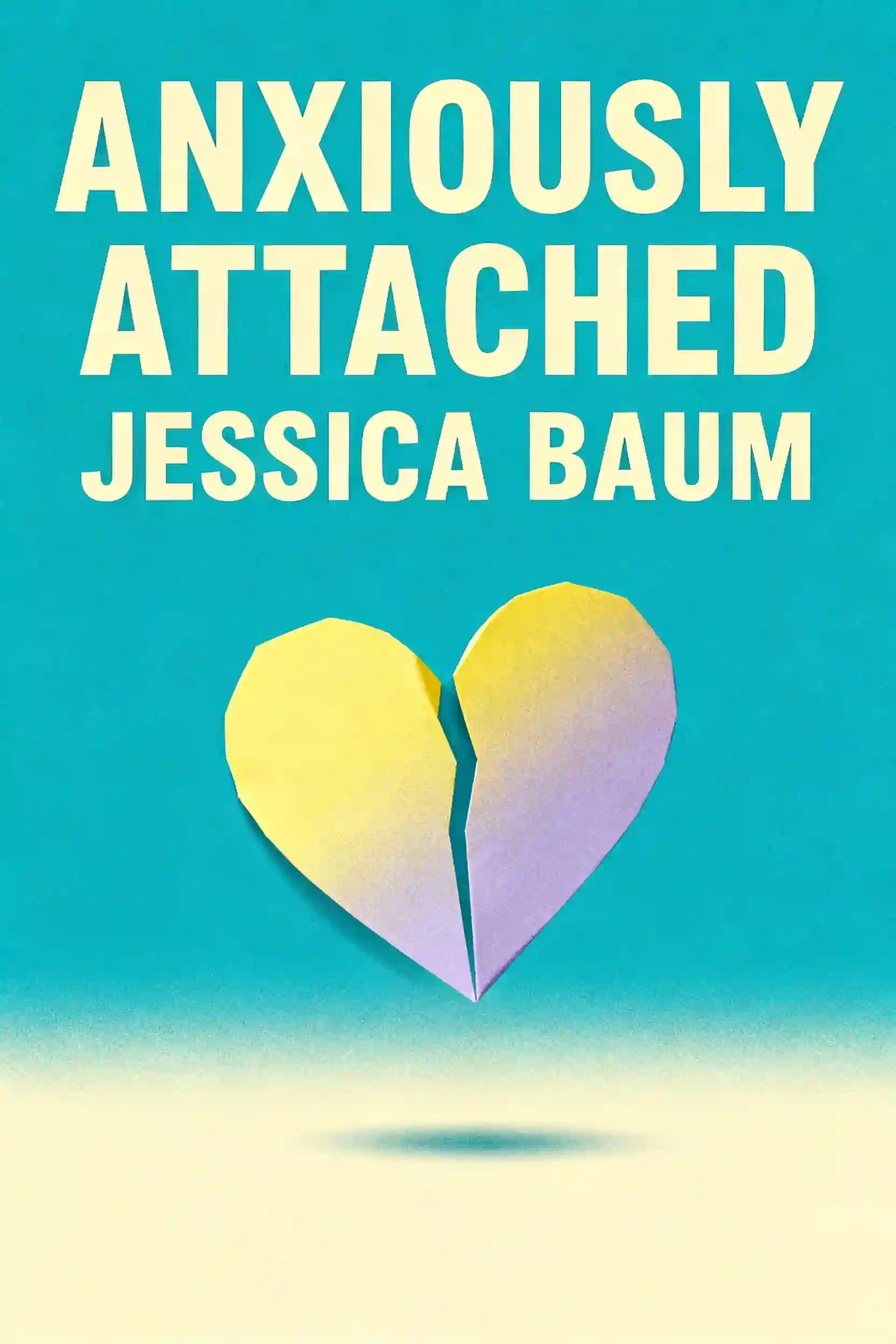
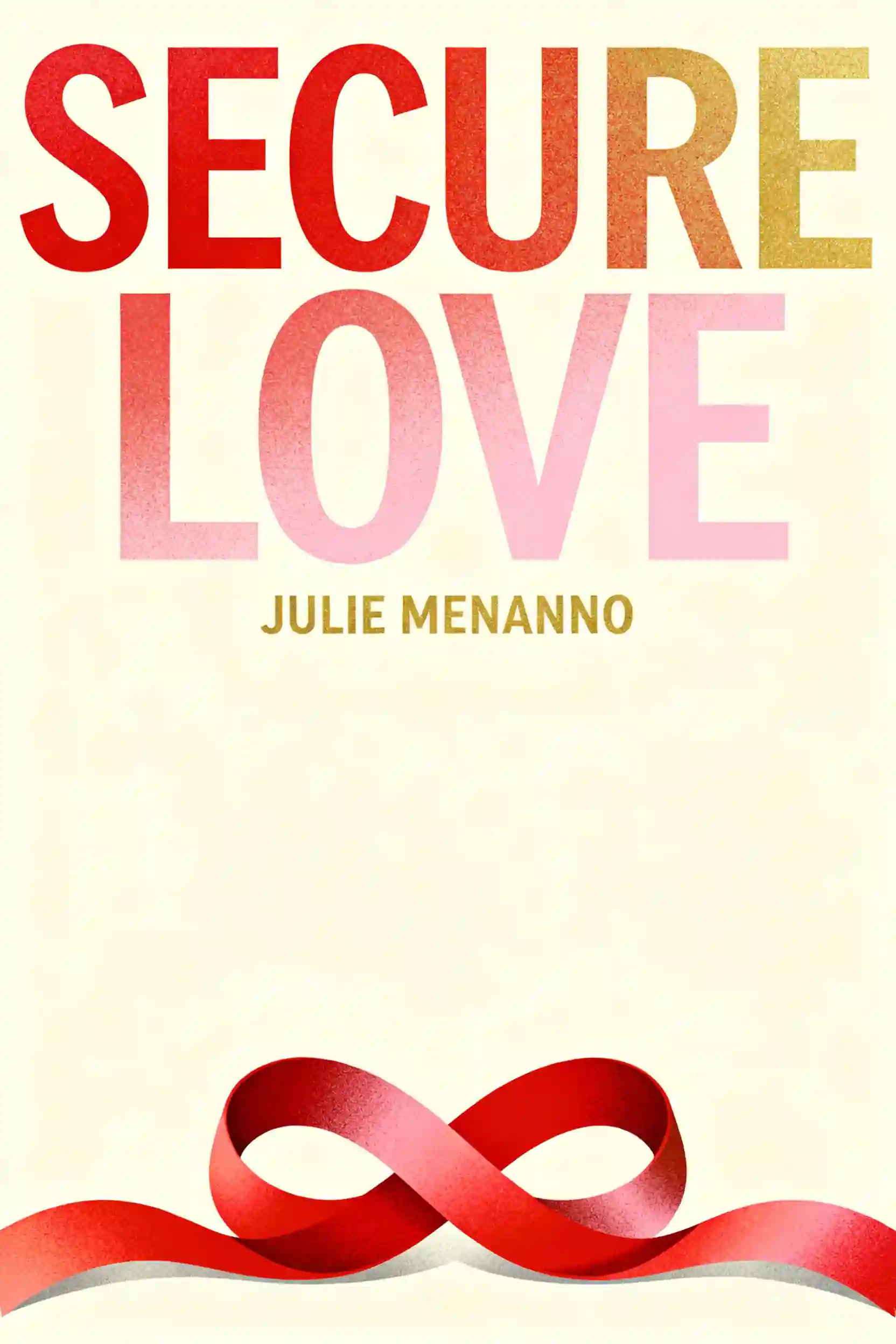
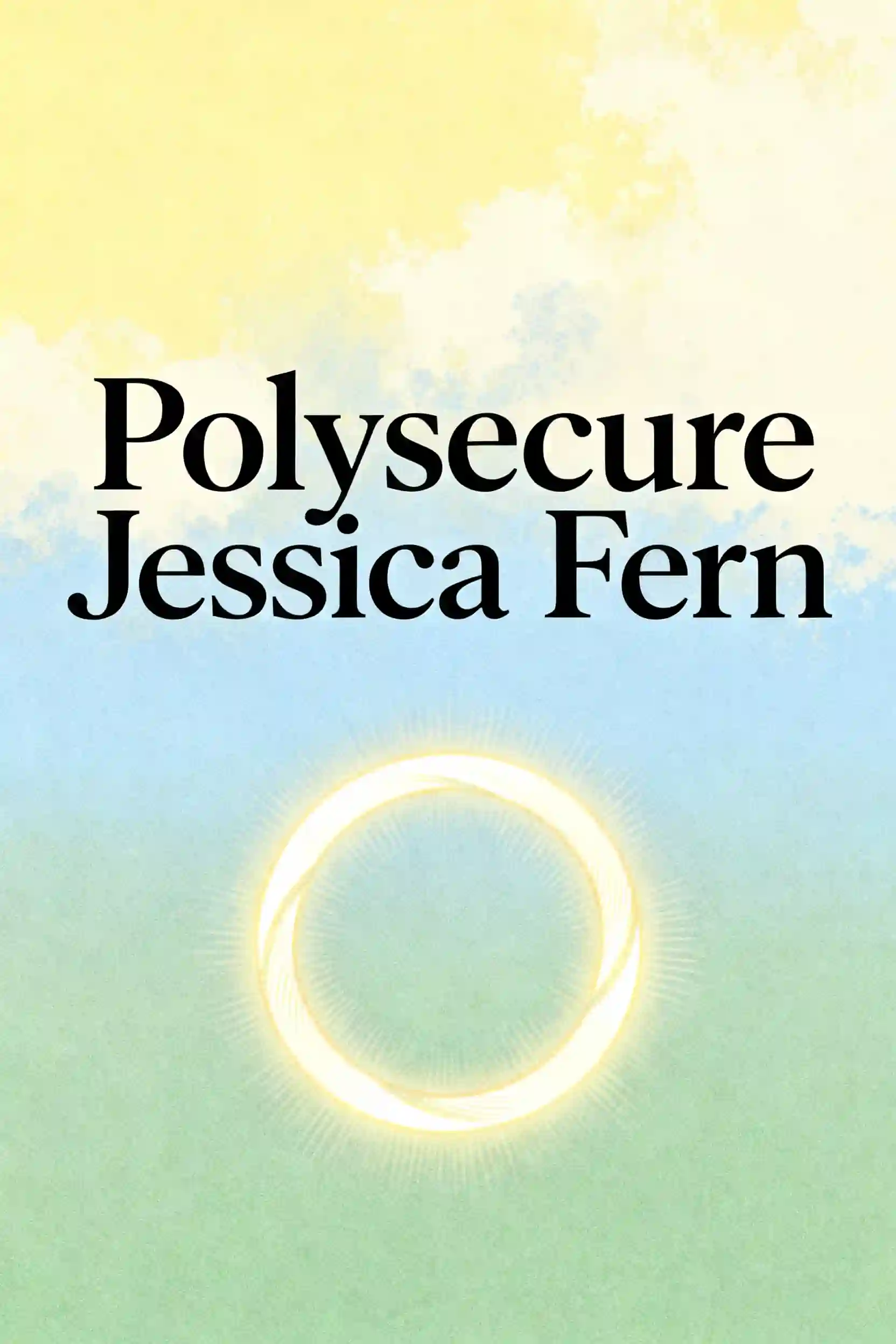
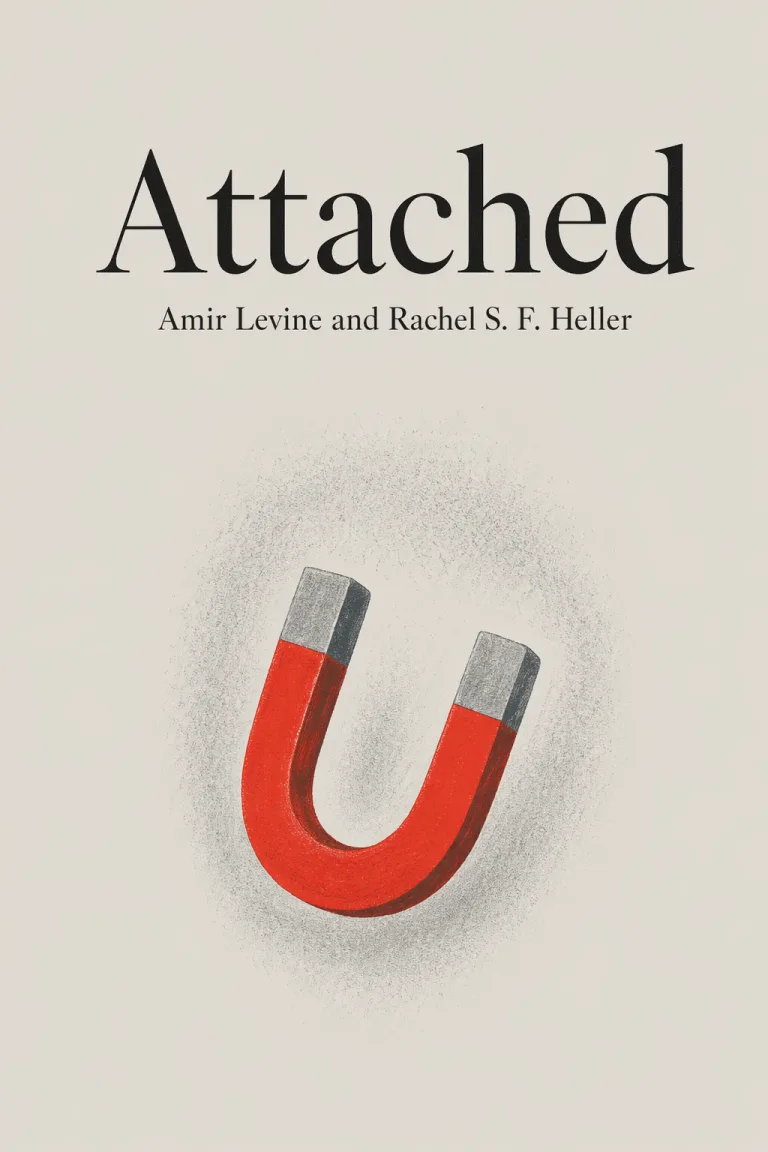


Foire aux questions
This intense physical reaction is caused by the HPA axis releasing cortisol and adrenaline. From an evolutionary perspective, being separated from a primary caregiver or "tribe" meant certain doom, so the brain categorized relational distance as a survival threat. When a partner doesn't text back or changes their tone, the amygdala fires a survival response because the adult brain hasn't "updated its software" to distinguish a busy afternoon from a predator in the grass.
Insecurity is typically recurrent, disproportionate to the situation, and often doesn't change even when a partner provides reassurance. It usually feels like a familiar panic that has been present across many relationships. In contrast, intuition is often a quiet, calm realization tied to a specific, new pattern of observable facts or behaviors in a partner rather than a general fear of abandonment.
To stop projection, you can use the "name it" method by acknowledging that you are experiencing an emotional flashback rather than a current fact. Engaging the prefrontal cortex helps the "thinking brain" modulate the "feeling brain." Additionally, performing a "reality check" by looking for concrete evidence helps determine if the partner is actually doing something hurtful or if they simply remind you of someone from your past.
Activating strategies are targeted behaviors, such as "love traps" or constant reassurance-seeking, intended to restore proximity to a partner and relieve internal distress. While they provide temporary relief, they are harmful because they use the partner as an external regulator rather than building internal resilience. Over time, relying on this external validation actually lowers your threshold for triggers, making you more reactive and causing the partner to feel managed or tested.
Building internal reassurance involves "grounded acknowledgment" and "behavioral activation." Instead of just using positive thinking, you acknowledge the fear while noting that you are physically safe in the present moment. You can then practice "behavioral activation" by engaging in hobbies, work, or exercise to reclaim a sense of self outside the relationship, proving to your nervous system that you are capable of functioning even during moments of uncertainty.
Cree par des anciens de Columbia University a San Francisco
"Instead of endless scrolling, I just hit play on BeFreed. It saves me so much time."


"I never knew where to start with nonfiction—BeFreed’s book lists turned into podcasts gave me a clear path."


"Perfect balance between learning and entertainment. Finished ‘Thinking, Fast and Slow’ on my commute this week."
"Crazy how much I learned while walking the dog. BeFreed = small habits → big gains."
"Reading used to feel like a chore. Now it’s just part of my lifestyle."

"Feels effortless compared to reading. I’ve finished 6 books this month already."
"BeFreed turned my guilty doomscrolling into something that feels productive and inspiring."

"BeFreed turned my commute into learning time. 20-min podcasts are perfect for finishing books I never had time for."
"BeFreed replaced my podcast queue. Imagine Spotify for books — that’s it. 🙌"

"It is great for me to learn something from the book without reading it."
"The themed book list podcasts help me connect ideas across authors—like a guided audio journey."
"Makes me feel smarter every time before going to work"
Cree par des anciens de Columbia University a San Francisco
"Instead of endless scrolling, I just hit play on BeFreed. It saves me so much time."
"I never knew where to start with nonfiction—BeFreed’s book lists turned into podcasts gave me a clear path."
"Perfect balance between learning and entertainment. Finished ‘Thinking, Fast and Slow’ on my commute this week."
"Crazy how much I learned while walking the dog. BeFreed = small habits → big gains."
"Reading used to feel like a chore. Now it’s just part of my lifestyle."
"Feels effortless compared to reading. I’ve finished 6 books this month already."
"BeFreed turned my guilty doomscrolling into something that feels productive and inspiring."
"BeFreed turned my commute into learning time. 20-min podcasts are perfect for finishing books I never had time for."
"BeFreed replaced my podcast queue. Imagine Spotify for books — that’s it. 🙌"
"It is great for me to learn something from the book without reading it."
"The themed book list podcasts help me connect ideas across authors—like a guided audio journey."
"Makes me feel smarter every time before going to work"
"Instead of endless scrolling, I just hit play on BeFreed. It saves me so much time."
"I never knew where to start with nonfiction—BeFreed’s book lists turned into podcasts gave me a clear path."
"Perfect balance between learning and entertainment. Finished ‘Thinking, Fast and Slow’ on my commute this week."
"Crazy how much I learned while walking the dog. BeFreed = small habits → big gains."
"Reading used to feel like a chore. Now it’s just part of my lifestyle."
"Feels effortless compared to reading. I’ve finished 6 books this month already."
"BeFreed turned my guilty doomscrolling into something that feels productive and inspiring."
"BeFreed turned my commute into learning time. 20-min podcasts are perfect for finishing books I never had time for."
"BeFreed replaced my podcast queue. Imagine Spotify for books — that’s it. 🙌"
"It is great for me to learn something from the book without reading it."
"The themed book list podcasts help me connect ideas across authors—like a guided audio journey."
"Makes me feel smarter every time before going to work"
"Instead of endless scrolling, I just hit play on BeFreed. It saves me so much time."
"I never knew where to start with nonfiction—BeFreed’s book lists turned into podcasts gave me a clear path."
"Perfect balance between learning and entertainment. Finished ‘Thinking, Fast and Slow’ on my commute this week."
"Crazy how much I learned while walking the dog. BeFreed = small habits → big gains."
"Reading used to feel like a chore. Now it’s just part of my lifestyle."
"Feels effortless compared to reading. I’ve finished 6 books this month already."
"BeFreed turned my guilty doomscrolling into something that feels productive and inspiring."
"BeFreed turned my commute into learning time. 20-min podcasts are perfect for finishing books I never had time for."
"BeFreed replaced my podcast queue. Imagine Spotify for books — that’s it. 🙌"
"It is great for me to learn something from the book without reading it."
"The themed book list podcasts help me connect ideas across authors—like a guided audio journey."
"Makes me feel smarter every time before going to work"