From Anxious Attachment to Unshakable Self-Confidence
Discover how to transform relationship anxiety into inner security by healing core wounds and mastering self-soothing techniques for a more confident you.

Meilleure citation de From Anxious Attachment to Unshakable Self-Confidence
Security is a felt sense in the body. It’s the difference between 'knowing' someone loves you in your head and 'feeling' it in your gut.
Generated by Dani
How to become more confident and improve your self esteem. I become anxiously attached when I get a partner

Foire aux questions
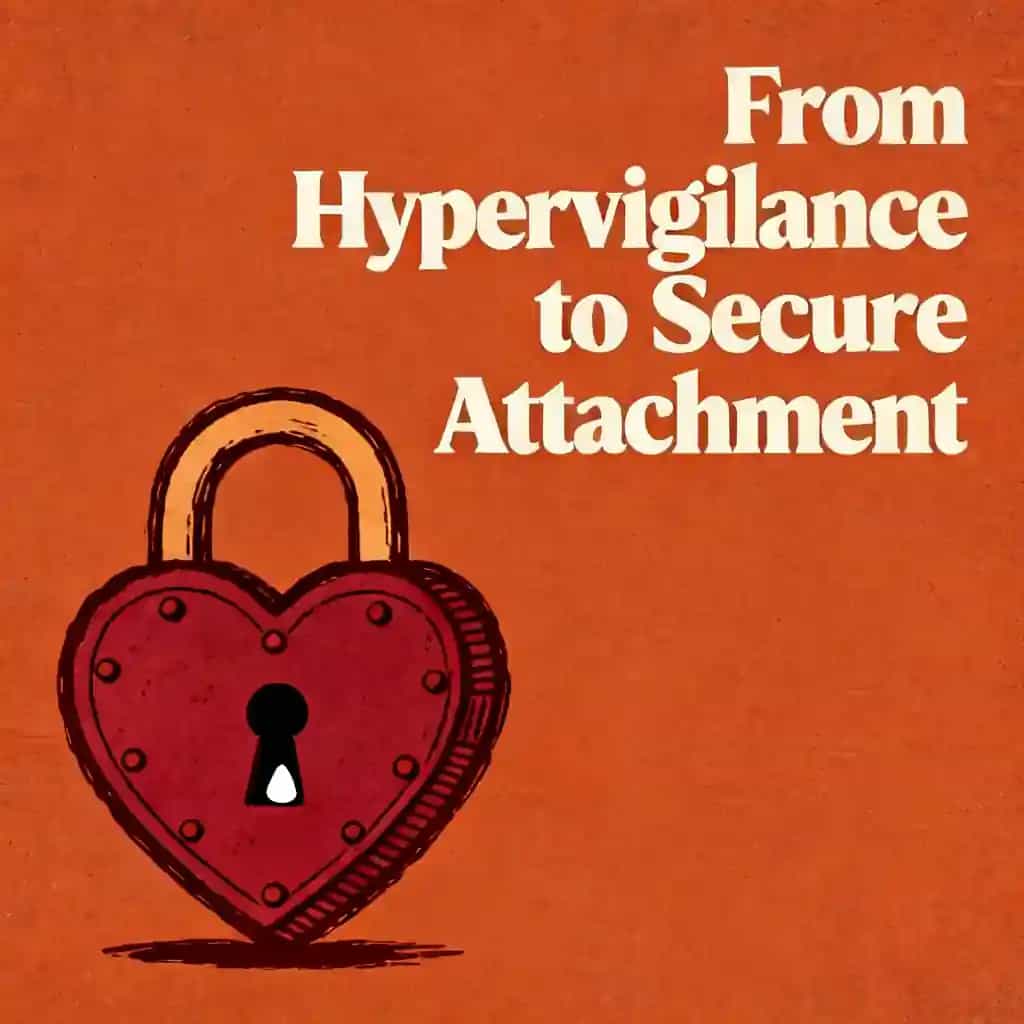
Anxious attachment is described as a "blueprint" or internal working model for relationships, often developed in childhood due to inconsistent caregiving. When love feels unpredictable, a child learns to be hypervigilant, constantly scanning for signs of withdrawal or abandonment to feel safe. In adulthood, this manifests as a "super-sensitive smoke detector" in the nervous system that treats minor relationship blips—like a late text—as life-or-death emergencies, leading to a constant need for reassurance.
The anxious-avoidant trap is a common relationship dynamic where the safety strategies of two partners are at odds. The anxious partner craves closeness to feel secure and perceives distance as a threat, while the avoidant partner craves independence and perceives too much closeness as a threat. This creates a cycle where the anxious partner pursues, causing the avoidant partner to withdraw for "breathing room," which in turn triggers even more panic and pursuit from the anxious partner.
Yes, the script highlights the concept of "earned secure attachment." Because of brain plasticity, these early blueprints are malleable and can be rewired in adulthood. By developing awareness, practicing self-soothing techniques, and engaging in "behavioral experiments"—such as intentionally resisting the urge to double-text—individuals can provide their brains with new evidence that they are safe. Over time, this builds a "stable core" and moves a person toward a more secure way of relating.
The key is moving from "protest behavior"—like making accusations or playing games—to secure, direct communication using "I" statements. Instead of blaming a partner for their actions, you express your internal feelings and specific needs, such as saying, "I’m feeling a little disconnected and would love some quality time." It is also crucial to wait until your nervous system is calm before having these conversations, as trying to resolve issues while in a "fight-or-flight" state is often counterproductive.
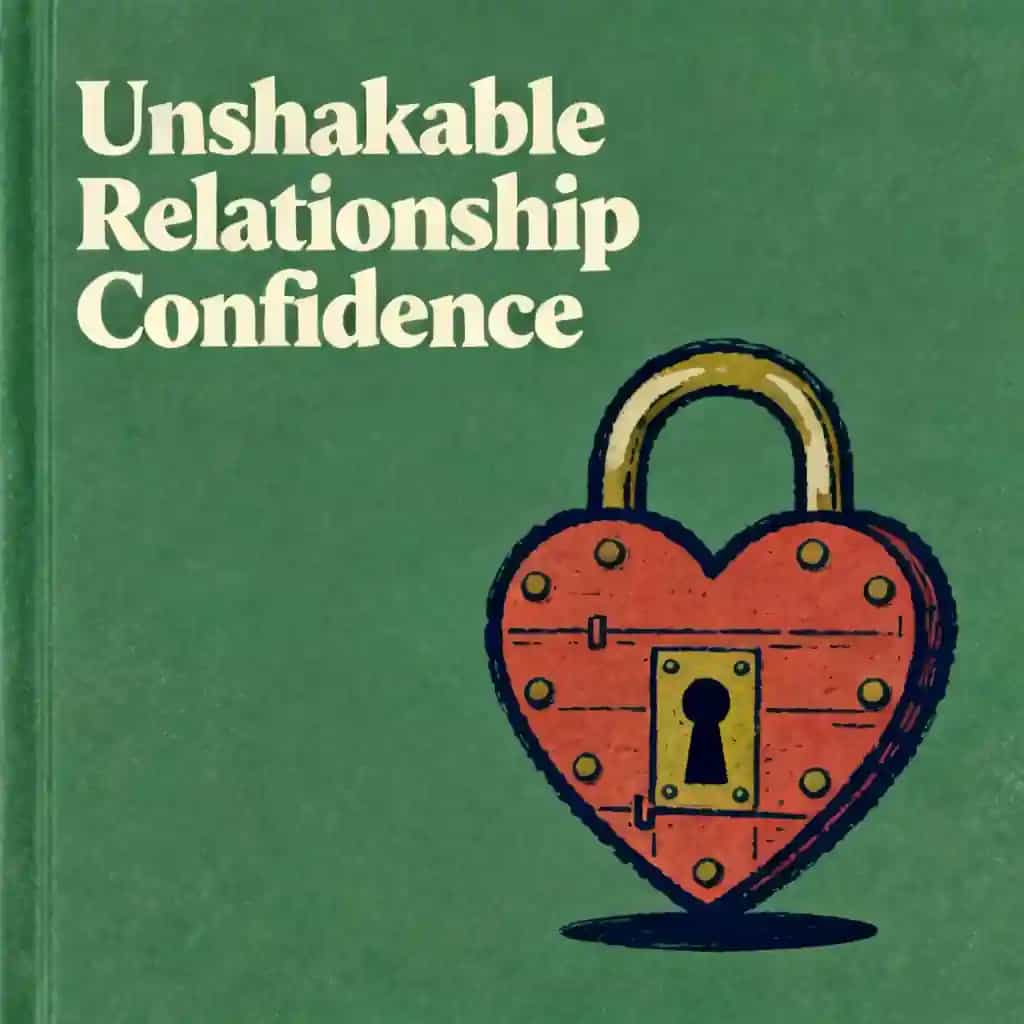
Being your own secure base means developing the internal muscle to regulate your own emotions rather than depending 100% on a partner for validation. This involves deep self-care, maintaining an independent identity through hobbies and friendships, and learning to comfort your "inner child." When you trust that you can handle difficult emotions and stay "whole" on your own, the relationship becomes a joyful choice rather than a desperate lifeline for survival.
Cree par des anciens de Columbia University a San Francisco
"Instead of endless scrolling, I just hit play on BeFreed. It saves me so much time."


"I never knew where to start with nonfiction—BeFreed’s book lists turned into podcasts gave me a clear path."


"Perfect balance between learning and entertainment. Finished ‘Thinking, Fast and Slow’ on my commute this week."
"Crazy how much I learned while walking the dog. BeFreed = small habits → big gains."
"Reading used to feel like a chore. Now it’s just part of my lifestyle."

"Feels effortless compared to reading. I’ve finished 6 books this month already."
"BeFreed turned my guilty doomscrolling into something that feels productive and inspiring."

"BeFreed turned my commute into learning time. 20-min podcasts are perfect for finishing books I never had time for."
"BeFreed replaced my podcast queue. Imagine Spotify for books — that’s it. 🙌"

"It is great for me to learn something from the book without reading it."
"The themed book list podcasts help me connect ideas across authors—like a guided audio journey."
"Makes me feel smarter every time before going to work"
Cree par des anciens de Columbia University a San Francisco
"Instead of endless scrolling, I just hit play on BeFreed. It saves me so much time."
"I never knew where to start with nonfiction—BeFreed’s book lists turned into podcasts gave me a clear path."
"Perfect balance between learning and entertainment. Finished ‘Thinking, Fast and Slow’ on my commute this week."
"Crazy how much I learned while walking the dog. BeFreed = small habits → big gains."
"Reading used to feel like a chore. Now it’s just part of my lifestyle."
"Feels effortless compared to reading. I’ve finished 6 books this month already."
"BeFreed turned my guilty doomscrolling into something that feels productive and inspiring."
"BeFreed turned my commute into learning time. 20-min podcasts are perfect for finishing books I never had time for."
"BeFreed replaced my podcast queue. Imagine Spotify for books — that’s it. 🙌"
"It is great for me to learn something from the book without reading it."
"The themed book list podcasts help me connect ideas across authors—like a guided audio journey."
"Makes me feel smarter every time before going to work"
"Instead of endless scrolling, I just hit play on BeFreed. It saves me so much time."
"I never knew where to start with nonfiction—BeFreed’s book lists turned into podcasts gave me a clear path."
"Perfect balance between learning and entertainment. Finished ‘Thinking, Fast and Slow’ on my commute this week."
"Crazy how much I learned while walking the dog. BeFreed = small habits → big gains."
"Reading used to feel like a chore. Now it’s just part of my lifestyle."
"Feels effortless compared to reading. I’ve finished 6 books this month already."
"BeFreed turned my guilty doomscrolling into something that feels productive and inspiring."
"BeFreed turned my commute into learning time. 20-min podcasts are perfect for finishing books I never had time for."
"BeFreed replaced my podcast queue. Imagine Spotify for books — that’s it. 🙌"
"It is great for me to learn something from the book without reading it."
"The themed book list podcasts help me connect ideas across authors—like a guided audio journey."
"Makes me feel smarter every time before going to work"
"Instead of endless scrolling, I just hit play on BeFreed. It saves me so much time."
"I never knew where to start with nonfiction—BeFreed’s book lists turned into podcasts gave me a clear path."
"Perfect balance between learning and entertainment. Finished ‘Thinking, Fast and Slow’ on my commute this week."
"Crazy how much I learned while walking the dog. BeFreed = small habits → big gains."
"Reading used to feel like a chore. Now it’s just part of my lifestyle."
"Feels effortless compared to reading. I’ve finished 6 books this month already."
"BeFreed turned my guilty doomscrolling into something that feels productive and inspiring."
"BeFreed turned my commute into learning time. 20-min podcasts are perfect for finishing books I never had time for."
"BeFreed replaced my podcast queue. Imagine Spotify for books — that’s it. 🙌"
"It is great for me to learn something from the book without reading it."
"The themed book list podcasts help me connect ideas across authors—like a guided audio journey."
"Makes me feel smarter every time before going to work"