CPTSD and the Dopamine Drought: Neurobiology of Trauma
Explore the neurobiology of trauma in CPTSD and the Dopamine Drought. Learn how Complex PTSD rewires the brain's reward system and dopamine pathways for survival.
Meilleure citation de CPTSD and the Dopamine Drought: Neurobiology of Trauma
CPTSD isn't a sign of a 'weak' brain; it’s a sign of a brain that was strong enough to survive the unsurvivable. Every 'glitch'—the blunted dopamine, the hyper-vigilance—was originally a survival tool.
Generated by Manny
Biological mechanisms and brain chemistry of how CPTSD affects dopamine pathways, focusing on neurobiology and physiological changes.






Foire aux questions
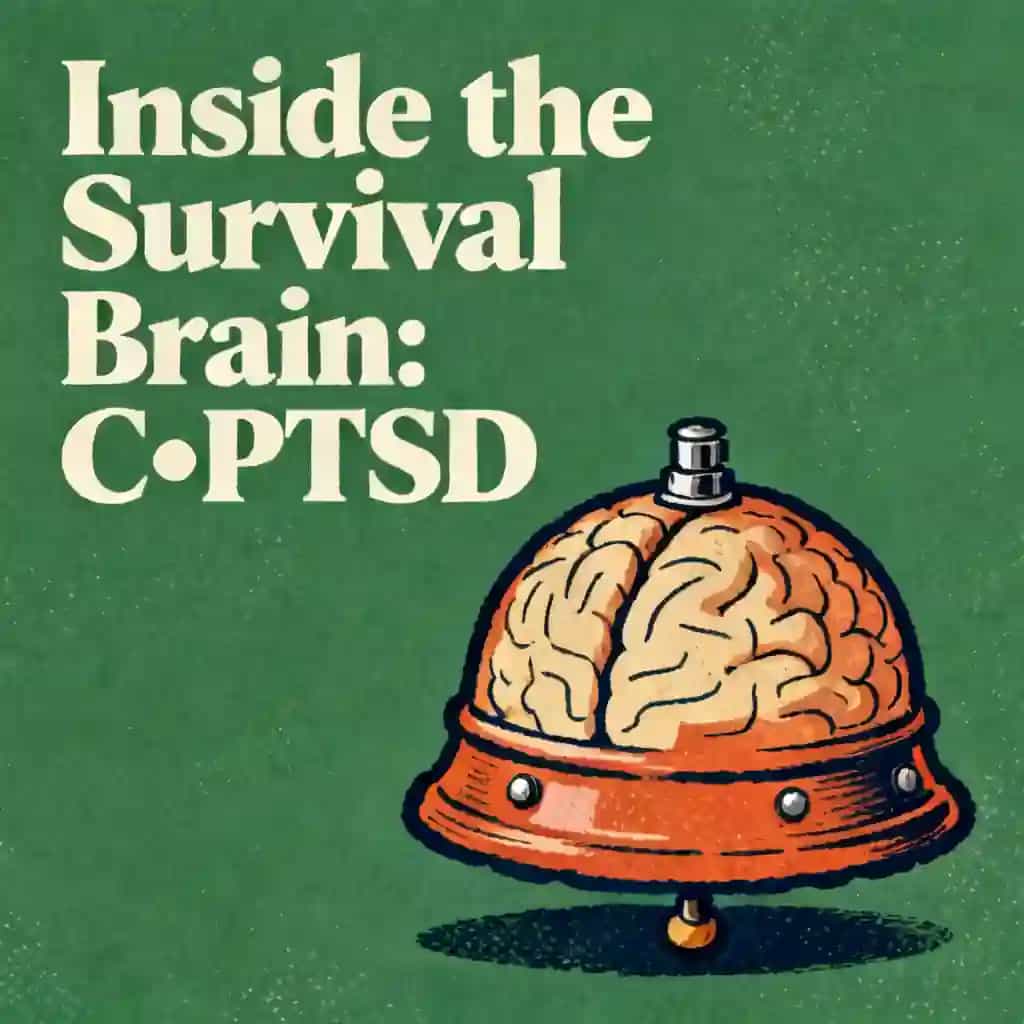
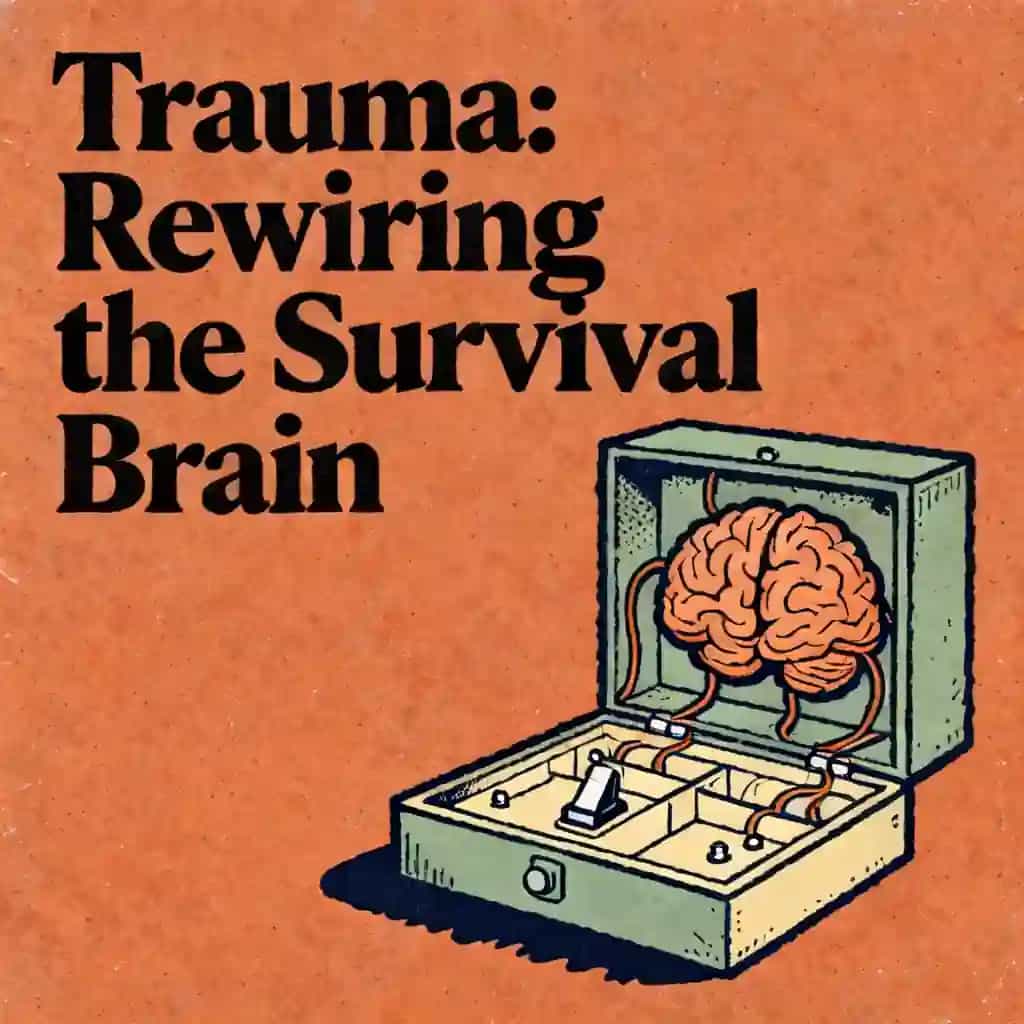
Complex PTSD functions less like a permanent scar and more like a complete rewiring of the brain's electrical grid. When an individual experiences prolonged, repeated trauma without an easy escape, the brain undergoes a high-stakes adaptation. Rather than focusing on traditional health, the brain prioritizes survival, fundamentally altering how it processes information and environmental cues to keep the individual alive in high-stress situations.
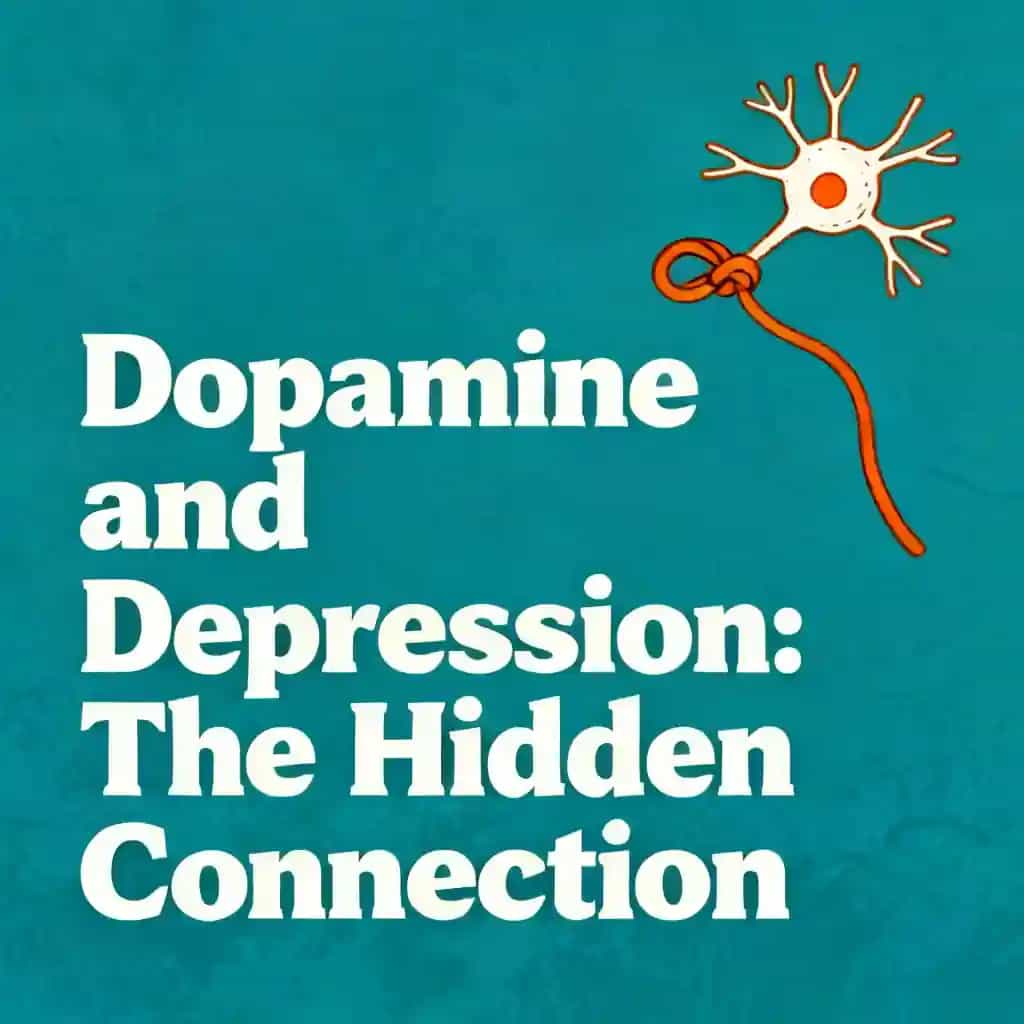
In cases of CPTSD, the brain's dopamine pathways are specifically hijacked. While dopamine is typically known as the reward chemical associated with pleasure and achievements, trauma causes the system to shift its priorities. The neurobiology of trauma forces the brain to fundamentally alter the system that processes 'good things,' instead prioritizing 'surviving things' to manage the constant threat of a traumatic environment.
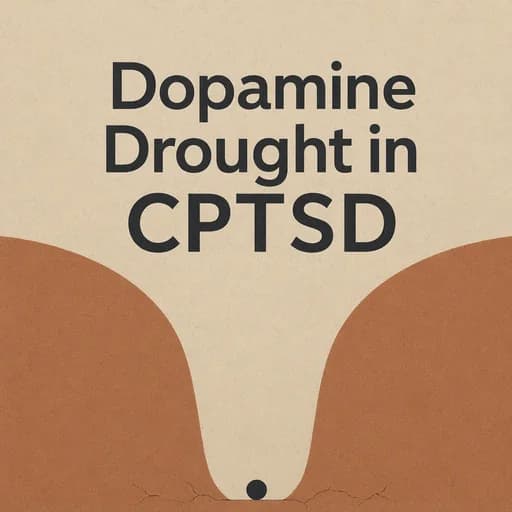
Life can feel gray or lacking in motivation because the brain decides it cannot afford the luxury of pleasure while it is busy scanning for the next threat. This 'dopamine drought' occurs because the reward system is recalibrated for survival rather than enjoyment. Understanding this brain rewiring is essential for listeners to recognize why it is so difficult to feel motivated even when external circumstances seem fine.
The rewiring of the brain in response to Complex PTSD is not a glitch; it is a necessary adaptation to a perceived war zone, such as a difficult childhood home. The brain isn't failing; it is successfully adapting to help the individual survive a high-stakes environment. This adaptation ensures the person remains hyper-aware of potential dangers, even if it comes at the cost of the brain's normal reward processing.
Cree par des anciens de Columbia University a San Francisco
"Instead of endless scrolling, I just hit play on BeFreed. It saves me so much time."


"I never knew where to start with nonfiction—BeFreed’s book lists turned into podcasts gave me a clear path."


"Perfect balance between learning and entertainment. Finished ‘Thinking, Fast and Slow’ on my commute this week."
"Crazy how much I learned while walking the dog. BeFreed = small habits → big gains."
"Reading used to feel like a chore. Now it’s just part of my lifestyle."

"Feels effortless compared to reading. I’ve finished 6 books this month already."
"BeFreed turned my guilty doomscrolling into something that feels productive and inspiring."

"BeFreed turned my commute into learning time. 20-min podcasts are perfect for finishing books I never had time for."
"BeFreed replaced my podcast queue. Imagine Spotify for books — that’s it. 🙌"

"It is great for me to learn something from the book without reading it."
"The themed book list podcasts help me connect ideas across authors—like a guided audio journey."
"Makes me feel smarter every time before going to work"
Cree par des anciens de Columbia University a San Francisco
"Instead of endless scrolling, I just hit play on BeFreed. It saves me so much time."
"I never knew where to start with nonfiction—BeFreed’s book lists turned into podcasts gave me a clear path."
"Perfect balance between learning and entertainment. Finished ‘Thinking, Fast and Slow’ on my commute this week."
"Crazy how much I learned while walking the dog. BeFreed = small habits → big gains."
"Reading used to feel like a chore. Now it’s just part of my lifestyle."
"Feels effortless compared to reading. I’ve finished 6 books this month already."
"BeFreed turned my guilty doomscrolling into something that feels productive and inspiring."
"BeFreed turned my commute into learning time. 20-min podcasts are perfect for finishing books I never had time for."
"BeFreed replaced my podcast queue. Imagine Spotify for books — that’s it. 🙌"
"It is great for me to learn something from the book without reading it."
"The themed book list podcasts help me connect ideas across authors—like a guided audio journey."
"Makes me feel smarter every time before going to work"
"Instead of endless scrolling, I just hit play on BeFreed. It saves me so much time."
"I never knew where to start with nonfiction—BeFreed’s book lists turned into podcasts gave me a clear path."
"Perfect balance between learning and entertainment. Finished ‘Thinking, Fast and Slow’ on my commute this week."
"Crazy how much I learned while walking the dog. BeFreed = small habits → big gains."
"Reading used to feel like a chore. Now it’s just part of my lifestyle."
"Feels effortless compared to reading. I’ve finished 6 books this month already."
"BeFreed turned my guilty doomscrolling into something that feels productive and inspiring."
"BeFreed turned my commute into learning time. 20-min podcasts are perfect for finishing books I never had time for."
"BeFreed replaced my podcast queue. Imagine Spotify for books — that’s it. 🙌"
"It is great for me to learn something from the book without reading it."
"The themed book list podcasts help me connect ideas across authors—like a guided audio journey."
"Makes me feel smarter every time before going to work"
"Instead of endless scrolling, I just hit play on BeFreed. It saves me so much time."
"I never knew where to start with nonfiction—BeFreed’s book lists turned into podcasts gave me a clear path."
"Perfect balance between learning and entertainment. Finished ‘Thinking, Fast and Slow’ on my commute this week."
"Crazy how much I learned while walking the dog. BeFreed = small habits → big gains."
"Reading used to feel like a chore. Now it’s just part of my lifestyle."
"Feels effortless compared to reading. I’ve finished 6 books this month already."
"BeFreed turned my guilty doomscrolling into something that feels productive and inspiring."
"BeFreed turned my commute into learning time. 20-min podcasts are perfect for finishing books I never had time for."
"BeFreed replaced my podcast queue. Imagine Spotify for books — that’s it. 🙌"
"It is great for me to learn something from the book without reading it."
"The themed book list podcasts help me connect ideas across authors—like a guided audio journey."
"Makes me feel smarter every time before going to work"