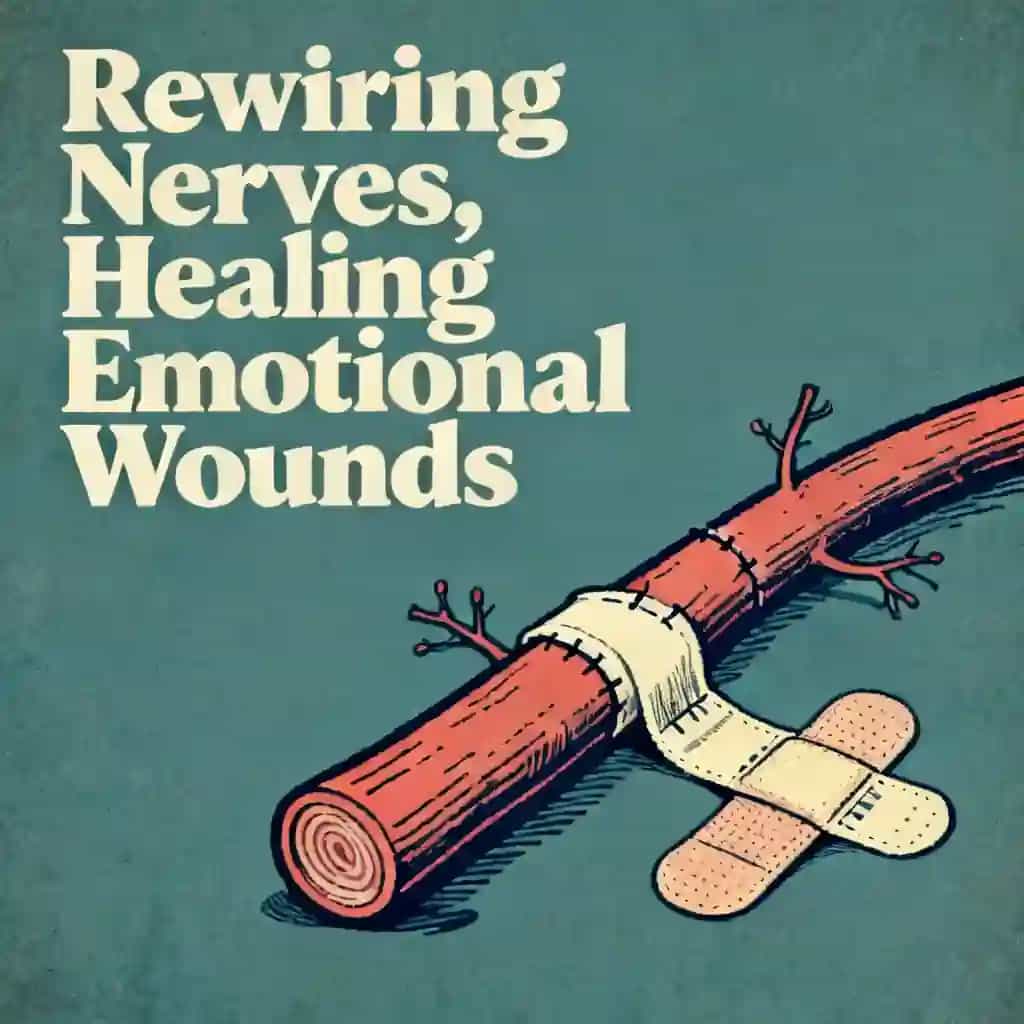
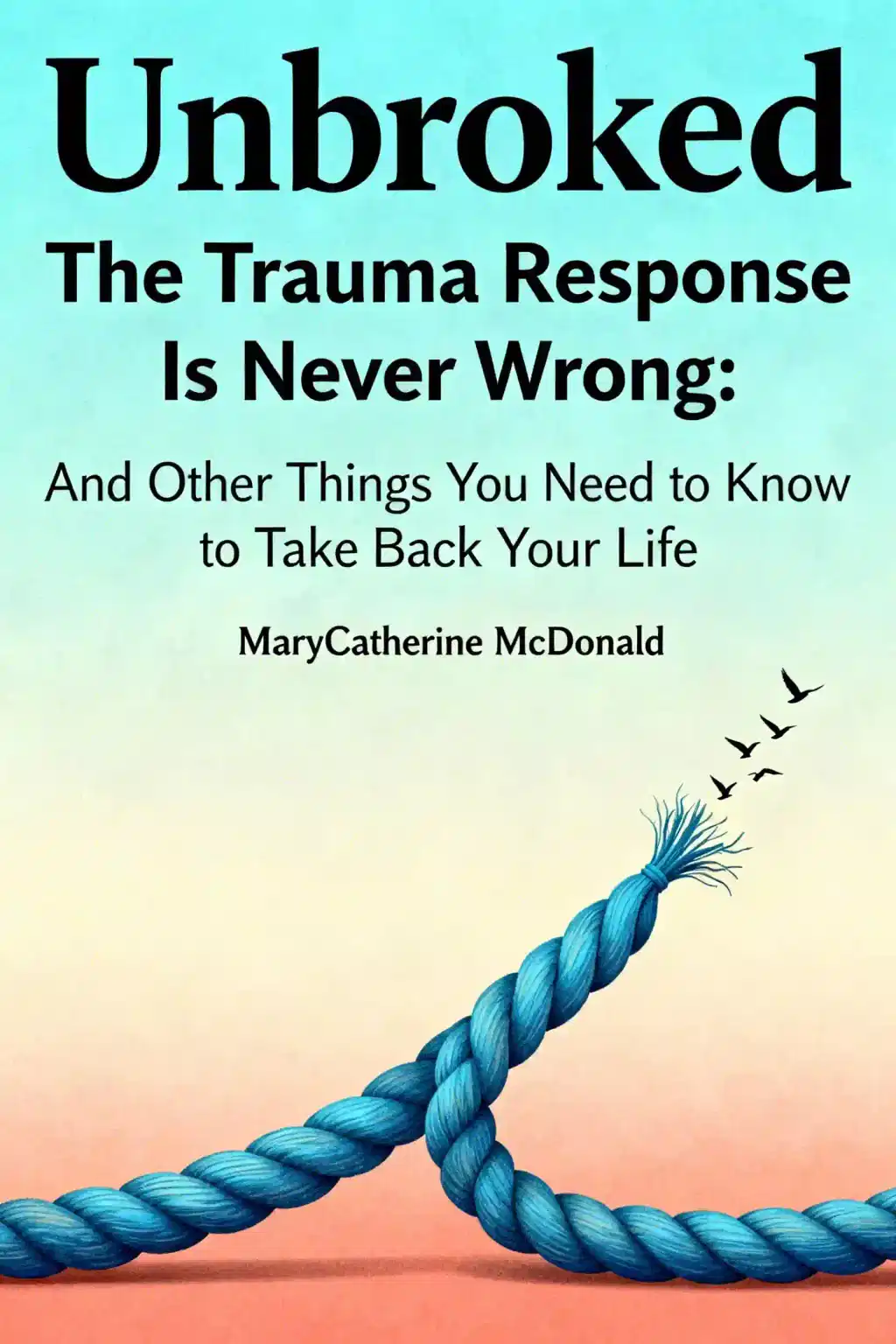
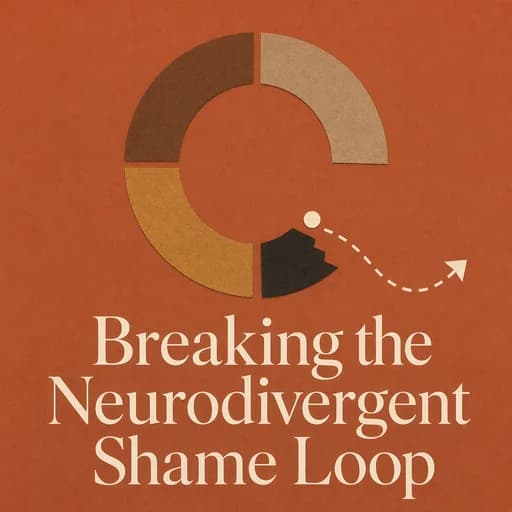
The Neurodivergent Shame Cycle: Understanding CPTSD and Chronic Shame
Explore the Neurodivergent Shame Cycle and the impact of CPTSD. Learn why chronic shame feels like a baseline state and how to navigate life beyond feeling defective.
Meilleure citation de The Neurodivergent Shame Cycle: Understanding CPTSD and Chronic Shame
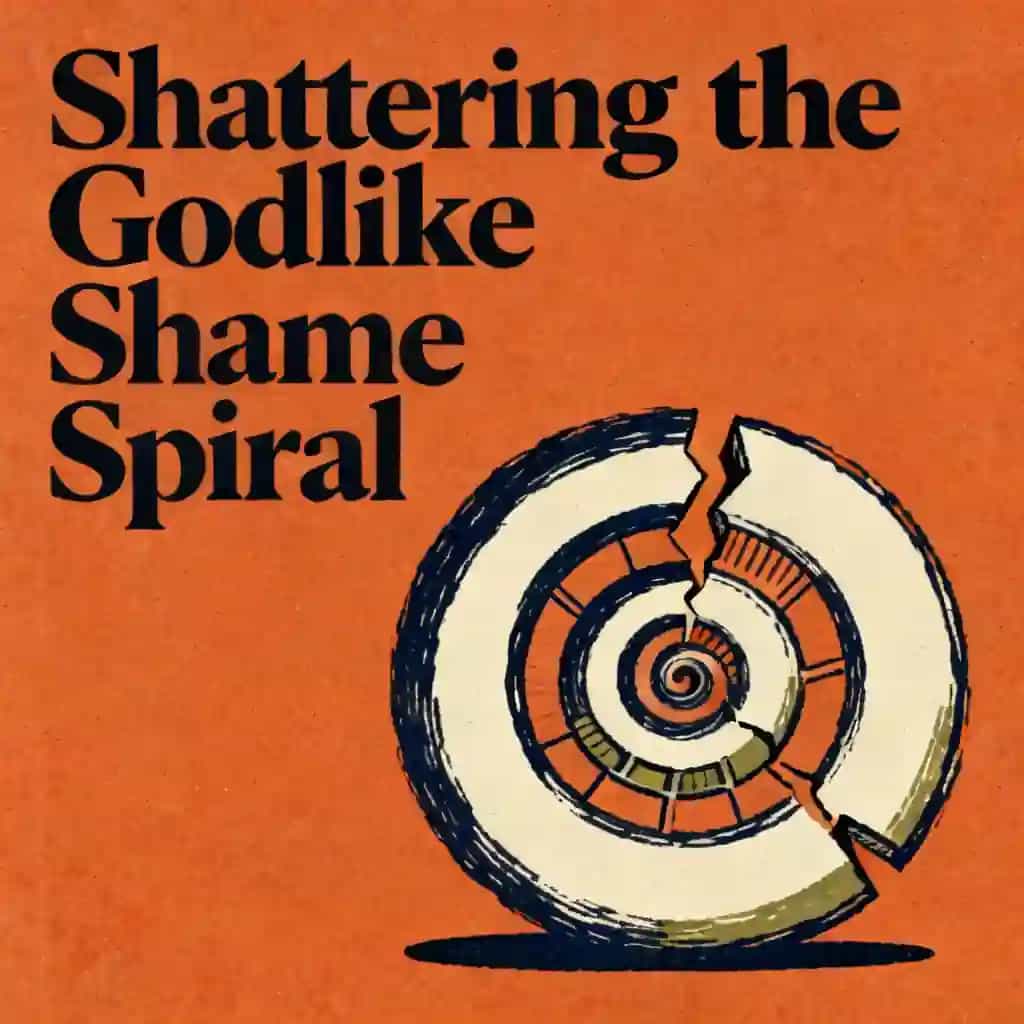
Guilt says you did something bad, but shame—especially the kind baked into a neurodivergent life—insists that you are bad. This distinction is the starting point for everything.
Generated by Cassandra
Navigating the cycle of minimizing/maximizing CPTSD experiences, letting go of the need to find a 'lesson' in triggered past emotions, and moving toward daily survival while managing chronic shame, neurodivergence, and unsafe environments (trans-inclusive context).






Foire aux questions
The Neurodivergent Shame Cycle is a process where a baseline belief of being fundamentally defective leads to a persistent state of chronic shame. Unlike temporary guilt over a specific mistake, this cycle creates a feeling of being 'too much' or 'not enough' as a secondary skin. It often affects those living with neurodivergence and Complex Post-Traumatic Stress Disorder (CPTSD), making them feel that they are inherently bad rather than just having made a mistake.
Guilt is typically tied to an action, such as forgetting a birthday or missing a deadline, suggesting that you did something bad. In contrast, chronic shame—especially within a neurodivergent life—insists that you are bad. This distinction is crucial for understanding the mental health struggles of those with CPTSD, as shame functions as a persistent background hum and a baseline state of being that suggests something is fundamentally wrong with the person.
For those with CPTSD and neurodivergence, shame often becomes a chronic experience rather than a sharp, temporary sting. This intersection can lead to a struggle where individuals fluctuate between minimizing and maximizing their pain while searching for lessons in their trauma. Because their brains or identities may not fit the standard mold, they often navigate a world that doesn't feel safe, reinforcing the belief that their baseline state of being is flawed.
Cree par des anciens de Columbia University a San Francisco
"Instead of endless scrolling, I just hit play on BeFreed. It saves me so much time."


"I never knew where to start with nonfiction—BeFreed’s book lists turned into podcasts gave me a clear path."


"Perfect balance between learning and entertainment. Finished ‘Thinking, Fast and Slow’ on my commute this week."
"Crazy how much I learned while walking the dog. BeFreed = small habits → big gains."
"Reading used to feel like a chore. Now it’s just part of my lifestyle."

"Feels effortless compared to reading. I’ve finished 6 books this month already."
"BeFreed turned my guilty doomscrolling into something that feels productive and inspiring."

"BeFreed turned my commute into learning time. 20-min podcasts are perfect for finishing books I never had time for."
"BeFreed replaced my podcast queue. Imagine Spotify for books — that’s it. 🙌"

"It is great for me to learn something from the book without reading it."
"The themed book list podcasts help me connect ideas across authors—like a guided audio journey."
"Makes me feel smarter every time before going to work"
Cree par des anciens de Columbia University a San Francisco
"Instead of endless scrolling, I just hit play on BeFreed. It saves me so much time."
"I never knew where to start with nonfiction—BeFreed’s book lists turned into podcasts gave me a clear path."
"Perfect balance between learning and entertainment. Finished ‘Thinking, Fast and Slow’ on my commute this week."
"Crazy how much I learned while walking the dog. BeFreed = small habits → big gains."
"Reading used to feel like a chore. Now it’s just part of my lifestyle."
"Feels effortless compared to reading. I’ve finished 6 books this month already."
"BeFreed turned my guilty doomscrolling into something that feels productive and inspiring."
"BeFreed turned my commute into learning time. 20-min podcasts are perfect for finishing books I never had time for."
"BeFreed replaced my podcast queue. Imagine Spotify for books — that’s it. 🙌"
"It is great for me to learn something from the book without reading it."
"The themed book list podcasts help me connect ideas across authors—like a guided audio journey."
"Makes me feel smarter every time before going to work"
"Instead of endless scrolling, I just hit play on BeFreed. It saves me so much time."
"I never knew where to start with nonfiction—BeFreed’s book lists turned into podcasts gave me a clear path."
"Perfect balance between learning and entertainment. Finished ‘Thinking, Fast and Slow’ on my commute this week."
"Crazy how much I learned while walking the dog. BeFreed = small habits → big gains."
"Reading used to feel like a chore. Now it’s just part of my lifestyle."
"Feels effortless compared to reading. I’ve finished 6 books this month already."
"BeFreed turned my guilty doomscrolling into something that feels productive and inspiring."
"BeFreed turned my commute into learning time. 20-min podcasts are perfect for finishing books I never had time for."
"BeFreed replaced my podcast queue. Imagine Spotify for books — that’s it. 🙌"
"It is great for me to learn something from the book without reading it."
"The themed book list podcasts help me connect ideas across authors—like a guided audio journey."
"Makes me feel smarter every time before going to work"
"Instead of endless scrolling, I just hit play on BeFreed. It saves me so much time."
"I never knew where to start with nonfiction—BeFreed’s book lists turned into podcasts gave me a clear path."
"Perfect balance between learning and entertainment. Finished ‘Thinking, Fast and Slow’ on my commute this week."
"Crazy how much I learned while walking the dog. BeFreed = small habits → big gains."
"Reading used to feel like a chore. Now it’s just part of my lifestyle."
"Feels effortless compared to reading. I’ve finished 6 books this month already."
"BeFreed turned my guilty doomscrolling into something that feels productive and inspiring."
"BeFreed turned my commute into learning time. 20-min podcasts are perfect for finishing books I never had time for."
"BeFreed replaced my podcast queue. Imagine Spotify for books — that’s it. 🙌"
"It is great for me to learn something from the book without reading it."
"The themed book list podcasts help me connect ideas across authors—like a guided audio journey."
"Makes me feel smarter every time before going to work"