
Thank You for Being Late: An Optimist's Guide to Thriving in the Age of Accelerations

Aperçu de Thank You for Being Late
In "Thank You for Being Late," Friedman decodes our accelerating world where technology, globalization, and climate change converge. Featured on the US Air Force Chief's reading list, this "humane and empathetic" guide offers what Bloomberg's editor-in-chief called "part personal odyssey, part common-sense manifesto" for thriving amid chaos.
- Moore’s Law drives exponential tech growth reshaping global markets and climate challenges.
- 2007’s supernova moment fused smartphones, sensors, and cloud computing into societal transformation.
- Adapt faster to accelerations through lifelong learning and responsive governance frameworks.
- Globalization demands hybrid solutions blending ethics, innovation, and cross-sector collaboration.
- Climate change acceleration requires radical entrepreneurship beyond traditional policy tools.
- Pausing unlocks clarity in hyper-connected worlds dominated by algorithmic noise.
- Build trust in fragmented societies by prioritizing local community resilience.
- Ethical AI integration hinges on human-centered design and continuous adaptation.
- Mother Nature’s feedback loops demand urgent climate-tech synergy for mitigation.
- Workplace survival hinges on adding value through creative problem-solving questions.
- The age of accelerations rewards hybrid thinkers who bridge analog and digital.
- Thanking latecomers creates reflection spaces amid relentless technological disruption.
À propos de l'auteur de Thank You for Being Late
Thomas Loren Friedman is the Pulitzer Prize-winning author of Thank You for Being Late: An Optimist’s Guide to Thriving in the Age of Accelerations and a globally recognized authority on globalization, technology, and geopolitical trends.
A foreign affairs columnist for The New York Times since 1981, Friedman has earned three Pulitzer Prizes for his incisive reporting on Middle Eastern conflicts, counterterrorism, and environmental policy. His bestselling works, including The World Is Flat and From Beirut to Jerusalem, blend investigative journalism with systemic analysis of 21st-century challenges, cementing his reputation as a leading interpreter of interconnected global systems.
Thank You for Being Late reflects Friedman’s career-long focus on adaptation amid technological and ecological disruption, drawing on decades of firsthand reporting across 100+ countries. The book builds on themes from his earlier New York Times bestsellers like Hot, Flat, and Crowded and The Lexus and the Olive Tree, which have collectively sold over 8 million copies worldwide. Translated into 35 languages, Friedman’s works are frequently cited in academic curricula and policy debates. The World Is Flat alone has sold 4.5 million copies and won the Financial Times/Goldman Sachs Business Book of the Year Award.
FAQ sur Thank You for Being Late
What is Thank You for Being Late about?
Thank You for Being Late by Thomas L. Friedman explores how rapid technological advancements, globalization, and climate change are reshaping modern life. Friedman argues these "accelerations" demand adaptability, emphasizing the value of pausing to reflect, fostering community resilience, and embracing lifelong learning. The book blends personal anecdotes, global case studies, and policy analysis to offer strategies for thriving in turbulent times.
Who should read Thank You for Being Late?
This book is ideal for readers seeking to understand global trends, policymakers addressing technological disruption, and individuals navigating career or societal changes. Friedman’s insights appeal to those interested in geopolitics, environmental sustainability, and the ethical implications of innovation. Its optimistic tone makes it accessible to both general audiences and experts.
Is Thank You for Being Late worth reading?
Yes—Friedman’s interdisciplinary approach provides a framework for understanding 21st-century challenges. While critics note its broad scope, the book’s actionable advice on adaptability, collaboration, and reflection makes it a valuable resource for anyone grappling with rapid change. It’s particularly relevant for professionals in tech, education, or sustainability.
What are the three accelerations in Thank You for Being Late?
Friedman identifies technology (e.g., AI, Moore’s Law), globalization (interconnected economies/cultures), and climate change as the defining accelerations. He argues their convergence creates unprecedented disruptions, requiring systemic solutions like ethical innovation, inclusive policies, and environmental stewardship.
How does Thank You for Being Late address the "age of accelerations"?
The book advocates strategic pauses for reflection, community-building to counter isolation, and lifelong learning to keep pace with change. Friedman highlights models like Minnesota’s civic engagement initiatives and Kenya’s mobile banking revolution as examples of adaptive success.
What is the "supernova" in Friedman’s book?
Friedman uses "supernova" to describe the 2007 tech inflection point—marked by the iPhone’s launch, cloud computing, and social media. This era unleashed exponential innovation but also exacerbated inequality, political polarization, and environmental strain, necessitating ethical governance.
What critiques exist about Thank You for Being Late?
Critics argue the book’s breadth sacrifices depth, with some sections feeling anecdotal rather than analytical. Others note its optimism downplays systemic inequities. However, most praise its accessibility and urgency in addressing global challenges.
How does Friedman connect climate change to technology?
He posits that while tech advancements like renewable energy mitigate climate impacts, they also drive resource consumption. Friedman urges balancing innovation with sustainability, citing examples like smart grids and circular economies as pathways to decouple growth from environmental harm.
What are key quotes from Thank You for Being Late?
- “When you press pause, you leave time for others to catch up.”
- “The three largest forces on the planet—technology, globalization, and climate change—are all accelerating at once.”
These emphasize reflection and the interconnectedness of global challenges.
How does Thank You for Being Late relate to career development?
Friedman stresses continuous skill-building (e.g., STEM/soft skills), entrepreneurial agility, and cross-industry collaboration as essentials for thriving in automated, globalized workplaces. He cites adaptive education systems and gig economy resilience as case studies.
Why is Thank You for Being Late relevant in 2025?
Post-pandemic recovery, AI ethics debates, and climate crises mirror Friedman’s predictions. The book’s focus on ethical tech governance, community-driven solutions, and adaptive mindsets remains critical for navigating ongoing disruptions.
How does Thank You for Being Late compare to Friedman’s other works?
Unlike The World Is Flat (focused on globalization), this book integrates environmental and tech lenses. It retains Friedman’s signature storytelling but adopts a more urgent, solutions-oriented tone, reflecting the compounding crises of the 2020s.
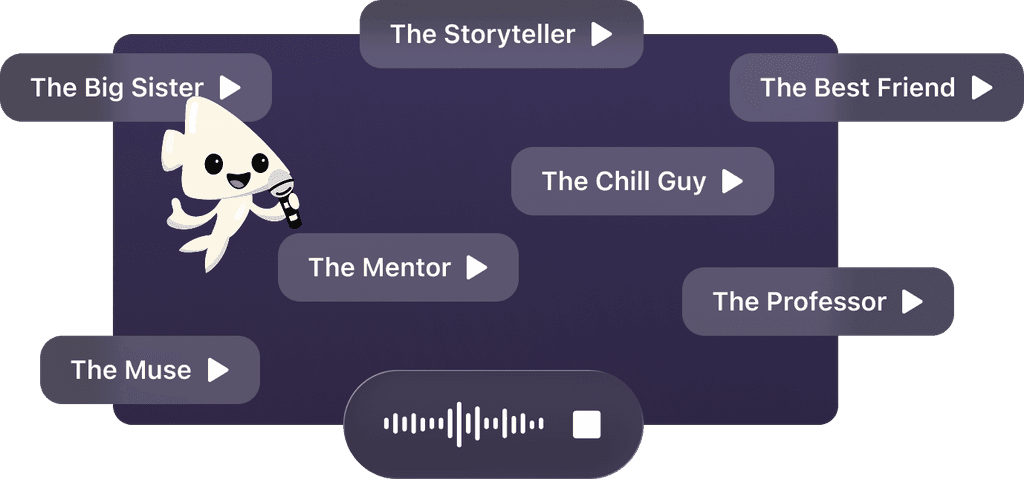
Ressentez le livre à travers la voix de l'auteur
Transformez les connaissances en idées captivantes et riches en exemples
Capturez les idées clés en un éclair pour un apprentissage rapide
Profitez du livre de manière ludique et engageante
Personnages de Thank You for Being Late
- Thomas L. FriedmanAuthor and journalist exploring global change
- Ayele Z. BojiaEthiopian exile and blogger working in D.C.
- Eric "Astro" TellerCEO of Google X who modeled human adaptability
- John DoerrVenture capitalist and confidant to Steve Jobs
Thèmes clés dans Thank You for Being Late
- exponential technological growth
- human adaptability gap
- moore's law impact
- triple acceleration
- dynamic stability
Citations de Thank You for Being Late
When you press pause on human beings, they start.
Creating it "nearly broke the company."
Technology is changing faster than most people can absorb.
The cloud has become more profound.
Explorez Votre Façon d'Apprendre
 Mode Résumé Rapide
Lisez ou écoutez le résumé de Thank You for Being Late en 9 minutes
Décomposez les idées clés de Thank You for Being Late en points faciles à comprendre pour découvrir comment les équipes innovantes créent, collaborent et grandissent.

 Mode Fun
Leçons de Thank You for Being Late Racontées en Histoires de 23 Min
Découvrez Thank You for Being Late à travers des récits vivants qui transforment les leçons d'innovation en moments mémorables et applicables.
 Mode Personnaliser
Découvrez Thank You for Being Late dans votre propre style d’apprentissage
Posez vos questions, choisissez votre style d’apprentissage et co-créez des idées qui vous correspondent vraiment.
Cree par des anciens de Columbia University a San Francisco
"Instead of endless scrolling, I just hit play on BeFreed. It saves me so much time."


"I never knew where to start with nonfiction—BeFreed’s book lists turned into podcasts gave me a clear path."


"Perfect balance between learning and entertainment. Finished ‘Thinking, Fast and Slow’ on my commute this week."
"Crazy how much I learned while walking the dog. BeFreed = small habits → big gains."
"Reading used to feel like a chore. Now it’s just part of my lifestyle."

"Feels effortless compared to reading. I’ve finished 6 books this month already."
"BeFreed turned my guilty doomscrolling into something that feels productive and inspiring."

"BeFreed turned my commute into learning time. 20-min podcasts are perfect for finishing books I never had time for."
"BeFreed replaced my podcast queue. Imagine Spotify for books — that’s it. 🙌"

"It is great for me to learn something from the book without reading it."
"The themed book list podcasts help me connect ideas across authors—like a guided audio journey."
"Makes me feel smarter every time before going to work"
Cree par des anciens de Columbia University a San Francisco
"Instead of endless scrolling, I just hit play on BeFreed. It saves me so much time."
"I never knew where to start with nonfiction—BeFreed’s book lists turned into podcasts gave me a clear path."
"Perfect balance between learning and entertainment. Finished ‘Thinking, Fast and Slow’ on my commute this week."
"Crazy how much I learned while walking the dog. BeFreed = small habits → big gains."
"Reading used to feel like a chore. Now it’s just part of my lifestyle."
"Feels effortless compared to reading. I’ve finished 6 books this month already."
"BeFreed turned my guilty doomscrolling into something that feels productive and inspiring."
"BeFreed turned my commute into learning time. 20-min podcasts are perfect for finishing books I never had time for."
"BeFreed replaced my podcast queue. Imagine Spotify for books — that’s it. 🙌"
"It is great for me to learn something from the book without reading it."
"The themed book list podcasts help me connect ideas across authors—like a guided audio journey."
"Makes me feel smarter every time before going to work"
"Instead of endless scrolling, I just hit play on BeFreed. It saves me so much time."
"I never knew where to start with nonfiction—BeFreed’s book lists turned into podcasts gave me a clear path."
"Perfect balance between learning and entertainment. Finished ‘Thinking, Fast and Slow’ on my commute this week."
"Crazy how much I learned while walking the dog. BeFreed = small habits → big gains."
"Reading used to feel like a chore. Now it’s just part of my lifestyle."
"Feels effortless compared to reading. I’ve finished 6 books this month already."
"BeFreed turned my guilty doomscrolling into something that feels productive and inspiring."
"BeFreed turned my commute into learning time. 20-min podcasts are perfect for finishing books I never had time for."
"BeFreed replaced my podcast queue. Imagine Spotify for books — that’s it. 🙌"
"It is great for me to learn something from the book without reading it."
"The themed book list podcasts help me connect ideas across authors—like a guided audio journey."
"Makes me feel smarter every time before going to work"
"Instead of endless scrolling, I just hit play on BeFreed. It saves me so much time."
"I never knew where to start with nonfiction—BeFreed’s book lists turned into podcasts gave me a clear path."
"Perfect balance between learning and entertainment. Finished ‘Thinking, Fast and Slow’ on my commute this week."
"Crazy how much I learned while walking the dog. BeFreed = small habits → big gains."
"Reading used to feel like a chore. Now it’s just part of my lifestyle."
"Feels effortless compared to reading. I’ve finished 6 books this month already."
"BeFreed turned my guilty doomscrolling into something that feels productive and inspiring."
"BeFreed turned my commute into learning time. 20-min podcasts are perfect for finishing books I never had time for."
"BeFreed replaced my podcast queue. Imagine Spotify for books — that’s it. 🙌"
"It is great for me to learn something from the book without reading it."
"The themed book list podcasts help me connect ideas across authors—like a guided audio journey."
"Makes me feel smarter every time before going to work"

Telecharger le resume de Thank You for Being Late
Obtenez le resume de Thank You for Being Late en PDF ou EPUB gratuit. Imprimez-le ou lisez-le hors ligne a tout moment.


