Iron John
A Book About Men
Aperçu de Iron John
In "Iron John," Robert Bly resurrects forgotten male initiation rites through mythology. This 1990 bestseller sparked the men's movement, challenging modern masculinity. What primal force are men missing? Matthew Fox and countless seekers found answers here, reclaiming their authentic wildness beyond drum circles.
Thèmes clés dans Iron John
- mythic masculine identity
- wild man archetype
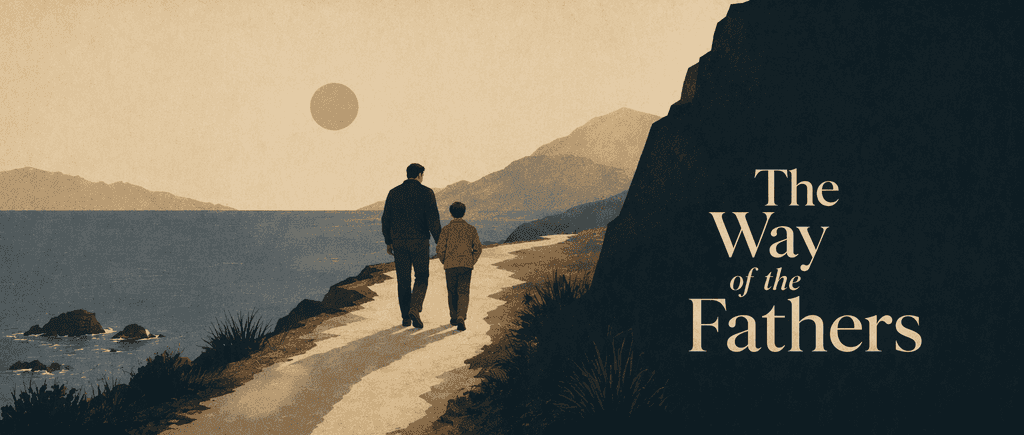
- father-son initiation
- jungian shadow work
- male emotional healing
Citations de Iron John
Modern men have lost touch with the Wild Man archetype.
The golden ball symbolizes the radiant wholeness and joy.
The Wild Man represents everything that civilization has taught us to fear about masculinity.
Modern men feel fundamentally insecure in their masculine identity.
Personnages de Iron John
- Robert BlyAuthor and leader of the mythopoeic men's movement
- Iron JohnThe Wild Man archetype and title figure
- The BoyThe protagonist who seeks his lost golden ball
- Russell BrandDevoted follower of the book's teachings
À propos de l'auteur
À propos de l'auteur de Iron John
Robert Elwood Bly (1926–2021) was a National Book Award-winning poet and a pioneer of the mythopoetic men’s movement. He authored Iron John: A Book About Men, a groundbreaking exploration of masculinity that wove together psychology, mythology, and personal growth.
A Minnesota native and the state’s first poet laureate, Bly drew from his decades of poetic work—including the acclaimed The Light Around the Body, which received the 1968 National Book Award—and translations of Rilke and Neruda to reframe modern male identity.
His critique of emotionally detached masculinity in Iron John emerged alongside his co-founding of American Writers Against the Vietnam War and his editorship of the influential literary journal The Fifties (later The Sixties and The Seventies). Bly’s 1988 Phil Donahue Show appearance catalyzed the book’s rise to a New York Times bestseller, sparking global discussions about gender roles.
Translated into more than 15 languages, Iron John remains a touchstone of men’s studies, complemented by Bly’s other works like Stealing Sugar from the Castle and Talking into the Ear of a Donkey.
Telecharger le resume de Iron John
Obtenez le resume de Iron John en PDF ou EPUB gratuit. Imprimez-le ou lisez-le hors ligne a tout moment.
FAQ sur ce livre
Iron John by Robert Bly explores modern masculinity through the lens of the Grimm fairy tale "Iron John," framing the "Wild Man" archetype as a primal force men must reconnect with to achieve emotional depth and authentic identity. Bly critiques the "soft male" phenomenon—men overly nurtured by mothers and disconnected from fathers—and advocates for rituals, nature, and creativity to reclaim balanced masculinity.
Men questioning traditional gender roles, therapists exploring male psychology, and readers interested in myth-based self-help will find value. Bly’s insights resonate with those navigating father-son dynamics, emotional suppression, or a lack of initiation rites in modern culture. Critics note its oversimplifications, but it remains influential for discussions on masculinity.
Yes, as a seminal 1990s text that sparked the men’s movement, it offers provocative ideas on reclaiming masculinity through myth. While criticized for romanticizing ancient rituals and lacking practical solutions, its analysis of emotional repression and the "Wild Man" archetype provides a foundation for deeper exploration.
The Wild Man symbolizes untamed, instinctual masculinity—a counterbalance to the "savage" (destructive) or "soft" (passive) male. Bly argues reconnecting with this archetype via nature, physicality, and mentorship fosters resilience, creativity, and emotional maturity, helping men avoid societal emasculation.
Bly links distant or absent fathers to men’s struggles with identity, asserting that paternal guidance is crucial for initiating boys into adulthood. He laments the loss of rites of passage and advocates for intergenerational bonding to transmit masculine wisdom.
The "soft male" describes men overly influenced by maternal nurturing, leading to passivity, dependency, and a lack of assertiveness. Bly argues this stems from insufficient masculine role models, leaving men disconnected from their innate strength and purpose.
The story of Iron John—a wild man mentoring a prince through trials—serves as a metaphor for masculine maturation. Bly analyzes each stage (separation from parents, confronting challenges, embracing leadership) to outline a path toward integrated masculinity.
Critics argue Bly oversimplifies gender issues, ignores socio-economic factors, and promotes nostalgic, impractical solutions (e.g., drum circles). Others find his poetic style meandering and his reliance on mythology academically tenuous.
Bly suggests rituals (e.g., men’s groups), immersion in nature, creative expression, and confronting emotional wounds. By embracing the Wild Man’s energy, men can balance strength with sensitivity, escaping societal emasculation.
Contemporary debates on toxic masculinity, male loneliness, and identity crises mirror Bly’s themes. His call for emotional authenticity and redefined manhood remains a touchstone for those seeking alternatives to rigid gender norms.
The "Wild Man" embodies constructive, instinctual power—protecting, creating, and guiding. The "savage" man, by contrast, externalizes pain through violence or domination, reflecting unresolved trauma and a lack of self-awareness.
Bly argues modern society’s lack of initiation rituals leaves men stunted, unable to transition from boyhood. He advocates for symbolic ceremonies to mark maturity, foster accountability, and connect men to ancestral masculine wisdom.