Aperçu de Conscious Business
Revolutionize your workplace with "Conscious Business" - Fred Kofman's Nautilus Award-winning guide to ethical leadership. Discover the seven disciplines transforming organizations worldwide, from authentic communication to emotional mastery. Why are leaders replacing profit-first thinking with this unconventional approach to sustainable success?
- Conscious business prioritizes purpose over profit while serving all stakeholders
- Replace blame with unconditional responsibility to transform workplace dynamics
- Three leadership pillars: business results (It), relationships (We), personal growth (I)
- Essential integrity means aligning actions with values beyond selfish interests
- Conscious leaders practice ontological humility – embracing not-knowing as wisdom
- Negotiate constructively by seeking mutual benefit over zero-sum victories
- Emotional mastery enables leaders to respond thoughtfully vs. react impulsively
- "Response-ability" reframes challenges as opportunities for creative problem-solving
- Build trust through impeccable coordination – doing what you promise
- Conscious organizations balance technical excellence with human connection
- Shift from ego-driven success to collective fulfillment through service
- Seven transformative qualities turn ordinary managers into conscious leaders
À propos de l'auteur de Conscious Business
Fred Kofman, author of Conscious Business, is a renowned leadership advisor and pioneer in organizational culture. He has served as Google’s Vice President of Leadership Development and co-founded LinkedIn’s Conscious Business Academy.
An Argentine-American economist with a PhD from UC Berkeley, Kofman blends rigorous academic insight from his tenure as an MIT professor with decades of real-world experience advising Fortune 500 companies like Microsoft, Facebook, and General Motors. His work focuses on aligning business success with ethical leadership, emotional intelligence, and transcendent purpose—themes central to Conscious Business, which Sheryl Sandberg hailed as “the business book every executive should read.”
Kofman’s expertise extends through his trilogy Metamanagement (2001) and The Meaning Revolution: The Power of Transcendent Leadership (2018), both exploring human-centric organizational strategies. As founder of global consultancy Axialent and the Conscious Business Center International, he has trained over 15,000 executives worldwide. Conscious Business has been translated into 14 languages and remains a free audiobook, cementing its status as a cross-cultural leadership classic.
FAQ sur Conscious Business
What is Conscious Business by Fred Kofman about?
Conscious Business explores how ethical leadership, emotional intelligence, and authentic communication drive sustainable success. Fred Kofman argues that businesses thrive when they prioritize values like accountability, mutual respect, and purpose alongside profit. The book provides frameworks for resolving conflicts, fostering collaboration, and aligning organizational goals with personal fulfillment.
Who should read Conscious Business?
Leaders, managers, and entrepreneurs seeking to build ethical, high-performing teams will benefit most. It’s also valuable for professionals navigating workplace dynamics or career transitions. Kofman’s actionable advice on communication and emotional mastery applies to anyone aiming to harmonize personal values with professional goals.
Is Conscious Business worth reading?
Yes, for its blend of philosophical depth and practical tools. Kofman’s insights on overcoming victim mentalities, mastering difficult conversations, and creating purpose-driven workplaces remain relevant. The book’s emphasis on long-term sustainability over short-term gains makes it a standout in leadership literature.
What is unconditional responsibility in Conscious Business?
Unconditional responsibility means owning your actions and outcomes without blaming external factors. Kofman contrasts this with a “victim mindset,” arguing that accountability empowers individuals to proactively solve problems. This principle fosters resilience and improves decision-making in teams.
How does Conscious Business define authentic communication?
Authentic communication involves expressing thoughts honestly while respecting others’ perspectives. Kofman warns against disguising opinions as facts and emphasizes active listening to build trust. This approach reduces workplace conflicts and enhances collaborative problem-solving.
What leadership lessons does Fred Kofman emphasize?
Kofman advocates for leaders to create environments where employees grow personally and professionally. Key lessons include prioritizing emotional mastery over reactive behaviors, aligning team goals with shared values, and viewing leadership as a service to others’ development.
What are common criticisms of Conscious Business?
Some readers find Kofman’s idealism challenging to implement in profit-driven environments. Critics argue the book underestimates systemic barriers to ethical practices. However, most praise its actionable strategies for incremental cultural change.
How does Conscious Business relate to Peter Senge’s The Fifth Discipline?
Both books stress organizational learning and systemic thinking. Kofman, who collaborated with Senge at MIT, expands these ideas by integrating emotional intelligence and ethical decision-making. Conscious Business offers more tactical tools for day-to-day leadership challenges.
What quotes summarize Conscious Business?
- “Business is a platform for you to develop yourself to be fulfilled.”
- “The quicker you let go of old cheese, the sooner you find new cheese.”
These highlight Kofman’s focus on personal growth and adaptability as keys to professional success.
How can Conscious Business help resolve workplace conflicts?
The book teaches reframing conflicts as collaborative problem-solving opportunities. Techniques include separating facts from interpretations, practicing empathetic listening, and focusing on shared goals rather than positional arguments.
What is the ethnocentric stage in Kofman’s model?
The ethnocentric stage represents shifting from self-interest (“egocentric”) to prioritizing team success. Kofman argues conscious businesses thrive when employees see their well-being as intertwined with colleagues’ and the organization’s.
How does Conscious Business approach ethical dilemmas?
Kofman advises aligning decisions with core values like integrity and respect, even when inconvenient. He provides a “triple win” framework: solutions should benefit the individual, team, and organization long-term.
Ressentez le livre à travers la voix de l'auteur
Transformez les connaissances en idées captivantes et riches en exemples
Capturez les idées clés en un éclair pour un apprentissage rapide
Profitez du livre de manière ludique et engageante
Personnages de Conscious Business
- Fred KofmanAuthor, MIT professor, and business consultant
- Jeff WeinerLinkedIn CEO who implemented the book's principles
Thèmes clés dans Conscious Business
- unconditional responsibility
- mindful communication
- values based leadership
- organizational integrity
- conscious capitalism
Citations de Conscious Business
Victims maintain self-esteem by claiming innocence.
Response-ability isn't about guilt but about recognizing your power to respond to circumstances.
Integrity implies excellence and full dedication to winning.
Essential integrity provides what Kofman calls 'success beyond success'.
The victim's stance may seem easier—it protects our ego.
Explorez Votre Façon d'Apprendre
 Mode Résumé Rapide
Lisez ou écoutez le résumé de Conscious Business en 9 minutes
Décomposez les idées clés de Conscious Business en points faciles à comprendre pour découvrir comment les équipes innovantes créent, collaborent et grandissent.

 Mode Fun
Leçons de Conscious Business Racontées en Histoires de 22 Min
Découvrez Conscious Business à travers des récits vivants qui transforment les leçons d'innovation en moments mémorables et applicables.
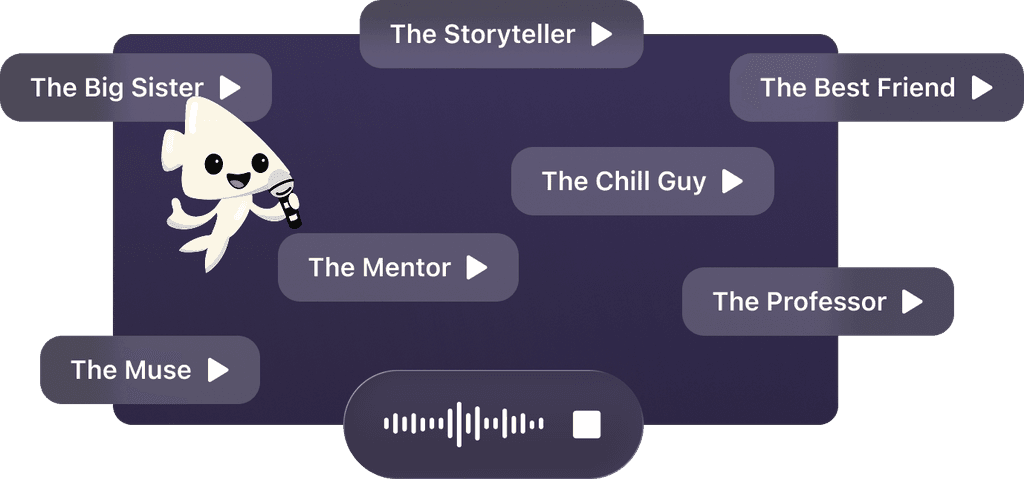
 Mode Personnaliser
Découvrez Conscious Business dans votre propre style d’apprentissage
Posez vos questions, choisissez votre style d’apprentissage et co-créez des idées qui vous correspondent vraiment.
Cree par des anciens de Columbia University a San Francisco
"Instead of endless scrolling, I just hit play on BeFreed. It saves me so much time."


"I never knew where to start with nonfiction—BeFreed’s book lists turned into podcasts gave me a clear path."


"Perfect balance between learning and entertainment. Finished ‘Thinking, Fast and Slow’ on my commute this week."
"Crazy how much I learned while walking the dog. BeFreed = small habits → big gains."
"Reading used to feel like a chore. Now it’s just part of my lifestyle."

"Feels effortless compared to reading. I’ve finished 6 books this month already."
"BeFreed turned my guilty doomscrolling into something that feels productive and inspiring."

"BeFreed turned my commute into learning time. 20-min podcasts are perfect for finishing books I never had time for."
"BeFreed replaced my podcast queue. Imagine Spotify for books — that’s it. 🙌"

"It is great for me to learn something from the book without reading it."
"The themed book list podcasts help me connect ideas across authors—like a guided audio journey."
"Makes me feel smarter every time before going to work"
Cree par des anciens de Columbia University a San Francisco
"Instead of endless scrolling, I just hit play on BeFreed. It saves me so much time."
"I never knew where to start with nonfiction—BeFreed’s book lists turned into podcasts gave me a clear path."
"Perfect balance between learning and entertainment. Finished ‘Thinking, Fast and Slow’ on my commute this week."
"Crazy how much I learned while walking the dog. BeFreed = small habits → big gains."
"Reading used to feel like a chore. Now it’s just part of my lifestyle."
"Feels effortless compared to reading. I’ve finished 6 books this month already."
"BeFreed turned my guilty doomscrolling into something that feels productive and inspiring."
"BeFreed turned my commute into learning time. 20-min podcasts are perfect for finishing books I never had time for."
"BeFreed replaced my podcast queue. Imagine Spotify for books — that’s it. 🙌"
"It is great for me to learn something from the book without reading it."
"The themed book list podcasts help me connect ideas across authors—like a guided audio journey."
"Makes me feel smarter every time before going to work"
"Instead of endless scrolling, I just hit play on BeFreed. It saves me so much time."
"I never knew where to start with nonfiction—BeFreed’s book lists turned into podcasts gave me a clear path."
"Perfect balance between learning and entertainment. Finished ‘Thinking, Fast and Slow’ on my commute this week."
"Crazy how much I learned while walking the dog. BeFreed = small habits → big gains."
"Reading used to feel like a chore. Now it’s just part of my lifestyle."
"Feels effortless compared to reading. I’ve finished 6 books this month already."
"BeFreed turned my guilty doomscrolling into something that feels productive and inspiring."
"BeFreed turned my commute into learning time. 20-min podcasts are perfect for finishing books I never had time for."
"BeFreed replaced my podcast queue. Imagine Spotify for books — that’s it. 🙌"
"It is great for me to learn something from the book without reading it."
"The themed book list podcasts help me connect ideas across authors—like a guided audio journey."
"Makes me feel smarter every time before going to work"
"Instead of endless scrolling, I just hit play on BeFreed. It saves me so much time."
"I never knew where to start with nonfiction—BeFreed’s book lists turned into podcasts gave me a clear path."
"Perfect balance between learning and entertainment. Finished ‘Thinking, Fast and Slow’ on my commute this week."
"Crazy how much I learned while walking the dog. BeFreed = small habits → big gains."
"Reading used to feel like a chore. Now it’s just part of my lifestyle."
"Feels effortless compared to reading. I’ve finished 6 books this month already."
"BeFreed turned my guilty doomscrolling into something that feels productive and inspiring."
"BeFreed turned my commute into learning time. 20-min podcasts are perfect for finishing books I never had time for."
"BeFreed replaced my podcast queue. Imagine Spotify for books — that’s it. 🙌"
"It is great for me to learn something from the book without reading it."
"The themed book list podcasts help me connect ideas across authors—like a guided audio journey."
"Makes me feel smarter every time before going to work"

Telecharger le resume de Conscious Business
Obtenez le resume de Conscious Business en PDF ou EPUB gratuit. Imprimez-le ou lisez-le hors ligne a tout moment.