Chapitre 1
The Cycle of Sexual Compulsion: Breaking Free from Addiction's Grip
Have you ever felt a compulsion so strong that it seemed to control your every thought? Imagine Bob, a successful businessman who sneaks away during the Super Bowl halftime to indulge his pornography addiction, only to have his ten-year-old daughter walk in and witness him in the act. This devastating moment cost him his marriage and normal relationship with his child. Yet this rock-bottom experience finally drove Bob to seek help and ultimately transform his life.
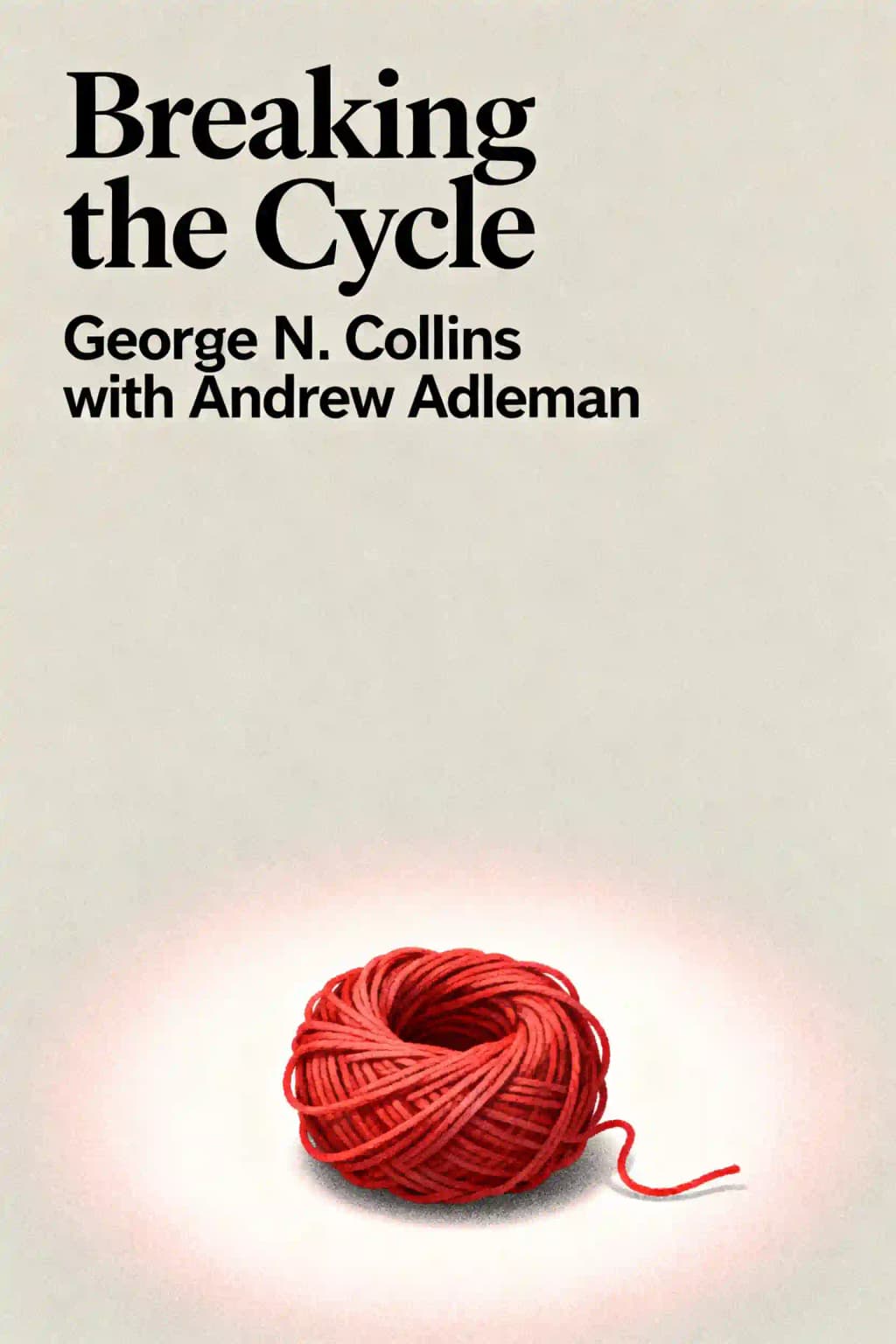
This groundbreaking work on sexual addiction has become a cornerstone text in recovery communities worldwide. Endorsed by celebrities like Russell Brand and Terry Crews who have publicly discussed their own struggles with sexual compulsion, the book offers practical techniques that have helped thousands break free from the cycle of addiction. Its cultural impact extends beyond individual recovery, challenging societal norms around objectification while providing a roadmap for authentic intimacy.
Chapitre 2
Understanding the Nature of Sexual Addiction
Sexual addiction isn't just about sex-it's about using sexual behavior as a coping mechanism for uncomfortable feelings. The author prefers the term "compulsion" over "addiction" since it better describes the overwhelming need to engage in certain behaviors, though both terms are used interchangeably throughout the book. Patrick Carnes, a pioneer in the field, describes addiction as substituting "a sick relationship to an event or process for healthy relationships."
A key insight emerges early: "You can't get enough of what won't satisfy you." If you keep pursuing something repeatedly without finding satisfaction, you're experiencing addiction. This explains why sexual compulsives continually seek more extreme experiences or greater quantities-the temporary relief never addresses the underlying issues.
Many develop these patterns in dysfunctional early environments where they lacked proper guidance about healthy sexuality. For young men especially, sexual behavior becomes a powerful coping mechanism-it feels good and provides temporary relief from negative emotions. The secrecy around these behaviors makes them particularly problematic, as "we're only as sick as our secrets."
Almost anyone who suffered childhood trauma can develop sex addiction. Early sexual stimulation creates patterns that seek to recreate those feelings. The author shares his personal experience with emotional/covert incest, where his mother inappropriately used him for physical affection and emotional support. This damaged his view of relationships, making pornography and objectification feel safer than genuine intimacy with women.
Society further complicates matters by bombarding us with contradictory messages about sex that are both stimulating and repressive. Healthy sexual development involves moving beyond physical objectification toward genuine intimacy and connection. Those stuck objectifying sex remain trapped in adolescent-like compulsive behavior focused on bodies rather than true connection.
Chapitre 3
The Amphitheater: Identifying Your Internal Voices
One of the most powerful metaphors introduced is the personal amphitheater-a visualization technique that helps identify the different subpersonalities or "voices" that influence our actions from the darkness of our unconscious. The author describes standing in a dark amphitheater with spotlights blinding him while unseen voices from the stands urge him toward sexual acting out.
These voices represent subpersonalities-temporary personality modes that emerge to cope with triggering situations like loneliness or fear of rejection. By "turning on the lights" in your mental amphitheater, you can identify which part of yourself is speaking and demanding sexually compulsive actions.
Subpersonalities develop from difficult past experiences, often in childhood. These voices continually speak in our minds with messages like "You're not good enough" or "Go to Hooters where girls won't reject you." Even those from "good" homes have these internal voices based on old stories that are no longer true but still wield power, keeping us prisoners of our past and triggering negative emotions like shame, fear, and anger.
By dialoging with these subpersonalities in your mental amphitheater, you can shift control away from the destructive parts of yourself. Everything you do as an addict stems from stories you've told yourself, while your essential self needs no story. You must be relentless in confronting these subpersonalities-more persistent than the Looker, the Drinker, or the Porn Guy.
The author provides a practical exercise: spend fifteen minutes imagining your personal amphitheater with lights on, give your addict a nickname, and speak to it as a real person. Writing down these dialogues strengthens their impact and helps diminish the addict's power over time.
Chapitre 4
You Are Not Your Mind: Breaking Free from Compulsive Thinking
Your life resembles a soap opera written by your mind, with characters like "the Screwup" calling from your personal amphitheater. The mind functions as a vast library of memories, feelings, and projections that processes everything through historical recollections. The author illustrates this with his own pizza experiences-how every slice was unconsciously compared to childhood memories at Cutters Bar & Grill. This "euphoric recall" demonstrates how we filter present experiences through past ones, making it difficult to experience life freshly.
Sexual addicts often engage in euphoric recall, remembering past sexual experiences or fantasizing about future ones while avoiding connection with partners and present feelings. The author emphasizes experiencing each moment freshly rather than comparing it to distorted memories of first sexual experiences. Citing Eckhart Tolle, he explains that 80-90 percent of thinking is repetitive, useless, and often harmful.
The section includes Larry's story-a shy music industry worker who confronted his "Porn Guy" subpersonality outside a porn shop, texting his internal dialogue to the author as he successfully resisted the urge to enter. Larry's ability to take a stand against his addict came after sufficient work on his sexually compulsive behavior, reaching a point where choice became possible. Some clients describe this experience as a "death" of their old story-a dying into a better life.
Ten years after graduate school, the author encountered spiritual teachings, particularly Eckhart Tolle's, that transformed his self-understanding. Previously believing himself to be "only" a body with semicontrolled feelings and emotions, reading "The Power of Now" helped him recognize the affliction of compulsive thinking. He realized he wasn't his mind or thoughts, but separate from the story he'd constructed about himself based on childhood experiences.
When he finally understood he wasn't his mind or his story, he began experiencing freedom. Through exercises like dialoguing with subpersonalities, one can separate from compulsive thinking and experience being more than what the mind dictates.
Chapitre 5
Investigating Your Unique History: The Detective Work of Recovery
Understanding your compulsive behavior requires becoming a detective investigating your own life. To break free from sexual addiction, you must discover the origins of your unique story and recognize that you are not your story. As Einstein suggested, solving a problem requires different thinking than what created it.
Uncovering your personal history reveals the fictional story driving your compulsions. Through detective work, you can discover the truth of who you are, disempowering your story and empowering yourself to overcome compulsions.
The chapter illustrates this with Ryan, a professional baseball player whose father was a pretentious playboy and whose mother was inattentive. Having never witnessed genuine intimacy between his parents, Ryan absorbed this pattern, marrying a stripper but feeling dissatisfied when she became a busy mother. His compulsive sexual behavior stemmed directly from his childhood experiences with pretense and lack of intimacy.
Similarly, Keith's story demonstrates how a sexual experience with a sixteen-year-old cheerleader babysitter when he was twelve became his blueprint for relationships, shaping his understanding of intimacy and contributing to his failing marriage.
Examining your history is like being a detective investigating clues to your compulsive behavior. The author compares this process to updating obsolete software installed during childhood. This investigation isn't about blaming parents (who "did the best they could") but about understanding the origins of your behavior patterns.
Understanding when your compulsive sexual behavior began helps reveal how you've constructed your addiction story. Perhaps you found your father's porn when lonely, or experienced rejection that led you to retreat into fantasy. Writing down answers deepens self-understanding and fosters compassion.
Your career choices may be influenced by your addiction. Some choose jobs with unstructured time specifically to accommodate their compulsive behaviors, like sales positions allowing visits to strip clubs. A key goal is learning to convert the energy used by sexual addiction into positive adult behavior, including reconsidering what you truly want from your career and life rather than merely enduring work to reach weekends.
Chapitre 6
What's Always True: Connecting with Your Essential Self
Understanding what's always true can bring you back to yourself when compulsive desires arise, helping you stay in control rather than reacting negatively. Your real addiction is to your mind, which will continue operating the same way unless it changes.
By imagining your subpersonalities as separate entities in your amphitheater, you begin recognizing you're more than these voices and that you're actually in charge. Writing down dialogues with these subpersonalities helps focus your mind and facilitates change. You possess what some call a "higher self" or what the author prefers to call your "essential self" or "essence"-what's always true about you beyond your thoughts and stories.
Your subpersonalities perpetuate your story-that you need prostitutes, chat rooms, or porn because women will reject you. This is the tail wagging the dog. Once you experience that you're not your story, you can feel yourself in charge. Your essence is always true and has your best interests at heart, unlike subpersonalities that lie about needing immediate sexual gratification.
Who you think you are is a bundle of experiences based on sensory perceptions, with your mind constantly spinning stories that remove you from the present. What's always true is your conscious awareness-just being present without external stimulation. You've been trained to multitask, becoming more of a "human doing" than a "human being." By asking yourself "what's always true?" in triggering moments, you can return to conscious awareness and avoid negative actions.
Your essence is what you were born with before accumulating experiences and memories. As a child, you depended on sensory experiences to cope when your needs weren't met. For those subjected to inappropriate sexual boundaries or emotional incest, pornography or paid sex became ways to avoid intimacy confusion. Getting in touch with what's always true enables you to resist compulsive behavior and be your authentic self rather than who you think you are.
The goal is creating a filter in your amphitheater to handle compulsive urges. By becoming your essence-finding the real father, mentor, or guide within-you'll eventually not need addiction books. As you practice experiencing your essence, even briefly, you can use it to filter out negative subpersonalities.
Chapitre 7
Breaking the Cycle: Practical Techniques for Managing Triggers
Understanding your addictive triggers is essential for breaking the cycle of sex addiction. Triggers can be as simple as seeing blue sky or hearing high heels clicking-seemingly innocent stimuli that become connected to sexual acting out through euphoric recall. These triggers create an automatic response pathway that can hijack your rational mind and lead to compulsive behavior.
The author shares his personal experience with triggers: "About ten years ago, I was walking up to my counseling office when I heard high heels clicking below. This sound triggered a strange internal sensation-a historically sexual subpersonality awakening within me. Looking at the beautiful California sky through my window intensified the feeling, instantly transforming me back into the powerless sex addict from my early life."
By recognizing this connection and sinking into his essence, he dissolved the trigger's power. He's never had another "Blue Sky and High Heels" experience since demystifying it.
We're all programmed by our history-most of this programming is fine, but for sex addicts, certain triggers can lead to compulsive behavior. Any combination of sensory experiences can cause sexualization based on memory associations. The key isn't to avoid blue skies forever, but to become aware that specific combinations trigger you.
Being triggered means your addict is pulling the trigger on the gun he's holding to your head, pressuring you into doing something stupid. You can learn to resist by practicing with less powerful triggers first-noticing what foods trigger you, what makes you angry at coworkers, or which drivers annoy you in traffic.
The process involves three steps: first, notice situations that trigger you; second, demystify the sensations of inappropriate desire by staying connected to your essence; third, prove to yourself you can resist what previously triggered acting out. This might mean walking into a former temptation spot and leaving without acting out, or setting computer limits and honoring them. Each success feels heroic and builds your recovery strength.
Notice when your attention locks in on sexualizing or objectifying someone-this is your trigger moment. The "Magic Fingers" sensation is that energy strumming through your chest and solar plexus, eventually moving toward your genitals. By creating a cue word like "Magic Fingers," you can alert yourself to what's happening and break the pattern.
Chapitre 8
First Thought Wrong: Questioning Your Addict's Thinking
Mark Lundholm, a comedian specializing in 12-step humor, coined the concept "First Thought Wrong"-the recognition that an addict's first thought is usually the wrong thought. Your addict's thinking process follows predictable patterns when triggered by attractive people. The first several thoughts typically push toward objectification and fantasy: "I want to have sex with her," followed by "I just want to look and imagine," then "I'll just use my X-ray vision."
Recognizing this pattern as "First Thought Wrong" gives you the power to interrupt it before acting out. Combined with the Red Light Guy technique, you can catch yourself early in the process and redirect your attention.
To reinforce awareness of First Thought Wrong, place sticky notes with this phrase in strategic locations-your car, computer, bathroom mirror. Add a smiley face as a reminder to see humor in these situations. Not every first thought is wrong, but when addiction, fear, shame or judgment kick in, your first thought typically moves you toward addiction.
Tony's story illustrates this concept perfectly. New to sex addiction counseling, he found himself fixated on a female presenter's breasts during a work presentation. When lunch break came, his first thought was to visit a strip club-but he recognized this as First Thought Wrong. His second thought acknowledged the shame and cost of acting out. His third thought-to get an X-rated DVD-was also wrong. Finally, his fourth thought asked "What else?" and he chose ice cream instead.
After recognizing First Thought Wrong, the next step is asking "What Else?"-finding alternative actions instead of acting out sexually. This could be a physical reward like Tony's ice cream, or talking to trusted people. Being accountable to others about your First Thought Wrong process helps disrupt addictive thinking.
With practice and other techniques from the book, you can reach a point where addictive coping strategies lose their pull. Freedom from automatic negative thoughts means freedom from automatic acting out.
Chapitre 9
Taking a Stand: Becoming Your Own Hero
When your mind bombards you with nonstop addictive thoughts, physically raise your hands and declare "Shut up!" The author describes a breakthrough during a week-long silent retreat in Santa Barbara. For three consecutive nights at 2 a.m., an inner voice demanded he leave the retreat: "Get the hell out of here! This is ridiculous!" By the third night, as the voice persisted during a thunderstorm, he spontaneously sat up, raised his hands and shouted, "Kill me or shut the fuck up!"-taking a definitive stand against his addict self. He immediately fell into a deep sleep and has never since woken with nighttime worries.
When you let your addict subpersonalities control you, the tail is wagging the dog. But you're stronger than your addiction, which is merely a childhood coping strategy. As an adult, you can choose better standards. Do you want to continue objectifying women and pretending to see through their clothes? Or do you want to see real human beings with histories and feelings?
Steve, a client addicted to porn magazines, called the author in distress after spotting a Playboy on the roadside. The author instructed him to return to the magazine and, remarkably, urinate on it. This unconventional technique broke his usual experience with porn. By literally taking a stand over the magazine, Steve shifted his relationship with pornography. Since that day, his compelling desire for porn diminished significantly.
HALT is an acronym for triggers that lead to acting out: Hurt, Angry, Lonely, Tired (or Hungry). Combined with First Thought Wrong, HALT helps you recognize triggers and stop your addict from acting out. Saying "HALT" makes you accountable to yourself, forcing you to pause and consider consequences before acting on impulses.
Almost everyone who breaks free from sexually compulsive behavior experiences a moment of clarity when they realize they are not their addict. Reward yourself when this happens. What have you always wanted to do, have, or experience? Without acting out and feeling bad about yourself, you'll have more time, energy, and willingness to create a better life.
Chapitre 10
The Incredible Pleasure of True Intimacy
The sex addict's excitement comes from objectification fantasies, but real fulfillment comes from genuine connection with a loved one-a deeper beauty that's truly satisfying unlike addiction's endless craving. The addict's life is one of loneliness, shame and pain, and honesty is the first step toward changing these patterns of relating.
When talking to your partner about your addiction, honesty is essential but details can be harmful. Explain truthfully that you're going through a learning process, express genuine remorse, and acknowledge their support without sharing specifics that might become painful ammunition later.
Consider how it feels to live with a liar-imagine if your partner was masturbating to porn, chatting with men online, or paying for sex. This perspective helps understand the fear, pain, and self-doubt your partner experiences living with your addiction.
When the author felt triggered driving past a strip club with his wife, he openly shared his experience of "Magic Fingers" energy moving through him. By staying honest and present rather than retreating into fantasy, they could laugh together when they saw the club sign. This openness discharged the compulsive energy and transformed what could have been a problematic moment into something humorous.
Let triggering experiences become instructive rather than destructive by sharing them honestly with a trusted person. This connection helps break the addict's hold and frees energy for positive pursuits. Many recovering addicts discover new business ideas, hobbies, or build relationships based on true intimacy when they transform their sexual thought process from negative to positive.
Triggers can happen anytime-seeing a Victoria's Secret catalog or driving near a strip club. Instead of hiding these moments from your partner, discuss them openly (at appropriate times) to build intimacy. Explain that sharing these moments helps break free from impulses, and frame it positively: "I just got a small trigger. I used to act on it, but I don't anymore." This honesty creates "plus points" for your relationship.
Like the client who would openly search for Baywatch reruns thinking it was harmless while his wife was furious, you may believe your objectifying behaviors go unnoticed. Whether channel-surfing for cleavage or scanning women at the mall, your partner likely knows what you're doing. Stop living in denial-your behaviors affect both you and those around you.
Here's a more appropriate version that preserves the key insights while using more suitable language for audio:
Chapitre 11
Passing the Wisdom Forward: Tell the Young Men
A senior executive sought counseling regarding his persistent pattern of pursuing inappropriate relationships with young adults. During an emotional session, he shared a profound warning: "Tell the younger generation that this behavior leads to profound isolation and loneliness in later years." His cautionary message has resonated with many clients seeking to avoid similar outcomes.
When Craig, who had overcome his own unhealthy relationship patterns, discovered his preteen son accessing inappropriate content online, he faced a crucial parenting moment. Rather than responding with punishment or avoidance, he was encouraged to use this as a teaching opportunity. Through age-appropriate discussions about healthy relationships and intimacy, Craig strengthened both their father-son bond and his own recovery journey.
Once you've learned and practiced the recovery techniques in this book, your perspective fundamentally changes. Even if you experience a setback, your increased awareness remains. While your mind may try to return to familiar patterns, you've gained too much insight to simply revert. Your commitment must be stronger than old habits.
If you stumble, you might hear an inner voice suggesting complete surrender. But consider this: would you intentionally tumble down a mountainside after a minor slip, or would you work to regain stable footing? You can pause and resume your progress at any point. Challenges can become opportunities - successfully navigating them builds resilience for future situations.
When the author relocated his practice near an educational institution, he noticed student athletes practicing nearby. Instead of indulging inappropriate thoughts, he chose constructive action: purchasing sports equipment for the team and delivering it to their coach. Seeing the students as whole individuals engaged in healthy activities helped him move beyond objectification to respect.
Your final task is to assist two others who might be struggling with similar challenges, which reinforces your own recovery. The essential technique to share is "What Else?" - teaching them to explore alternative actions when faced with triggering situations. Encourage practicing this question preemptively so it becomes automatic. By recognizing their power to choose, they can break free from limiting patterns. Remember that your authentic self can always choose differently than habitual responses.