Slow Burn vs. Spark: Nervous System Dysregulation in Dating
Explore why the dating 'spark' might be nervous system dysregulation. Learn to value the slow burn as relationship safety with insights from Translation Table.

Mejor cita de Slow Burn vs. Spark: Nervous System Dysregulation in Dating
Intensity is not intimacy. The 'spark' we chase is often just nervous system arousal, and a healthy partner might feel 'boring' simply because your body finally feels safe.
Generated by Matt
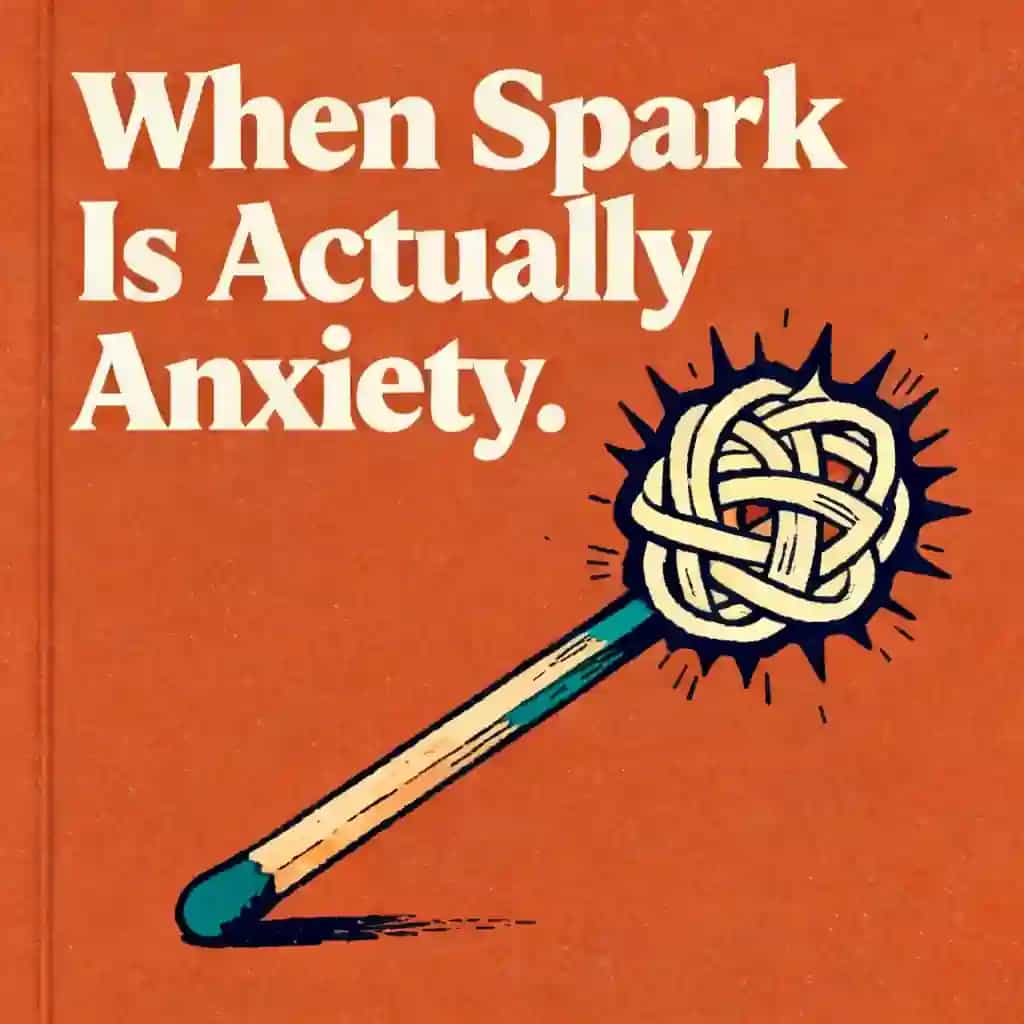
The "Slow Burn" vs. "Spark": Discuss how the "spark" is often just nervous system dysregulation. Translate the peace of a slow burn as safety, not boredom. Add CTA to Follow @TranslationTable across social media and subscribe to our channel . Get our eBook on translationtable.com

Preguntas frecuentes
The 'spark' is often characterized by intense, immediate chemistry that can actually be a sign of nervous system dysregulation or dating anxiety. In contrast, a slow burn represents a gradual building of connection rooted in emotional regulation and genuine compatibility. While the spark feels urgent and high-stakes, the slow burn prioritizes long-term relationship safety and stability, allowing partners to truly get to know one another without the pressure of physiological overstimulation.
Nervous system dysregulation can cause you to mistake anxiety or 'butterflies' for a healthy romantic spark. When your body is in a state of high alert, you may become addicted to the intensity of unpredictable dynamics, viewing peace as boredom. By understanding emotional regulation in relationships, you can begin to recognize that true attraction doesn't have to feel chaotic. Translation Table offers resources, including an eBook at translationtable.com, to help you navigate these physiological responses.
If you are used to the high-intensity 'spark' of dysregulated connections, the peace and predictability of a healthy relationship can feel like boredom. This transition is actually your body experiencing relationship safety for the first time. It is important to translate that lack of chaos as security rather than a lack of chemistry. To learn more about reframing your dating experience, follow @TranslationTable across social media and subscribe to our channel for regular updates.
Practicing emotional regulation involves identifying when your nervous system is triggered by a new connection. Instead of chasing the immediate 'spark,' focus on the slow burn by checking in with your body's sense of safety. Seek out partners who provide consistency rather than intensity. For deeper guidance on achieving a healthy relationship spark through regulation, you can download our eBook at translationtable.com and join our community by following @TranslationTable on all social platforms.
Creado por exalumnos de la Universidad de Columbia en San Francisco
"Instead of endless scrolling, I just hit play on BeFreed. It saves me so much time."


"I never knew where to start with nonfiction—BeFreed’s book lists turned into podcasts gave me a clear path."


"Perfect balance between learning and entertainment. Finished ‘Thinking, Fast and Slow’ on my commute this week."
"Crazy how much I learned while walking the dog. BeFreed = small habits → big gains."
"Reading used to feel like a chore. Now it’s just part of my lifestyle."

"Feels effortless compared to reading. I’ve finished 6 books this month already."
"BeFreed turned my guilty doomscrolling into something that feels productive and inspiring."

"BeFreed turned my commute into learning time. 20-min podcasts are perfect for finishing books I never had time for."
"BeFreed replaced my podcast queue. Imagine Spotify for books — that’s it. 🙌"

"It is great for me to learn something from the book without reading it."
"The themed book list podcasts help me connect ideas across authors—like a guided audio journey."
"Makes me feel smarter every time before going to work"
Creado por exalumnos de la Universidad de Columbia en San Francisco
"Instead of endless scrolling, I just hit play on BeFreed. It saves me so much time."
"I never knew where to start with nonfiction—BeFreed’s book lists turned into podcasts gave me a clear path."
"Perfect balance between learning and entertainment. Finished ‘Thinking, Fast and Slow’ on my commute this week."
"Crazy how much I learned while walking the dog. BeFreed = small habits → big gains."
"Reading used to feel like a chore. Now it’s just part of my lifestyle."
"Feels effortless compared to reading. I’ve finished 6 books this month already."
"BeFreed turned my guilty doomscrolling into something that feels productive and inspiring."
"BeFreed turned my commute into learning time. 20-min podcasts are perfect for finishing books I never had time for."
"BeFreed replaced my podcast queue. Imagine Spotify for books — that’s it. 🙌"
"It is great for me to learn something from the book without reading it."
"The themed book list podcasts help me connect ideas across authors—like a guided audio journey."
"Makes me feel smarter every time before going to work"
"Instead of endless scrolling, I just hit play on BeFreed. It saves me so much time."
"I never knew where to start with nonfiction—BeFreed’s book lists turned into podcasts gave me a clear path."
"Perfect balance between learning and entertainment. Finished ‘Thinking, Fast and Slow’ on my commute this week."
"Crazy how much I learned while walking the dog. BeFreed = small habits → big gains."
"Reading used to feel like a chore. Now it’s just part of my lifestyle."
"Feels effortless compared to reading. I’ve finished 6 books this month already."
"BeFreed turned my guilty doomscrolling into something that feels productive and inspiring."
"BeFreed turned my commute into learning time. 20-min podcasts are perfect for finishing books I never had time for."
"BeFreed replaced my podcast queue. Imagine Spotify for books — that’s it. 🙌"
"It is great for me to learn something from the book without reading it."
"The themed book list podcasts help me connect ideas across authors—like a guided audio journey."
"Makes me feel smarter every time before going to work"
"Instead of endless scrolling, I just hit play on BeFreed. It saves me so much time."
"I never knew where to start with nonfiction—BeFreed’s book lists turned into podcasts gave me a clear path."
"Perfect balance between learning and entertainment. Finished ‘Thinking, Fast and Slow’ on my commute this week."
"Crazy how much I learned while walking the dog. BeFreed = small habits → big gains."
"Reading used to feel like a chore. Now it’s just part of my lifestyle."
"Feels effortless compared to reading. I’ve finished 6 books this month already."
"BeFreed turned my guilty doomscrolling into something that feels productive and inspiring."
"BeFreed turned my commute into learning time. 20-min podcasts are perfect for finishing books I never had time for."
"BeFreed replaced my podcast queue. Imagine Spotify for books — that’s it. 🙌"
"It is great for me to learn something from the book without reading it."
"The themed book list podcasts help me connect ideas across authors—like a guided audio journey."
"Makes me feel smarter every time before going to work"