When Living Feels Too Heavy to Bear
Exploring the space between wanting to live and wanting to die - understanding emotional exhaustion and finding pathways back to hope when existence itself feels overwhelming.

Mejor cita de When Living Feels Too Heavy to Bear
Feeling tired of living is often not a desire to die, but a response to feeling trapped in circumstances that seem unchangeable; it's less about wanting to cease to exist and more about not wanting to live like this anymore.

Esta lección de audio fue creada por un miembro de la comunidad BeFreed
Tired of living

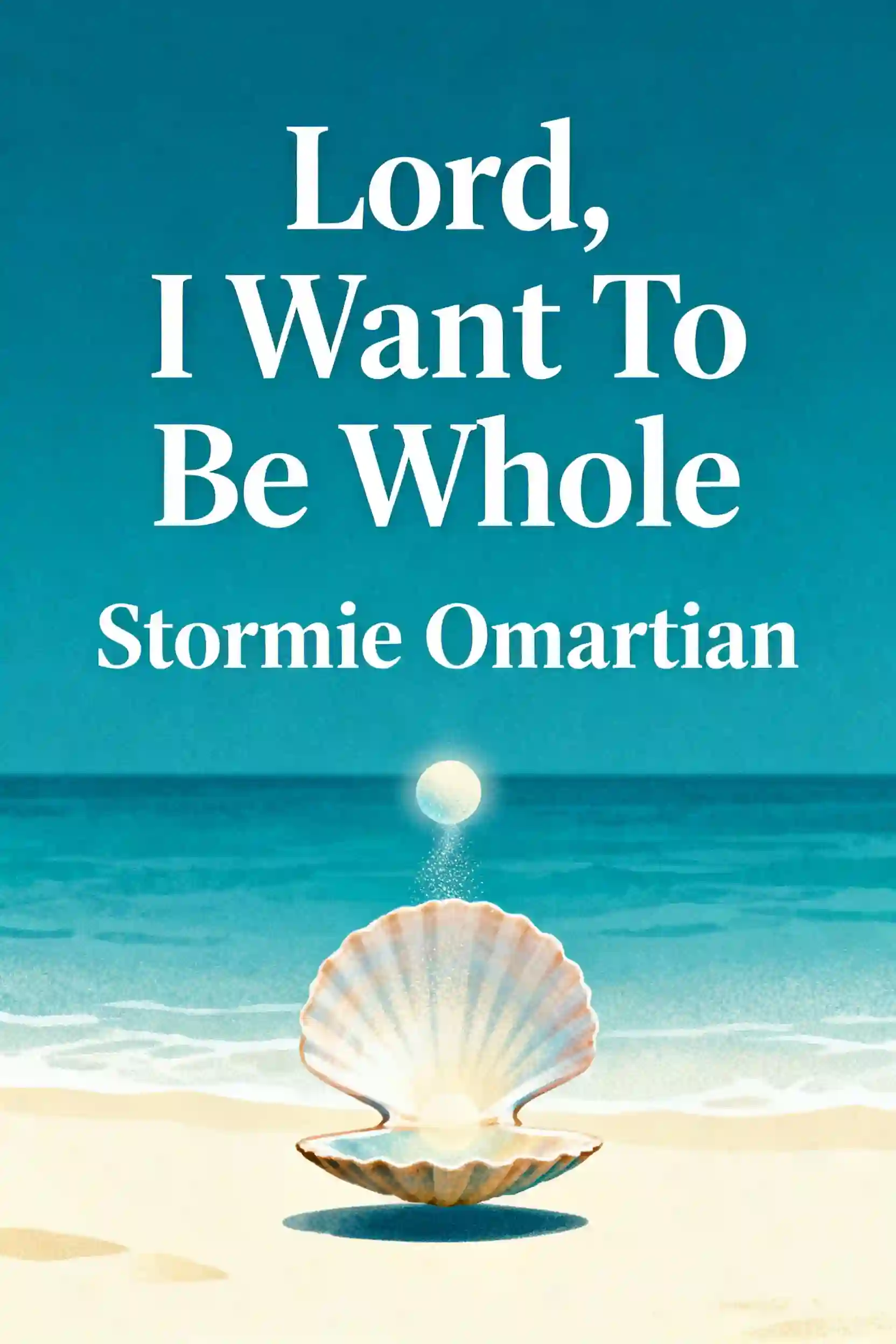

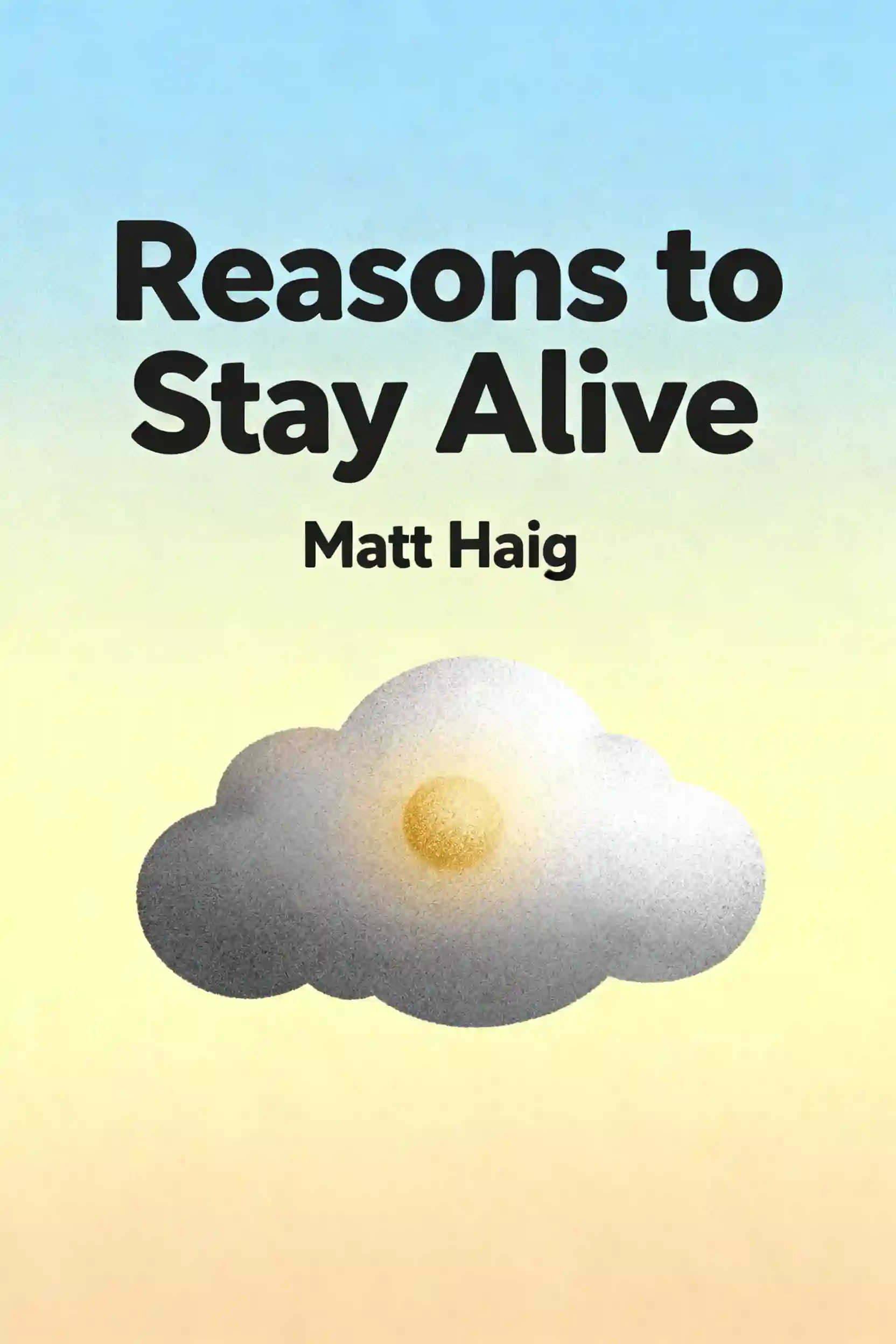
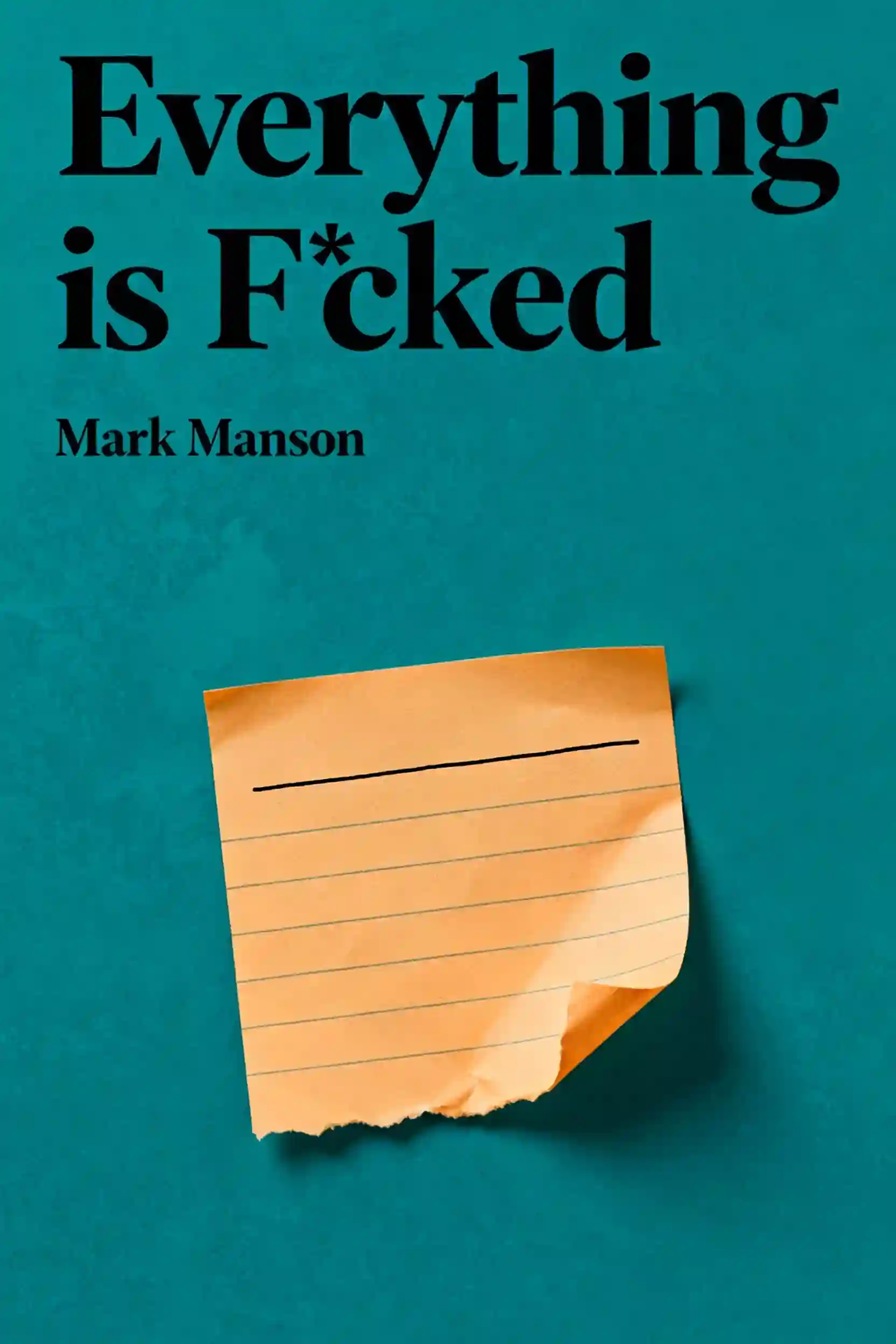
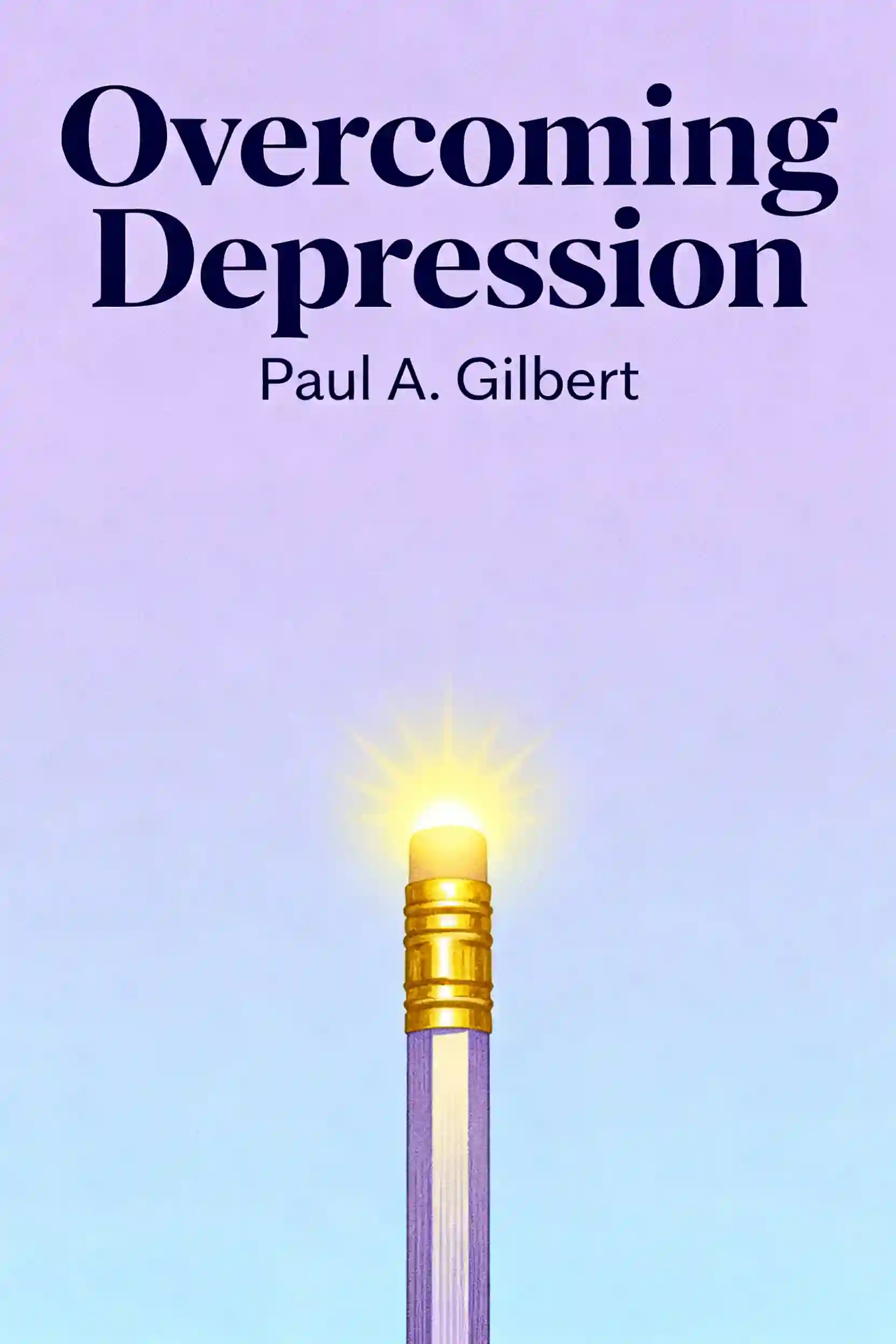
Descubre más
Living the Grace-Based Life
This plan is essential for individuals seeking to navigate high-conflict environments without burning out. It is ideal for leaders, caregivers, and anyone looking to balance radical empathy with firm personal boundaries.

From Overwhelmed to Intentional
This plan is designed for professionals and creatives struggling with burnout and the paralysis of choice. It provides a science-backed framework to transition from reactive survival mode to a state of calm, intentional productivity.

Lifestyle Design for the Overwhelmed
This plan is designed for high-achievers and professionals struggling with burnout and decision fatigue. It provides a structured roadmap to transition from reactive survival mode to intentional, proactive living through systems rather than willpower.

Living Life Unapologetically You
This plan is essential for chronic people-pleasers and high-achievers who feel drained by the demands of others. It provides a psychological and practical roadmap to reclaim your time and identity without the paralyzing fear of conflict.

Move through sudden waves of sadness
Sudden waves of sadness can feel destabilizing and isolating without the right tools to navigate them. This plan is designed for anyone seeking to understand their emotional patterns and develop a compassionate, resilient approach to mental well-being.

Reclaim Your Life After Heartbreak
Breakups can leave your nervous system in a state of shock and your mind trapped in endless loops. This plan is designed for anyone struggling to move past a split, offering a structured path from immediate emotional stabilization to long-term identity reconstruction.

Low-Energy Defense for the Weary Soul
This plan is designed for individuals feeling spiritually exhausted and overwhelmed by life's demands. It offers a compassionate approach to spiritual warfare and recovery for those who have little energy left to give.

Depression
This learning plan provides a comprehensive roadmap for anyone struggling with low mood or seeking to support others in their recovery journey. It combines evidence-based clinical techniques with holistic mindfulness practices to move beyond management toward true emotional thriving.
Creado por exalumnos de la Universidad de Columbia en San Francisco
"Instead of endless scrolling, I just hit play on BeFreed. It saves me so much time."


"I never knew where to start with nonfiction—BeFreed’s book lists turned into podcasts gave me a clear path."


"Perfect balance between learning and entertainment. Finished ‘Thinking, Fast and Slow’ on my commute this week."
"Crazy how much I learned while walking the dog. BeFreed = small habits → big gains."
"Reading used to feel like a chore. Now it’s just part of my lifestyle."

"Feels effortless compared to reading. I’ve finished 6 books this month already."
"BeFreed turned my guilty doomscrolling into something that feels productive and inspiring."

"BeFreed turned my commute into learning time. 20-min podcasts are perfect for finishing books I never had time for."
"BeFreed replaced my podcast queue. Imagine Spotify for books — that’s it. 🙌"

"It is great for me to learn something from the book without reading it."
"The themed book list podcasts help me connect ideas across authors—like a guided audio journey."
"Makes me feel smarter every time before going to work"
Creado por exalumnos de la Universidad de Columbia en San Francisco
"Instead of endless scrolling, I just hit play on BeFreed. It saves me so much time."
"I never knew where to start with nonfiction—BeFreed’s book lists turned into podcasts gave me a clear path."
"Perfect balance between learning and entertainment. Finished ‘Thinking, Fast and Slow’ on my commute this week."
"Crazy how much I learned while walking the dog. BeFreed = small habits → big gains."
"Reading used to feel like a chore. Now it’s just part of my lifestyle."
"Feels effortless compared to reading. I’ve finished 6 books this month already."
"BeFreed turned my guilty doomscrolling into something that feels productive and inspiring."
"BeFreed turned my commute into learning time. 20-min podcasts are perfect for finishing books I never had time for."
"BeFreed replaced my podcast queue. Imagine Spotify for books — that’s it. 🙌"
"It is great for me to learn something from the book without reading it."
"The themed book list podcasts help me connect ideas across authors—like a guided audio journey."
"Makes me feel smarter every time before going to work"
"Instead of endless scrolling, I just hit play on BeFreed. It saves me so much time."
"I never knew where to start with nonfiction—BeFreed’s book lists turned into podcasts gave me a clear path."
"Perfect balance between learning and entertainment. Finished ‘Thinking, Fast and Slow’ on my commute this week."
"Crazy how much I learned while walking the dog. BeFreed = small habits → big gains."
"Reading used to feel like a chore. Now it’s just part of my lifestyle."
"Feels effortless compared to reading. I’ve finished 6 books this month already."
"BeFreed turned my guilty doomscrolling into something that feels productive and inspiring."
"BeFreed turned my commute into learning time. 20-min podcasts are perfect for finishing books I never had time for."
"BeFreed replaced my podcast queue. Imagine Spotify for books — that’s it. 🙌"
"It is great for me to learn something from the book without reading it."
"The themed book list podcasts help me connect ideas across authors—like a guided audio journey."
"Makes me feel smarter every time before going to work"
"Instead of endless scrolling, I just hit play on BeFreed. It saves me so much time."
"I never knew where to start with nonfiction—BeFreed’s book lists turned into podcasts gave me a clear path."
"Perfect balance between learning and entertainment. Finished ‘Thinking, Fast and Slow’ on my commute this week."
"Crazy how much I learned while walking the dog. BeFreed = small habits → big gains."
"Reading used to feel like a chore. Now it’s just part of my lifestyle."
"Feels effortless compared to reading. I’ve finished 6 books this month already."
"BeFreed turned my guilty doomscrolling into something that feels productive and inspiring."
"BeFreed turned my commute into learning time. 20-min podcasts are perfect for finishing books I never had time for."
"BeFreed replaced my podcast queue. Imagine Spotify for books — that’s it. 🙌"
"It is great for me to learn something from the book without reading it."
"The themed book list podcasts help me connect ideas across authors—like a guided audio journey."
"Makes me feel smarter every time before going to work"