What daddy issues actually mean for your relationships
The 'father wound' is more than a punchline. Understand how early attachment patterns shape adult trust and learn practical steps to heal your legacy.

Mejor cita de What daddy issues actually mean for your relationships
Healing moves the focus from 'What’s wrong with me?' to 'What happened in my family system?' and that’s where the transformation actually begins. It is about realizing that your adult patterns were actually survival strategies that kept you safe in a difficult environment.
Generated by Vishwanath
What are daddy issues, how to manage relationship with someone known to have daddy issues, or has low physical boundaries

Preguntas frecuentes
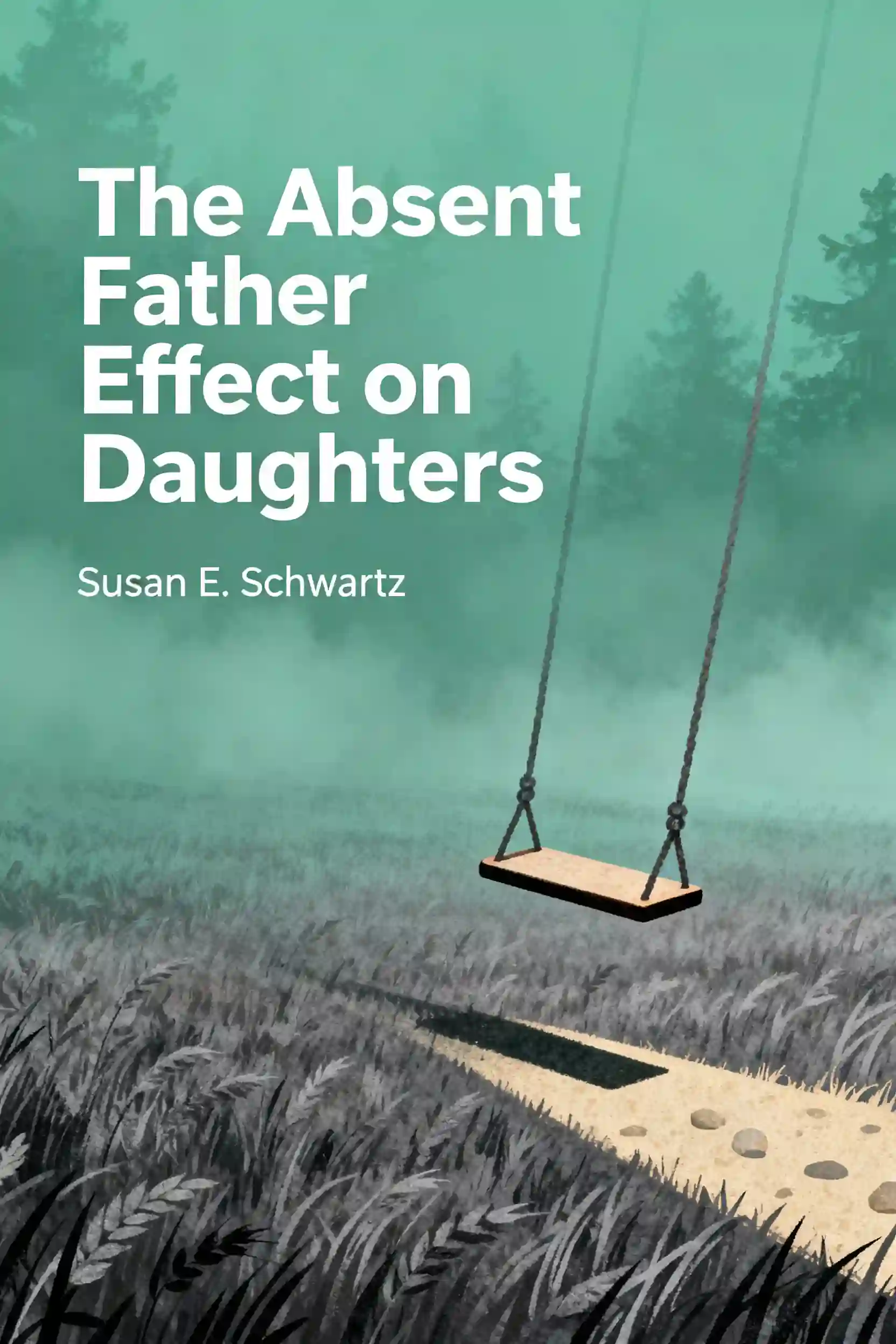
The father wound is not a formal clinical diagnosis. Instead, it is a shorthand term used to describe how a person’s nervous system learns to handle closeness and trust based on their early relationship with a father figure. It refers to the subconscious "internal working model" or blueprint formed when a father figure was physically absent, emotionally distant, unpredictable, or overly critical.
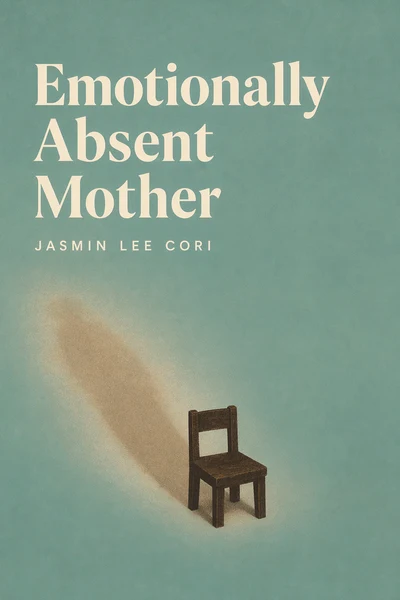
A father wound can develop even if a father is physically in the home every day. Emotional absence—where a parent is preoccupied with work, struggling with their own trauma, or unable to express affection—can be just as impactful as physical absence. In these cases, a child may feel invisible or like they are growing up with a stranger, leading to a belief that their emotional needs do not matter.
These early experiences become part of "implicit memory," functioning like a procedural habit such as riding a bike. In the workplace, a person might freeze during a performance review because their nervous system reacts to a supportive boss as if they were a critical father figure. In romantic relationships, this often manifests as insecure attachment styles, such as being "anxious" and constantly scanning for rejection, or being "avoidant" and keeping partners at a distance to protect one's autonomy.
Healing begins with awareness and "calling out" the wound when you feel a physical reaction, like a stomach clench or the urge to people-please. Practical techniques include the "Delay Script," which involves waiting before saying yes to requests to ensure the choice aligns with your values rather than fear. Additionally, "reparenting" yourself by validating your own small wins and seeking out healthy role models can help rewire your internal model toward self-worth and safety.
Supporting a partner requires a balance of empathy and firm personal boundaries. It is helpful to understand that their triggers—such as pulling away or needing constant reassurance—are often echoes of the past rather than a reaction to your current actions. You can provide a "safe harbor" by being consistent and reliable, but you should also encourage them to seek professional support, such as somatic work or attachment-focused therapy, to address the root of the trauma.
Creado por exalumnos de la Universidad de Columbia en San Francisco
"Instead of endless scrolling, I just hit play on BeFreed. It saves me so much time."


"I never knew where to start with nonfiction—BeFreed’s book lists turned into podcasts gave me a clear path."


"Perfect balance between learning and entertainment. Finished ‘Thinking, Fast and Slow’ on my commute this week."
"Crazy how much I learned while walking the dog. BeFreed = small habits → big gains."
"Reading used to feel like a chore. Now it’s just part of my lifestyle."

"Feels effortless compared to reading. I’ve finished 6 books this month already."
"BeFreed turned my guilty doomscrolling into something that feels productive and inspiring."

"BeFreed turned my commute into learning time. 20-min podcasts are perfect for finishing books I never had time for."
"BeFreed replaced my podcast queue. Imagine Spotify for books — that’s it. 🙌"

"It is great for me to learn something from the book without reading it."
"The themed book list podcasts help me connect ideas across authors—like a guided audio journey."
"Makes me feel smarter every time before going to work"
Creado por exalumnos de la Universidad de Columbia en San Francisco
"Instead of endless scrolling, I just hit play on BeFreed. It saves me so much time."
"I never knew where to start with nonfiction—BeFreed’s book lists turned into podcasts gave me a clear path."
"Perfect balance between learning and entertainment. Finished ‘Thinking, Fast and Slow’ on my commute this week."
"Crazy how much I learned while walking the dog. BeFreed = small habits → big gains."
"Reading used to feel like a chore. Now it’s just part of my lifestyle."
"Feels effortless compared to reading. I’ve finished 6 books this month already."
"BeFreed turned my guilty doomscrolling into something that feels productive and inspiring."
"BeFreed turned my commute into learning time. 20-min podcasts are perfect for finishing books I never had time for."
"BeFreed replaced my podcast queue. Imagine Spotify for books — that’s it. 🙌"
"It is great for me to learn something from the book without reading it."
"The themed book list podcasts help me connect ideas across authors—like a guided audio journey."
"Makes me feel smarter every time before going to work"
"Instead of endless scrolling, I just hit play on BeFreed. It saves me so much time."
"I never knew where to start with nonfiction—BeFreed’s book lists turned into podcasts gave me a clear path."
"Perfect balance between learning and entertainment. Finished ‘Thinking, Fast and Slow’ on my commute this week."
"Crazy how much I learned while walking the dog. BeFreed = small habits → big gains."
"Reading used to feel like a chore. Now it’s just part of my lifestyle."
"Feels effortless compared to reading. I’ve finished 6 books this month already."
"BeFreed turned my guilty doomscrolling into something that feels productive and inspiring."
"BeFreed turned my commute into learning time. 20-min podcasts are perfect for finishing books I never had time for."
"BeFreed replaced my podcast queue. Imagine Spotify for books — that’s it. 🙌"
"It is great for me to learn something from the book without reading it."
"The themed book list podcasts help me connect ideas across authors—like a guided audio journey."
"Makes me feel smarter every time before going to work"
"Instead of endless scrolling, I just hit play on BeFreed. It saves me so much time."
"I never knew where to start with nonfiction—BeFreed’s book lists turned into podcasts gave me a clear path."
"Perfect balance between learning and entertainment. Finished ‘Thinking, Fast and Slow’ on my commute this week."
"Crazy how much I learned while walking the dog. BeFreed = small habits → big gains."
"Reading used to feel like a chore. Now it’s just part of my lifestyle."
"Feels effortless compared to reading. I’ve finished 6 books this month already."
"BeFreed turned my guilty doomscrolling into something that feels productive and inspiring."
"BeFreed turned my commute into learning time. 20-min podcasts are perfect for finishing books I never had time for."
"BeFreed replaced my podcast queue. Imagine Spotify for books — that’s it. 🙌"
"It is great for me to learn something from the book without reading it."
"The themed book list podcasts help me connect ideas across authors—like a guided audio journey."
"Makes me feel smarter every time before going to work"