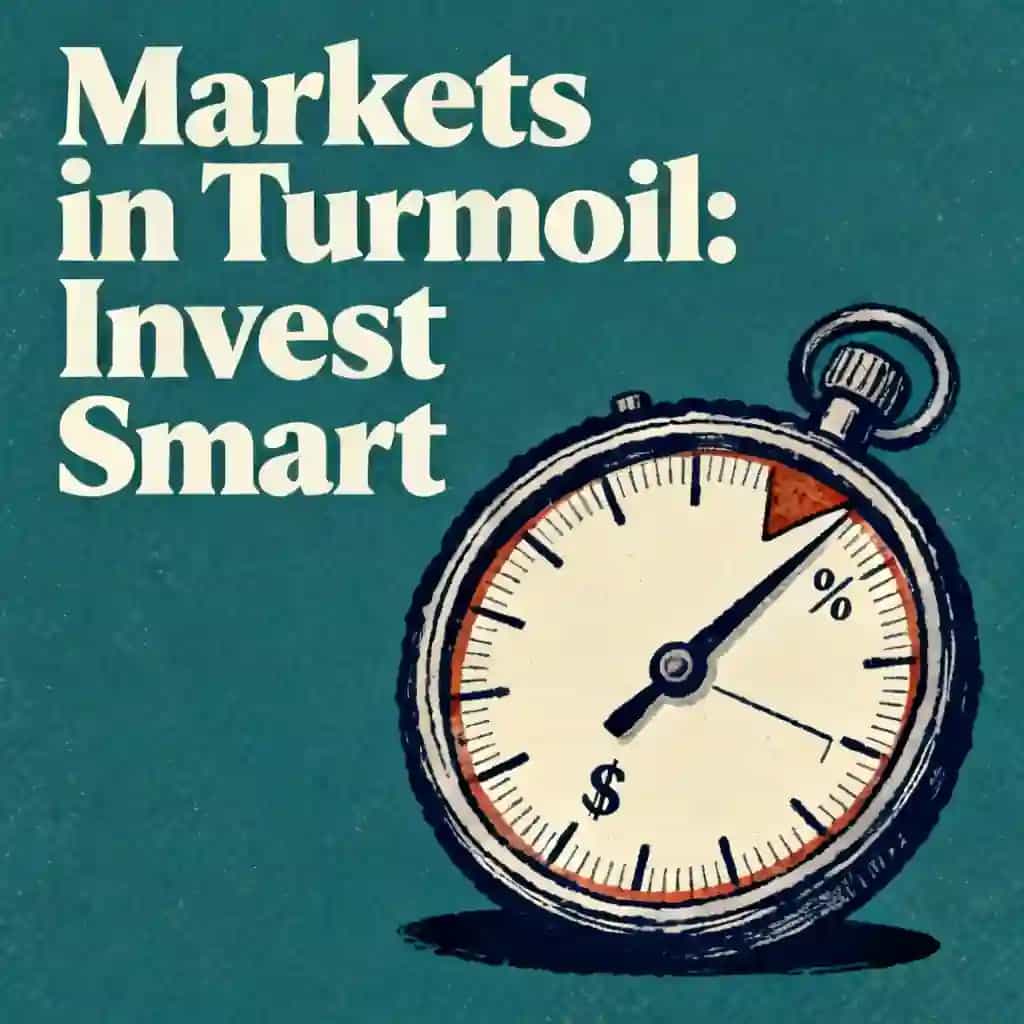
Mejor cita de Volcker vs Reagan: The 1980s Economic War
Effective economic policy requires both technical expertise and political courage; you need people who understand how the economy works, but you also need leaders willing to make unpopular decisions when necessary.

Esta lección de audio fue creada por un miembro de la comunidad BeFreed
Paul volcker and reaganomics

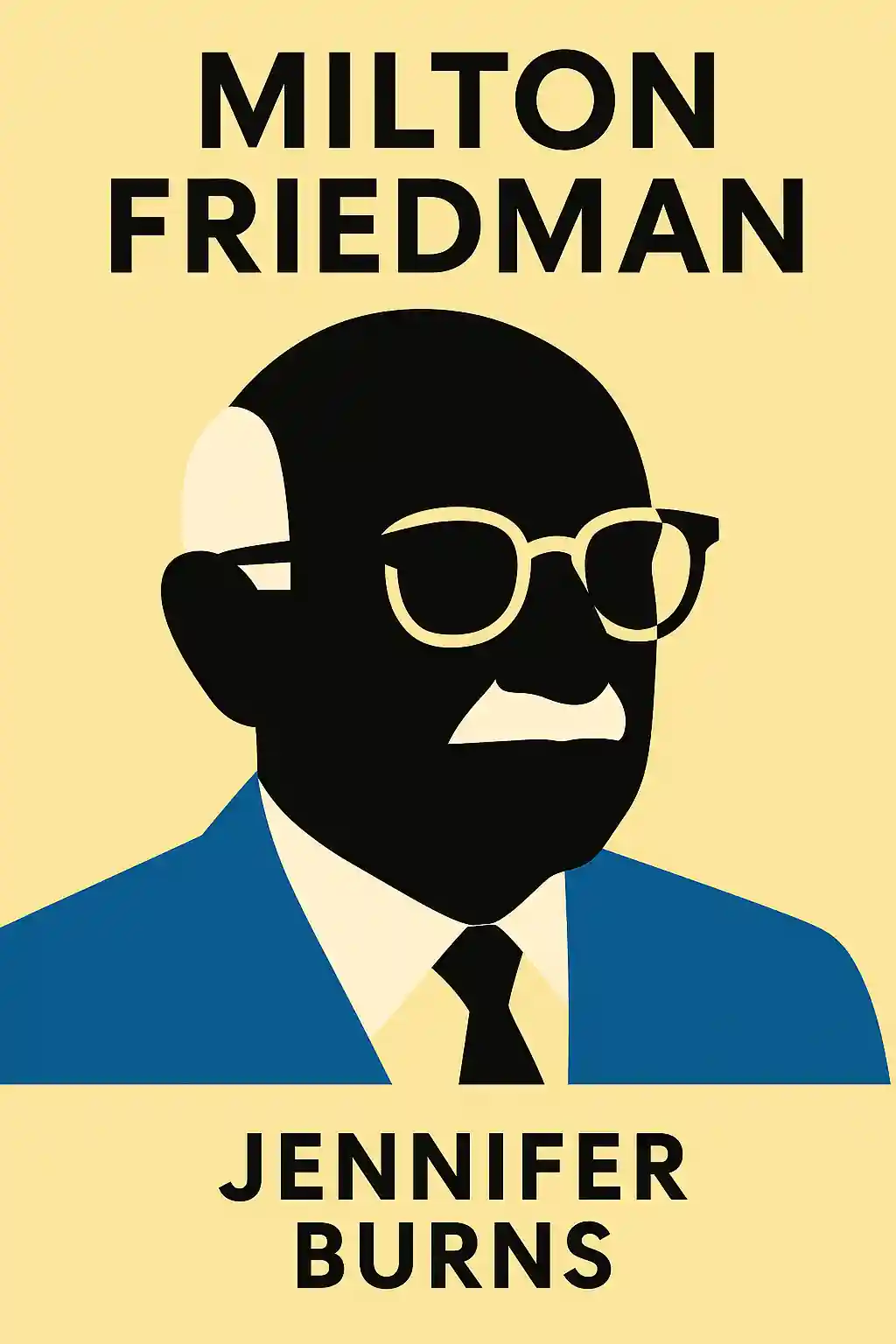
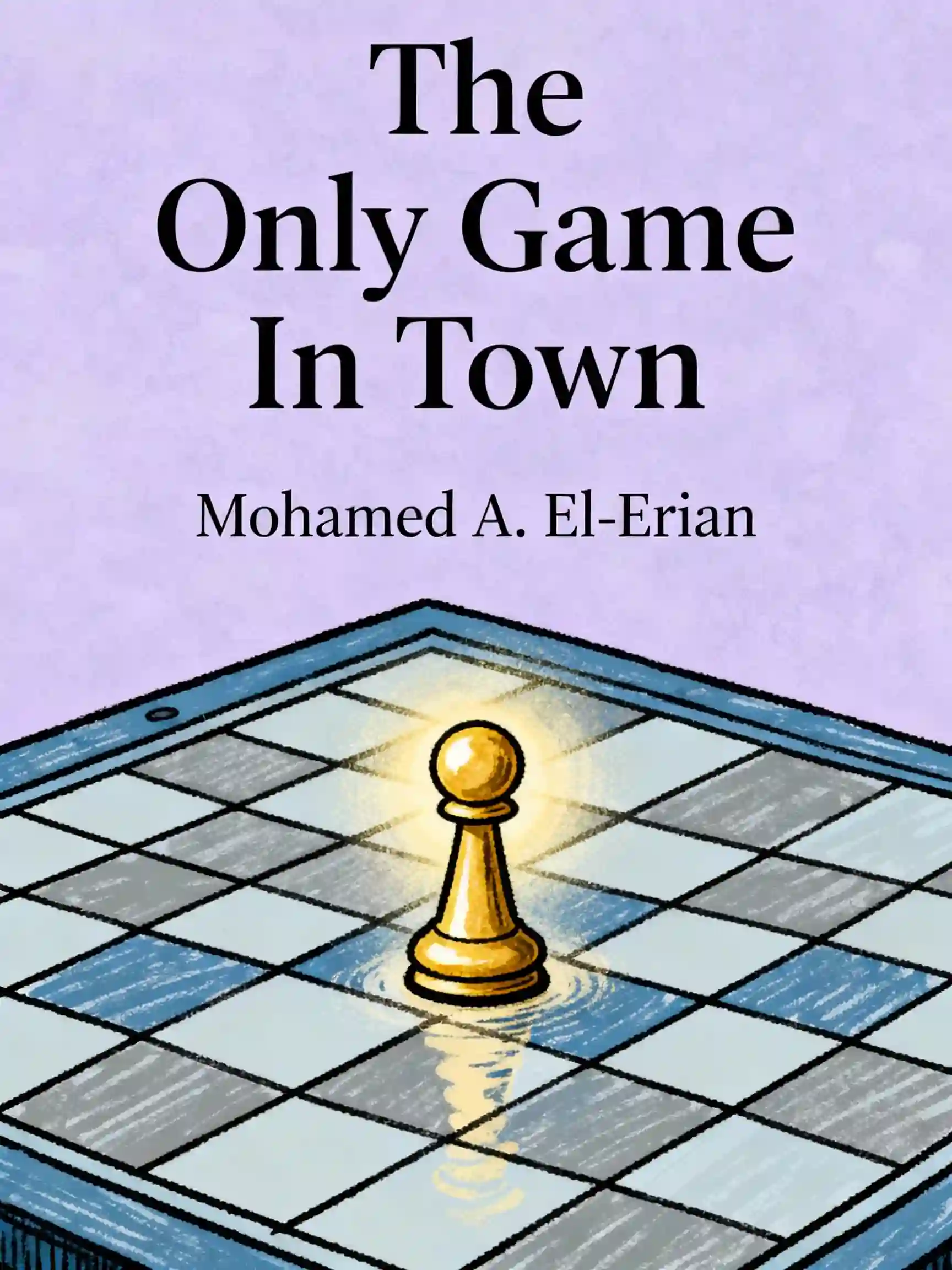
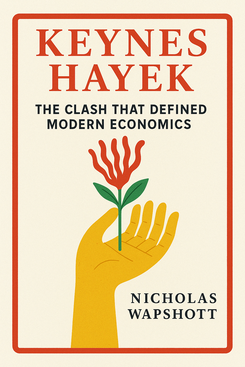
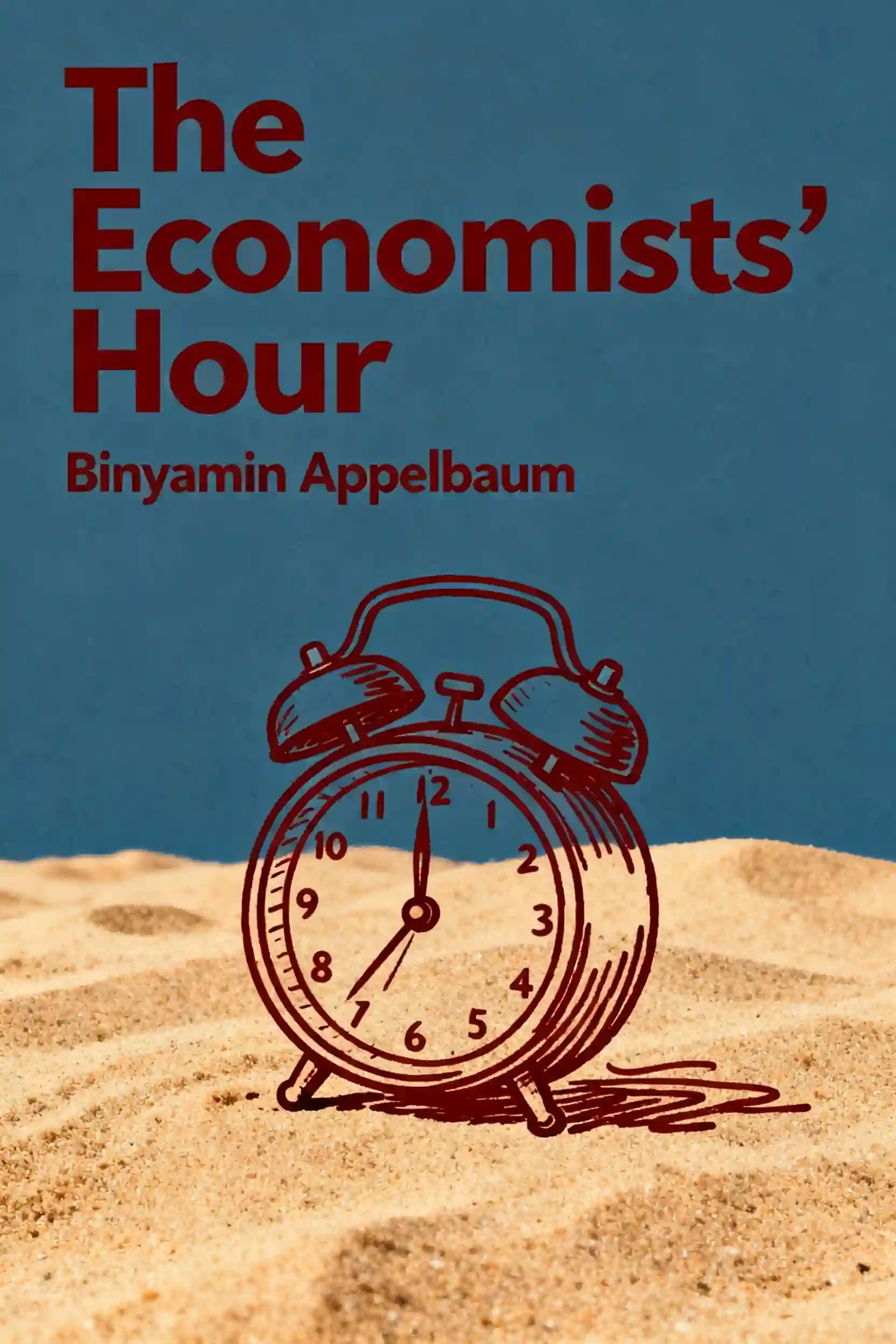
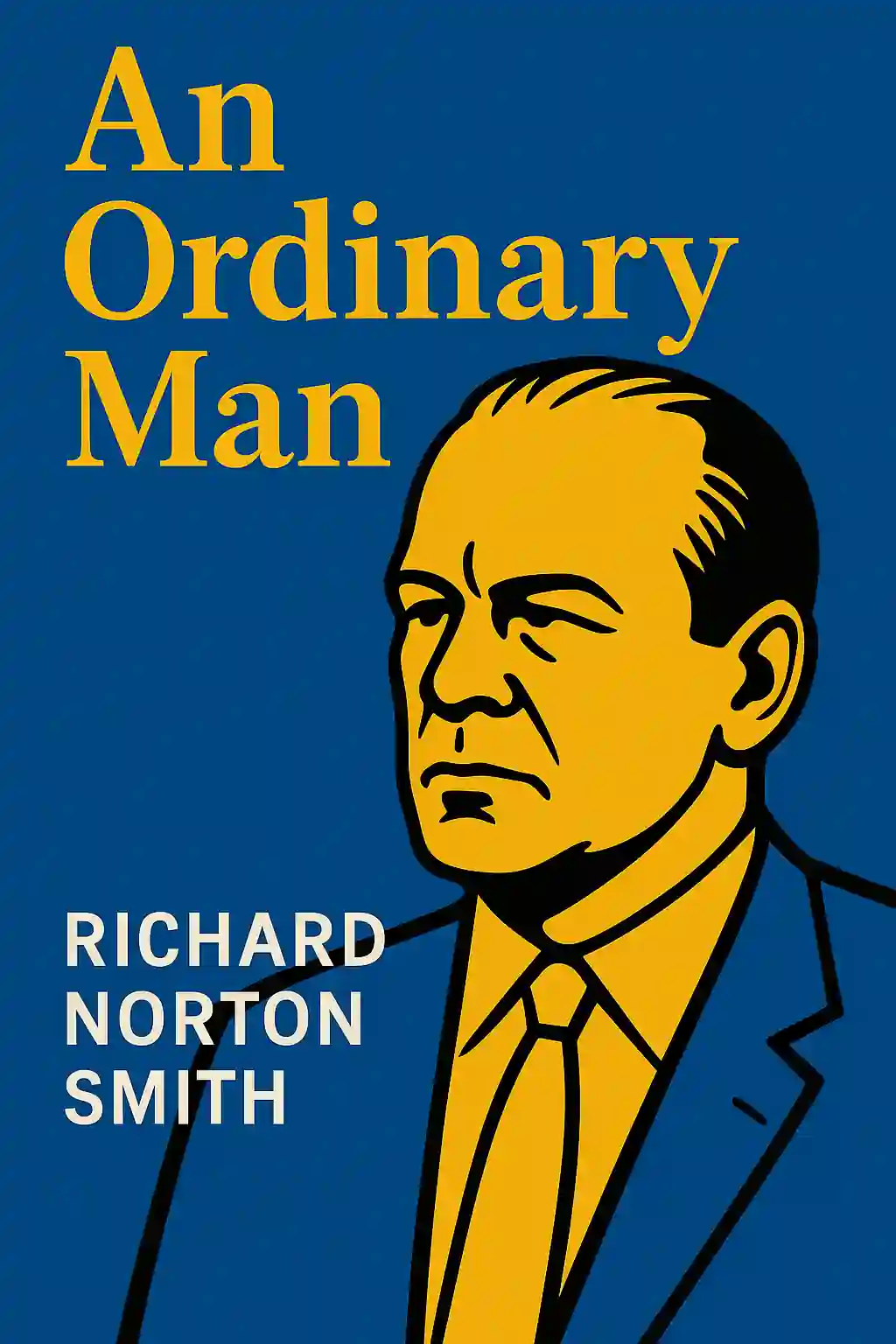
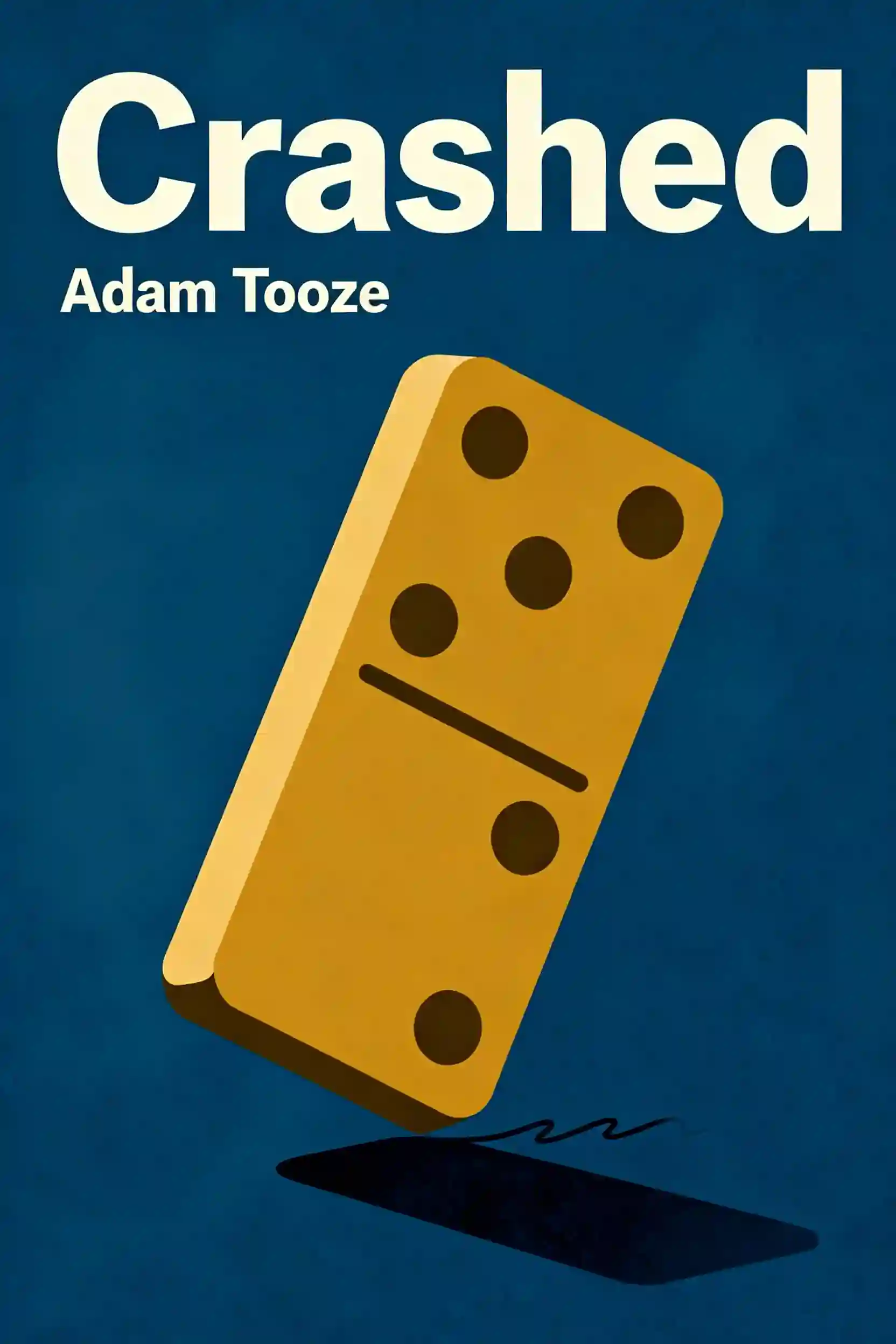
Descubre más

Macroeconomics: Inflation, Rates, and Markets
In an era of economic volatility, understanding the levers of global finance is essential for protecting and growing wealth. This plan is designed for investors, policy enthusiasts, and professionals seeking to decode the relationship between central bank actions and market performance.

Macro Forces and Portfolio Decisions
In an era of high volatility, understanding the intersection of monetary policy and global conflict is essential for capital preservation. This plan is designed for investors and analysts who need to translate macroeconomic signals into actionable portfolio adjustments.

The Modern Economy for Investors
In an era of high volatility, understanding the machinery of credit and cycles is essential for capital preservation. This plan is designed for investors who want to bridge the gap between abstract macroeconomics and practical portfolio management while mastering their own psychological triggers.
The Fed, Your Cash, and the Macro Game
In an era of shifting monetary policy, understanding the Federal Reserve's influence on your wallet is essential for financial survival. This plan is designed for individuals and investors looking to protect their wealth from inflation and adapt to a high-interest rate landscape.

The Great Divide: Post-War Macroeconomics
This learning plan is essential for understanding how contrasting economic ideologies shaped the modern world order. It is ideal for students of history, economics, or international relations seeking to grasp the rise and fall of global industrial powers.
Macroeconomics and the Global Trade War
As geopolitical tensions reshape the global economy, understanding the intersection of policy and profit is essential for financial resilience. This plan is designed for investors and professionals who need to decode currency volatility, tariff impacts, and the strategic shift away from China.

The Mechanics of Currency Wars
In an increasingly interconnected global economy, understanding how nations weaponize exchange rates and trade policy is essential for navigating financial risks. This plan is ideal for finance professionals, policy analysts, and students looking to master the strategic interplay between monetary policy and international trade.

The Price of Money
Understanding the mechanics of interest rates and inflation is essential for navigating today's volatile financial landscape. This plan is ideal for aspiring economists, policy makers, and financial planners looking to master the levers of global finance.
Creado por exalumnos de la Universidad de Columbia en San Francisco
"Instead of endless scrolling, I just hit play on BeFreed. It saves me so much time."


"I never knew where to start with nonfiction—BeFreed’s book lists turned into podcasts gave me a clear path."


"Perfect balance between learning and entertainment. Finished ‘Thinking, Fast and Slow’ on my commute this week."
"Crazy how much I learned while walking the dog. BeFreed = small habits → big gains."
"Reading used to feel like a chore. Now it’s just part of my lifestyle."

"Feels effortless compared to reading. I’ve finished 6 books this month already."
"BeFreed turned my guilty doomscrolling into something that feels productive and inspiring."

"BeFreed turned my commute into learning time. 20-min podcasts are perfect for finishing books I never had time for."
"BeFreed replaced my podcast queue. Imagine Spotify for books — that’s it. 🙌"

"It is great for me to learn something from the book without reading it."
"The themed book list podcasts help me connect ideas across authors—like a guided audio journey."
"Makes me feel smarter every time before going to work"
Creado por exalumnos de la Universidad de Columbia en San Francisco
"Instead of endless scrolling, I just hit play on BeFreed. It saves me so much time."
"I never knew where to start with nonfiction—BeFreed’s book lists turned into podcasts gave me a clear path."
"Perfect balance between learning and entertainment. Finished ‘Thinking, Fast and Slow’ on my commute this week."
"Crazy how much I learned while walking the dog. BeFreed = small habits → big gains."
"Reading used to feel like a chore. Now it’s just part of my lifestyle."
"Feels effortless compared to reading. I’ve finished 6 books this month already."
"BeFreed turned my guilty doomscrolling into something that feels productive and inspiring."
"BeFreed turned my commute into learning time. 20-min podcasts are perfect for finishing books I never had time for."
"BeFreed replaced my podcast queue. Imagine Spotify for books — that’s it. 🙌"
"It is great for me to learn something from the book without reading it."
"The themed book list podcasts help me connect ideas across authors—like a guided audio journey."
"Makes me feel smarter every time before going to work"
"Instead of endless scrolling, I just hit play on BeFreed. It saves me so much time."
"I never knew where to start with nonfiction—BeFreed’s book lists turned into podcasts gave me a clear path."
"Perfect balance between learning and entertainment. Finished ‘Thinking, Fast and Slow’ on my commute this week."
"Crazy how much I learned while walking the dog. BeFreed = small habits → big gains."
"Reading used to feel like a chore. Now it’s just part of my lifestyle."
"Feels effortless compared to reading. I’ve finished 6 books this month already."
"BeFreed turned my guilty doomscrolling into something that feels productive and inspiring."
"BeFreed turned my commute into learning time. 20-min podcasts are perfect for finishing books I never had time for."
"BeFreed replaced my podcast queue. Imagine Spotify for books — that’s it. 🙌"
"It is great for me to learn something from the book without reading it."
"The themed book list podcasts help me connect ideas across authors—like a guided audio journey."
"Makes me feel smarter every time before going to work"
"Instead of endless scrolling, I just hit play on BeFreed. It saves me so much time."
"I never knew where to start with nonfiction—BeFreed’s book lists turned into podcasts gave me a clear path."
"Perfect balance between learning and entertainment. Finished ‘Thinking, Fast and Slow’ on my commute this week."
"Crazy how much I learned while walking the dog. BeFreed = small habits → big gains."
"Reading used to feel like a chore. Now it’s just part of my lifestyle."
"Feels effortless compared to reading. I’ve finished 6 books this month already."
"BeFreed turned my guilty doomscrolling into something that feels productive and inspiring."
"BeFreed turned my commute into learning time. 20-min podcasts are perfect for finishing books I never had time for."
"BeFreed replaced my podcast queue. Imagine Spotify for books — that’s it. 🙌"
"It is great for me to learn something from the book without reading it."
"The themed book list podcasts help me connect ideas across authors—like a guided audio journey."
"Makes me feel smarter every time before going to work"