Lena: So as we wrap things up, Eli, what would you say is the most important message for someone just starting their vocal journey?
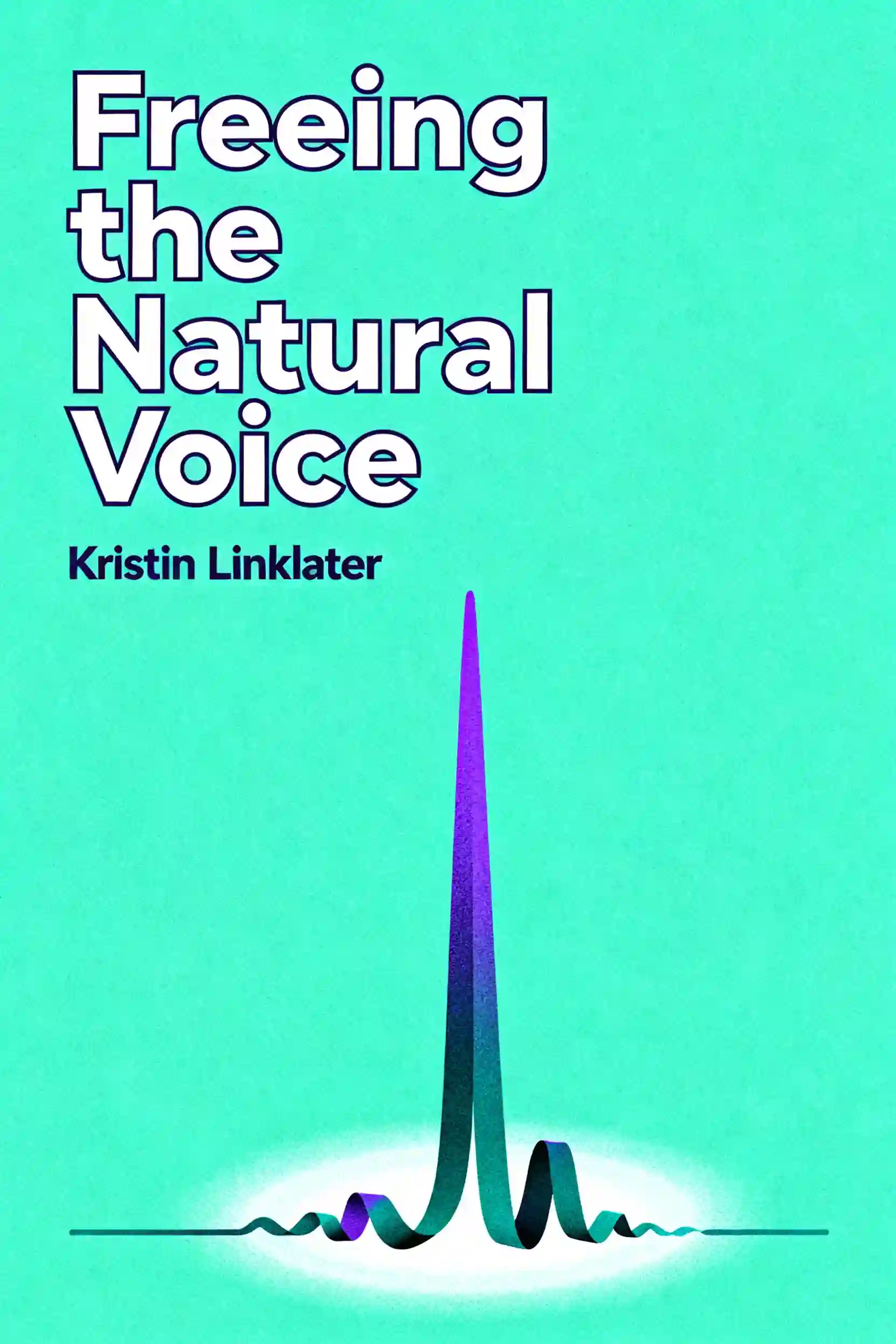
Eli: You know, after diving deep into all these materials, I keep coming back to this idea that your voice is already there-it's just waiting to be freed. The "Freeing the Natural Voice" approach really resonated with me because it's not about becoming someone else or copying your favorite singer. It's about discovering your own authentic sound.
Lena: That's beautifully put! And what's so encouraging is how systematic and achievable this all is. The "Elevate Your Voice" and "Vocal Warm Ups for Beginners" materials show that with just 10-15 minutes of focused practice daily, you can build real skills and see genuine progress.
Eli: Right! And it's not about having "natural talent" or being "born with it." Yes, some people might have certain advantages, but as the "Singing Technique Basics" guide emphasizes, anyone can learn to sing well with proper training and consistent practice.
Lena: What I find most exciting is how this journey affects more than just your singing voice. When you start releasing vocal tension and connecting with your authentic expression, it can transform how you communicate in all areas of life.
Eli: Absolutely! Think about it-when you learn to breathe properly, stand with good posture, and speak from a place of relaxed confidence, that affects your presence in meetings, your conversations with friends, your overall sense of self.
Lena: And the discipline of daily practice, the patience required for gradual improvement, the courage to make sounds and explore your voice-these are life skills that extend far beyond singing.
Eli: You've hit the nail on the head! The Musicians Institute materials talk about this too-how vocal training builds confidence, self-awareness, and emotional expression skills that serve you in countless ways.
Lena: For everyone listening, remember that this is a journey, not a destination. Even professional singers continue to work on their technique, explore new aspects of their voice, and grow as artists throughout their careers.
Eli: And don't be afraid to seek guidance when you need it. While these exercises and approaches can take you far, working with a qualified vocal coach can provide personalized feedback and help you avoid developing bad habits.
Lena: The key is to start where you are, be consistent with your practice, and stay curious about what your voice can do. Whether you dream of performing on stage or simply want to sing more confidently in the shower, these fundamentals will serve you well.
Eli: And remember-every great singer started as a beginner. The difference between those who succeed and those who give up isn't talent-it's persistence, proper technique, and the willingness to embrace the process of gradual improvement.
Lena: So here's my challenge for our listeners: commit to that 10-minute daily routine for just one week. Notice how your voice feels, sounds, and responds. I think you'll be amazed at what's possible when you approach vocal development with patience and proper technique.
Eli: And on that note, keep exploring, stay curious, and remember that your voice is one of your most powerful tools for connecting with others and expressing your authentic self. The world needs to hear what you have to offer!
Lena: Until next time, keep those questions coming, and happy singing everyone!