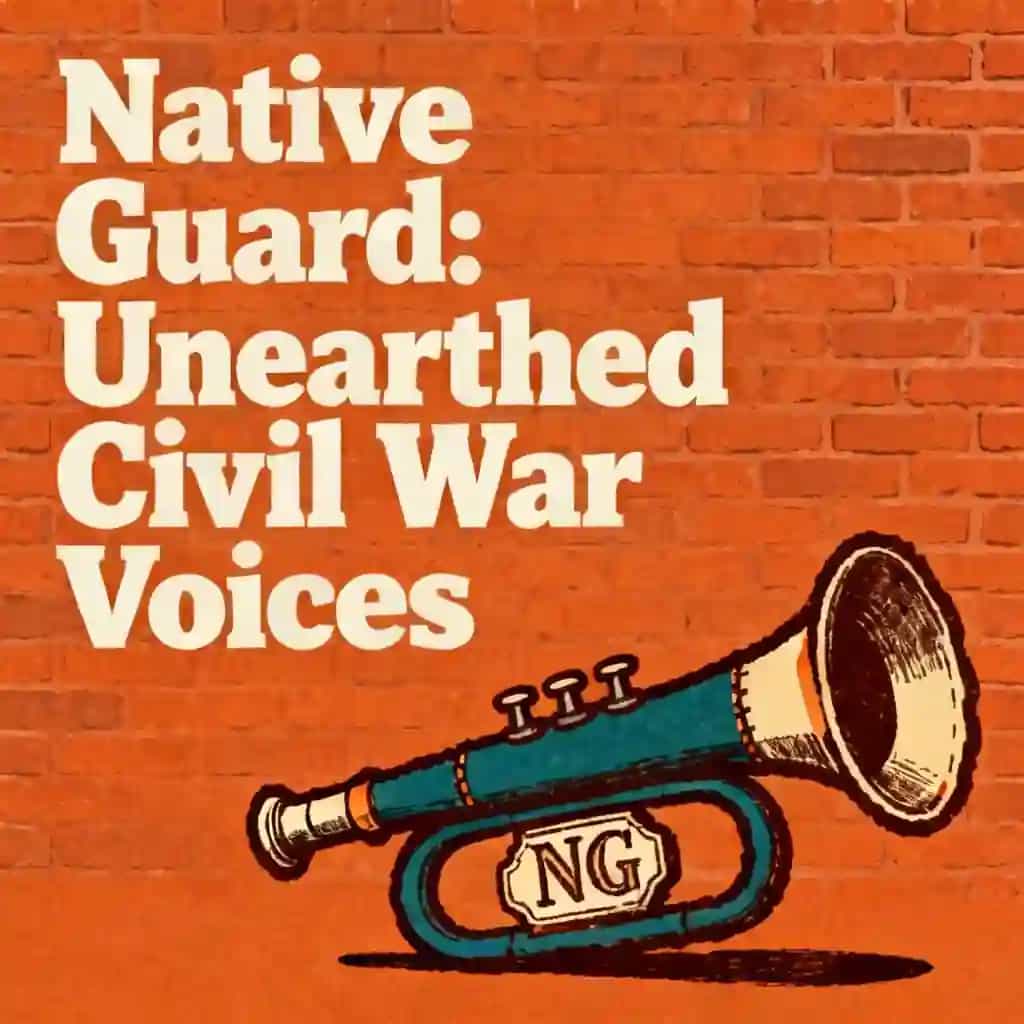
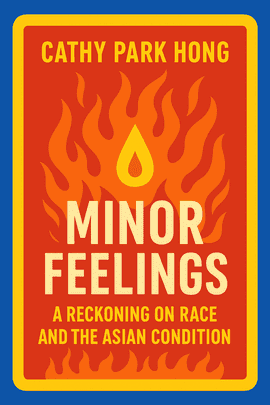
Trethewey's Native Guard: Recovered History
An analysis of how Natasha Trethewey resurrects the forgotten Black Union soldiers of the Native Guard through poetry, creating literary monuments where physical ones were denied.

Mejor cita de Trethewey's Native Guard: Recovered History
That erasure is what makes Trethewey's work so important. She's creating a monument in verse where there wasn't one in stone.

Esta lección de audio fue creada por un miembro de la comunidad BeFreed
Notes on native guard ,i dont want conversation

Descubre más
Homegoing: Key Characters & Plot Summary
This plan is essential for readers and students seeking a deep dive into the historical and psychological layers of Yaa Gyasi’s epic. It is perfect for literature enthusiasts interested in how generational trauma and colonial legacies shape modern identity.

Appreciating Black Women's Beauty
This learning plan is essential for anyone seeking to dismantle systemic beauty biases and celebrate the profound cultural impact of Black women. It is particularly beneficial for individuals looking to strengthen their self-image, educators, and allies committed to understanding intersectional feminism and authentic representation.

Jane Eyre: Rebel, Slave, Equal
This plan is essential for literature students and readers seeking a deep dive into Bronte’s feminist masterpiece. It provides a structured analysis of Jane’s evolution from a repressed orphan to a self-actualized woman in a marriage of equals.

The Weaver's Legacy: Historic Textiles
This plan bridges the gap between material science and fashion history, offering a deep dive into how textiles shaped human culture. It is ideal for aspiring historians, costume designers, and textile enthusiasts looking to master heritage craft techniques.

Raven's Revenge: The Complete Narrative Deconstruction
This learning plan is essential for writers and literary analysts seeking to master the mechanics of high-stakes conflict and redemption arcs. It provides a deep dive into narrative framing and the structural requirements of a compelling counterattack, making it ideal for storytellers focused on the thriller or drama genres.

History from the Bottom Up
This plan is essential for those who want to understand history through the lens of lived experience rather than just elite politics. It is ideal for students, researchers, or history enthusiasts looking to uncover the resilience and quiet subversion of ordinary people during global upheavals.

The Female Eunuch: Reclaiming Vitality
This plan is essential for anyone seeking to understand the radical roots of modern feminism and the social construction of gender. It is ideal for students of sociology, gender studies, or readers looking to reclaim their personal autonomy from societal expectations.

Analyze unique takes on English books.
This plan is essential for students and literature enthusiasts who want to move beyond basic comprehension toward sophisticated critique. It is ideal for anyone seeking to master diverse theoretical frameworks and develop a scholarly, unique voice in literary analysis.
Creado por exalumnos de la Universidad de Columbia en San Francisco
"Instead of endless scrolling, I just hit play on BeFreed. It saves me so much time."


"I never knew where to start with nonfiction—BeFreed’s book lists turned into podcasts gave me a clear path."


"Perfect balance between learning and entertainment. Finished ‘Thinking, Fast and Slow’ on my commute this week."
"Crazy how much I learned while walking the dog. BeFreed = small habits → big gains."
"Reading used to feel like a chore. Now it’s just part of my lifestyle."

"Feels effortless compared to reading. I’ve finished 6 books this month already."
"BeFreed turned my guilty doomscrolling into something that feels productive and inspiring."

"BeFreed turned my commute into learning time. 20-min podcasts are perfect for finishing books I never had time for."
"BeFreed replaced my podcast queue. Imagine Spotify for books — that’s it. 🙌"

"It is great for me to learn something from the book without reading it."
"The themed book list podcasts help me connect ideas across authors—like a guided audio journey."
"Makes me feel smarter every time before going to work"
Creado por exalumnos de la Universidad de Columbia en San Francisco
"Instead of endless scrolling, I just hit play on BeFreed. It saves me so much time."
"I never knew where to start with nonfiction—BeFreed’s book lists turned into podcasts gave me a clear path."
"Perfect balance between learning and entertainment. Finished ‘Thinking, Fast and Slow’ on my commute this week."
"Crazy how much I learned while walking the dog. BeFreed = small habits → big gains."
"Reading used to feel like a chore. Now it’s just part of my lifestyle."
"Feels effortless compared to reading. I’ve finished 6 books this month already."
"BeFreed turned my guilty doomscrolling into something that feels productive and inspiring."
"BeFreed turned my commute into learning time. 20-min podcasts are perfect for finishing books I never had time for."
"BeFreed replaced my podcast queue. Imagine Spotify for books — that’s it. 🙌"
"It is great for me to learn something from the book without reading it."
"The themed book list podcasts help me connect ideas across authors—like a guided audio journey."
"Makes me feel smarter every time before going to work"
"Instead of endless scrolling, I just hit play on BeFreed. It saves me so much time."
"I never knew where to start with nonfiction—BeFreed’s book lists turned into podcasts gave me a clear path."
"Perfect balance between learning and entertainment. Finished ‘Thinking, Fast and Slow’ on my commute this week."
"Crazy how much I learned while walking the dog. BeFreed = small habits → big gains."
"Reading used to feel like a chore. Now it’s just part of my lifestyle."
"Feels effortless compared to reading. I’ve finished 6 books this month already."
"BeFreed turned my guilty doomscrolling into something that feels productive and inspiring."
"BeFreed turned my commute into learning time. 20-min podcasts are perfect for finishing books I never had time for."
"BeFreed replaced my podcast queue. Imagine Spotify for books — that’s it. 🙌"
"It is great for me to learn something from the book without reading it."
"The themed book list podcasts help me connect ideas across authors—like a guided audio journey."
"Makes me feel smarter every time before going to work"
"Instead of endless scrolling, I just hit play on BeFreed. It saves me so much time."
"I never knew where to start with nonfiction—BeFreed’s book lists turned into podcasts gave me a clear path."
"Perfect balance between learning and entertainment. Finished ‘Thinking, Fast and Slow’ on my commute this week."
"Crazy how much I learned while walking the dog. BeFreed = small habits → big gains."
"Reading used to feel like a chore. Now it’s just part of my lifestyle."
"Feels effortless compared to reading. I’ve finished 6 books this month already."
"BeFreed turned my guilty doomscrolling into something that feels productive and inspiring."
"BeFreed turned my commute into learning time. 20-min podcasts are perfect for finishing books I never had time for."
"BeFreed replaced my podcast queue. Imagine Spotify for books — that’s it. 🙌"
"It is great for me to learn something from the book without reading it."
"The themed book list podcasts help me connect ideas across authors—like a guided audio journey."
"Makes me feel smarter every time before going to work"