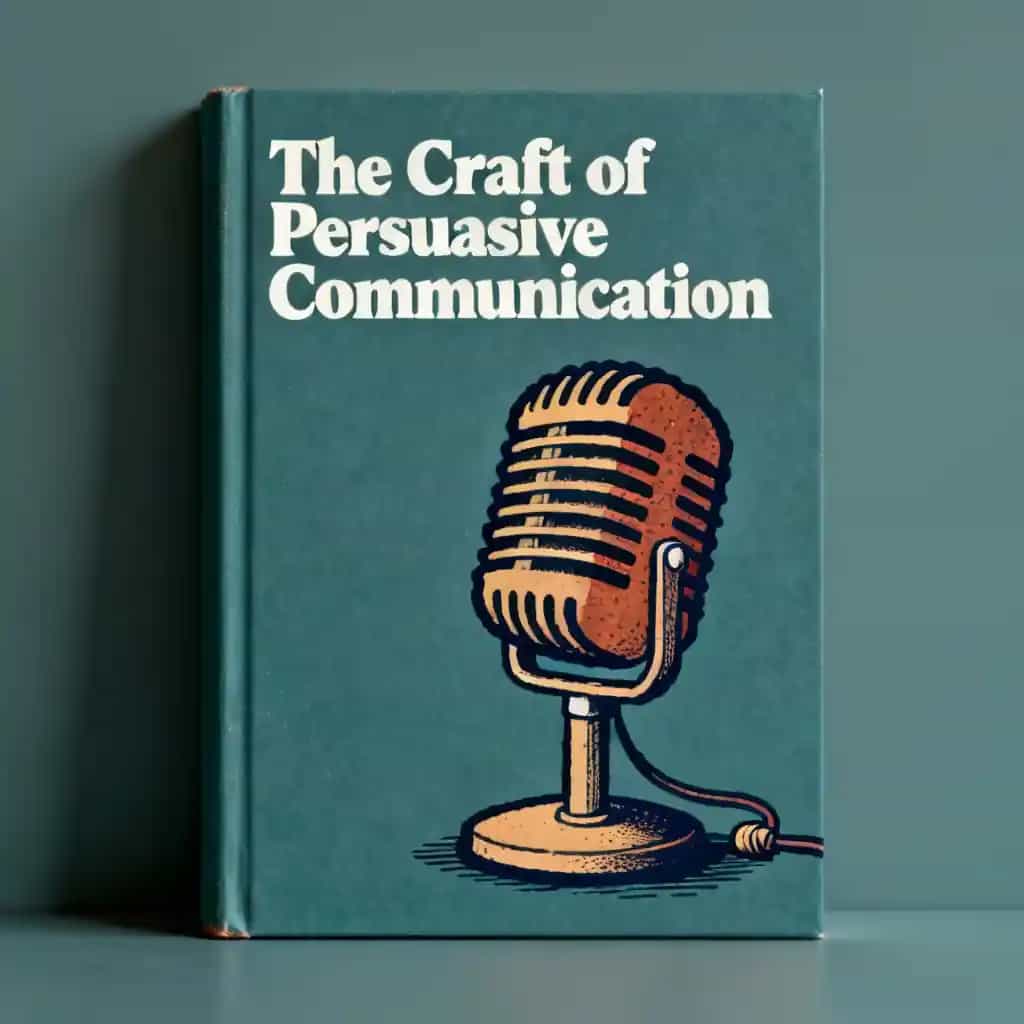
The Rule of Three: Ancient Rhetoric's Power
Discover why the human brain is hardwired to find completion and power in groups of three, from Caesar's 'Veni, vidi, vici' to modern persuasion techniques.

Mejor cita de The Rule of Three: Ancient Rhetoric's Power
The rule of three creates a sense of wholeness that satisfies something deep in how we process information; it is the minimum number needed to establish what our brains recognize as a true pattern.

Esta lección de audio fue creada por un miembro de la comunidad BeFreed
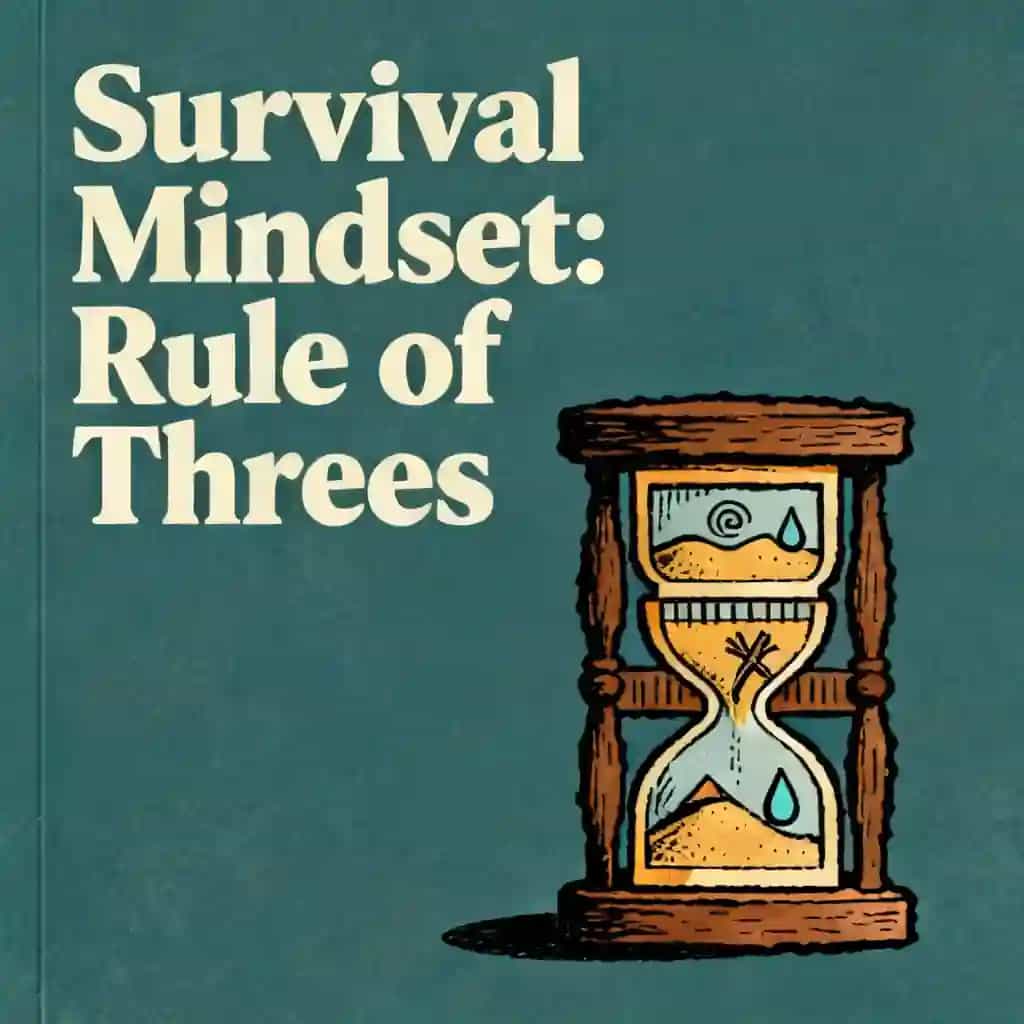
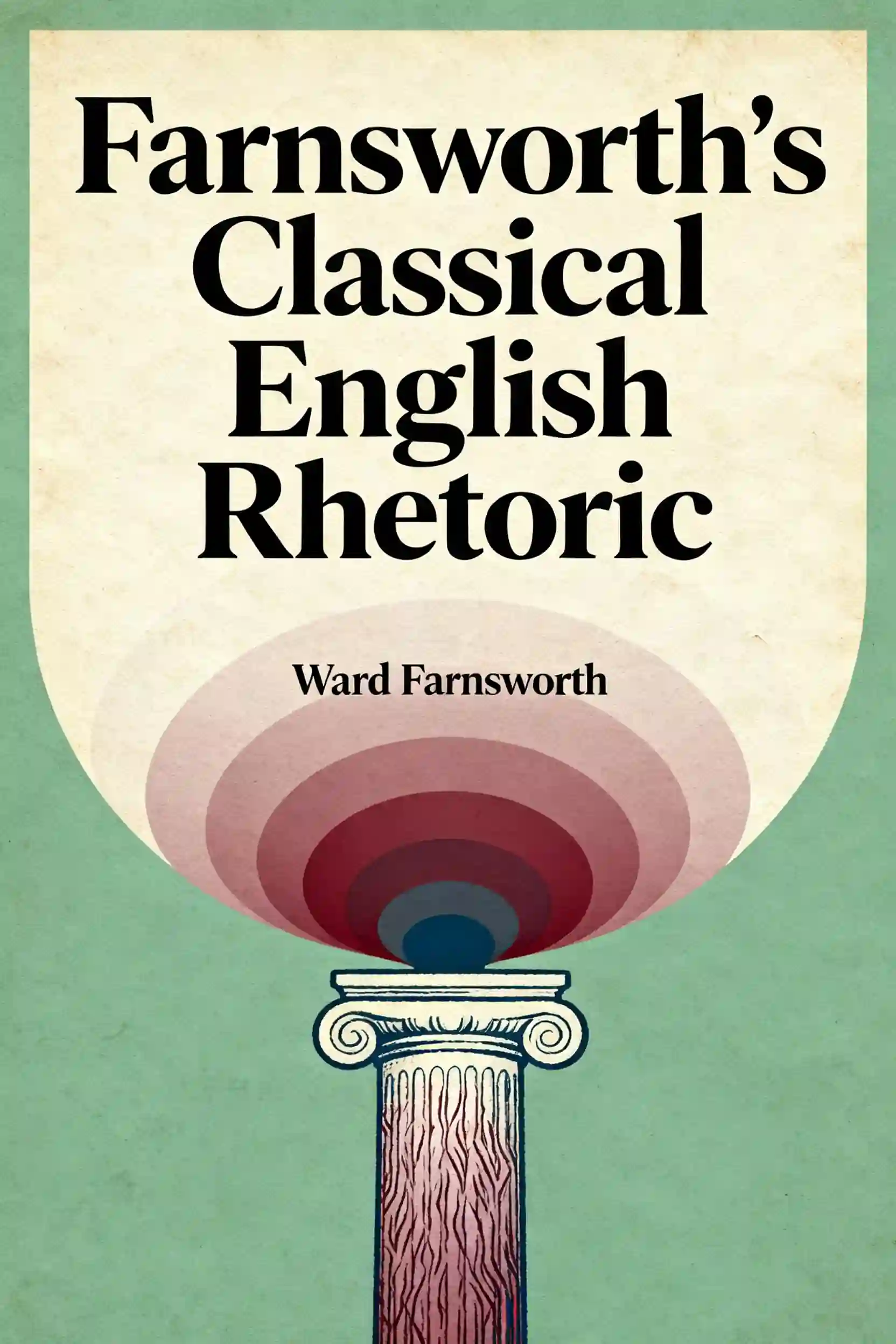
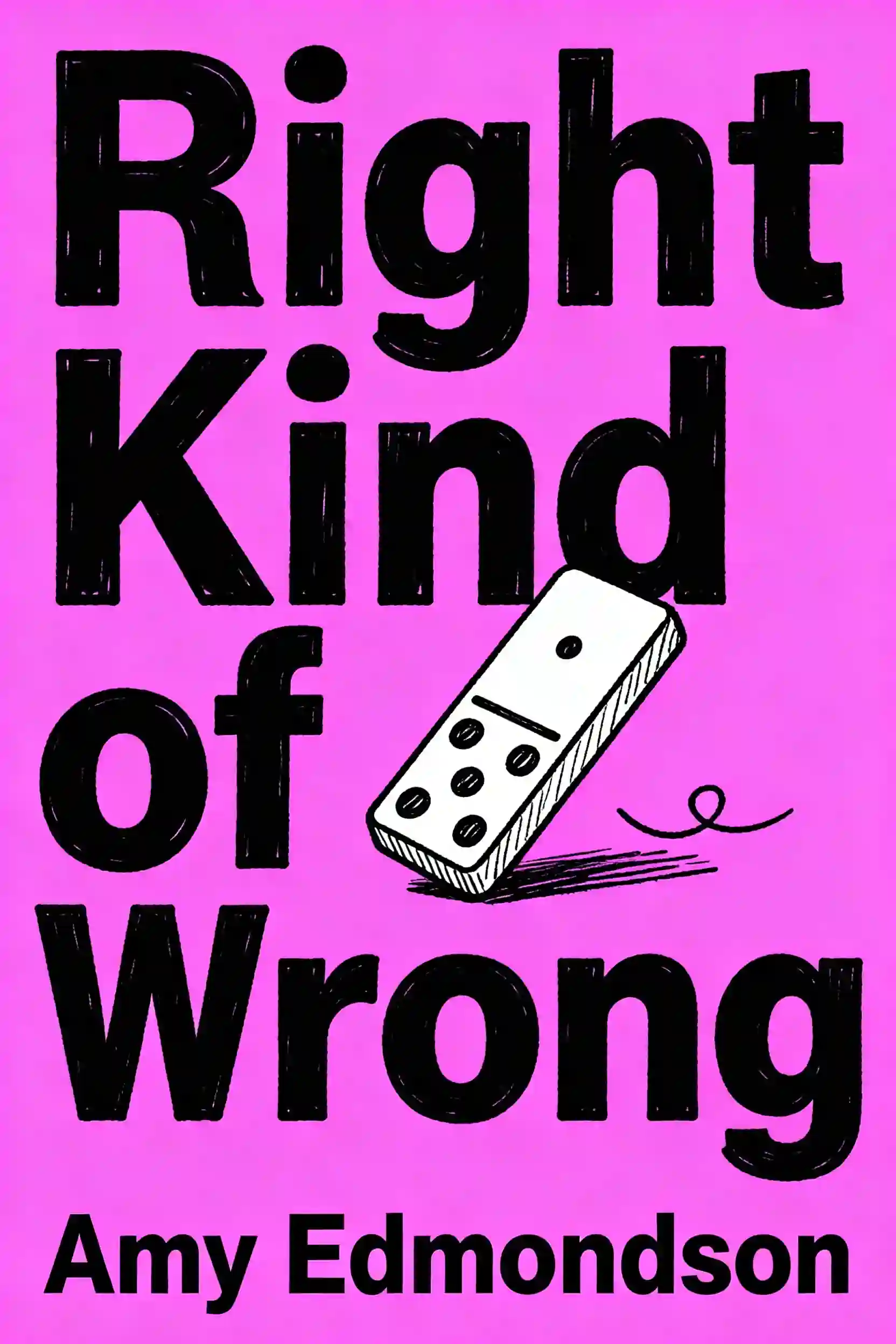
The Tricolon (The Rule of Three) This is the most foundational rhythmic structure in oratory. It relies on the human brain’s natural tendency to find completion in the number three. The Library Your mistakes are not trash; they are reference books. filed under "How to Survive."


Descubre más

Robert Greene: The Power & Human Nature Pod
This plan distills Robert Greene's essential wisdom on influence and social dynamics into actionable lessons. It is ideal for leaders, entrepreneurs, and anyone seeking to navigate human nature with greater strategic clarity and psychological insight.

Command the Room with Persuasive Presence
Professional success often hinges on the ability to influence others and project confidence under pressure. This plan is designed for aspiring leaders and executives who need to bridge the gap between technical expertise and persuasive leadership. It provides the psychological and rhetorical tools necessary to dominate any room and win over skeptical stakeholders.

To manipulate others
This plan is essential for leaders and professionals who need to navigate complex social hierarchies and master the art of persuasion. It provides a comprehensive toolkit for understanding human motivation and protecting oneself from covert influence.

36 Strategies of Power: A War Manual
This course bridges the gap between ancient wisdom and modern survival, offering a deep dive into the mechanics of influence and tactical superiority. It is essential for leaders, entrepreneurs, and strategists who need to navigate high-stakes environments where psychological insight and political acumen are the primary tools for success.

The Hidden Rules of Power and Groups
This plan is essential for anyone looking to navigate complex social hierarchies and professional environments with greater awareness. It is particularly beneficial for leaders, activists, and professionals who want to understand the systemic forces shaping human behavior and group dynamics.

Laws of power
This plan bridges the gap between historical statecraft and modern psychological influence, offering a blueprint for navigating competitive environments. It is essential for aspiring leaders and professionals who want to master the art of ethical persuasion and strategic decision-making.

Ancient Rules for Modern Life
This plan bridges the gap between ancient philosophy and cutting-edge technology. It is ideal for professionals and students looking to develop a strong ethical compass in an era dominated by artificial intelligence.

The Mechanics of Influence
This plan is essential for leaders and communicators who need to navigate complex social dynamics and protect their mental integrity. It provides a rare look at the intersection of evolutionary psychology and tactical persuasion, making it ideal for those seeking to influence ethically or defend against manipulation.
Creado por exalumnos de la Universidad de Columbia en San Francisco
"Instead of endless scrolling, I just hit play on BeFreed. It saves me so much time."


"I never knew where to start with nonfiction—BeFreed’s book lists turned into podcasts gave me a clear path."


"Perfect balance between learning and entertainment. Finished ‘Thinking, Fast and Slow’ on my commute this week."
"Crazy how much I learned while walking the dog. BeFreed = small habits → big gains."
"Reading used to feel like a chore. Now it’s just part of my lifestyle."

"Feels effortless compared to reading. I’ve finished 6 books this month already."
"BeFreed turned my guilty doomscrolling into something that feels productive and inspiring."

"BeFreed turned my commute into learning time. 20-min podcasts are perfect for finishing books I never had time for."
"BeFreed replaced my podcast queue. Imagine Spotify for books — that’s it. 🙌"

"It is great for me to learn something from the book without reading it."
"The themed book list podcasts help me connect ideas across authors—like a guided audio journey."
"Makes me feel smarter every time before going to work"
Creado por exalumnos de la Universidad de Columbia en San Francisco
"Instead of endless scrolling, I just hit play on BeFreed. It saves me so much time."
"I never knew where to start with nonfiction—BeFreed’s book lists turned into podcasts gave me a clear path."
"Perfect balance between learning and entertainment. Finished ‘Thinking, Fast and Slow’ on my commute this week."
"Crazy how much I learned while walking the dog. BeFreed = small habits → big gains."
"Reading used to feel like a chore. Now it’s just part of my lifestyle."
"Feels effortless compared to reading. I’ve finished 6 books this month already."
"BeFreed turned my guilty doomscrolling into something that feels productive and inspiring."
"BeFreed turned my commute into learning time. 20-min podcasts are perfect for finishing books I never had time for."
"BeFreed replaced my podcast queue. Imagine Spotify for books — that’s it. 🙌"
"It is great for me to learn something from the book without reading it."
"The themed book list podcasts help me connect ideas across authors—like a guided audio journey."
"Makes me feel smarter every time before going to work"
"Instead of endless scrolling, I just hit play on BeFreed. It saves me so much time."
"I never knew where to start with nonfiction—BeFreed’s book lists turned into podcasts gave me a clear path."
"Perfect balance between learning and entertainment. Finished ‘Thinking, Fast and Slow’ on my commute this week."
"Crazy how much I learned while walking the dog. BeFreed = small habits → big gains."
"Reading used to feel like a chore. Now it’s just part of my lifestyle."
"Feels effortless compared to reading. I’ve finished 6 books this month already."
"BeFreed turned my guilty doomscrolling into something that feels productive and inspiring."
"BeFreed turned my commute into learning time. 20-min podcasts are perfect for finishing books I never had time for."
"BeFreed replaced my podcast queue. Imagine Spotify for books — that’s it. 🙌"
"It is great for me to learn something from the book without reading it."
"The themed book list podcasts help me connect ideas across authors—like a guided audio journey."
"Makes me feel smarter every time before going to work"
"Instead of endless scrolling, I just hit play on BeFreed. It saves me so much time."
"I never knew where to start with nonfiction—BeFreed’s book lists turned into podcasts gave me a clear path."
"Perfect balance between learning and entertainment. Finished ‘Thinking, Fast and Slow’ on my commute this week."
"Crazy how much I learned while walking the dog. BeFreed = small habits → big gains."
"Reading used to feel like a chore. Now it’s just part of my lifestyle."
"Feels effortless compared to reading. I’ve finished 6 books this month already."
"BeFreed turned my guilty doomscrolling into something that feels productive and inspiring."
"BeFreed turned my commute into learning time. 20-min podcasts are perfect for finishing books I never had time for."
"BeFreed replaced my podcast queue. Imagine Spotify for books — that’s it. 🙌"
"It is great for me to learn something from the book without reading it."
"The themed book list podcasts help me connect ideas across authors—like a guided audio journey."
"Makes me feel smarter every time before going to work"