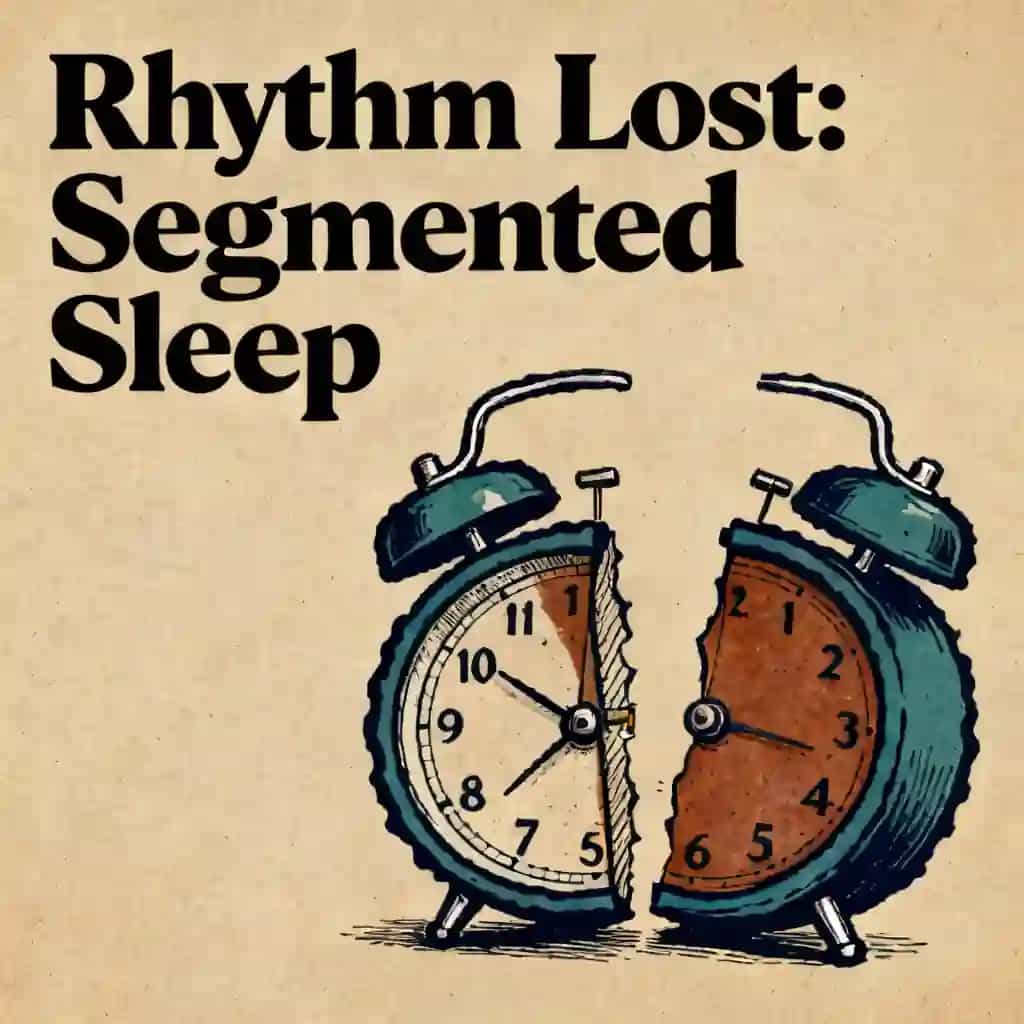
The Rhythm of Being: Beyond the Clock
Explore the biological tug-of-war between our need for emotional spontaneity and the internal clocks that keep us sane. Learn how to escape 'permanent jet lag' by turning rigid schedules into soulful human rituals.

Mejor cita de The Rhythm of Being: Beyond the Clock
Routine isn't a distraction from our emotions—it’s the foundation for emotional healing. It provides the 'temporal scaffolding' that holds your identity together so your emotions can flow without the whole structure collapsing.
Generated by hassan mujtaba
Human bodies are not made for following a set pattern like waking up and going to work at specific time, having lunch and then sleep at specific times. Humans have emotions and each day is unique hence should not follow a specific pattern.

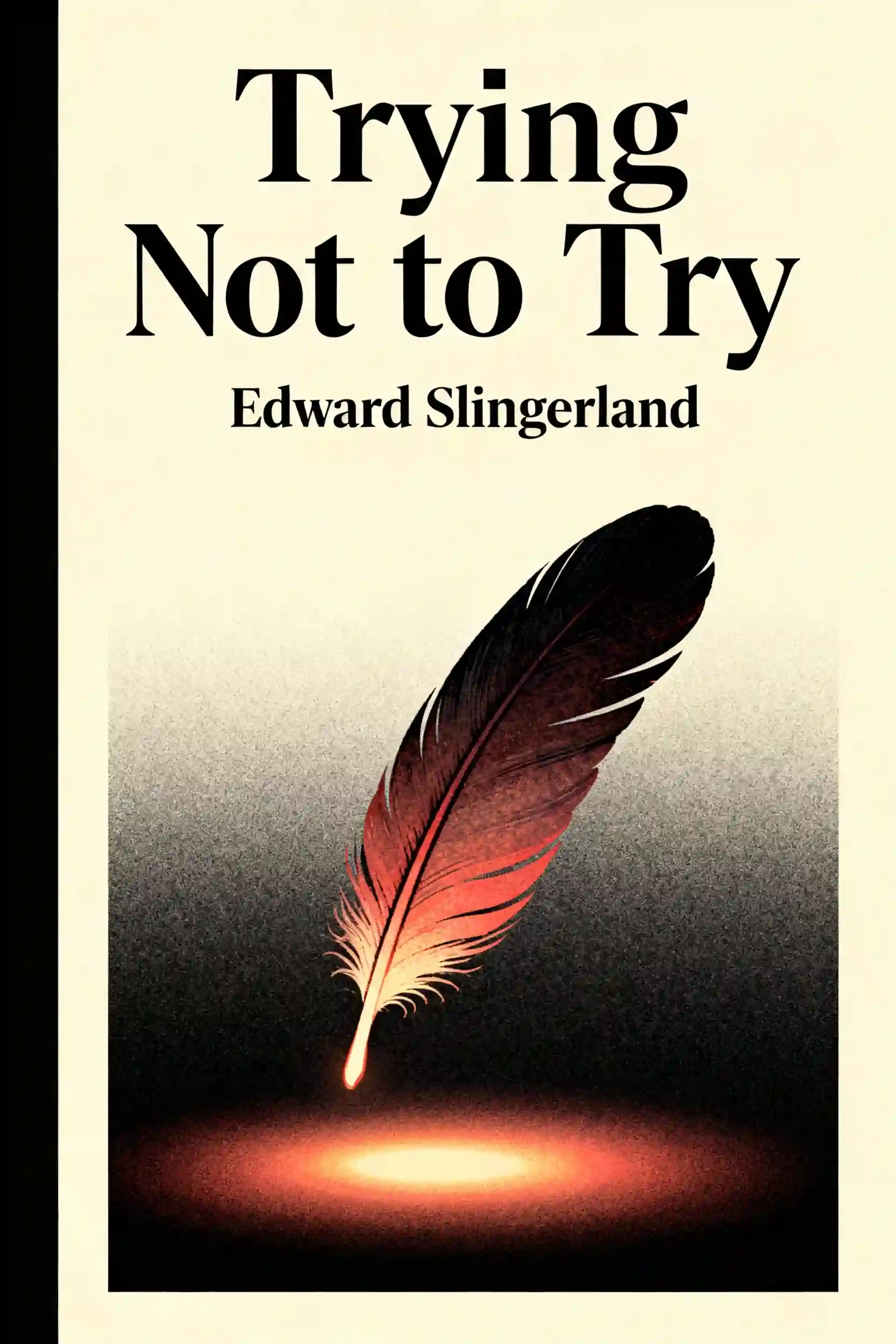
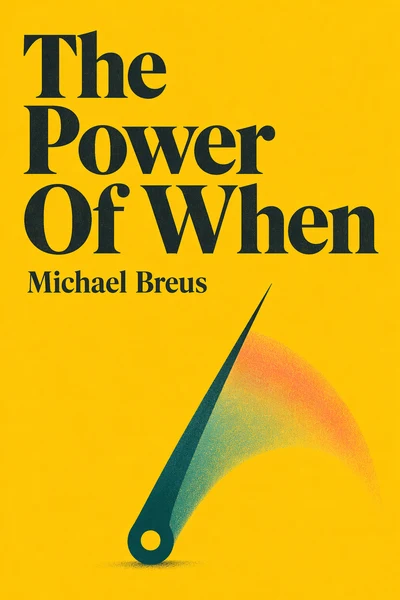
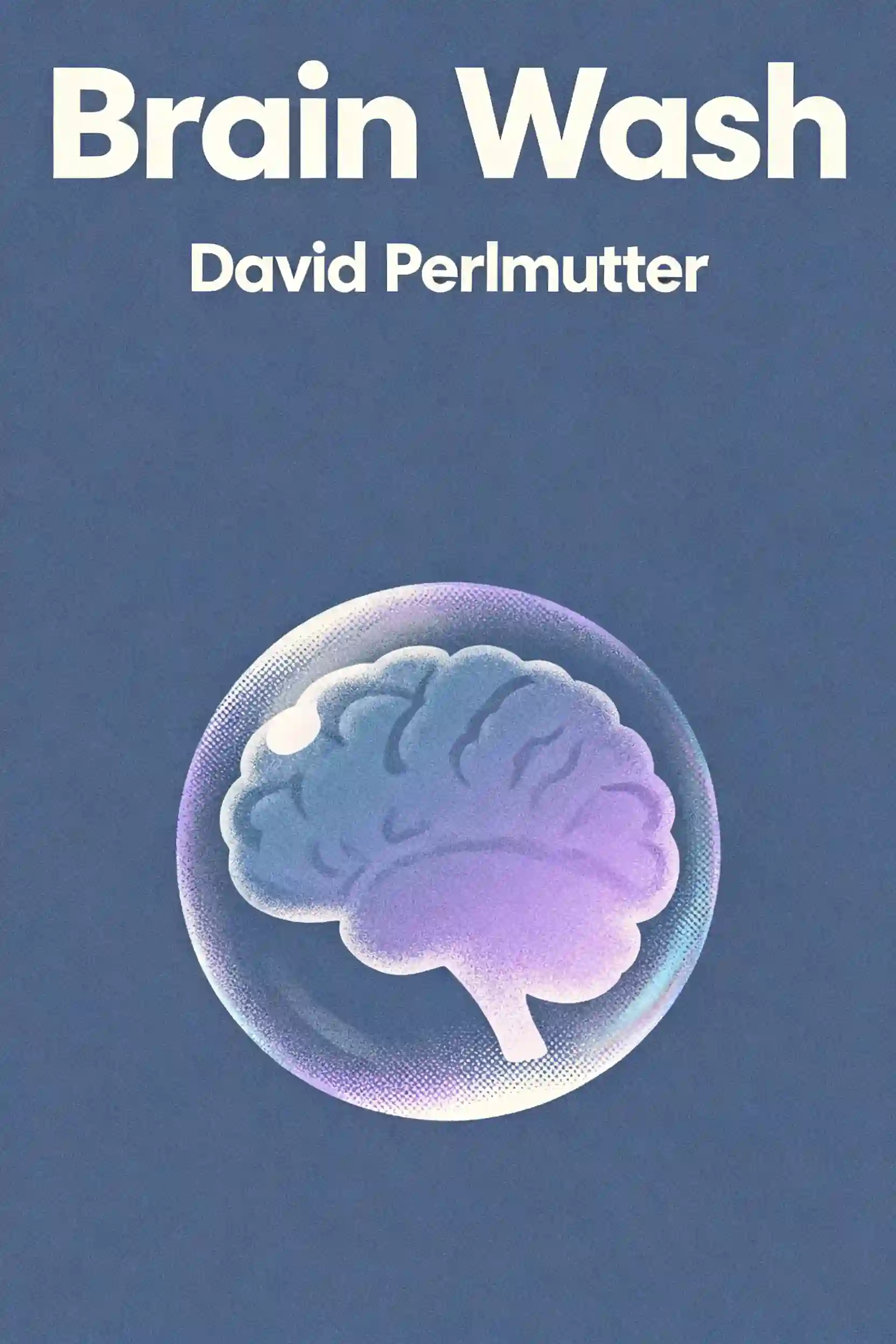
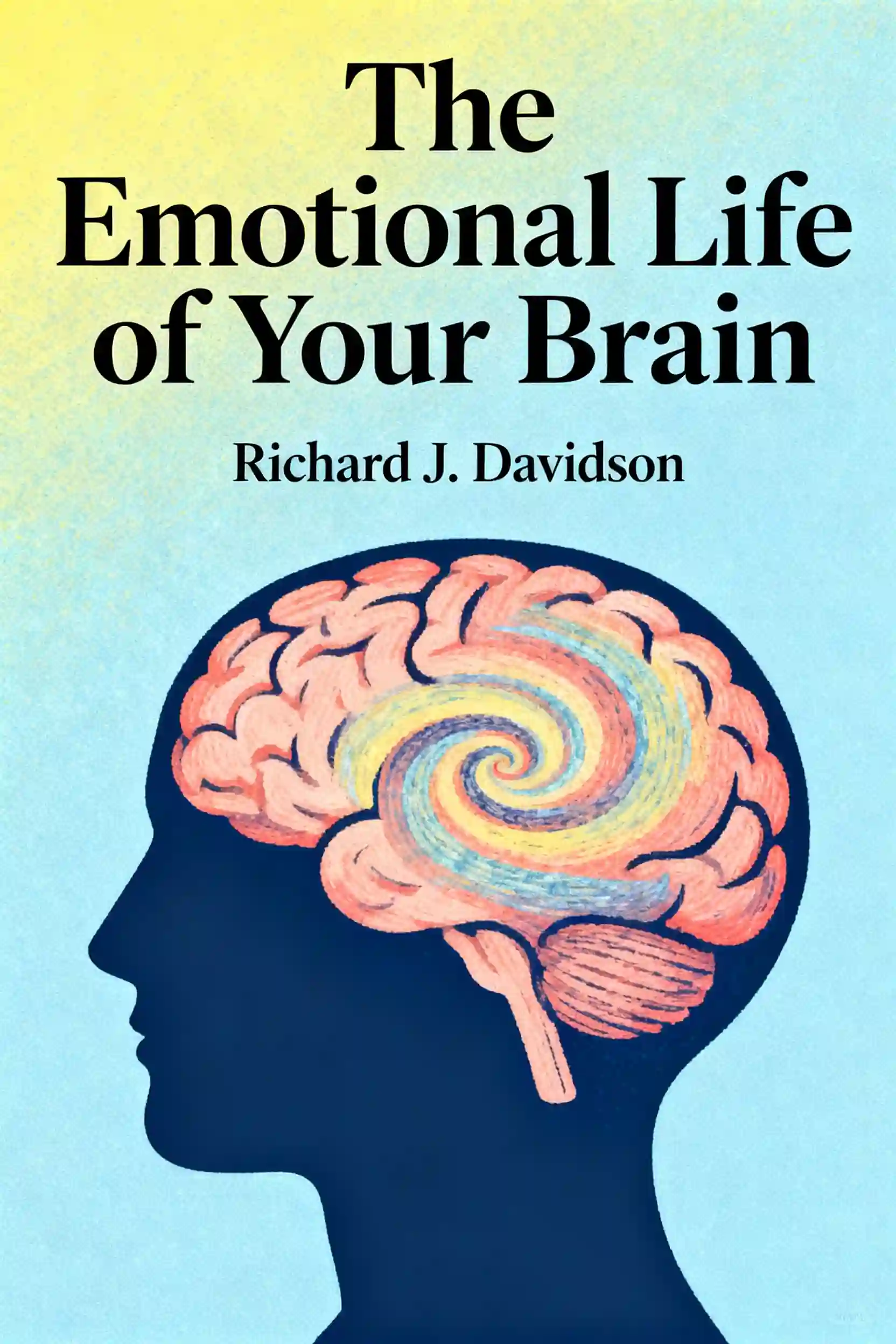
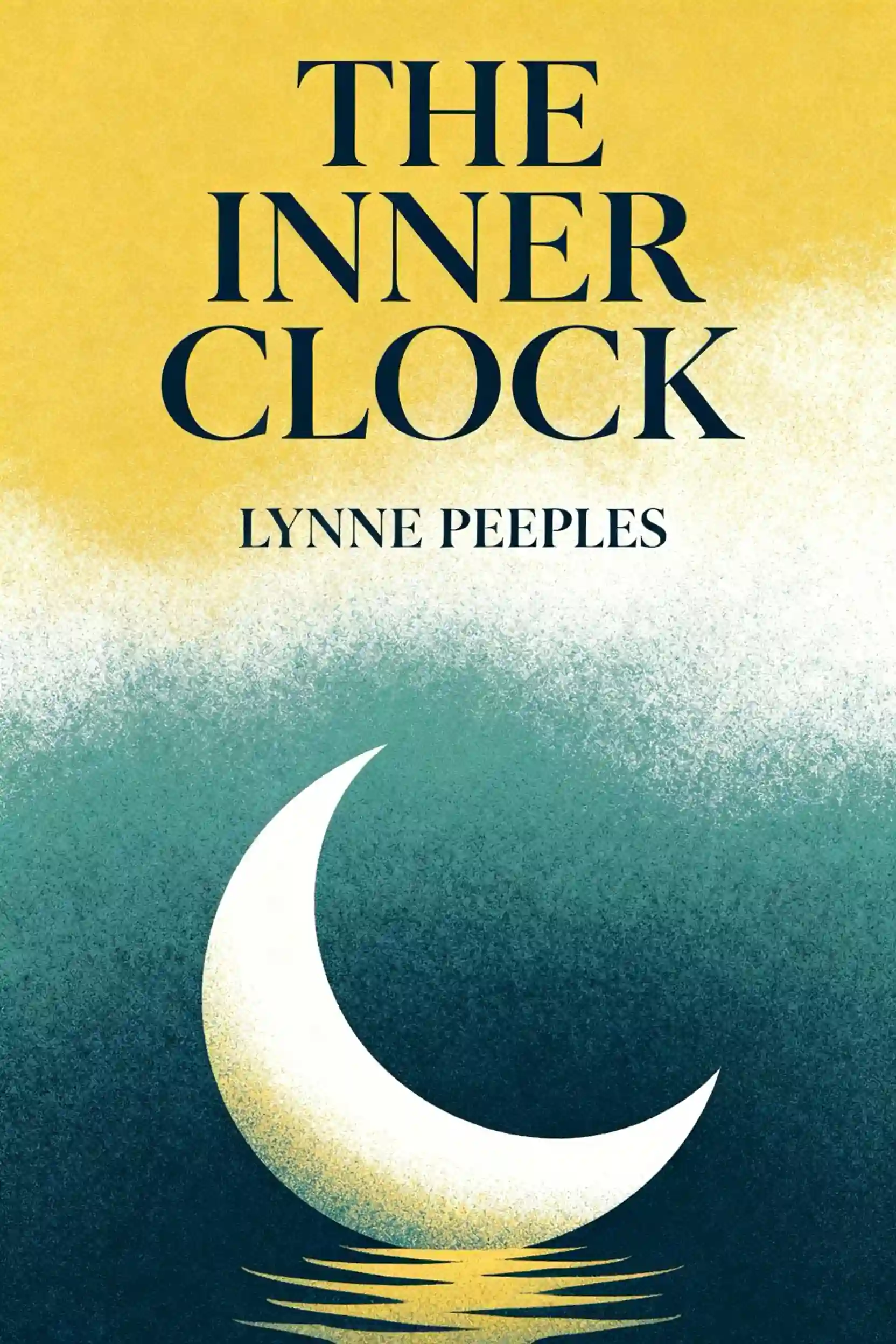
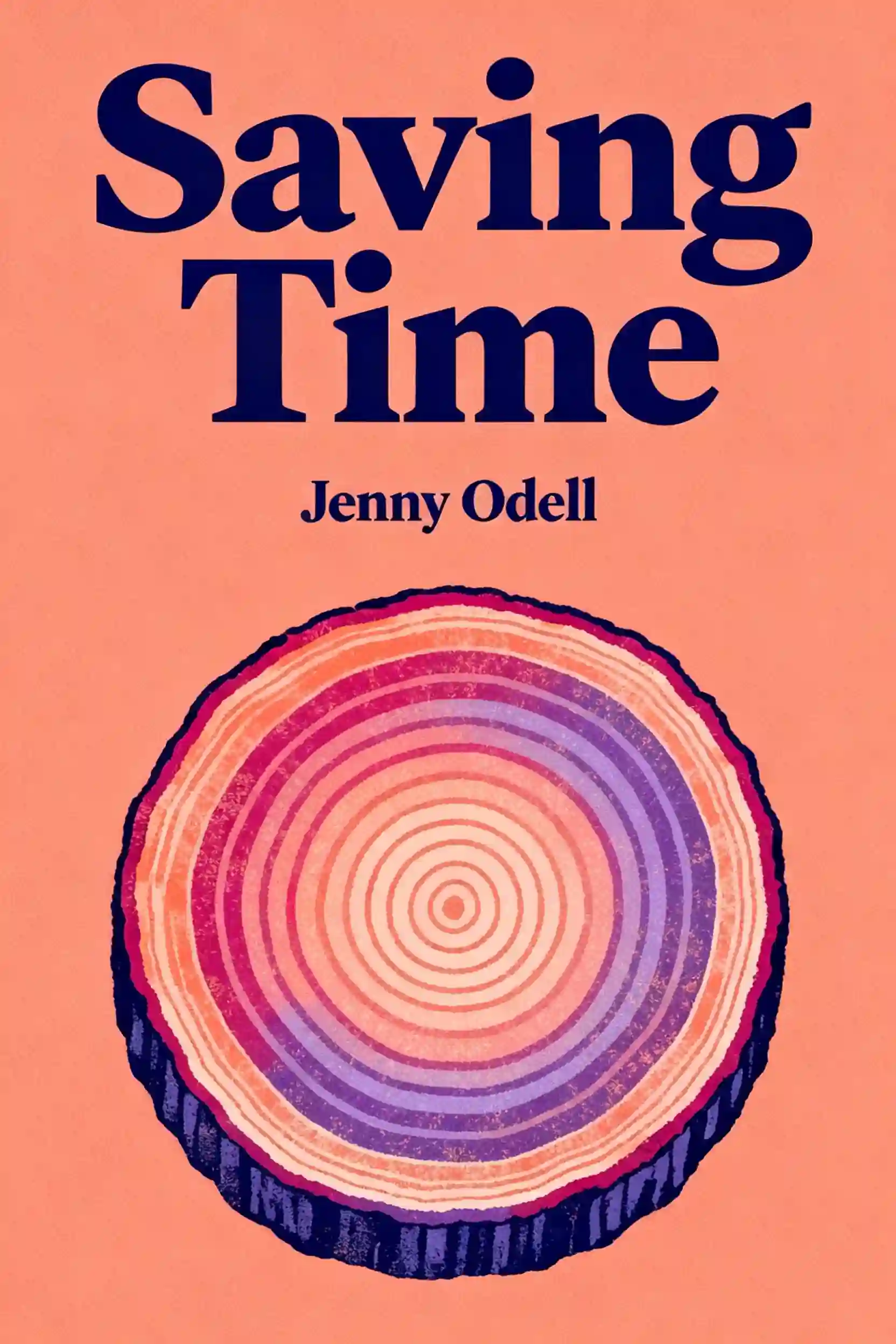
Preguntas frecuentes
Permanent jet lag is a state of chronic exhaustion and cognitive fog caused by living without a consistent biological rhythm. When a person frequently shifts their sleep patterns, meal times, or activity levels, they create a conflict between their behavior and their internal clocks. This lack of predictability prevents the nervous system from effectively coordinating hormones and energy, leaving the body in a constant state of transition similar to crossing time zones.
While most people are familiar with the 24-hour circadian rhythm, research shows we also have a "circasemidian" rhythm driven by hundreds of genes that peak twice a day, roughly twelve hours apart. These genes are heavily involved in cellular quality control and protein folding. This biological "maintenance crew" typically ramps up during "rush hour" periods at dawn and dusk to help the body transition between states of rest and high-intensity activity.
Psychologists distinguish between the Desire for Simple Structure (DSS) and the Intolerance of Uncertainty (IU). DSS is a healthy preference for order that increases a person's sense of agency and reduces decision fatigue. In contrast, IU is a defense mechanism where a person uses routine to outrun anxiety; this rigidity is linked to higher rates of depression because the individual lacks the cognitive flexibility to adapt when life inevitably disrupts their schedule.
The term "social zeitgeber" refers to external social cues—such as consistent work start times, regular family meals, or recurring appointments—that act as "time-givers" for our internal clocks. These anchors are essential for psychological stabilization. Research on individuals facing major life disruptions, such as refugees, shows that re-establishing these social anchors significantly reduces symptoms of PTSD and depression by providing a predictable "scaffolding" for the nervous system.
For those who cannot maintain a standard 24-hour routine, the script suggests using "Anchor Routines" or "mini-patterns." These are small, consistent rituals—such as a specific pre-sleep routine or timed light exposure—that signal to the body where it is in its subjective day. By creating these artificial cues, individuals can reclaim a sense of agency and provide their cells with some level of predictability despite an irregular external environment.
Creado por exalumnos de la Universidad de Columbia en San Francisco
"Instead of endless scrolling, I just hit play on BeFreed. It saves me so much time."


"I never knew where to start with nonfiction—BeFreed’s book lists turned into podcasts gave me a clear path."


"Perfect balance between learning and entertainment. Finished ‘Thinking, Fast and Slow’ on my commute this week."
"Crazy how much I learned while walking the dog. BeFreed = small habits → big gains."
"Reading used to feel like a chore. Now it’s just part of my lifestyle."

"Feels effortless compared to reading. I’ve finished 6 books this month already."
"BeFreed turned my guilty doomscrolling into something that feels productive and inspiring."

"BeFreed turned my commute into learning time. 20-min podcasts are perfect for finishing books I never had time for."
"BeFreed replaced my podcast queue. Imagine Spotify for books — that’s it. 🙌"

"It is great for me to learn something from the book without reading it."
"The themed book list podcasts help me connect ideas across authors—like a guided audio journey."
"Makes me feel smarter every time before going to work"
 Ask ChatGPT
 Ask Claude
Creado por exalumnos de la Universidad de Columbia en San Francisco
"Instead of endless scrolling, I just hit play on BeFreed. It saves me so much time."
"I never knew where to start with nonfiction—BeFreed’s book lists turned into podcasts gave me a clear path."
"Perfect balance between learning and entertainment. Finished ‘Thinking, Fast and Slow’ on my commute this week."
"Crazy how much I learned while walking the dog. BeFreed = small habits → big gains."
"Reading used to feel like a chore. Now it’s just part of my lifestyle."
"Feels effortless compared to reading. I’ve finished 6 books this month already."
"BeFreed turned my guilty doomscrolling into something that feels productive and inspiring."
"BeFreed turned my commute into learning time. 20-min podcasts are perfect for finishing books I never had time for."
"BeFreed replaced my podcast queue. Imagine Spotify for books — that’s it. 🙌"
"It is great for me to learn something from the book without reading it."
"The themed book list podcasts help me connect ideas across authors—like a guided audio journey."
"Makes me feel smarter every time before going to work"
"Instead of endless scrolling, I just hit play on BeFreed. It saves me so much time."
"I never knew where to start with nonfiction—BeFreed’s book lists turned into podcasts gave me a clear path."
"Perfect balance between learning and entertainment. Finished ‘Thinking, Fast and Slow’ on my commute this week."
"Crazy how much I learned while walking the dog. BeFreed = small habits → big gains."
"Reading used to feel like a chore. Now it’s just part of my lifestyle."
"Feels effortless compared to reading. I’ve finished 6 books this month already."
"BeFreed turned my guilty doomscrolling into something that feels productive and inspiring."
"BeFreed turned my commute into learning time. 20-min podcasts are perfect for finishing books I never had time for."
"BeFreed replaced my podcast queue. Imagine Spotify for books — that’s it. 🙌"
"It is great for me to learn something from the book without reading it."
"The themed book list podcasts help me connect ideas across authors—like a guided audio journey."
"Makes me feel smarter every time before going to work"
"Instead of endless scrolling, I just hit play on BeFreed. It saves me so much time."
"I never knew where to start with nonfiction—BeFreed’s book lists turned into podcasts gave me a clear path."
"Perfect balance between learning and entertainment. Finished ‘Thinking, Fast and Slow’ on my commute this week."
"Crazy how much I learned while walking the dog. BeFreed = small habits → big gains."
"Reading used to feel like a chore. Now it’s just part of my lifestyle."
"Feels effortless compared to reading. I’ve finished 6 books this month already."
"BeFreed turned my guilty doomscrolling into something that feels productive and inspiring."
"BeFreed turned my commute into learning time. 20-min podcasts are perfect for finishing books I never had time for."
"BeFreed replaced my podcast queue. Imagine Spotify for books — that’s it. 🙌"
"It is great for me to learn something from the book without reading it."
"The themed book list podcasts help me connect ideas across authors—like a guided audio journey."
"Makes me feel smarter every time before going to work"