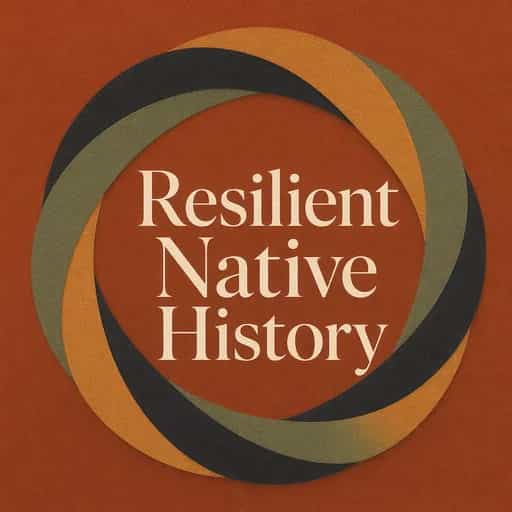
Mejor cita de The Nez Perce: Beyond Chief Joseph's Surrender
The Nez Perce understood that they were part of an interconnected ecosystem, not separate from it. This worldview centered around the idea that all living things had spirits and deserved respect.

Esta lección de audio fue creada por un miembro de la comunidad BeFreed
Nez perce

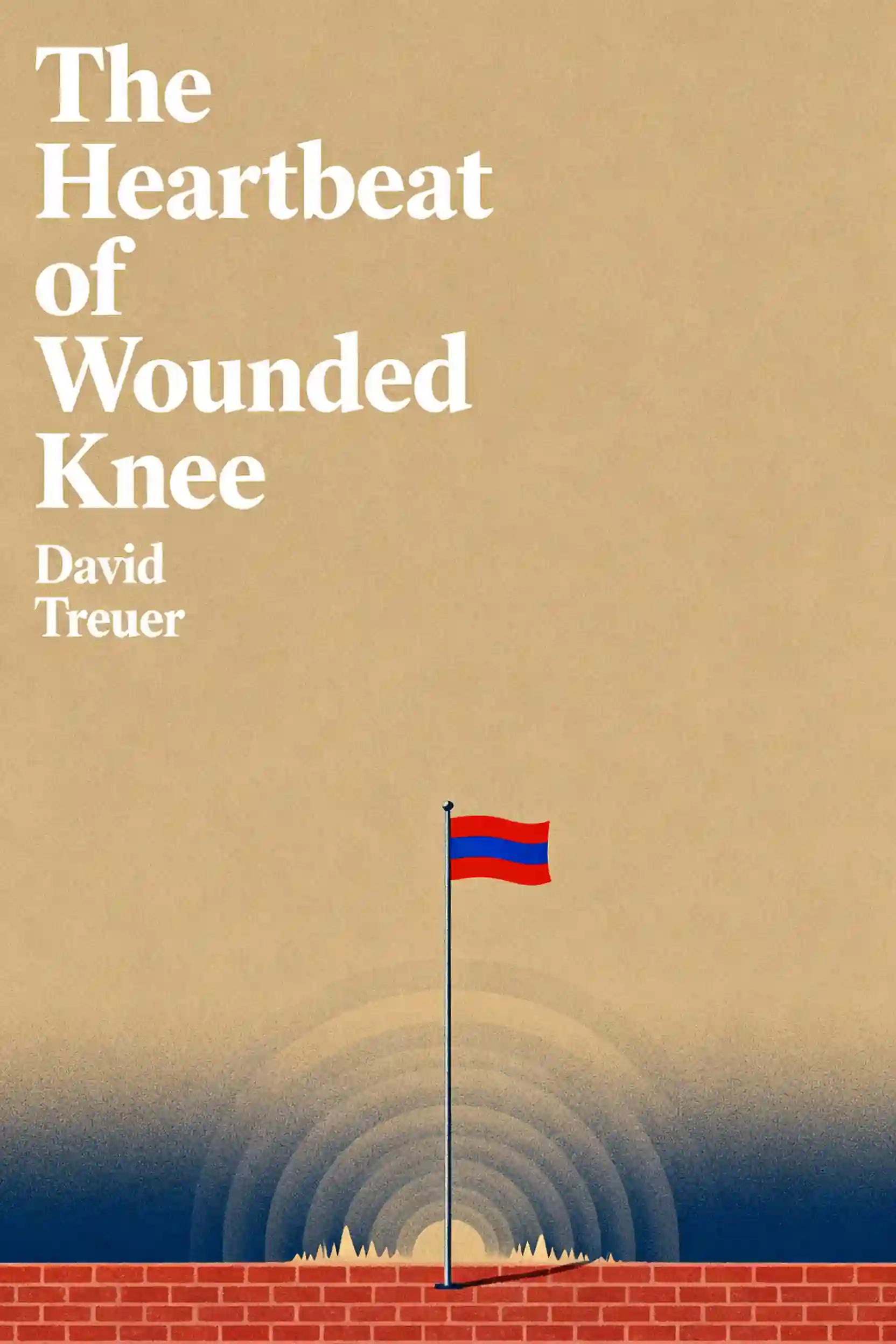
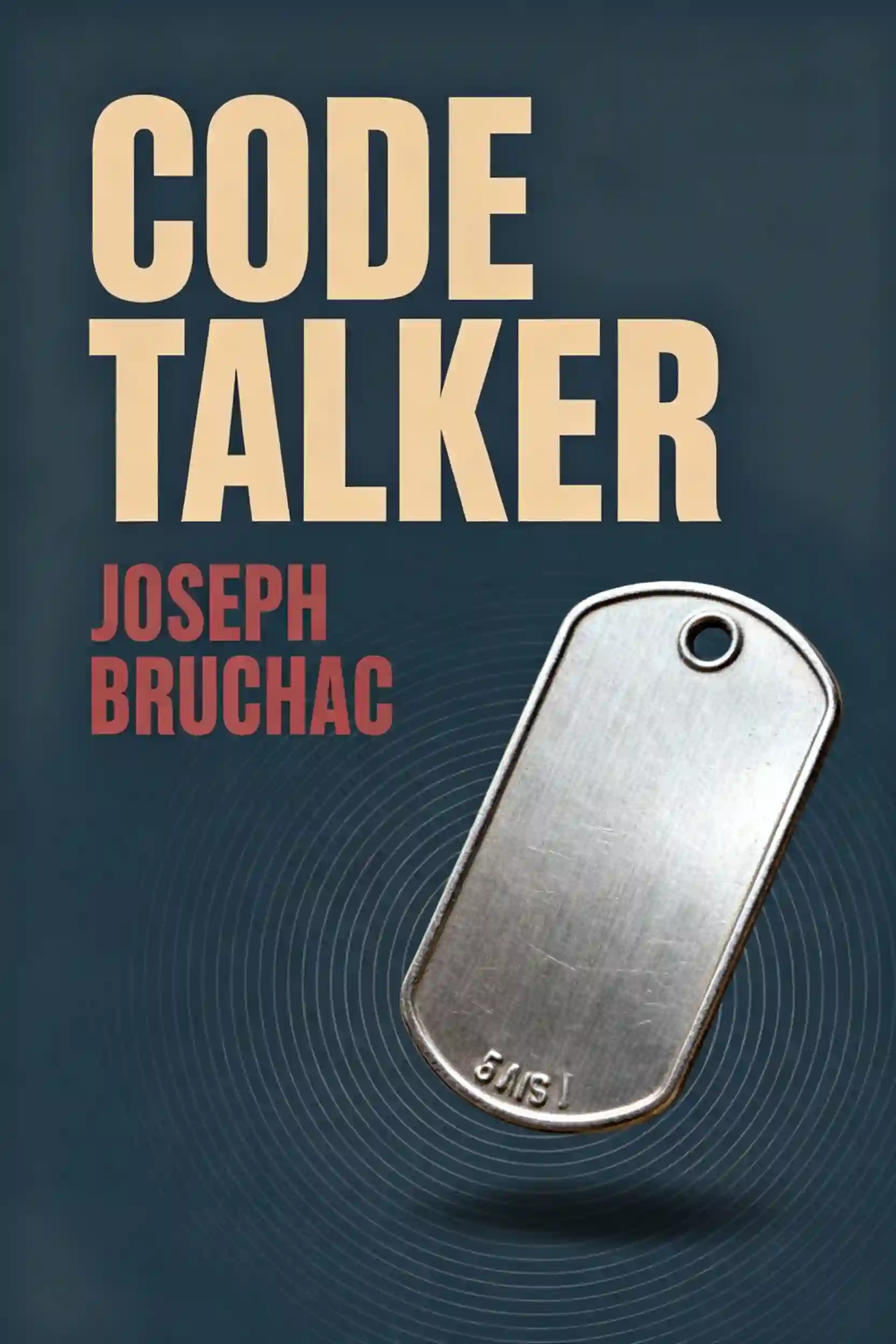
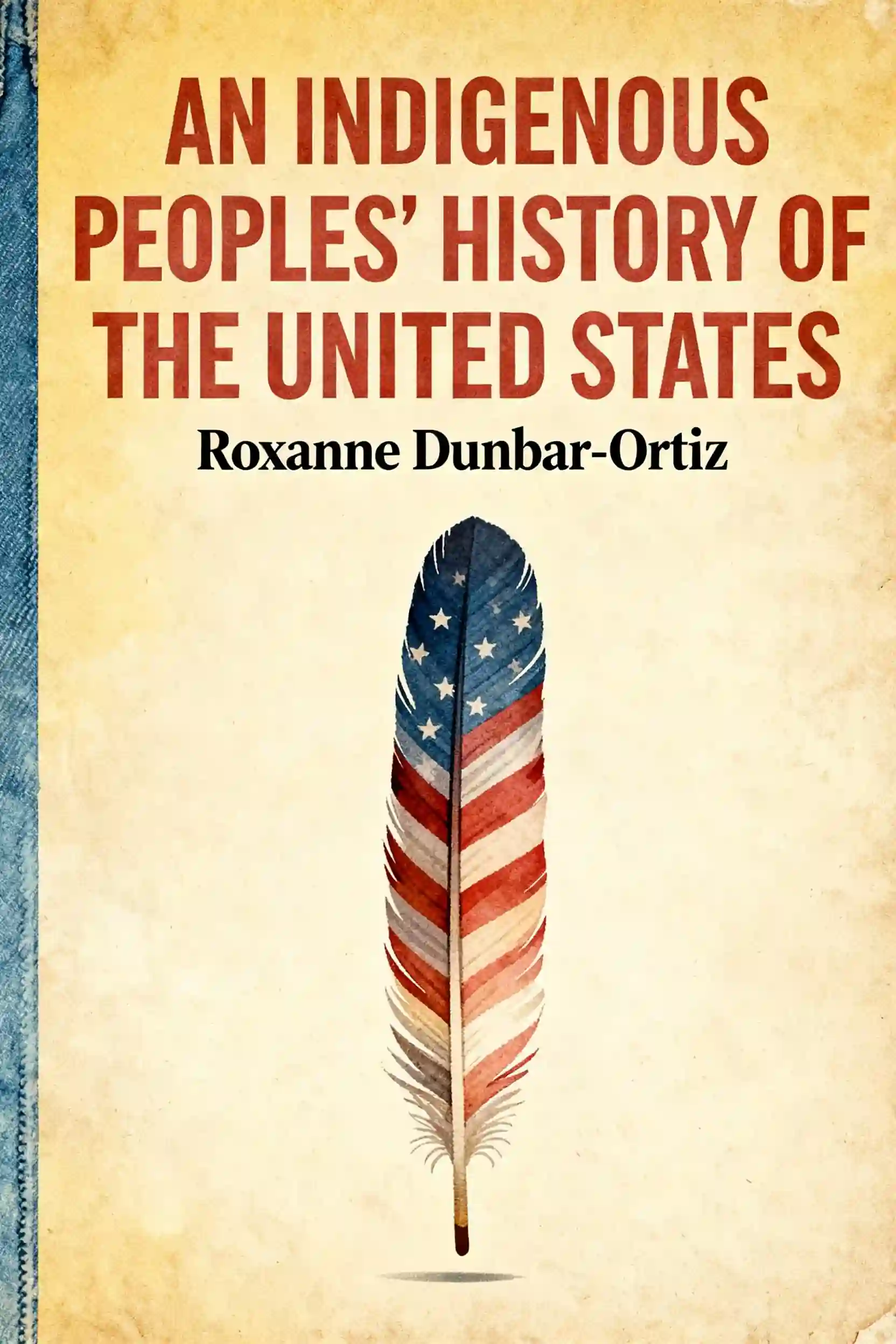
Descubre más

the history and philosophy of zen
This learning plan offers a comprehensive bridge between ancient spiritual lineage and modern psychological well-being. It is ideal for seekers, history buffs, and professionals looking to cultivate resilience and simplicity in an increasingly complex world.

Psychedelic apes by Alex boese
This plan bridge the gap between evolutionary biology and the frontier of consciousness studies. It is ideal for curious minds, psychology students, and history buffs interested in how psychedelics and primate evolution shaped the modern human experience.

The Beijing Backchannel: Nixon and Kissinger's Secret Opening
This plan provides a masterclass in high-stakes diplomacy, detailing how Nixon and Kissinger bypassed traditional bureaucracy to reshape the global order. It is essential for aspiring diplomats, historians, and strategic leaders interested in the mechanics of secret negotiations and geopolitical pivot points.

Explore Neuro, Behavior & Environment
This learning plan bridges the gap between biological neuroscience and practical behavioral science to explain why we act the way we do. It is ideal for professionals, leaders, and lifelong learners who want to leverage cognitive psychology to optimize their environment and decision-making processes.

Bridge the Interspecies Gap
This learning plan is essential for animal lovers, pet owners, and conservationists looking to move beyond physical cues into intuitive understanding. It provides a structured path to quiet the ego and develop the specific sensory skills needed to truly hear what other species are communicating.
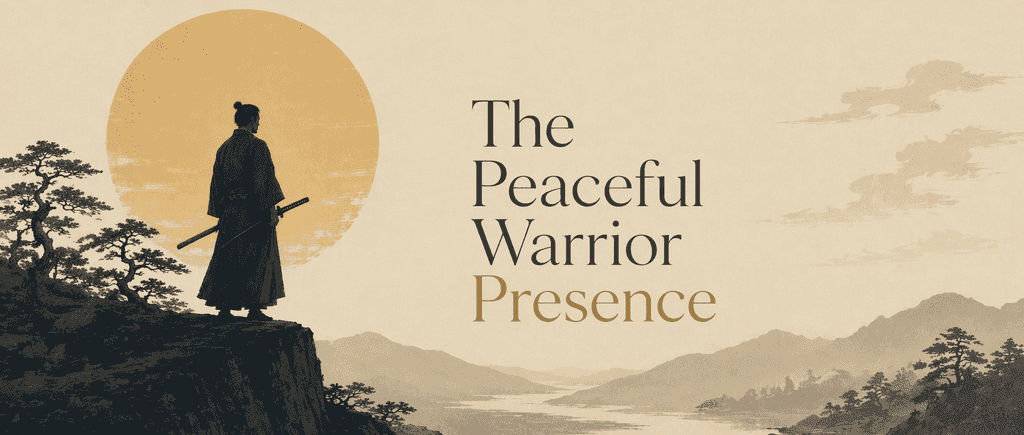
The Peaceful Warrior Presence
This plan is essential for individuals seeking to command respect through composure rather than aggression. It is ideal for leaders, professionals, and anyone looking to master the balance of strength, kindness, and personal safety in a modern world.

The Supremo and the General
This plan offers a deep dive into the political friction that shaped the Philippine Revolution. It is essential for history enthusiasts and students seeking to understand the power struggle between Andres Bonifacio and Emilio Aguinaldo.

Counterculture Roots: From Renaissance to Punk
This plan bridges centuries of history to show how rebellion and alternative identities evolve over time. It is ideal for history buffs, subculture enthusiasts, and artists seeking to understand the deep roots of non-conformity.
Creado por exalumnos de la Universidad de Columbia en San Francisco
"Instead of endless scrolling, I just hit play on BeFreed. It saves me so much time."


"I never knew where to start with nonfiction—BeFreed’s book lists turned into podcasts gave me a clear path."


"Perfect balance between learning and entertainment. Finished ‘Thinking, Fast and Slow’ on my commute this week."
"Crazy how much I learned while walking the dog. BeFreed = small habits → big gains."
"Reading used to feel like a chore. Now it’s just part of my lifestyle."

"Feels effortless compared to reading. I’ve finished 6 books this month already."
"BeFreed turned my guilty doomscrolling into something that feels productive and inspiring."

"BeFreed turned my commute into learning time. 20-min podcasts are perfect for finishing books I never had time for."
"BeFreed replaced my podcast queue. Imagine Spotify for books — that’s it. 🙌"

"It is great for me to learn something from the book without reading it."
"The themed book list podcasts help me connect ideas across authors—like a guided audio journey."
"Makes me feel smarter every time before going to work"
Creado por exalumnos de la Universidad de Columbia en San Francisco
"Instead of endless scrolling, I just hit play on BeFreed. It saves me so much time."
"I never knew where to start with nonfiction—BeFreed’s book lists turned into podcasts gave me a clear path."
"Perfect balance between learning and entertainment. Finished ‘Thinking, Fast and Slow’ on my commute this week."
"Crazy how much I learned while walking the dog. BeFreed = small habits → big gains."
"Reading used to feel like a chore. Now it’s just part of my lifestyle."
"Feels effortless compared to reading. I’ve finished 6 books this month already."
"BeFreed turned my guilty doomscrolling into something that feels productive and inspiring."
"BeFreed turned my commute into learning time. 20-min podcasts are perfect for finishing books I never had time for."
"BeFreed replaced my podcast queue. Imagine Spotify for books — that’s it. 🙌"
"It is great for me to learn something from the book without reading it."
"The themed book list podcasts help me connect ideas across authors—like a guided audio journey."
"Makes me feel smarter every time before going to work"
"Instead of endless scrolling, I just hit play on BeFreed. It saves me so much time."
"I never knew where to start with nonfiction—BeFreed’s book lists turned into podcasts gave me a clear path."
"Perfect balance between learning and entertainment. Finished ‘Thinking, Fast and Slow’ on my commute this week."
"Crazy how much I learned while walking the dog. BeFreed = small habits → big gains."
"Reading used to feel like a chore. Now it’s just part of my lifestyle."
"Feels effortless compared to reading. I’ve finished 6 books this month already."
"BeFreed turned my guilty doomscrolling into something that feels productive and inspiring."
"BeFreed turned my commute into learning time. 20-min podcasts are perfect for finishing books I never had time for."
"BeFreed replaced my podcast queue. Imagine Spotify for books — that’s it. 🙌"
"It is great for me to learn something from the book without reading it."
"The themed book list podcasts help me connect ideas across authors—like a guided audio journey."
"Makes me feel smarter every time before going to work"
"Instead of endless scrolling, I just hit play on BeFreed. It saves me so much time."
"I never knew where to start with nonfiction—BeFreed’s book lists turned into podcasts gave me a clear path."
"Perfect balance between learning and entertainment. Finished ‘Thinking, Fast and Slow’ on my commute this week."
"Crazy how much I learned while walking the dog. BeFreed = small habits → big gains."
"Reading used to feel like a chore. Now it’s just part of my lifestyle."
"Feels effortless compared to reading. I’ve finished 6 books this month already."
"BeFreed turned my guilty doomscrolling into something that feels productive and inspiring."
"BeFreed turned my commute into learning time. 20-min podcasts are perfect for finishing books I never had time for."
"BeFreed replaced my podcast queue. Imagine Spotify for books — that’s it. 🙌"
"It is great for me to learn something from the book without reading it."
"The themed book list podcasts help me connect ideas across authors—like a guided audio journey."
"Makes me feel smarter every time before going to work"