The Hidden Cost of Resilience: Trauma and Mental Health Research
Explore the complex link between psychological resilience and trauma. Learn how social support and survival-based adaptation impact mental health in urban youth.

Mejor cita de The Hidden Cost of Resilience: Trauma and Mental Health Research
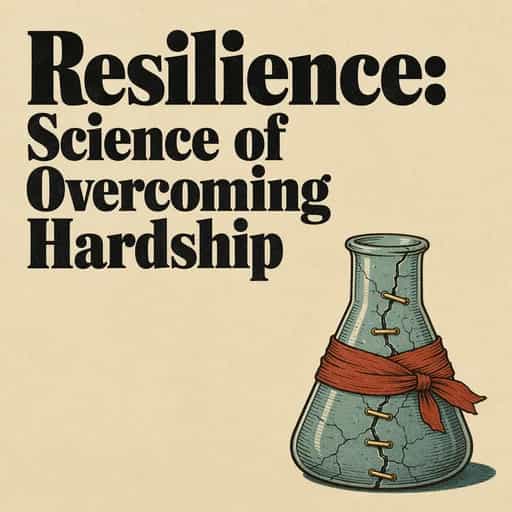
Resilience isn't the absence of distress; it’s a way of functioning through it. You aren't failing at resilience just because you feel the pain—the resilience is often what’s allowing you to hold that pain and keep moving.
Generated by Missie
Trauma and resilience






Preguntas frecuentes
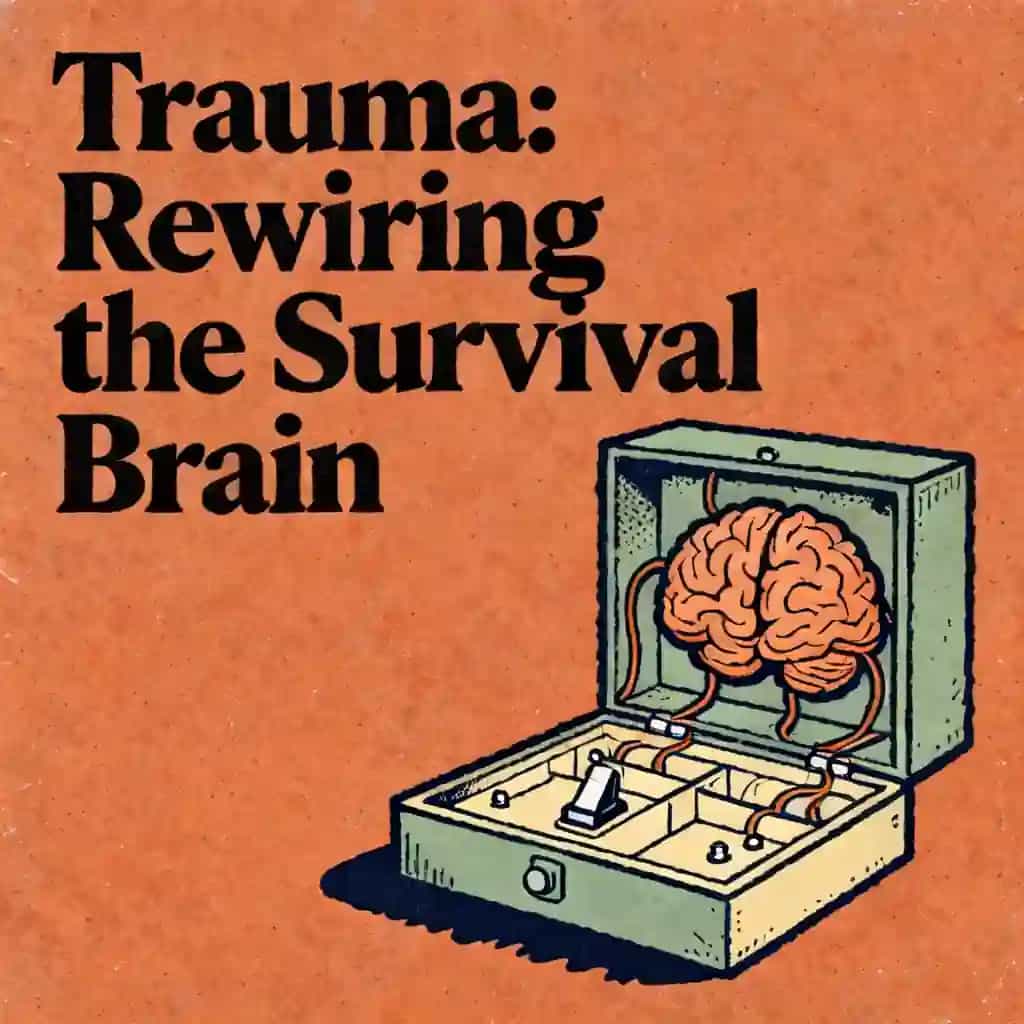
The hidden cost of resilience lies in the discovery that psychological resilience can be positively associated with trauma reactions. While resilience is often viewed as a purely positive trait, research from early 2026 indicates it is frequently a form of survival-based adaptation. This means that the very mechanisms helping individuals function through adversity also serve as markers of the significant distress and trauma they are carrying.
Social support and a sense of community are described as absolute game-changers for the mental health of urban adolescents of color. Although these individuals often face disproportionately high rates of anxiety and trauma, the presence of a strong safety net and community support helps them navigate these challenges. This highlights that resilience is not just about individual grit, but is deeply tied to one's environment and the people around them.
Resilience is defined as an intense, active process rather than just an inner grit that people are born with. It involves more than just 'bouncing back' from difficulty; it is a complex way of functioning through distress. The process looks different for everyone and is heavily influenced by external factors such as social support systems and the specific environmental context in which an individual lives.
Survival-based adaptation refers to the way individuals function through distress rather than the absence of it. In the context of psychological resilience, it suggests that being resilient is a method of coping with ongoing trauma reactions. This distinction is vital for understanding mental health, as it frames resilience as a necessary response to environmental stressors and trauma rather than a sign that the distress has been eliminated.
Creado por exalumnos de la Universidad de Columbia en San Francisco
"Instead of endless scrolling, I just hit play on BeFreed. It saves me so much time."


"I never knew where to start with nonfiction—BeFreed’s book lists turned into podcasts gave me a clear path."


"Perfect balance between learning and entertainment. Finished ‘Thinking, Fast and Slow’ on my commute this week."
"Crazy how much I learned while walking the dog. BeFreed = small habits → big gains."
"Reading used to feel like a chore. Now it’s just part of my lifestyle."

"Feels effortless compared to reading. I’ve finished 6 books this month already."
"BeFreed turned my guilty doomscrolling into something that feels productive and inspiring."

"BeFreed turned my commute into learning time. 20-min podcasts are perfect for finishing books I never had time for."
"BeFreed replaced my podcast queue. Imagine Spotify for books — that’s it. 🙌"

"It is great for me to learn something from the book without reading it."
"The themed book list podcasts help me connect ideas across authors—like a guided audio journey."
"Makes me feel smarter every time before going to work"
Creado por exalumnos de la Universidad de Columbia en San Francisco
"Instead of endless scrolling, I just hit play on BeFreed. It saves me so much time."
"I never knew where to start with nonfiction—BeFreed’s book lists turned into podcasts gave me a clear path."
"Perfect balance between learning and entertainment. Finished ‘Thinking, Fast and Slow’ on my commute this week."
"Crazy how much I learned while walking the dog. BeFreed = small habits → big gains."
"Reading used to feel like a chore. Now it’s just part of my lifestyle."
"Feels effortless compared to reading. I’ve finished 6 books this month already."
"BeFreed turned my guilty doomscrolling into something that feels productive and inspiring."
"BeFreed turned my commute into learning time. 20-min podcasts are perfect for finishing books I never had time for."
"BeFreed replaced my podcast queue. Imagine Spotify for books — that’s it. 🙌"
"It is great for me to learn something from the book without reading it."
"The themed book list podcasts help me connect ideas across authors—like a guided audio journey."
"Makes me feel smarter every time before going to work"
"Instead of endless scrolling, I just hit play on BeFreed. It saves me so much time."
"I never knew where to start with nonfiction—BeFreed’s book lists turned into podcasts gave me a clear path."
"Perfect balance between learning and entertainment. Finished ‘Thinking, Fast and Slow’ on my commute this week."
"Crazy how much I learned while walking the dog. BeFreed = small habits → big gains."
"Reading used to feel like a chore. Now it’s just part of my lifestyle."
"Feels effortless compared to reading. I’ve finished 6 books this month already."
"BeFreed turned my guilty doomscrolling into something that feels productive and inspiring."
"BeFreed turned my commute into learning time. 20-min podcasts are perfect for finishing books I never had time for."
"BeFreed replaced my podcast queue. Imagine Spotify for books — that’s it. 🙌"
"It is great for me to learn something from the book without reading it."
"The themed book list podcasts help me connect ideas across authors—like a guided audio journey."
"Makes me feel smarter every time before going to work"
"Instead of endless scrolling, I just hit play on BeFreed. It saves me so much time."
"I never knew where to start with nonfiction—BeFreed’s book lists turned into podcasts gave me a clear path."
"Perfect balance between learning and entertainment. Finished ‘Thinking, Fast and Slow’ on my commute this week."
"Crazy how much I learned while walking the dog. BeFreed = small habits → big gains."
"Reading used to feel like a chore. Now it’s just part of my lifestyle."
"Feels effortless compared to reading. I’ve finished 6 books this month already."
"BeFreed turned my guilty doomscrolling into something that feels productive and inspiring."
"BeFreed turned my commute into learning time. 20-min podcasts are perfect for finishing books I never had time for."
"BeFreed replaced my podcast queue. Imagine Spotify for books — that’s it. 🙌"
"It is great for me to learn something from the book without reading it."
"The themed book list podcasts help me connect ideas across authors—like a guided audio journey."
"Makes me feel smarter every time before going to work"