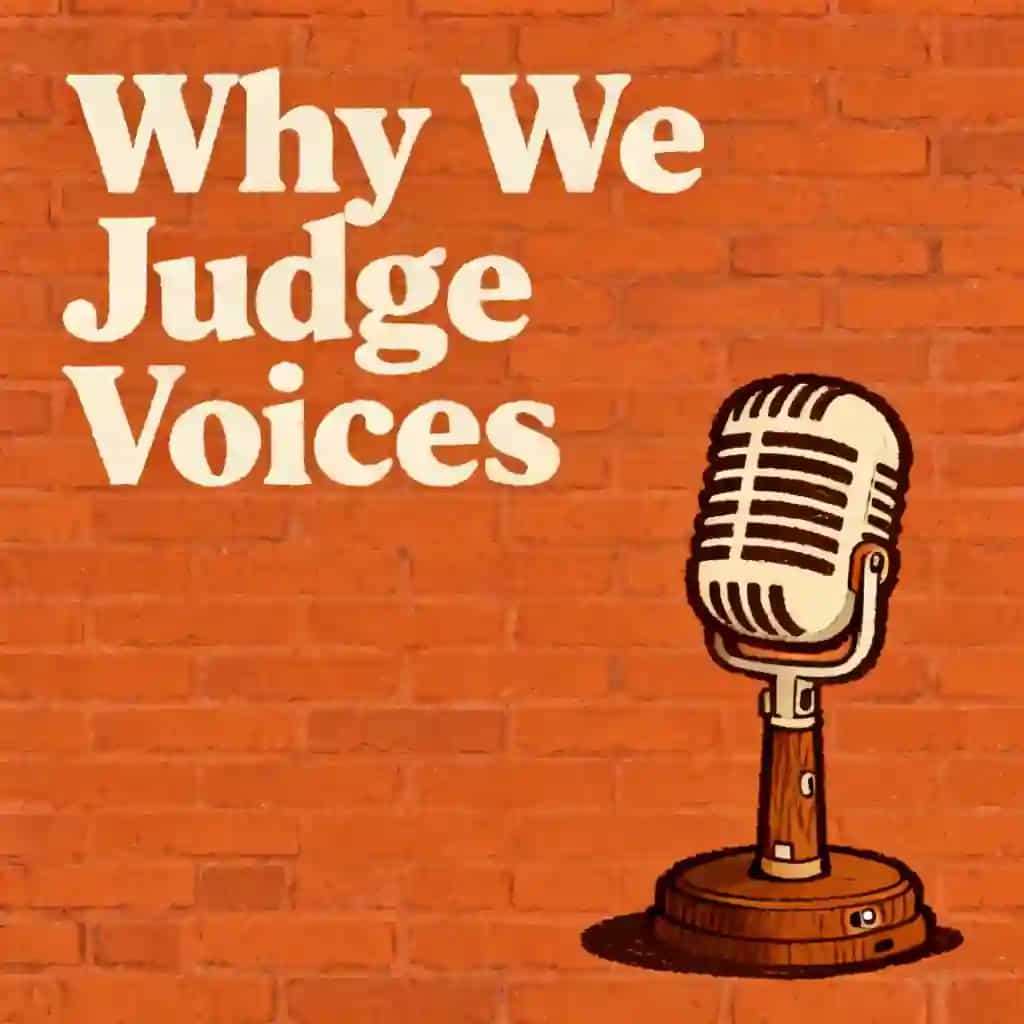
Exploring why modern speech patterns like vocal fry and uptalk trigger such strong reactions across generations, examining the complex mix of authenticity, performance, and bias behind our communication divide.
Mejor cita de The Generational Speech Wars: Vocal Fry vs Authority
“
Meaning isn't objective—it's culturally constructed and generationally specific. What an older generation hears as uncertainty, a younger generation often hears as a sophisticated signal of collaboration, membership, and even authority through understatement.
”
M
Generated by Max
Pregunta de entrada
I’m very tired of the virtue signaling crowd and the uptalking vocal fry and this valley girl nonsense speech . Why are Gen Y and GenZ millennials who are in commerce customer service and on tv and in commercials and influencers on social media pushing this nonsensical speech patterns (Vocal Fry , UPTalking , Mouth Twisting like drew barrymore , and Lisping ) all of these speech patterns are grating on nerves and performative virtue signaling
Voces del presentador
Lena
Jackson
Fuentes de conocimiento
Creado por exalumnos de la Universidad de Columbia | en San Francisco
BeFreed Reúne a una Comunidad Global de Mentes Curiosas
4.7
valoración media
Más de 7,84 mil valoraciones de la app
Comunidad BeFreed
En serio, todavía no he explorado la app a fondo, pero después de usarla estos últimos días estoy impresionadísima… BeFreed está en otro nivel comparada con cualquier otra app de aprendizaje que haya usado. Te engancha muchísimo y de verdad mejora la concentración, ¡ideal para los que no paran de hacer scroll!
@ladyInfinity
Compré BeFreed hace exactamente 23 días y lo he usado todos los días desde entonces. Se ha integrado por completo en mi rutina diaria de trabajo y aprendizaje.
@jayallen
La verdad es que la app ha superado todas mis expectativas. Puedo pedirle que genere audio sobre cualquier tema, sea cual sea, y el resultado es impresionante. Mi campo profesional es una especialización en psicoterapia y es multidisciplinario; aun así, las respuestas son muy precisas.
@Raguipa
Lo que más valoro es cuánto ha reducido mi scroll: paso menos tiempo buscando y más tiempo absorbiendo información. La combinación de audiolibros completos, podcasts y los planes de aprendizaje es brillante.
@colonyofcreatorsNGO
Llevo 24 años siendo instructor de aprendizaje acelerado PhotoReading… los libros, la lectura y el aprendizaje son lo mío, y BeFreed ha hecho un gran trabajo ofreciendo un enfoque innovador para transmitir información de una forma fácil de consumir.
@BeFreed user
No es solo una app de resúmenes de libros: he usado la opción de lectura divertida y es un resumen mucho mejor y una forma más fácil de captar las ideas que la manera tradicional; solo eso ya vale la pena.
@austinakon
Me encanta esta app. La he usado varios días y no puedo dejar de escuchar. Una forma buenísima de empezar.
@jcrules328
Me gusta mucho el programa; llevo alrededor de un mes probándolo y siento que es una verdadera joya. Funciona genial porque puedo usar BeFreed para crear mis propios temas, y la voz es buenísima, con opciones de narración ilimitadas.
@DanielCZ
En serio, todavía no he explorado la app a fondo, pero después de usarla estos últimos días estoy impresionadísima… BeFreed está en otro nivel comparada con cualquier otra app de aprendizaje que haya usado. Te engancha muchísimo y de verdad mejora la concentración, ¡ideal para los que no paran de hacer scroll!
@ladyInfinity
Compré BeFreed hace exactamente 23 días y lo he usado todos los días desde entonces. Se ha integrado por completo en mi rutina diaria de trabajo y aprendizaje.
@jayallen
La verdad es que la app ha superado todas mis expectativas. Puedo pedirle que genere audio sobre cualquier tema, sea cual sea, y el resultado es impresionante. Mi campo profesional es una especialización en psicoterapia y es multidisciplinario; aun así, las respuestas son muy precisas.
@Raguipa
Lo que más valoro es cuánto ha reducido mi scroll: paso menos tiempo buscando y más tiempo absorbiendo información. La combinación de audiolibros completos, podcasts y los planes de aprendizaje es brillante.
@colonyofcreatorsNGO
Llevo 24 años siendo instructor de aprendizaje acelerado PhotoReading… los libros, la lectura y el aprendizaje son lo mío, y BeFreed ha hecho un gran trabajo ofreciendo un enfoque innovador para transmitir información de una forma fácil de consumir.
@BeFreed user
No es solo una app de resúmenes de libros: he usado la opción de lectura divertida y es un resumen mucho mejor y una forma más fácil de captar las ideas que la manera tradicional; solo eso ya vale la pena.
@austinakon
Me encanta esta app. La he usado varios días y no puedo dejar de escuchar. Una forma buenísima de empezar.
@jcrules328
Me gusta mucho el programa; llevo alrededor de un mes probándolo y siento que es una verdadera joya. Funciona genial porque puedo usar BeFreed para crear mis propios temas, y la voz es buenísima, con opciones de narración ilimitadas.
@DanielCZ
Me encanta poder recibir información e ideas útiles y condensadas en un audio estilo podcast de 8 a 15 minutos. No soy muy fan de los podcasts por tanto relleno, pero esto va directo al grano.
@BeFreed user
Estoy terminando mi doctorado y tengo que leer muchísimo material desconocido… Con BeFreed simplemente escribes un prompt y la app encuentra las fuentes por ti y genera un podcast en audio. El proceso de BeFreed me parece más ágil que el de NotebookLM.
@Brad
Suelo buscar en YouTube algo que escuchar mientras preparo el desayuno, salgo a caminar o voy al trabajo, ¡y BeFreed ofrece un enfoque aún más certero, sin anuncios y sin relleno!
@BeFreed user
Lo mejor de esta plataforma es su versatilidad. Literalmente no hay tema que quede fuera. Le lanzas lo que sea y lo maneja… Es raro encontrar una herramienta de aprendizaje sin limitaciones que de verdad cumpla lo que promete.
@jayallen
BeFreed es fantástica. Su diseño intuitivo hace que pase menos tiempo navegando y más tiempo aprendiendo. La mezcla de audiolibros, podcasts y planes de aprendizaje es una combinación genial que ha cambiado por completo mi rutina diaria.
@BeFreed user
Al principio me llevó un rato entender cómo crear podcasts en italiano y ¡boom! ¡Es genial! Puedo pedirle que me explique cualquier tema y lo hace súper bien y con mucha inteligencia.
@matteo77
BeFreed se ha convertido en mi app diaria de audiolibros… Lo que más me gusta es que pones tu texto y te devuelve un audio que puedes escuchar donde sea.
@kotanzu1
Me encanta poder recibir información e ideas útiles y condensadas en un audio estilo podcast de 8 a 15 minutos. No soy muy fan de los podcasts por tanto relleno, pero esto va directo al grano.
@BeFreed user
Estoy terminando mi doctorado y tengo que leer muchísimo material desconocido… Con BeFreed simplemente escribes un prompt y la app encuentra las fuentes por ti y genera un podcast en audio. El proceso de BeFreed me parece más ágil que el de NotebookLM.
@Brad
Suelo buscar en YouTube algo que escuchar mientras preparo el desayuno, salgo a caminar o voy al trabajo, ¡y BeFreed ofrece un enfoque aún más certero, sin anuncios y sin relleno!
@BeFreed user
Lo mejor de esta plataforma es su versatilidad. Literalmente no hay tema que quede fuera. Le lanzas lo que sea y lo maneja… Es raro encontrar una herramienta de aprendizaje sin limitaciones que de verdad cumpla lo que promete.
@jayallen
BeFreed es fantástica. Su diseño intuitivo hace que pase menos tiempo navegando y más tiempo aprendiendo. La mezcla de audiolibros, podcasts y planes de aprendizaje es una combinación genial que ha cambiado por completo mi rutina diaria.
@BeFreed user
Al principio me llevó un rato entender cómo crear podcasts en italiano y ¡boom! ¡Es genial! Puedo pedirle que me explique cualquier tema y lo hace súper bien y con mucha inteligencia.
@matteo77
BeFreed se ha convertido en mi app diaria de audiolibros… Lo que más me gusta es que pones tu texto y te devuelve un audio que puedes escuchar donde sea.
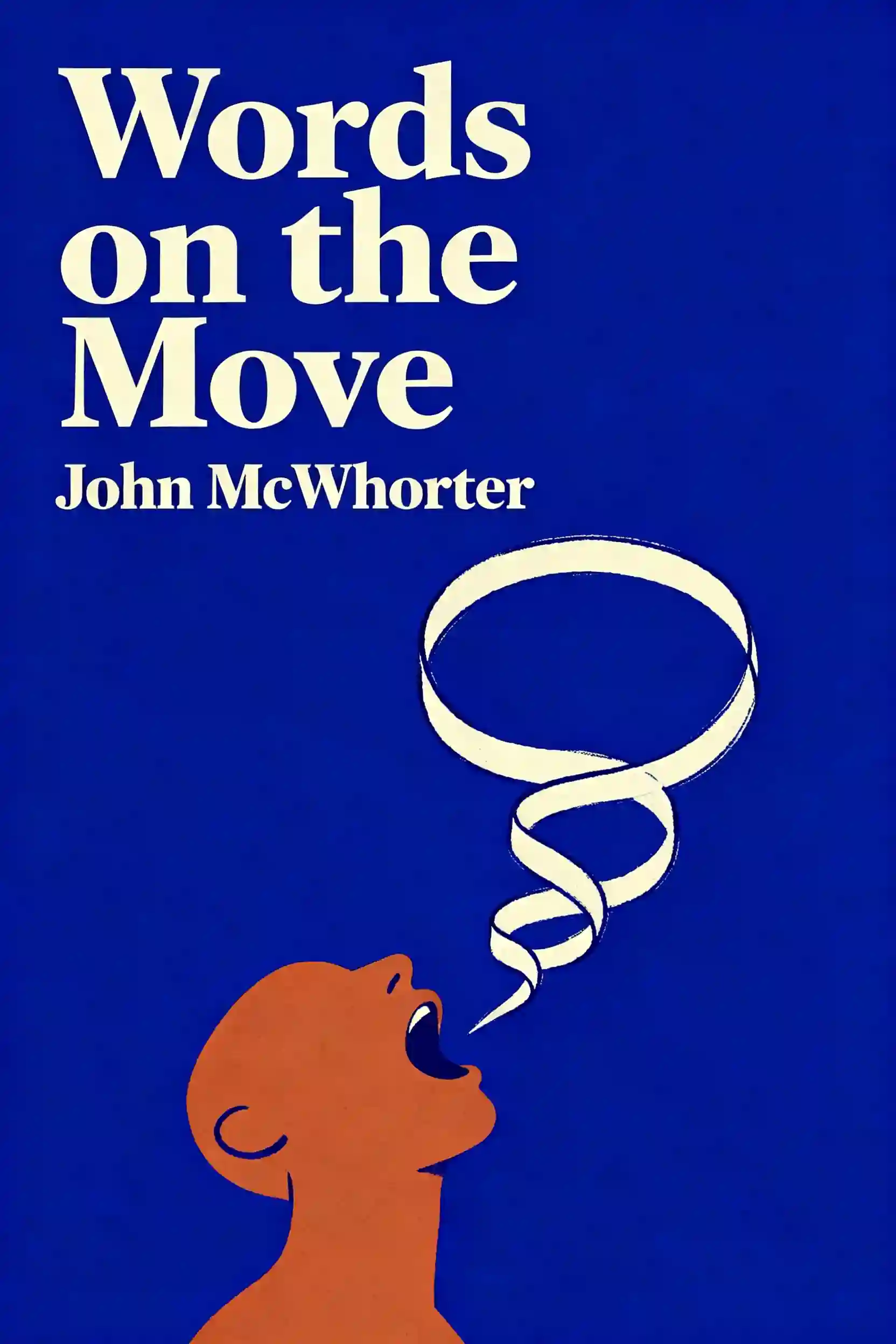
Exploring the hidden biases behind our snap judgments about vocal patterns like uptalk and vocal fry, and what the science reveals about speech, power, and generational divides.
Exploring why we label authentic responses to contradictory gender expectations as 'performative' - and how today's generation navigates impossible standards in a world that preaches equality while maintaining old rules.
Discover why 70% of successful founders maintain their natural style and how to leverage your authentic voice through practical frameworks that enhance team trust, investor pitches, and co-founder relationships.
Discover how the democratization of media has shattered traditional barriers, empowering anyone to master compelling storytelling across podcasting, TV, and beyond through authentic voice and strategic structure.
Eli and Miles explore how Gen Z is rewriting comedy rules, from Jenny Lawson's dark humor to absurdist memes that baffle millennials. Discover why authenticity beats punchlines.