The Cooling Saucer: How Laws Are Made & The Great Compromise
Explore how the U.S. Constitution uses the Great Compromise of 1787 to split legislative power between the House and Senate to manage the chaos of human nature.

Mejor cita de The Cooling Saucer: How Laws Are Made & The Great Compromise
If you’ve ever wondered why things seem to move so slowly in D.C., it’s because the system is literally working as intended; the founders didn't want it to be easy to pass laws.
Generated by EPSTARTER
Article I – Legislative Branch Topics: * Congress * Senate * House of Representatives * Making Laws * Taxation * Commerce Learning Objective: Learn how laws begin and move through Congress.






Preguntas frecuentes
The Great Compromise of 1787 was a high-stakes negotiation during the creation of the U.S. Constitution that settled how states would be represented. It established a system where the House of Representatives is based on population, giving big states a larger megaphone, while the Senate provides two seats to every state regardless of size. This agreement was essential to keep smaller states from seeking alliances with foreign powers and ensured the formation of a unified legislative branch.
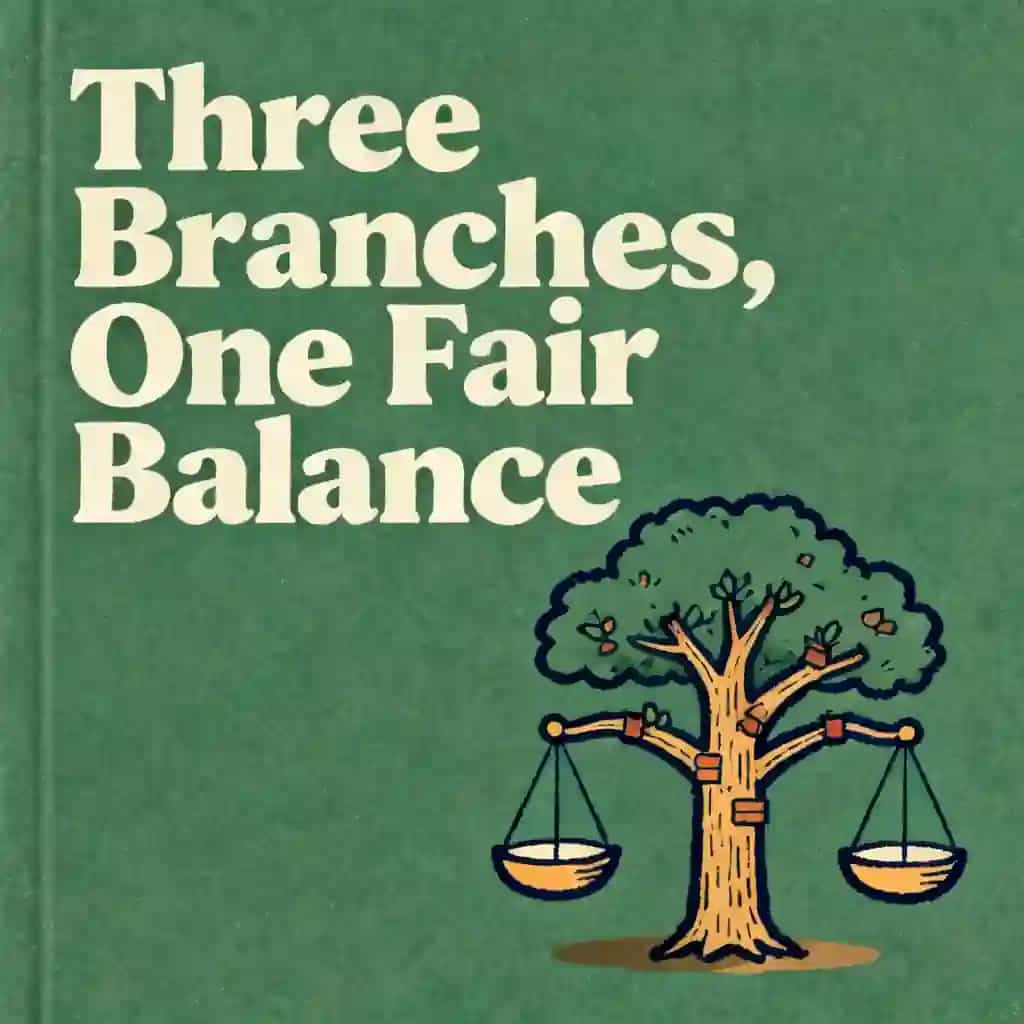
Under the U.S. Constitution, legislative power is intentionally split between two distinct chambers: the House of Representatives and the Senate. This design creates a 'showdown' at the center of the government, forcing two groups with different structures to agree on laws. While the House is designed to respond to the immediate whims of the people, the Senate acts as a stabilizing force, a structure the founders built to lean into the complexities of human nature.
The slow pace of the legislative process in D.C. is actually a feature of the system rather than a bug. By splitting power between the House and the Senate, the founding fathers ensured that the two chambers are designed to disagree with one another. This 'controlled chaos' means that for a law to be born, it must survive a system specifically built to prevent smooth or overly efficient movement, reflecting the founders' desire for deliberate tension.
The primary difference lies in how representation is allocated and their intended roles in the legislative process. The House of Representatives is based on population, meaning larger states have more influence, and it is described as the 'hot tea' that responds quickly to the public. In contrast, the Senate provides equal representation with two seats per state, such as California and Wyoming, serving as a 'cooling' influence to balance the more immediate impulses of the House.
Creado por exalumnos de la Universidad de Columbia en San Francisco
"Instead of endless scrolling, I just hit play on BeFreed. It saves me so much time."


"I never knew where to start with nonfiction—BeFreed’s book lists turned into podcasts gave me a clear path."


"Perfect balance between learning and entertainment. Finished ‘Thinking, Fast and Slow’ on my commute this week."
"Crazy how much I learned while walking the dog. BeFreed = small habits → big gains."
"Reading used to feel like a chore. Now it’s just part of my lifestyle."

"Feels effortless compared to reading. I’ve finished 6 books this month already."
"BeFreed turned my guilty doomscrolling into something that feels productive and inspiring."

"BeFreed turned my commute into learning time. 20-min podcasts are perfect for finishing books I never had time for."
"BeFreed replaced my podcast queue. Imagine Spotify for books — that’s it. 🙌"

"It is great for me to learn something from the book without reading it."
"The themed book list podcasts help me connect ideas across authors—like a guided audio journey."
"Makes me feel smarter every time before going to work"
Creado por exalumnos de la Universidad de Columbia en San Francisco
"Instead of endless scrolling, I just hit play on BeFreed. It saves me so much time."
"I never knew where to start with nonfiction—BeFreed’s book lists turned into podcasts gave me a clear path."
"Perfect balance between learning and entertainment. Finished ‘Thinking, Fast and Slow’ on my commute this week."
"Crazy how much I learned while walking the dog. BeFreed = small habits → big gains."
"Reading used to feel like a chore. Now it’s just part of my lifestyle."
"Feels effortless compared to reading. I’ve finished 6 books this month already."
"BeFreed turned my guilty doomscrolling into something that feels productive and inspiring."
"BeFreed turned my commute into learning time. 20-min podcasts are perfect for finishing books I never had time for."
"BeFreed replaced my podcast queue. Imagine Spotify for books — that’s it. 🙌"
"It is great for me to learn something from the book without reading it."
"The themed book list podcasts help me connect ideas across authors—like a guided audio journey."
"Makes me feel smarter every time before going to work"
"Instead of endless scrolling, I just hit play on BeFreed. It saves me so much time."
"I never knew where to start with nonfiction—BeFreed’s book lists turned into podcasts gave me a clear path."
"Perfect balance between learning and entertainment. Finished ‘Thinking, Fast and Slow’ on my commute this week."
"Crazy how much I learned while walking the dog. BeFreed = small habits → big gains."
"Reading used to feel like a chore. Now it’s just part of my lifestyle."
"Feels effortless compared to reading. I’ve finished 6 books this month already."
"BeFreed turned my guilty doomscrolling into something that feels productive and inspiring."
"BeFreed turned my commute into learning time. 20-min podcasts are perfect for finishing books I never had time for."
"BeFreed replaced my podcast queue. Imagine Spotify for books — that’s it. 🙌"
"It is great for me to learn something from the book without reading it."
"The themed book list podcasts help me connect ideas across authors—like a guided audio journey."
"Makes me feel smarter every time before going to work"
"Instead of endless scrolling, I just hit play on BeFreed. It saves me so much time."
"I never knew where to start with nonfiction—BeFreed’s book lists turned into podcasts gave me a clear path."
"Perfect balance between learning and entertainment. Finished ‘Thinking, Fast and Slow’ on my commute this week."
"Crazy how much I learned while walking the dog. BeFreed = small habits → big gains."
"Reading used to feel like a chore. Now it’s just part of my lifestyle."
"Feels effortless compared to reading. I’ve finished 6 books this month already."
"BeFreed turned my guilty doomscrolling into something that feels productive and inspiring."
"BeFreed turned my commute into learning time. 20-min podcasts are perfect for finishing books I never had time for."
"BeFreed replaced my podcast queue. Imagine Spotify for books — that’s it. 🙌"
"It is great for me to learn something from the book without reading it."
"The themed book list podcasts help me connect ideas across authors—like a guided audio journey."
"Makes me feel smarter every time before going to work"







![[610029cf-8771-4796-9cf2-ccd001ef8ae0:c0000] 20260205.1 Welcome on Int Law.pdf p1-1](/_next/image?url=https%3A%2F%2Fd1y2du6z1jfm9e.cloudfront.net%2Fassets%2Fpodcast%2Fgreen.png&w=1024&q=50)