The Bot-Proof Accountant: Skills for the AI Era
Discover how to transition from manual bookkeeping to high-value roles in data storytelling and strategic advisory as AI reshapes the financial landscape.

Mejor cita de The Bot-Proof Accountant: Skills for the AI Era
We are moving from being 'number crunchers' to 'strategic advisors,' trading manual data entry for things like data storytelling and forensic investigation—stuff a bot just can’t replicate.
Generated by hassan mujtaba
Alternative skills that would be useful after accounting and auditing would be replaced by AI

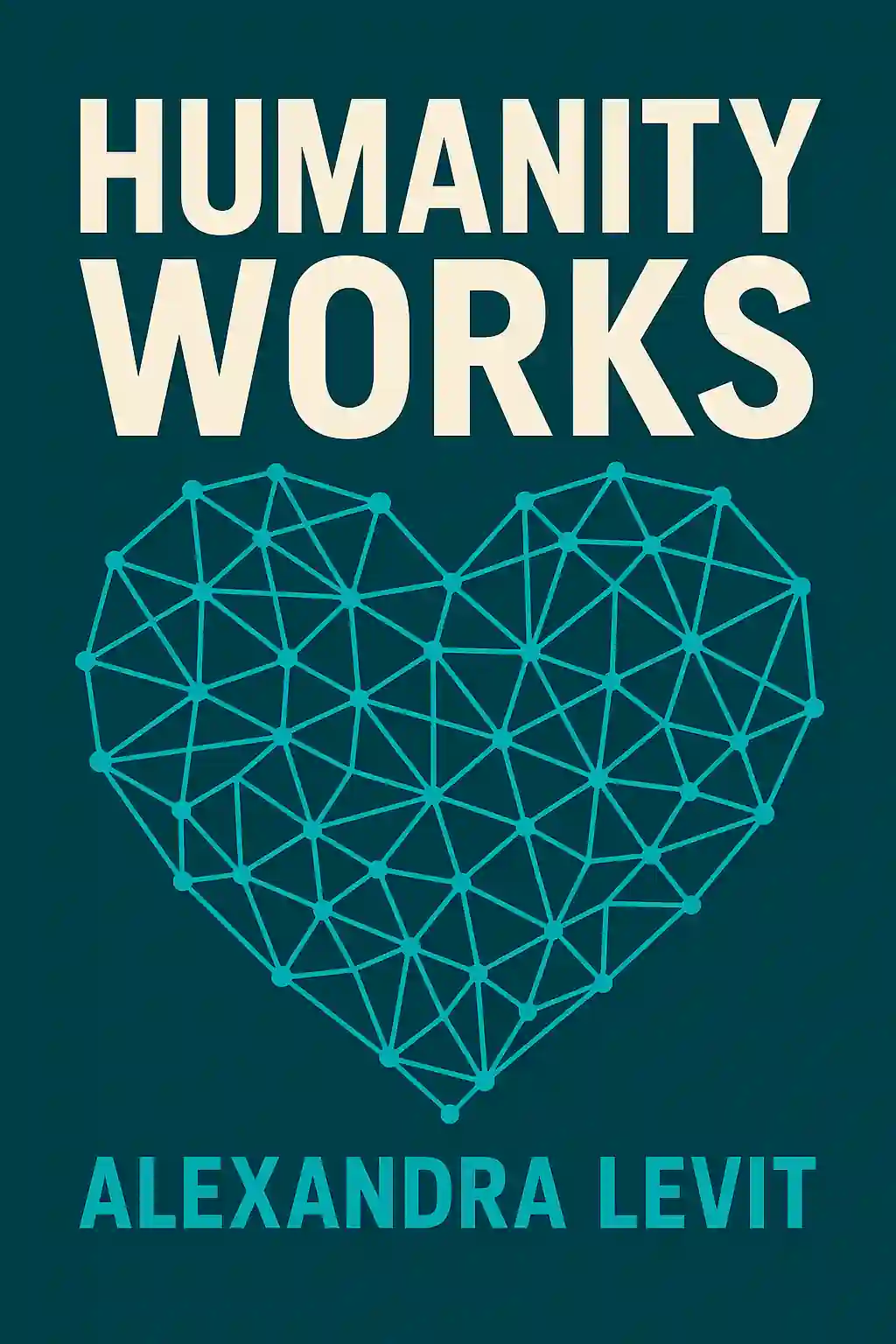
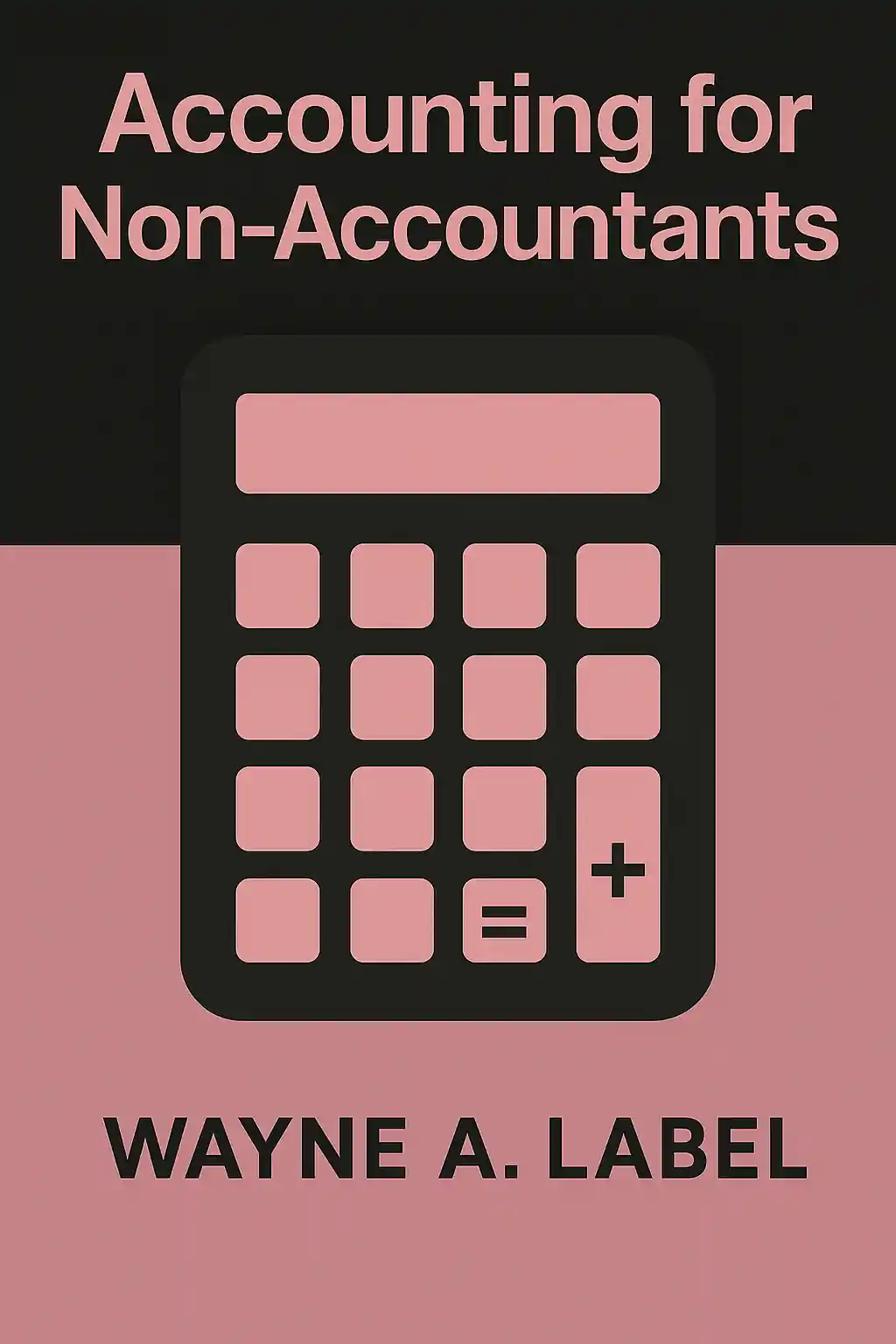
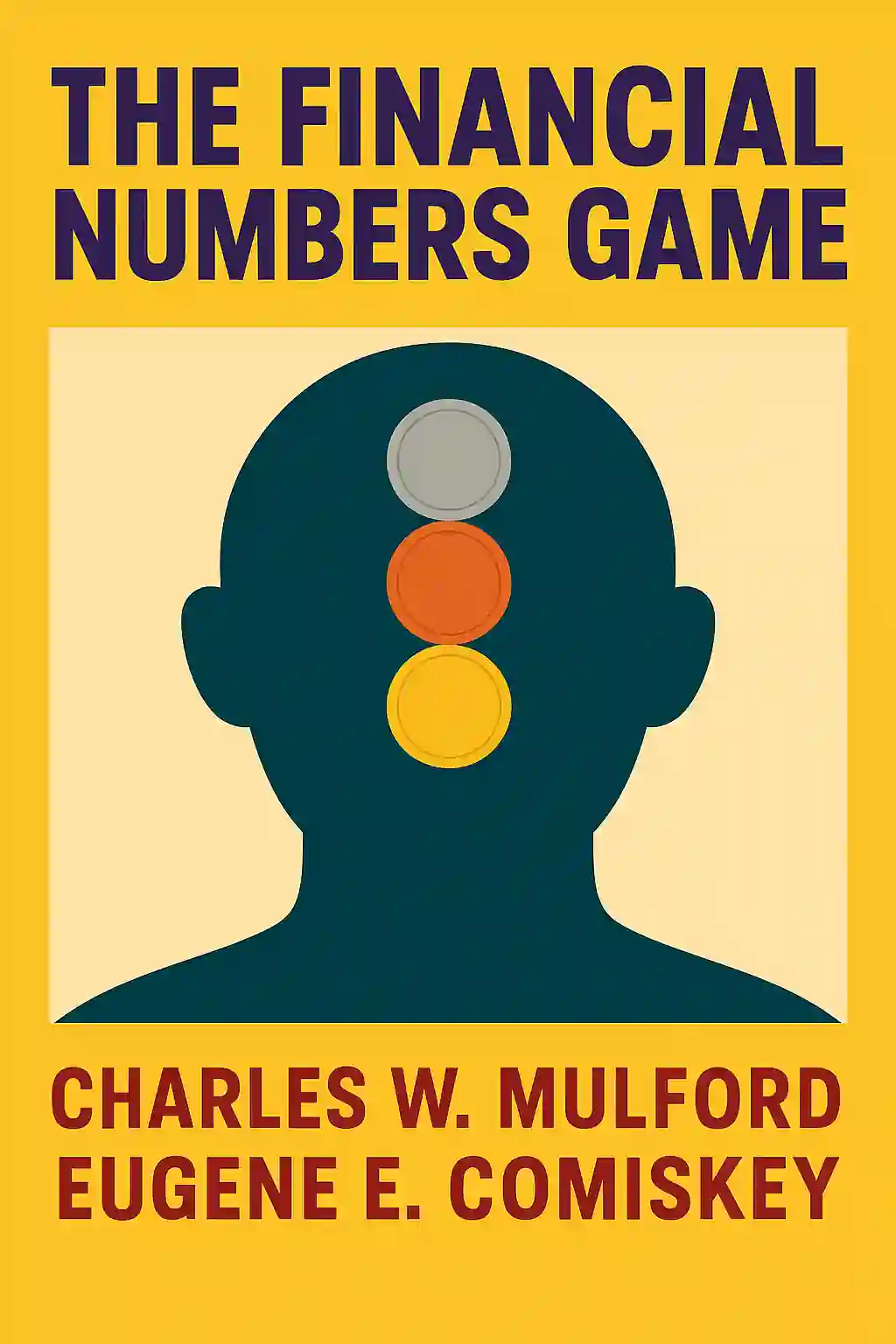
Preguntas frecuentes
While routine data entry and manual reconciliation are facing high automation risks, the role of the accountant is shifting from a "number cruncher" to a "strategic advisor." As AI handles the mechanical aspects of finance, there is an increased demand for human professionals who can perform data storytelling, forensic investigation, and business signaling. The projected 5% growth through 2034 reflects a "skill swap" where accountants provide high-level interpretation and strategic navigation that machines cannot replicate.
The modern accountant often takes on one of five distinct roles: the Architect, the Data Scientist, the Storyteller, the Influencer, or the Analyst. The Architect builds the data "plumbing" to ensure a single source of truth; the Data Scientist translates predictive models and spots algorithmic bias; the Storyteller explains the "why" behind the numbers to stakeholders; the Influencer pushes for organizational change based on those insights; and the Analyst validates the AI’s logic to ensure the digital model matches reality.
Traditional automation is like a train on tracks, following rigid, pre-set rules to perform specific tasks. In contrast, Agentic AI acts more like a self-driving car; it is given a destination or goal and must "reason" through the best way to get there, handling messy exceptions and learning from its own mistakes. This technology enables "Self-Learning Forecasts" that constantly ingest real-time data, such as inflation or supply chain risks, to adjust budgets automatically.
As accountants move into advisory roles, they are no longer just delivering reports but helping leaders make high-stakes, emotional decisions. Strategic empathy allows a professional to understand the human context behind the data—such as recognizing that a budget overrun might be caused by team burnout rather than simple inefficiency. This human element builds the trust necessary for a board or CEO to act on financial insights, especially when navigating difficult scenarios like layoffs or major strategy shifts.
AI hallucinations occur when a system provides plausible-sounding but entirely fabricated information. To guard against this, accountants must act as "Ethical Guardians" by practicing professional skepticism and "AI Literacy." This involves mastering "Prompt Engineering" to give the AI better instructions and maintaining a "human-in-the-loop" approach to audit the AI’s logic. By focusing on "Explainability" and "Traceability," accountants ensure that financial outputs remain transparent, ethical, and compliant with regulations like the EU AI Act.
Creado por exalumnos de la Universidad de Columbia en San Francisco
"Instead of endless scrolling, I just hit play on BeFreed. It saves me so much time."


"I never knew where to start with nonfiction—BeFreed’s book lists turned into podcasts gave me a clear path."


"Perfect balance between learning and entertainment. Finished ‘Thinking, Fast and Slow’ on my commute this week."
"Crazy how much I learned while walking the dog. BeFreed = small habits → big gains."
"Reading used to feel like a chore. Now it’s just part of my lifestyle."

"Feels effortless compared to reading. I’ve finished 6 books this month already."
"BeFreed turned my guilty doomscrolling into something that feels productive and inspiring."

"BeFreed turned my commute into learning time. 20-min podcasts are perfect for finishing books I never had time for."
"BeFreed replaced my podcast queue. Imagine Spotify for books — that’s it. 🙌"

"It is great for me to learn something from the book without reading it."
"The themed book list podcasts help me connect ideas across authors—like a guided audio journey."
"Makes me feel smarter every time before going to work"
Creado por exalumnos de la Universidad de Columbia en San Francisco
"Instead of endless scrolling, I just hit play on BeFreed. It saves me so much time."
"I never knew where to start with nonfiction—BeFreed’s book lists turned into podcasts gave me a clear path."
"Perfect balance between learning and entertainment. Finished ‘Thinking, Fast and Slow’ on my commute this week."
"Crazy how much I learned while walking the dog. BeFreed = small habits → big gains."
"Reading used to feel like a chore. Now it’s just part of my lifestyle."
"Feels effortless compared to reading. I’ve finished 6 books this month already."
"BeFreed turned my guilty doomscrolling into something that feels productive and inspiring."
"BeFreed turned my commute into learning time. 20-min podcasts are perfect for finishing books I never had time for."
"BeFreed replaced my podcast queue. Imagine Spotify for books — that’s it. 🙌"
"It is great for me to learn something from the book without reading it."
"The themed book list podcasts help me connect ideas across authors—like a guided audio journey."
"Makes me feel smarter every time before going to work"
"Instead of endless scrolling, I just hit play on BeFreed. It saves me so much time."
"I never knew where to start with nonfiction—BeFreed’s book lists turned into podcasts gave me a clear path."
"Perfect balance between learning and entertainment. Finished ‘Thinking, Fast and Slow’ on my commute this week."
"Crazy how much I learned while walking the dog. BeFreed = small habits → big gains."
"Reading used to feel like a chore. Now it’s just part of my lifestyle."
"Feels effortless compared to reading. I’ve finished 6 books this month already."
"BeFreed turned my guilty doomscrolling into something that feels productive and inspiring."
"BeFreed turned my commute into learning time. 20-min podcasts are perfect for finishing books I never had time for."
"BeFreed replaced my podcast queue. Imagine Spotify for books — that’s it. 🙌"
"It is great for me to learn something from the book without reading it."
"The themed book list podcasts help me connect ideas across authors—like a guided audio journey."
"Makes me feel smarter every time before going to work"
"Instead of endless scrolling, I just hit play on BeFreed. It saves me so much time."
"I never knew where to start with nonfiction—BeFreed’s book lists turned into podcasts gave me a clear path."
"Perfect balance between learning and entertainment. Finished ‘Thinking, Fast and Slow’ on my commute this week."
"Crazy how much I learned while walking the dog. BeFreed = small habits → big gains."
"Reading used to feel like a chore. Now it’s just part of my lifestyle."
"Feels effortless compared to reading. I’ve finished 6 books this month already."
"BeFreed turned my guilty doomscrolling into something that feels productive and inspiring."
"BeFreed turned my commute into learning time. 20-min podcasts are perfect for finishing books I never had time for."
"BeFreed replaced my podcast queue. Imagine Spotify for books — that’s it. 🙌"
"It is great for me to learn something from the book without reading it."
"The themed book list podcasts help me connect ideas across authors—like a guided audio journey."
"Makes me feel smarter every time before going to work"