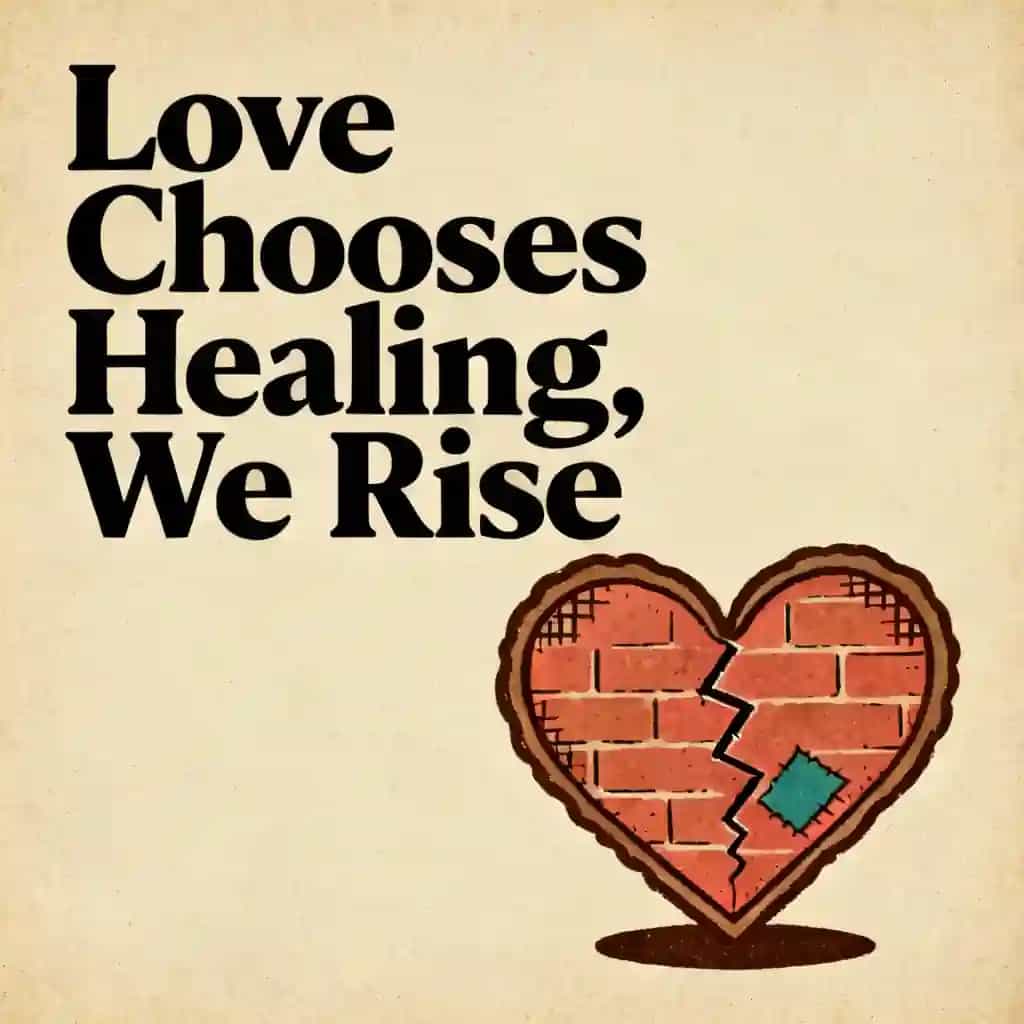
The Architecture of Recovery: Rebuilding Your Thirties
Discover how to navigate the 'exposure' of early sobriety and construct a lasting identity. This episode provides a practical playbook for replacing old routines with a solid foundation for your future.

Mejor cita de The Architecture of Recovery: Rebuilding Your Thirties
Structure isn't a cage; it’s a scaffold. It’s what allows the building to stand while the cement is still wet, providing the security and normalcy that addiction completely stripped away.

Esta lección de audio fue creada por un miembro de la comunidad BeFreed
Overcoming an addiction and starting a new routine. I’m in my thirties



Preguntas frecuentes
This "flatness" is a biological result of the brain recalibrating its internal scale for joy. During addiction, the brain is flooded with such intense levels of dopamine that it reduces its sensitivity to protect itself. When you stop using, natural rewards like a sunset or a good conversation feel muted because your sensors are still being repaired. This recalibration typically takes about ninety days, which is when the prefrontal cortex—the part of the brain responsible for impulse control—begins to show measurable improvement.
BDNF stands for Brain-Derived Neurotrophic Factor, which acts like "Miracle-Gro" for your neurons. It is a protein that helps grow new connections and protects existing ones, making the brain more flexible and capable of change. While chronic substance use can deplete BDNF levels, making the brain feel "brittle," you can naturally boost it through physical movement. Even a thirty-minute walk can trigger the release of BDNF, helping to repair the damage caused by addiction.
A routine is vital because early recovery often leaves a person with sixteen to eighteen hours of unstructured time that was previously filled by addiction. Boredom is one of the biggest pathways to relapse because it allows the "internal critic" to take over. By following a predictable schedule—such as waking up, exercising, and eating at set times—you reduce decision fatigue and provide your brain with a sense of security. Research suggests that after about sixty-six days of consistency, these behaviors become automatic, meaning they no longer require limited willpower to maintain.
A relapse should be viewed as "data" rather than a moral failure or an erasure of progress. The recommended playbook involves staying calm to avoid the "shame cycle," reaching out immediately to a support network or therapist, and analyzing the twenty-four hours leading up to the event to identify specific triggers. Instead of starting from zero, you are starting from experience, using the setback to identify where your "scaffold" or routine needs to be strengthened.
Social connection is a powerful biological tool for recovery because it releases oxytocin, which calms the threat centers in the brain and counters stress. Statistics show that individuals with strong social support networks are forty percent less likely to relapse, and regular attendance at peer-led groups like AA or NA can reduce the risk by sixty percent. In your thirties, building a "sober support network" provides the accountability and shared language necessary to navigate the challenges of rebuilding a life.
Descubre más

Build life foundation in early 30s
This plan is designed for professionals in their early 30s looking to transition from reactive living to intentional growth. It provides a holistic blueprint for stabilizing finances, scaling career impact, and optimizing daily habits for long-term success.

The Architecture of the Comeback
This learning plan is essential for leaders facing professional adversity or career transitions. It provides a historical blueprint for resilience, making it ideal for executives and entrepreneurs who need to turn setbacks into strategic advantages.
Rebuild after breakup and emotional loss
This plan is designed for anyone navigating the aftermath of a breakup or significant emotional loss. It provides a structured path to move from initial grief to a place of empowered self-discovery and renewed purpose.

Rebuilding After Late Diagnosis
This plan is essential for neurodivergent adults who received a diagnosis later in life and feel overwhelmed by years of masking. It offers a structured path to recover from burnout and transition from survival mode to an authentic, self-defined life.

Rewire Your 20s Brain: Science & Expert Tips
The twenties are a unique neurological window where the brain is highly adaptable but still maturing. This plan is essential for young adults looking to harness neuroplasticity to build a high-performance foundation for their career and personal lives.

Break addiction cycles after 5 lost years
This plan is designed for individuals seeking to reclaim their lives after long-term struggle, moving beyond willpower to science-based recovery. It provides a holistic roadmap for those ready to address the neurological, emotional, and social roots of addiction to build a lasting new identity.

Rebuilding a Life of Integrity
This plan is designed for men seeking to transition from a life of survival and labor to one of intentional leadership and character. It provides a roadmap for those ready to align their physical health, career trajectory, and moral foundation with their deeper purpose.
The Mid-Life Unmasking Reclamation
This plan is designed for neurodivergent adults who received a diagnosis later in life and are struggling with burnout or identity loss. It provides a structured roadmap to move from survival-based masking to a life of authentic self-regulation and healthy social boundaries.
Creado por exalumnos de la Universidad de Columbia en San Francisco
"Instead of endless scrolling, I just hit play on BeFreed. It saves me so much time."


"I never knew where to start with nonfiction—BeFreed’s book lists turned into podcasts gave me a clear path."


"Perfect balance between learning and entertainment. Finished ‘Thinking, Fast and Slow’ on my commute this week."
"Crazy how much I learned while walking the dog. BeFreed = small habits → big gains."
"Reading used to feel like a chore. Now it’s just part of my lifestyle."

"Feels effortless compared to reading. I’ve finished 6 books this month already."
"BeFreed turned my guilty doomscrolling into something that feels productive and inspiring."

"BeFreed turned my commute into learning time. 20-min podcasts are perfect for finishing books I never had time for."
"BeFreed replaced my podcast queue. Imagine Spotify for books — that’s it. 🙌"

"It is great for me to learn something from the book without reading it."
"The themed book list podcasts help me connect ideas across authors—like a guided audio journey."
"Makes me feel smarter every time before going to work"
Creado por exalumnos de la Universidad de Columbia en San Francisco
"Instead of endless scrolling, I just hit play on BeFreed. It saves me so much time."
"I never knew where to start with nonfiction—BeFreed’s book lists turned into podcasts gave me a clear path."
"Perfect balance between learning and entertainment. Finished ‘Thinking, Fast and Slow’ on my commute this week."
"Crazy how much I learned while walking the dog. BeFreed = small habits → big gains."
"Reading used to feel like a chore. Now it’s just part of my lifestyle."
"Feels effortless compared to reading. I’ve finished 6 books this month already."
"BeFreed turned my guilty doomscrolling into something that feels productive and inspiring."
"BeFreed turned my commute into learning time. 20-min podcasts are perfect for finishing books I never had time for."
"BeFreed replaced my podcast queue. Imagine Spotify for books — that’s it. 🙌"
"It is great for me to learn something from the book without reading it."
"The themed book list podcasts help me connect ideas across authors—like a guided audio journey."
"Makes me feel smarter every time before going to work"
"Instead of endless scrolling, I just hit play on BeFreed. It saves me so much time."
"I never knew where to start with nonfiction—BeFreed’s book lists turned into podcasts gave me a clear path."
"Perfect balance between learning and entertainment. Finished ‘Thinking, Fast and Slow’ on my commute this week."
"Crazy how much I learned while walking the dog. BeFreed = small habits → big gains."
"Reading used to feel like a chore. Now it’s just part of my lifestyle."
"Feels effortless compared to reading. I’ve finished 6 books this month already."
"BeFreed turned my guilty doomscrolling into something that feels productive and inspiring."
"BeFreed turned my commute into learning time. 20-min podcasts are perfect for finishing books I never had time for."
"BeFreed replaced my podcast queue. Imagine Spotify for books — that’s it. 🙌"
"It is great for me to learn something from the book without reading it."
"The themed book list podcasts help me connect ideas across authors—like a guided audio journey."
"Makes me feel smarter every time before going to work"
"Instead of endless scrolling, I just hit play on BeFreed. It saves me so much time."
"I never knew where to start with nonfiction—BeFreed’s book lists turned into podcasts gave me a clear path."
"Perfect balance between learning and entertainment. Finished ‘Thinking, Fast and Slow’ on my commute this week."
"Crazy how much I learned while walking the dog. BeFreed = small habits → big gains."
"Reading used to feel like a chore. Now it’s just part of my lifestyle."
"Feels effortless compared to reading. I’ve finished 6 books this month already."
"BeFreed turned my guilty doomscrolling into something that feels productive and inspiring."
"BeFreed turned my commute into learning time. 20-min podcasts are perfect for finishing books I never had time for."
"BeFreed replaced my podcast queue. Imagine Spotify for books — that’s it. 🙌"
"It is great for me to learn something from the book without reading it."
"The themed book list podcasts help me connect ideas across authors—like a guided audio journey."
"Makes me feel smarter every time before going to work"