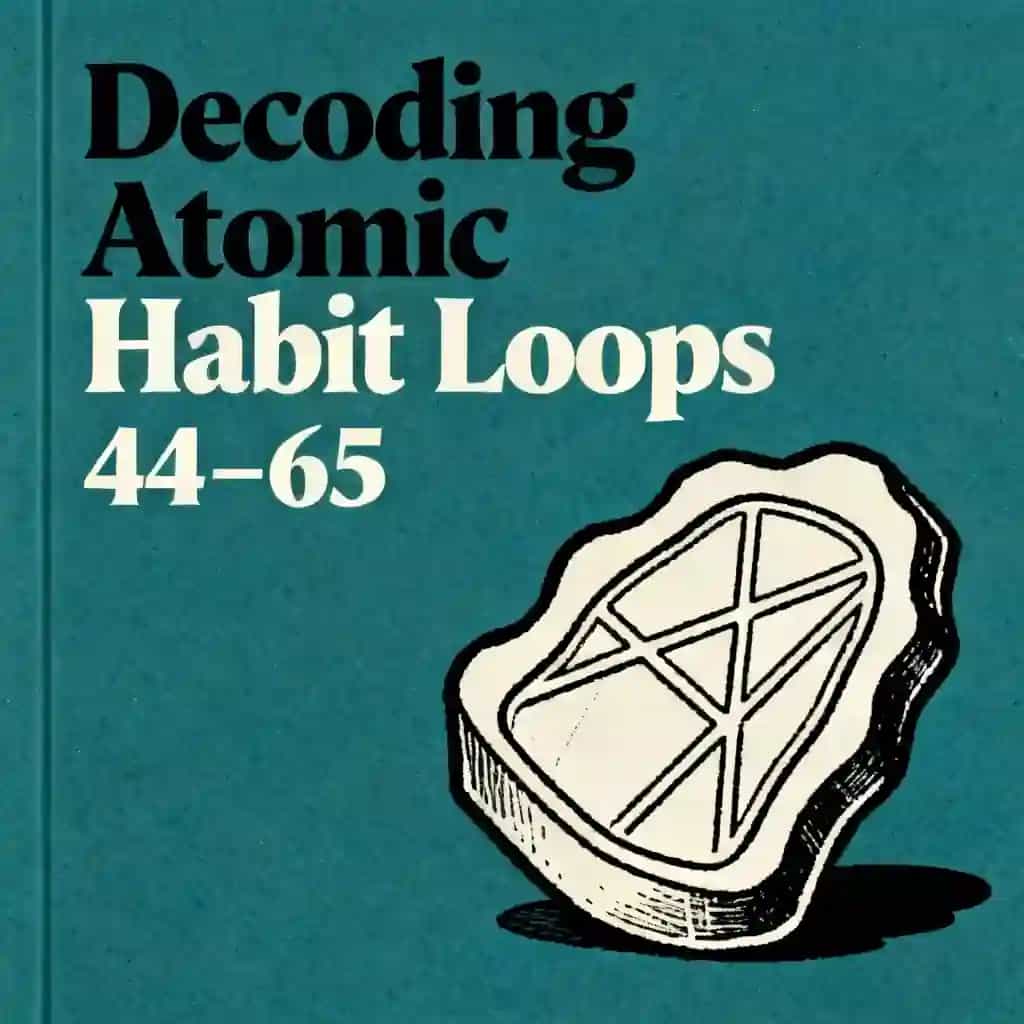
The 7-Day Life Reset: From Autopilot to Peak Performance
Discover how to overhaul your life in just one week by eliminating toxic habits and implementing a non-negotiable daily routine designed to sharpen your focus, health, and character.

Mejor cita de The 7-Day Life Reset: From Autopilot to Peak Performance
Success and failure aren't inexplicable, catastrophic events; they’re the result of habits. For the next 168 hours, we are treating our life like a high-stakes turnaround project by identifying the 'keystone habits' that have a ripple effect on everything else.
Generated by Kaz
If I had only 7 days to completely change the direction of my life, what habits must I eliminate immediately and what disciplined actions must I start today? Design a simple daily routine for the next week that will improve my health, focus, studies, and character if I follow it without excuses.

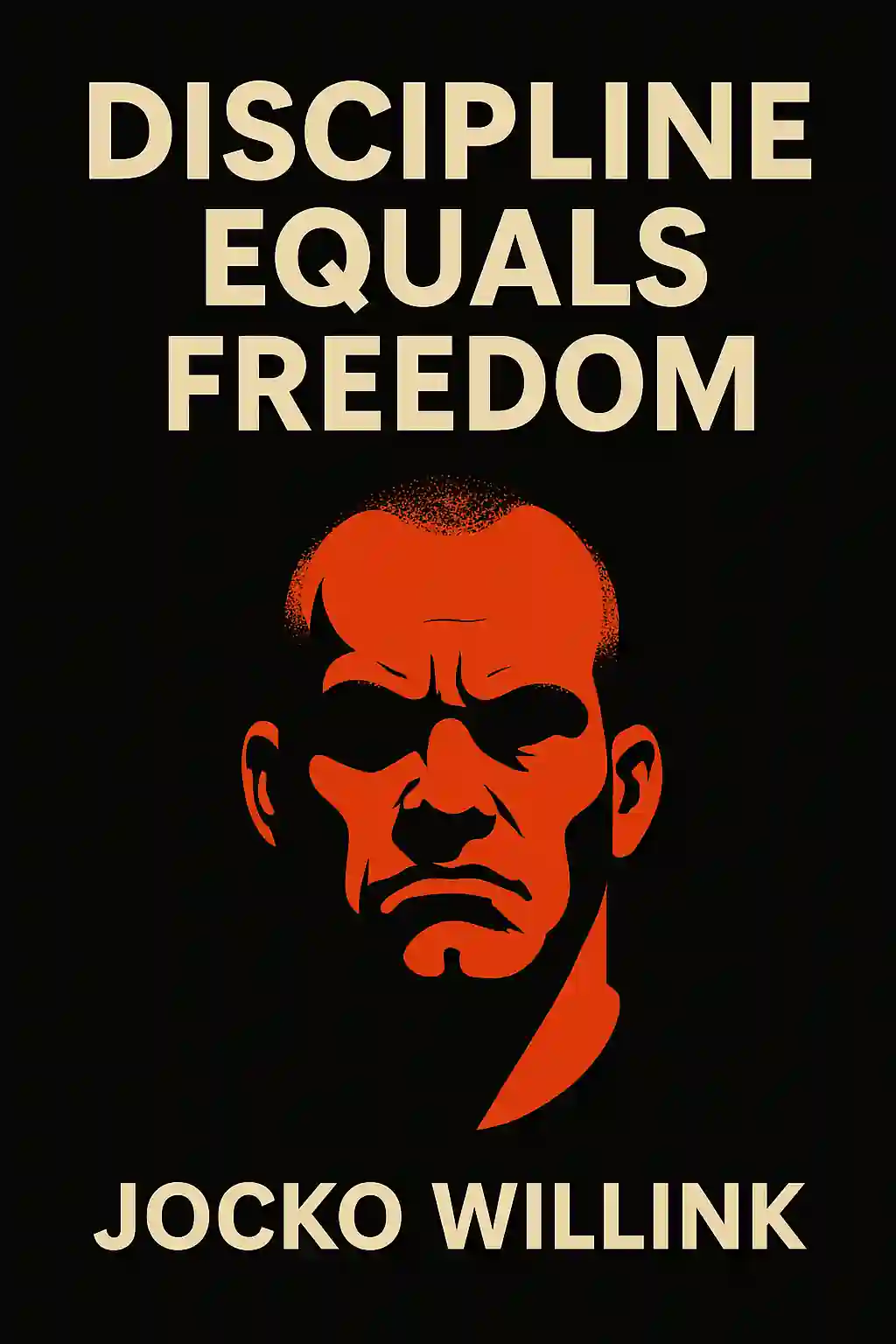
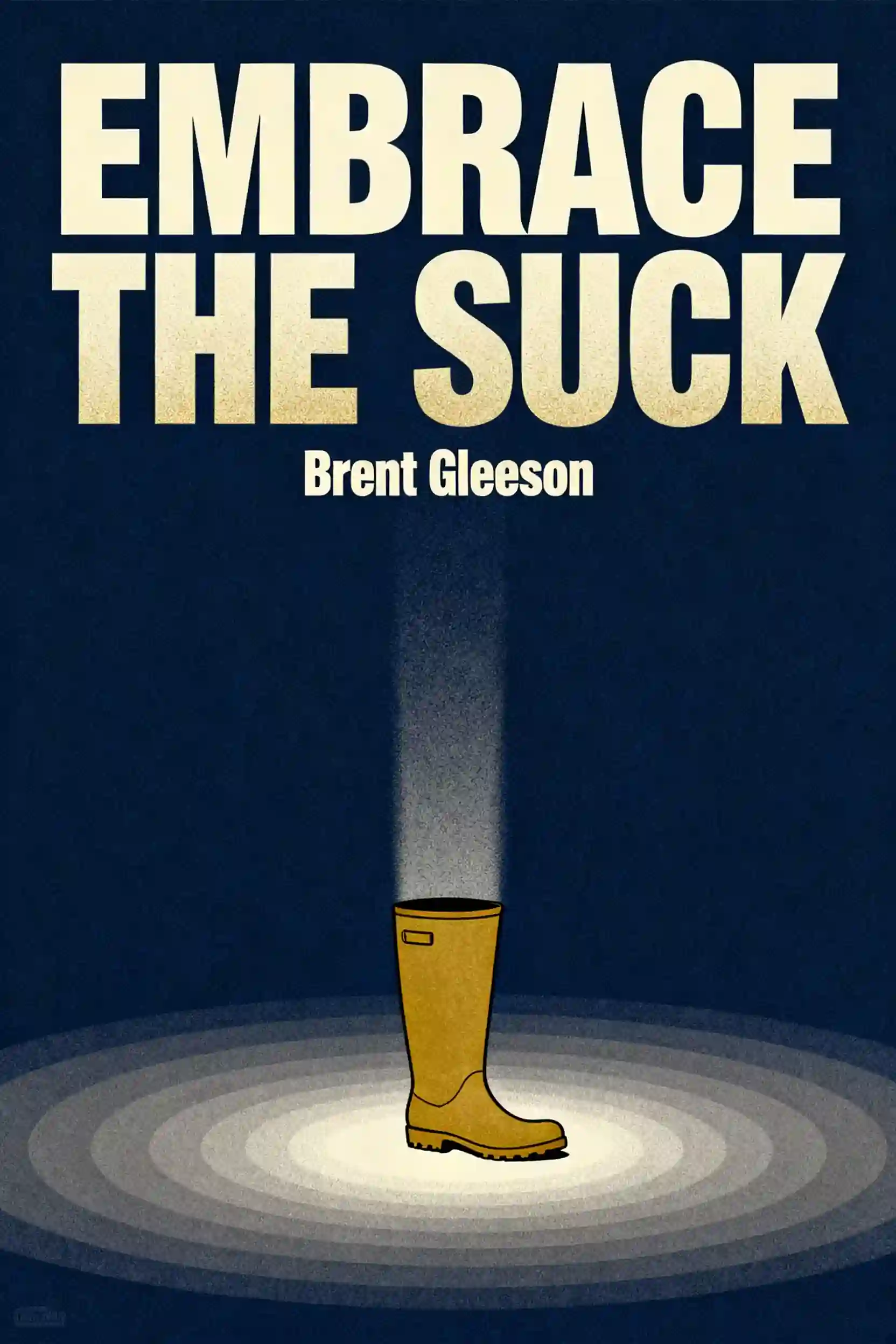
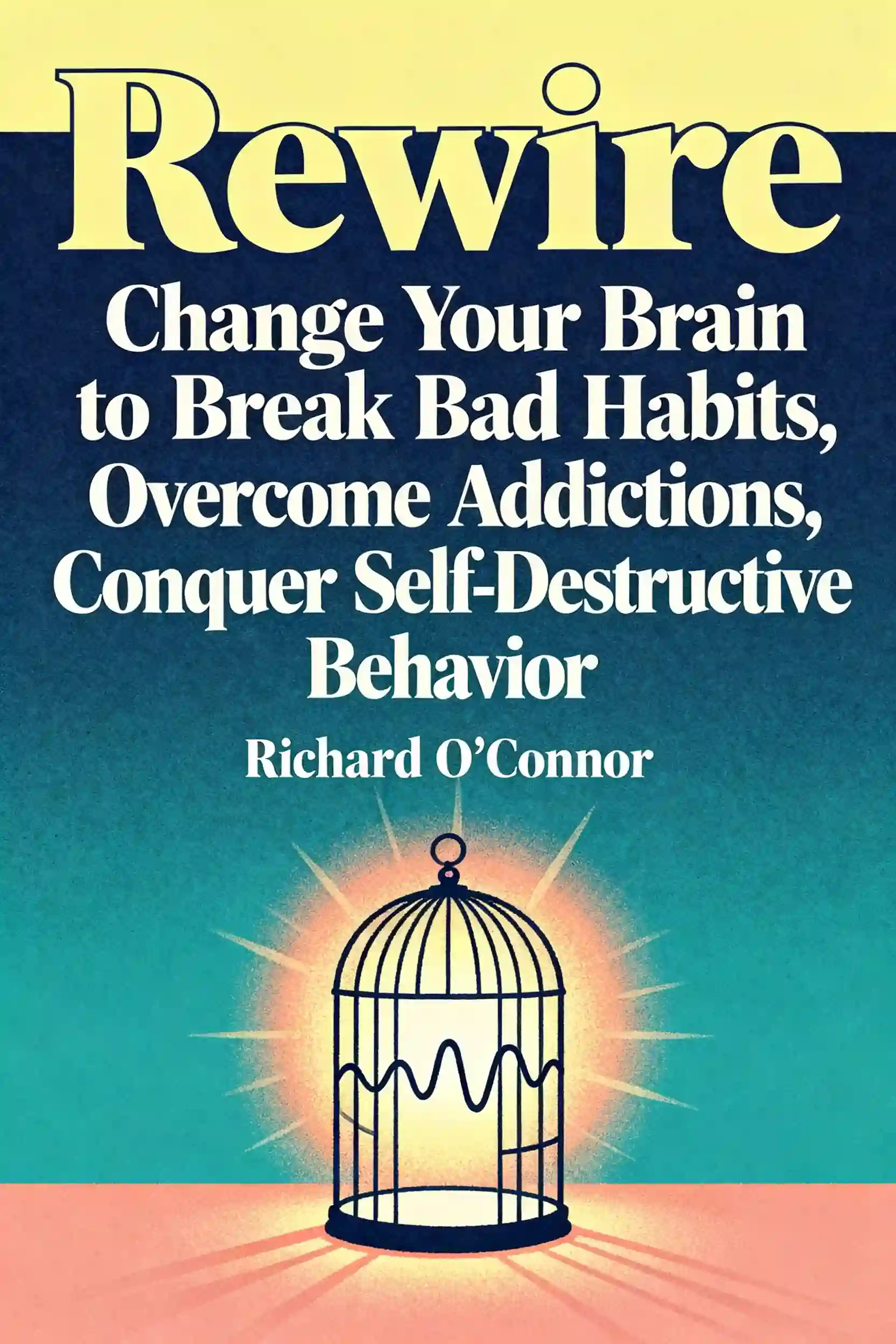
Preguntas frecuentes
This twelve-hour digital silence is designed to protect your mental autonomy and biological sleep cycle. Checking your phone first thing in the morning forces your brain into a reactive state based on other people's priorities, while nighttime scrolling exposes you to blue light that suppresses melatonin production. By removing algorithmic distractions during these windows, you reclaim control over your morning focus and ensure your body can transition into restorative sleep.
"Eating the Frog" refers to the discipline of tackling your most difficult, important, or dreaded task first thing in the morning. According to the script, the brain reaches peak performance for complex tasks approximately two to four hours after waking. By scheduling a "Deep Work Block" during this window—typically between 6 AM and 8 AM—you ensure that your highest energy is dedicated to your most significant goals before the distractions of the day accumulate.
The "One Month Left" prompt is a mental tool used to create an "awareness of finitude." By imagining you only have thirty days left to live, the trivial excuses and minor habits that usually hold you back—referred to as "pebbles in your shoe"—suddenly vanish. This perspective cuts through mental haziness and forces you to move from "thinking" about change to immediate, intentional action.
Drinking four litres of water daily is presented as a high-ROI habit because dehydration often masquerades as brain fog, fatigue, and false hunger. While the amount may seem high, the script suggests that by the third day, this level of hydration stabilizes energy levels and clears cognitive fog. It serves as a "micro-win" that signals a commitment to prioritizing physical health as the foundation for mental performance.
Deep Work Blocks are dedicated sessions of 90 to 120 minutes focused on a single task with zero distractions. The script argues that multitasking is actually "task switching," which leaves a "residue" of attention on previous tasks and prevents you from operating at 100% efficiency. By using these blocks for specific types of work—such as writing, creative projects, or problem-solving—you produce higher-quality output and learn complicated skills more quickly.
Creado por exalumnos de la Universidad de Columbia en San Francisco
"Instead of endless scrolling, I just hit play on BeFreed. It saves me so much time."


"I never knew where to start with nonfiction—BeFreed’s book lists turned into podcasts gave me a clear path."


"Perfect balance between learning and entertainment. Finished ‘Thinking, Fast and Slow’ on my commute this week."
"Crazy how much I learned while walking the dog. BeFreed = small habits → big gains."
"Reading used to feel like a chore. Now it’s just part of my lifestyle."

"Feels effortless compared to reading. I’ve finished 6 books this month already."
"BeFreed turned my guilty doomscrolling into something that feels productive and inspiring."

"BeFreed turned my commute into learning time. 20-min podcasts are perfect for finishing books I never had time for."
"BeFreed replaced my podcast queue. Imagine Spotify for books — that’s it. 🙌"

"It is great for me to learn something from the book without reading it."
"The themed book list podcasts help me connect ideas across authors—like a guided audio journey."
"Makes me feel smarter every time before going to work"
Creado por exalumnos de la Universidad de Columbia en San Francisco
"Instead of endless scrolling, I just hit play on BeFreed. It saves me so much time."
"I never knew where to start with nonfiction—BeFreed’s book lists turned into podcasts gave me a clear path."
"Perfect balance between learning and entertainment. Finished ‘Thinking, Fast and Slow’ on my commute this week."
"Crazy how much I learned while walking the dog. BeFreed = small habits → big gains."
"Reading used to feel like a chore. Now it’s just part of my lifestyle."
"Feels effortless compared to reading. I’ve finished 6 books this month already."
"BeFreed turned my guilty doomscrolling into something that feels productive and inspiring."
"BeFreed turned my commute into learning time. 20-min podcasts are perfect for finishing books I never had time for."
"BeFreed replaced my podcast queue. Imagine Spotify for books — that’s it. 🙌"
"It is great for me to learn something from the book without reading it."
"The themed book list podcasts help me connect ideas across authors—like a guided audio journey."
"Makes me feel smarter every time before going to work"
"Instead of endless scrolling, I just hit play on BeFreed. It saves me so much time."
"I never knew where to start with nonfiction—BeFreed’s book lists turned into podcasts gave me a clear path."
"Perfect balance between learning and entertainment. Finished ‘Thinking, Fast and Slow’ on my commute this week."
"Crazy how much I learned while walking the dog. BeFreed = small habits → big gains."
"Reading used to feel like a chore. Now it’s just part of my lifestyle."
"Feels effortless compared to reading. I’ve finished 6 books this month already."
"BeFreed turned my guilty doomscrolling into something that feels productive and inspiring."
"BeFreed turned my commute into learning time. 20-min podcasts are perfect for finishing books I never had time for."
"BeFreed replaced my podcast queue. Imagine Spotify for books — that’s it. 🙌"
"It is great for me to learn something from the book without reading it."
"The themed book list podcasts help me connect ideas across authors—like a guided audio journey."
"Makes me feel smarter every time before going to work"
"Instead of endless scrolling, I just hit play on BeFreed. It saves me so much time."
"I never knew where to start with nonfiction—BeFreed’s book lists turned into podcasts gave me a clear path."
"Perfect balance between learning and entertainment. Finished ‘Thinking, Fast and Slow’ on my commute this week."
"Crazy how much I learned while walking the dog. BeFreed = small habits → big gains."
"Reading used to feel like a chore. Now it’s just part of my lifestyle."
"Feels effortless compared to reading. I’ve finished 6 books this month already."
"BeFreed turned my guilty doomscrolling into something that feels productive and inspiring."
"BeFreed turned my commute into learning time. 20-min podcasts are perfect for finishing books I never had time for."
"BeFreed replaced my podcast queue. Imagine Spotify for books — that’s it. 🙌"
"It is great for me to learn something from the book without reading it."
"The themed book list podcasts help me connect ideas across authors—like a guided audio journey."
"Makes me feel smarter every time before going to work"