Talking to Strangers: The Illusions of Insight
We think we can read people, but our instincts often fail us. Discover why our tools for judging strangers lead to tragic misunderstandings.
Mejor cita de Talking to Strangers: The Illusions of Insight
When you meet a stranger, you assume you are looking into a clear window, but you are actually looking into a mirror of your own assumptions.
Generated with BeFreed
An audio lesson about the book Talking to Strangers, covering its key ideas and takeaways.


Preguntas frecuentes
Truth-Default Theory suggests that our baseline human state is to believe that the person we are communicating with is telling the truth. We do not start from a position of neutral suspicion; rather, we operate with 100% belief until evidence to the contrary becomes so overwhelming that it can no longer be rationalized away. While this makes us vulnerable to deception, it is a biological and social necessity that allows society to function efficiently without the constant, paralyzing need to verify every interaction.
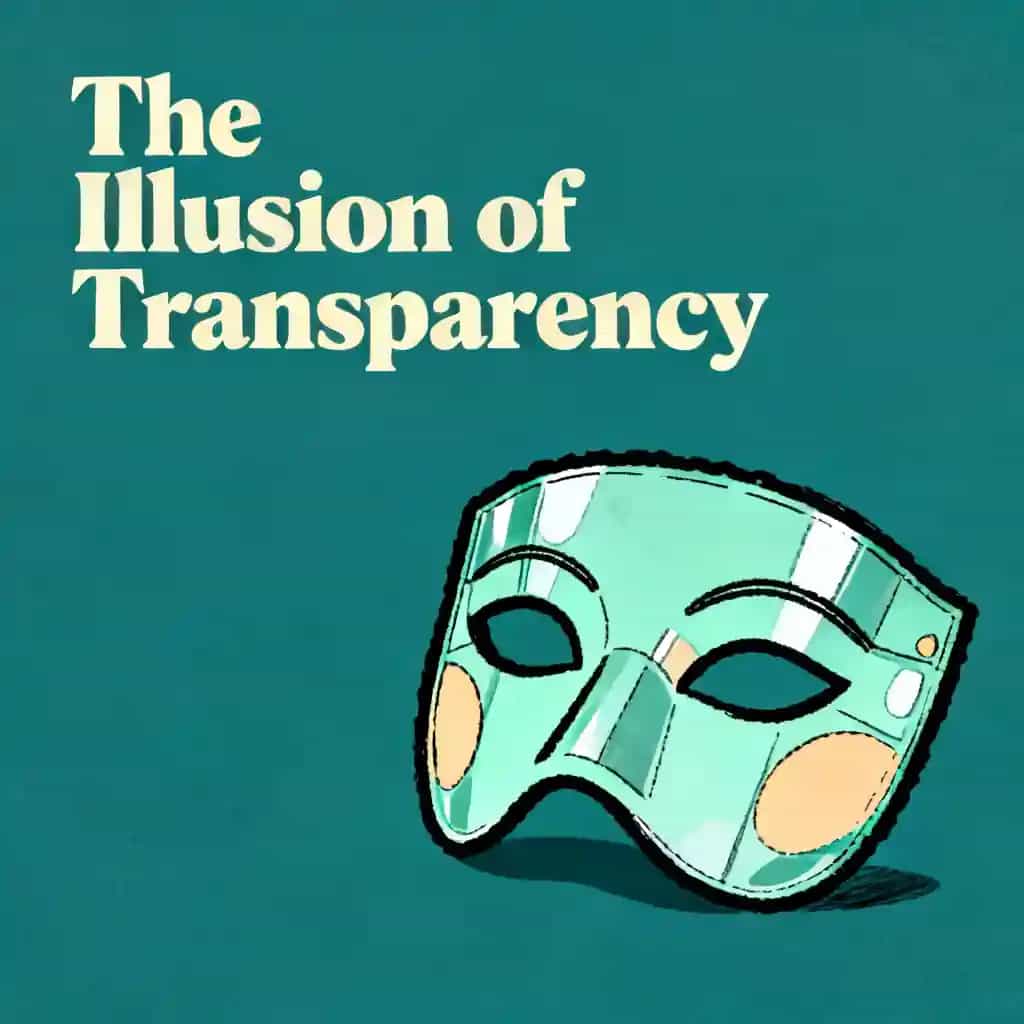
The script explains that we suffer from a "transparency illusion," the false belief that a person’s internal emotions are clearly visible on their face. In reality, facial expressions are not universal; for example, a "gasping" face interpreted as fear in the West might be seen as a threat in other cultures. Furthermore, many people are "mismatched," meaning their outward demeanor—such as appearing stoic during a tragedy or nervous when innocent—does not match the social script we expect, leading to profound errors in judgment by judges, police, and the public.
Alcohol myopia is a state where a person's emotional and mental field of vision becomes extremely narrow. Instead of revealing a person's "true self," alcohol obliterates the ability to consider long-term consequences or process complex social cues, leaving the individual to respond only to the most immediate physical or emotional stimuli. This creates a dangerous environment for complex interactions like consent, as the brain becomes physically incapable of processing anything beyond the immediate second.
Coupling is the idea that human behavior is often tied to very specific circumstances or locations rather than just internal character. The script illustrates this using the "Law of Crime Concentration," noting that a tiny percentage of city blocks often account for the majority of crime. When the specific environmental opportunity is removed—such as the UK switching to a less toxic form of household gas—the associated behavior often disappears entirely because the action was coupled to the ease and availability of the method.
To navigate a world of strangers more effectively, we must practice humility regarding our ability to "read" others and accept that being occasionally lied to is a necessary cost of a functional society. We should strive to be more like computer algorithms by looking at objective facts and history rather than eye contact or demeanor. Finally, we must stop blaming an individual's character for their actions and instead look at the context and environment—the "hot spots"—that may be driving their behavior.
Creado por exalumnos de la Universidad de Columbia en San Francisco
"Instead of endless scrolling, I just hit play on BeFreed. It saves me so much time."


"I never knew where to start with nonfiction—BeFreed’s book lists turned into podcasts gave me a clear path."


"Perfect balance between learning and entertainment. Finished ‘Thinking, Fast and Slow’ on my commute this week."
"Crazy how much I learned while walking the dog. BeFreed = small habits → big gains."
"Reading used to feel like a chore. Now it’s just part of my lifestyle."

"Feels effortless compared to reading. I’ve finished 6 books this month already."
"BeFreed turned my guilty doomscrolling into something that feels productive and inspiring."

"BeFreed turned my commute into learning time. 20-min podcasts are perfect for finishing books I never had time for."
"BeFreed replaced my podcast queue. Imagine Spotify for books — that’s it. 🙌"

"It is great for me to learn something from the book without reading it."
"The themed book list podcasts help me connect ideas across authors—like a guided audio journey."
"Makes me feel smarter every time before going to work"
Creado por exalumnos de la Universidad de Columbia en San Francisco
"Instead of endless scrolling, I just hit play on BeFreed. It saves me so much time."
"I never knew where to start with nonfiction—BeFreed’s book lists turned into podcasts gave me a clear path."
"Perfect balance between learning and entertainment. Finished ‘Thinking, Fast and Slow’ on my commute this week."
"Crazy how much I learned while walking the dog. BeFreed = small habits → big gains."
"Reading used to feel like a chore. Now it’s just part of my lifestyle."
"Feels effortless compared to reading. I’ve finished 6 books this month already."
"BeFreed turned my guilty doomscrolling into something that feels productive and inspiring."
"BeFreed turned my commute into learning time. 20-min podcasts are perfect for finishing books I never had time for."
"BeFreed replaced my podcast queue. Imagine Spotify for books — that’s it. 🙌"
"It is great for me to learn something from the book without reading it."
"The themed book list podcasts help me connect ideas across authors—like a guided audio journey."
"Makes me feel smarter every time before going to work"
"Instead of endless scrolling, I just hit play on BeFreed. It saves me so much time."
"I never knew where to start with nonfiction—BeFreed’s book lists turned into podcasts gave me a clear path."
"Perfect balance between learning and entertainment. Finished ‘Thinking, Fast and Slow’ on my commute this week."
"Crazy how much I learned while walking the dog. BeFreed = small habits → big gains."
"Reading used to feel like a chore. Now it’s just part of my lifestyle."
"Feels effortless compared to reading. I’ve finished 6 books this month already."
"BeFreed turned my guilty doomscrolling into something that feels productive and inspiring."
"BeFreed turned my commute into learning time. 20-min podcasts are perfect for finishing books I never had time for."
"BeFreed replaced my podcast queue. Imagine Spotify for books — that’s it. 🙌"
"It is great for me to learn something from the book without reading it."
"The themed book list podcasts help me connect ideas across authors—like a guided audio journey."
"Makes me feel smarter every time before going to work"
"Instead of endless scrolling, I just hit play on BeFreed. It saves me so much time."
"I never knew where to start with nonfiction—BeFreed’s book lists turned into podcasts gave me a clear path."
"Perfect balance between learning and entertainment. Finished ‘Thinking, Fast and Slow’ on my commute this week."
"Crazy how much I learned while walking the dog. BeFreed = small habits → big gains."
"Reading used to feel like a chore. Now it’s just part of my lifestyle."
"Feels effortless compared to reading. I’ve finished 6 books this month already."
"BeFreed turned my guilty doomscrolling into something that feels productive and inspiring."
"BeFreed turned my commute into learning time. 20-min podcasts are perfect for finishing books I never had time for."
"BeFreed replaced my podcast queue. Imagine Spotify for books — that’s it. 🙌"
"It is great for me to learn something from the book without reading it."
"The themed book list podcasts help me connect ideas across authors—like a guided audio journey."
"Makes me feel smarter every time before going to work"