Redlining: The Blueprints of Modern Inequality
Trace the direct line from 1930s housing maps to the modern wealth gap and mass incarceration. Explore how systemic exclusion evolved from physical red lines into the invisible borders of the New Jim Crow.

Mejor cita de Redlining: The Blueprints of Modern Inequality
The red lines weren't just about houses—they were about the very structure of opportunity. It’s a form of de jure segregation—segregation by law and public policy—disguised as a market decision.
Generated by Freedee_08C6A32A
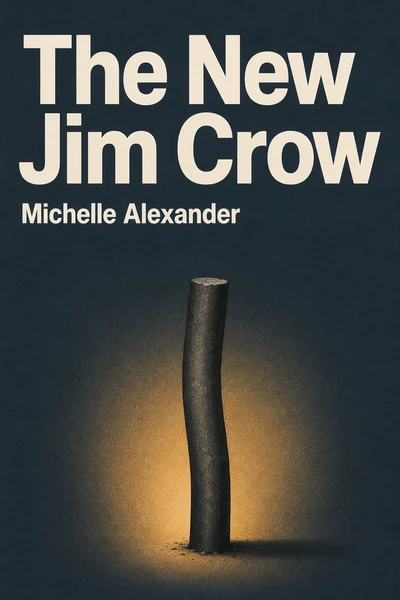
Red lining, Jim Crow laws, the new Jim Crow book

Preguntas frecuentes
The federal government, specifically through the Home Owners’ Loan Corporation (HOLC) in the 1930s, created "residential security" maps that color-coded neighborhoods based on perceived investment risk. These maps explicitly tied "worthiness" for mortgages to race, flagging any neighborhood with a significant Black population as "hazardous" and coloring it red. This codified system of discrimination ensured that Black families were systematically denied the low-interest government loans that allowed white families to build home equity and generational wealth.
The disinvestment triggered by redlining created long-term "healthcare deserts" and "food deserts" in specific zip codes. Because hospitals often closed or moved away from redlined areas due to perceived economic instability, and grocery stores with fresh produce avoided these zones, residents faced higher rates of chronic illness. Modern data shows that old HOLC scores from the 1930s still accurately predict current variations in diabetes mortality and heart disease rates within cities like Seattle and Milwaukee.
The "intent" trap refers to a legal standard where a plaintiff must prove that a policymaker or employer consciously intended to discriminate based on race to win a case. This is difficult to overcome because many modern "moderate" policies use colorblind language—such as "protecting property values" or "educational standards"—to hide racial bias. This standard focuses on the "soul" or character of the individual rather than the actual disparate impact or harm caused by the policy, allowing systemic inequality to persist as long as it is framed neutrally.
Standardized tests were often introduced or repurposed as "colorblind" gatekeepers to maintain racial hierarchies after explicit segregation became illegal. For example, when legal battles forced states to pay Black and white teachers equally, some states began basing pay on National Teacher Examination scores, knowing that Black teachers had been educated in systematically underfunded schools. Similarly, universities often adopted the SAT or ACT specifically to limit Black admissions while claiming to prioritize "academic excellence" rather than race.
Redlining trapped communities in a cycle of concentrated disadvantage where low property values led to underfunded schools, suppressing the "human capital" of residents. In these disinvested neighborhoods, the system often shifted from social support to "hyper-incarceration," characterized by heavy policing and harsher disciplinary actions for Black students. Once an individual is funneled into the criminal justice system, they face "colorblind" laws that allow for legal discrimination in housing and employment, effectively creating a permanent underclass similar to the original Jim Crow era.
Creado por exalumnos de la Universidad de Columbia en San Francisco
"Instead of endless scrolling, I just hit play on BeFreed. It saves me so much time."


"I never knew where to start with nonfiction—BeFreed’s book lists turned into podcasts gave me a clear path."


"Perfect balance between learning and entertainment. Finished ‘Thinking, Fast and Slow’ on my commute this week."
"Crazy how much I learned while walking the dog. BeFreed = small habits → big gains."
"Reading used to feel like a chore. Now it’s just part of my lifestyle."

"Feels effortless compared to reading. I’ve finished 6 books this month already."
"BeFreed turned my guilty doomscrolling into something that feels productive and inspiring."

"BeFreed turned my commute into learning time. 20-min podcasts are perfect for finishing books I never had time for."
"BeFreed replaced my podcast queue. Imagine Spotify for books — that’s it. 🙌"

"It is great for me to learn something from the book without reading it."
"The themed book list podcasts help me connect ideas across authors—like a guided audio journey."
"Makes me feel smarter every time before going to work"
Creado por exalumnos de la Universidad de Columbia en San Francisco
"Instead of endless scrolling, I just hit play on BeFreed. It saves me so much time."
"I never knew where to start with nonfiction—BeFreed’s book lists turned into podcasts gave me a clear path."
"Perfect balance between learning and entertainment. Finished ‘Thinking, Fast and Slow’ on my commute this week."
"Crazy how much I learned while walking the dog. BeFreed = small habits → big gains."
"Reading used to feel like a chore. Now it’s just part of my lifestyle."
"Feels effortless compared to reading. I’ve finished 6 books this month already."
"BeFreed turned my guilty doomscrolling into something that feels productive and inspiring."
"BeFreed turned my commute into learning time. 20-min podcasts are perfect for finishing books I never had time for."
"BeFreed replaced my podcast queue. Imagine Spotify for books — that’s it. 🙌"
"It is great for me to learn something from the book without reading it."
"The themed book list podcasts help me connect ideas across authors—like a guided audio journey."
"Makes me feel smarter every time before going to work"
"Instead of endless scrolling, I just hit play on BeFreed. It saves me so much time."
"I never knew where to start with nonfiction—BeFreed’s book lists turned into podcasts gave me a clear path."
"Perfect balance between learning and entertainment. Finished ‘Thinking, Fast and Slow’ on my commute this week."
"Crazy how much I learned while walking the dog. BeFreed = small habits → big gains."
"Reading used to feel like a chore. Now it’s just part of my lifestyle."
"Feels effortless compared to reading. I’ve finished 6 books this month already."
"BeFreed turned my guilty doomscrolling into something that feels productive and inspiring."
"BeFreed turned my commute into learning time. 20-min podcasts are perfect for finishing books I never had time for."
"BeFreed replaced my podcast queue. Imagine Spotify for books — that’s it. 🙌"
"It is great for me to learn something from the book without reading it."
"The themed book list podcasts help me connect ideas across authors—like a guided audio journey."
"Makes me feel smarter every time before going to work"
"Instead of endless scrolling, I just hit play on BeFreed. It saves me so much time."
"I never knew where to start with nonfiction—BeFreed’s book lists turned into podcasts gave me a clear path."
"Perfect balance between learning and entertainment. Finished ‘Thinking, Fast and Slow’ on my commute this week."
"Crazy how much I learned while walking the dog. BeFreed = small habits → big gains."
"Reading used to feel like a chore. Now it’s just part of my lifestyle."
"Feels effortless compared to reading. I’ve finished 6 books this month already."
"BeFreed turned my guilty doomscrolling into something that feels productive and inspiring."
"BeFreed turned my commute into learning time. 20-min podcasts are perfect for finishing books I never had time for."
"BeFreed replaced my podcast queue. Imagine Spotify for books — that’s it. 🙌"
"It is great for me to learn something from the book without reading it."
"The themed book list podcasts help me connect ideas across authors—like a guided audio journey."
"Makes me feel smarter every time before going to work"