Recover from derealization by grounding your senses
Feeling disconnected from reality is a common response to stress. Learn why your brain flips this switch and how to use grounding tools to feel present.

Mejor cita de Recover from derealization by grounding your senses
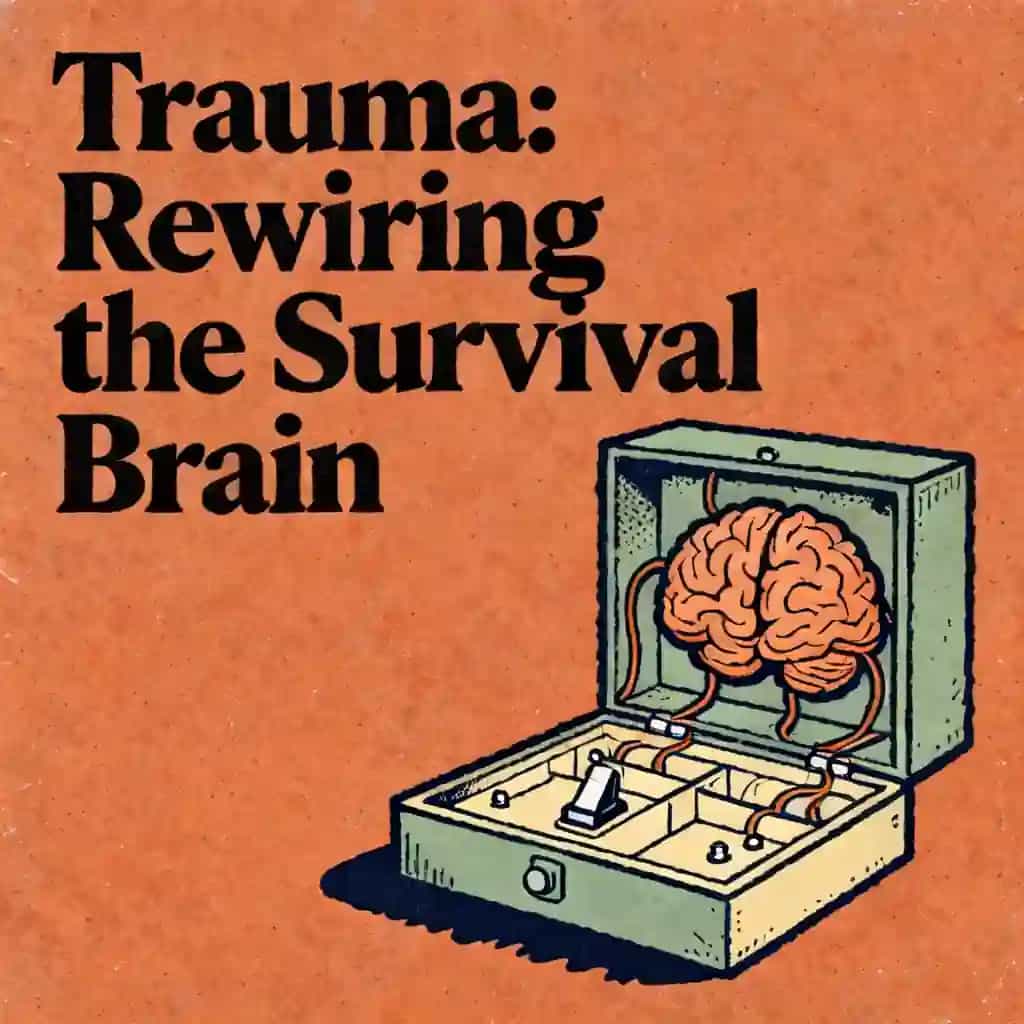
Derealization is basically your nervous system flipping a protective 'circuit breaker' when it gets overloaded by stress; it's a brilliant survival strategy that has simply overstayed its welcome.

Esta lección de audio fue creada por un miembro de la comunidad BeFreed
Recover from derealization


Preguntas frecuentes
Derealization is a common defense mechanism where a person feels detached from their surroundings, often describing the sensation as being "behind a pane of glass" or living in a dream. It occurs when the nervous system becomes overloaded by extreme stress, anxiety, or fatigue. The brain essentially flips a protective "circuit breaker" to numb emotional and sensory input, attempting to shield the individual from a perceived total meltdown.
A key distinction of DDD is that reality testing remains completely intact. Unlike psychosis, where a person may lose touch with what is real, individuals with DDD are aware that the world is real; it simply does not feel real. This creates an "as if" quality—feeling as if one is a robot or in a movie—while maintaining the logical knowledge that they are a human being in the physical world.
Grounding techniques work by sending high-intensity sensory signals to the brain to override the "shutdown" protocol. Effective methods include temperature shocks, such as splashing ice-cold water on your face or holding an ice cube, which forces the brain to snap back to the present. Other tools include "sensory anchors," like naming five things you can see or focusing intensely on the physical sensation of your feet stomping on the ground to re-engage the brain's mapping of the body in space.
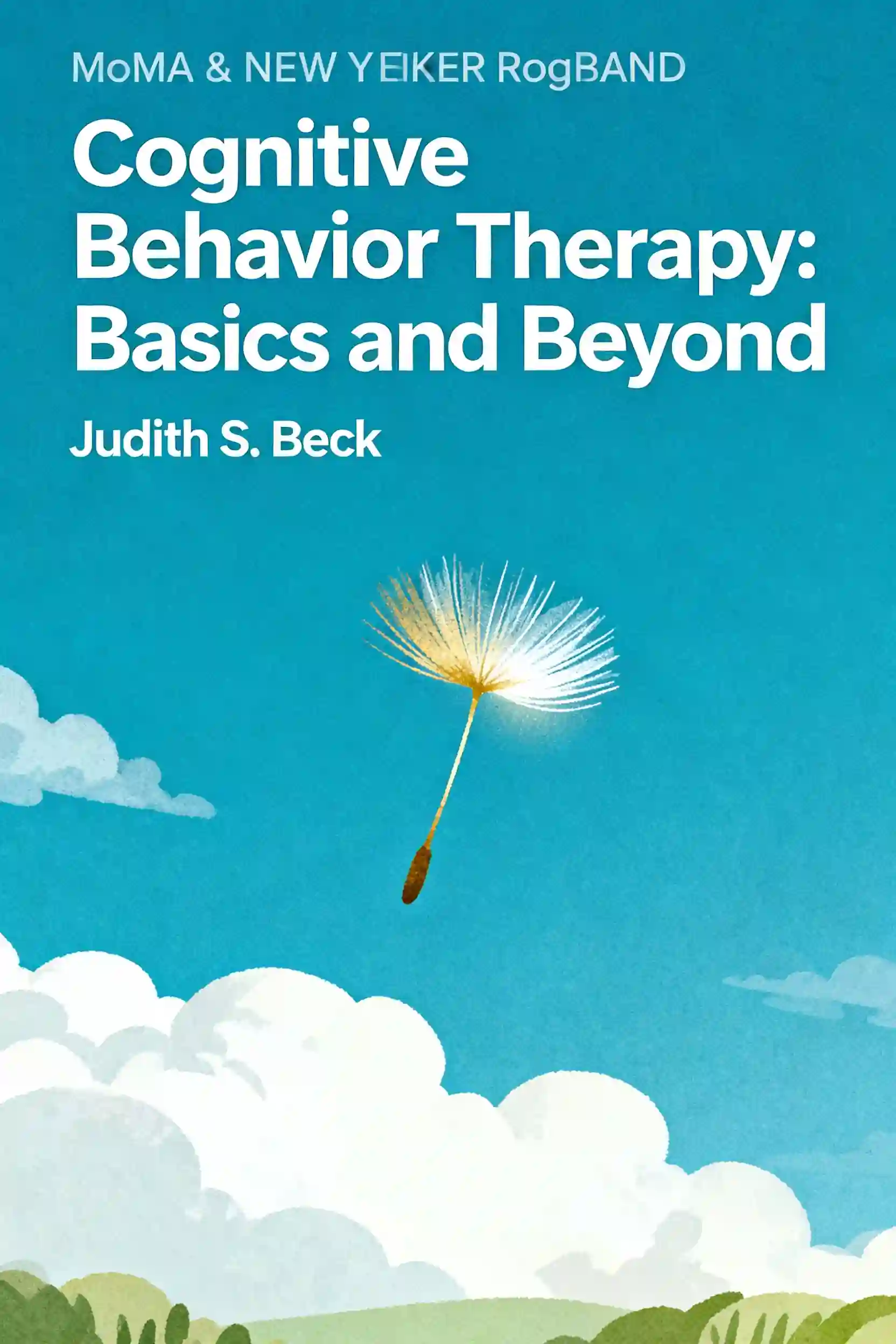
Specialized CBT for derealization targets the specific "vicious loop" where the fear of feeling unreal triggers further dissociation. It uses psychoeducation to help patients understand their "circuit breaker" and cognitive restructuring to stop "self-monitoring"—the habit of constantly checking if one feels real. Research shows that specialized protocols lead to significantly higher recovery rates and a greater reduction on the Cambridge Depersonalization Scale compared to standard "treatment as usual."
Yes, the brain can be retrained to realize that dissociation is no longer the only way to handle stress. Through a process called "titration," individuals can slowly widen their "window of tolerance" by taking manageable "sips" of sensory data and emotion. By consistently proving to the brain through behavioral experiments that the environment is safe, the brain eventually updates its "software" and reduces the sensitivity of its emergency shutdown response.
Descubre más

Reset out of survival mode
Reset out of survival mode
Modern life often leaves individuals trapped in a cycle of chronic stress and hypervigilance that mimics a survival state. This plan is essential for anyone feeling burnt out or stuck in reactive patterns, providing the biological insight and regulation tools needed to reclaim a sense of safety.
Nervous system reset
Nervous system reset
Modern chronic stress often leaves the body stuck in a state of high alert, leading to burnout and emotional exhaustion. This plan is essential for anyone struggling with anxiety or trauma who wants to regain control of their physical and mental wellbeing through science-backed somatic tools.

Stop worrying
Stop worrying
In an era of constant uncertainty, mastering your internal response to stress is a vital survival skill. This plan is designed for anyone feeling overwhelmed by persistent thoughts who wants to regain control using proven psychological techniques.

Be more mindful
Be more mindful
In an increasingly distracted world, mastering the art of presence is essential for mental well-being and emotional resilience. This plan is designed for anyone seeking to reduce stress and gain clarity, ranging from beginners to those looking for a deeper spiritual awakening.

Center myself and be comfortable in nothing
Center myself and be comfortable in nothing
This plan is designed for individuals feeling overwhelmed by constant mental noise and external pressures. It provides a structured path to mastering inner stillness and non-attachment, making it ideal for anyone seeking emotional resilience and a deeper connection to their own presence.

Stay calm, stop overthinking & set boundaries
Stay calm, stop overthinking & set boundaries
In an era of constant digital noise and high pressure, the ability to regulate your nervous system and protect your time is essential for mental health. This plan is designed for professionals and individuals prone to burnout who want to reclaim their focus and improve their interpersonal dynamics.
lower anxiety
lower anxiety
Chronic stress often stems from a lack of practical tools to manage the mind's natural alarm system. This plan is designed for anyone feeling overwhelmed by persistent worry who seeks a blend of immediate relief and long-term lifestyle shifts.
Live mindfully and joyfully without judgment
Live mindfully and joyfully without judgment
In an increasingly distracted world, this plan offers a practical roadmap to reclaim your attention and emotional well-being. It is designed for anyone feeling overwhelmed by judgment or stress who seeks to build a life rooted in presence, compassion, and radical acceptance.
Creado por exalumnos de la Universidad de Columbia en San Francisco
"Instead of endless scrolling, I just hit play on BeFreed. It saves me so much time."


"I never knew where to start with nonfiction—BeFreed’s book lists turned into podcasts gave me a clear path."


"Perfect balance between learning and entertainment. Finished ‘Thinking, Fast and Slow’ on my commute this week."
"Crazy how much I learned while walking the dog. BeFreed = small habits → big gains."
"Reading used to feel like a chore. Now it’s just part of my lifestyle."

"Feels effortless compared to reading. I’ve finished 6 books this month already."
"BeFreed turned my guilty doomscrolling into something that feels productive and inspiring."

"BeFreed turned my commute into learning time. 20-min podcasts are perfect for finishing books I never had time for."
"BeFreed replaced my podcast queue. Imagine Spotify for books — that’s it. 🙌"

"It is great for me to learn something from the book without reading it."
"The themed book list podcasts help me connect ideas across authors—like a guided audio journey."
"Makes me feel smarter every time before going to work"
Creado por exalumnos de la Universidad de Columbia en San Francisco
"Instead of endless scrolling, I just hit play on BeFreed. It saves me so much time."
"I never knew where to start with nonfiction—BeFreed’s book lists turned into podcasts gave me a clear path."
"Perfect balance between learning and entertainment. Finished ‘Thinking, Fast and Slow’ on my commute this week."
"Crazy how much I learned while walking the dog. BeFreed = small habits → big gains."
"Reading used to feel like a chore. Now it’s just part of my lifestyle."
"Feels effortless compared to reading. I’ve finished 6 books this month already."
"BeFreed turned my guilty doomscrolling into something that feels productive and inspiring."
"BeFreed turned my commute into learning time. 20-min podcasts are perfect for finishing books I never had time for."
"BeFreed replaced my podcast queue. Imagine Spotify for books — that’s it. 🙌"
"It is great for me to learn something from the book without reading it."
"The themed book list podcasts help me connect ideas across authors—like a guided audio journey."
"Makes me feel smarter every time before going to work"
"Instead of endless scrolling, I just hit play on BeFreed. It saves me so much time."
"I never knew where to start with nonfiction—BeFreed’s book lists turned into podcasts gave me a clear path."
"Perfect balance between learning and entertainment. Finished ‘Thinking, Fast and Slow’ on my commute this week."
"Crazy how much I learned while walking the dog. BeFreed = small habits → big gains."
"Reading used to feel like a chore. Now it’s just part of my lifestyle."
"Feels effortless compared to reading. I’ve finished 6 books this month already."
"BeFreed turned my guilty doomscrolling into something that feels productive and inspiring."
"BeFreed turned my commute into learning time. 20-min podcasts are perfect for finishing books I never had time for."
"BeFreed replaced my podcast queue. Imagine Spotify for books — that’s it. 🙌"
"It is great for me to learn something from the book without reading it."
"The themed book list podcasts help me connect ideas across authors—like a guided audio journey."
"Makes me feel smarter every time before going to work"
"Instead of endless scrolling, I just hit play on BeFreed. It saves me so much time."
"I never knew where to start with nonfiction—BeFreed’s book lists turned into podcasts gave me a clear path."
"Perfect balance between learning and entertainment. Finished ‘Thinking, Fast and Slow’ on my commute this week."
"Crazy how much I learned while walking the dog. BeFreed = small habits → big gains."
"Reading used to feel like a chore. Now it’s just part of my lifestyle."
"Feels effortless compared to reading. I’ve finished 6 books this month already."
"BeFreed turned my guilty doomscrolling into something that feels productive and inspiring."
"BeFreed turned my commute into learning time. 20-min podcasts are perfect for finishing books I never had time for."
"BeFreed replaced my podcast queue. Imagine Spotify for books — that’s it. 🙌"
"It is great for me to learn something from the book without reading it."
"The themed book list podcasts help me connect ideas across authors—like a guided audio journey."
"Makes me feel smarter every time before going to work"