Public speaking confidence is a mental shift
Public speaking feels scary because of biology, not a lack of skill. Learn to reframe your nerves and focus on your audience to speak naturally.

Mejor cita de Public speaking confidence is a mental shift
Confidence isn't the absence of fear; it's the belief that you can handle the fear. You’re keeping the energy but changing the story you tell yourself about it.
Generated by Mateo
Speaking more confidently in front of a group

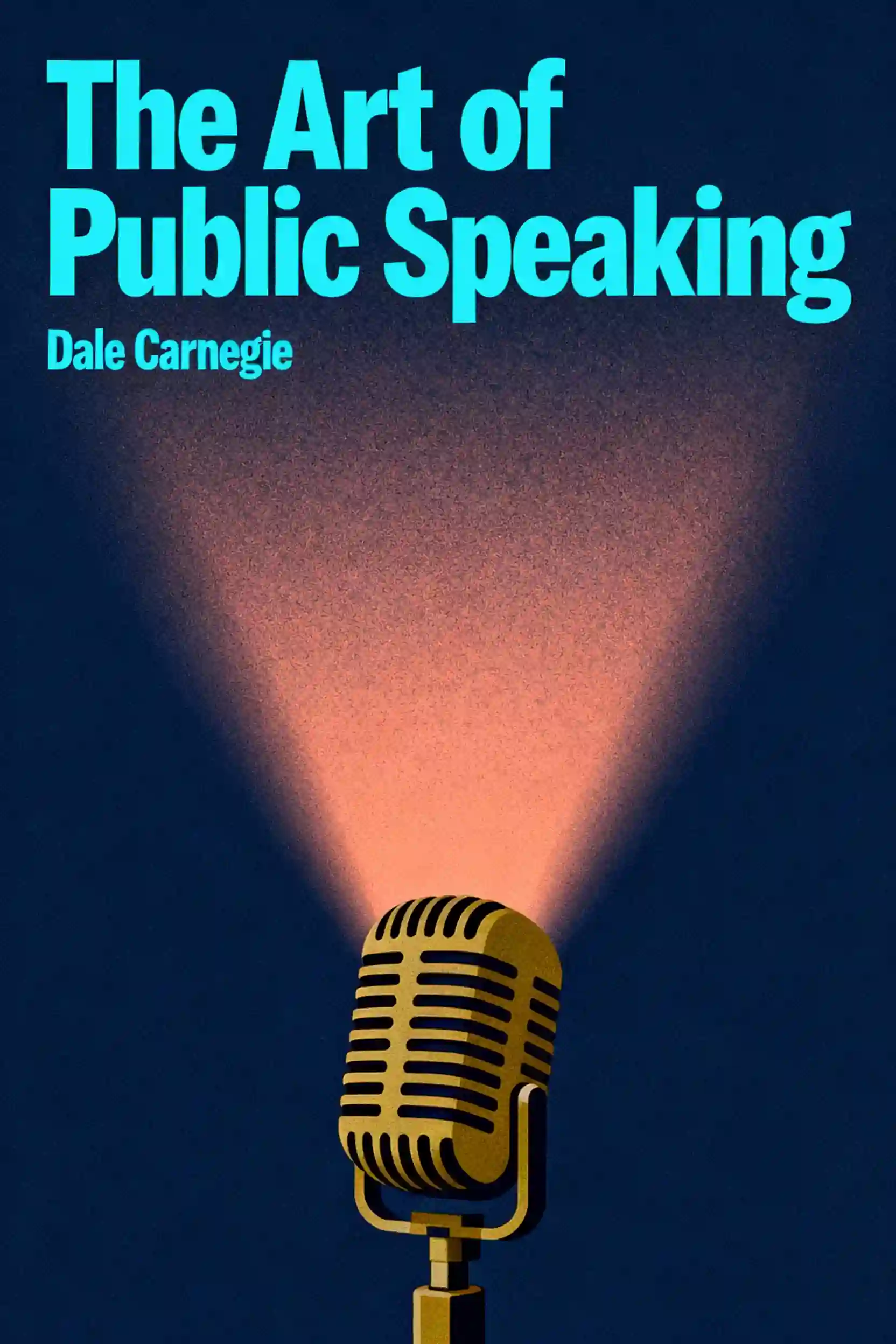
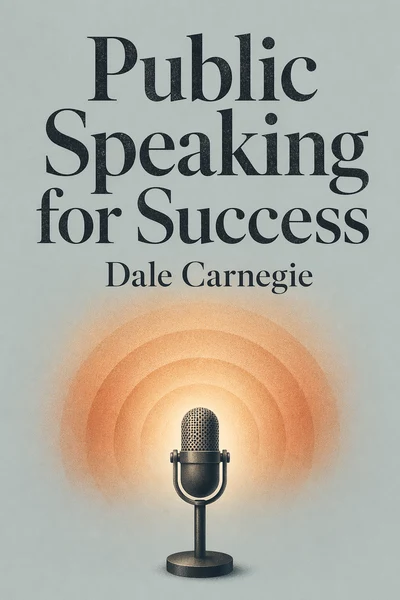
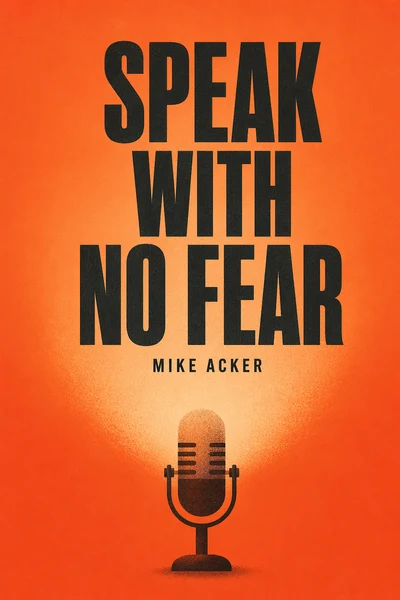
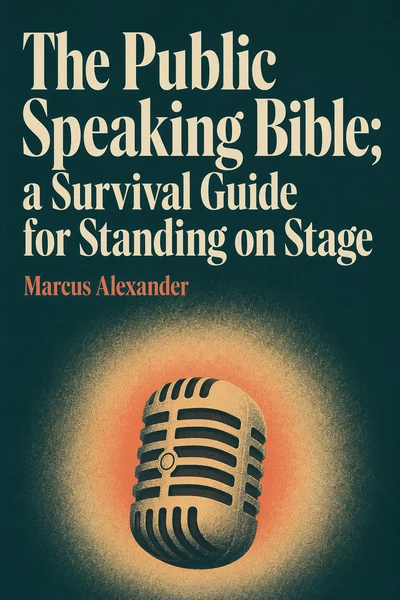
Preguntas frecuentes
Physiologically, anxiety and excitement are nearly identical states characterized by high arousal, including a racing heart and sweaty palms. Attempting to "calm down" requires the nervous system to make a massive leap from high arousal to low arousal, which is difficult to achieve under pressure. By practicing "arousal reappraisal" and labeling the feeling as excitement, you perform a lateral shift that keeps the energy but changes the internal narrative, viewing the physical rush as the body mobilizing resources to help you succeed.
CBT addresses glossophobia by targeting irrational "automatic thoughts," such as the belief that the audience is judging you harshly. It encourages speakers to look for realistic evidence rather than falling into traps like "mind reading." Additionally, CBT utilizes "exposure," which involves starting with small, low-stakes speaking tasks to retrain the brain to recognize that these situations are not actually dangerous, eventually building the "muscle" needed for larger presentations.
Establishing a grounded presence by standing with feet shoulder-width apart prevents nervous swaying and opens the chest for better breathing. Using diaphragmatic or "belly" breathing signals the nervous system to reduce adrenaline and restores mental clarity. Furthermore, maintaining eye contact with individuals for about three seconds—the length of a complete thought—transforms a daunting public speech into a series of intimate, manageable conversations.
Memorizing a verbatim script often increases anxiety because the speaker becomes terrified of forgetting a single "perfect" word, which can lead to freezing if they lose their place. Structured preparation focuses on key points, transitions, and "anchors" while leaving the middle flexible. This approach allows for a more natural, conversational flow and enables the speaker to use storytelling and intentional pauses, which the audience perceives as a sign of confidence and authority.
Virtual reality platforms allow speakers to engage in exposure therapy within realistic digital environments, such as conference halls, without real-world stakes. For those without VR, recording a video on a phone is a highly effective way to identify nervous habits like filler words or fidgeting. By seeing these behaviors on camera, they shift from being mysterious personality flaws to specific, manageable habits that can be adjusted through consistent, daily practice.
Creado por exalumnos de la Universidad de Columbia en San Francisco
"Instead of endless scrolling, I just hit play on BeFreed. It saves me so much time."


"I never knew where to start with nonfiction—BeFreed’s book lists turned into podcasts gave me a clear path."


"Perfect balance between learning and entertainment. Finished ‘Thinking, Fast and Slow’ on my commute this week."
"Crazy how much I learned while walking the dog. BeFreed = small habits → big gains."
"Reading used to feel like a chore. Now it’s just part of my lifestyle."

"Feels effortless compared to reading. I’ve finished 6 books this month already."
"BeFreed turned my guilty doomscrolling into something that feels productive and inspiring."

"BeFreed turned my commute into learning time. 20-min podcasts are perfect for finishing books I never had time for."
"BeFreed replaced my podcast queue. Imagine Spotify for books — that’s it. 🙌"

"It is great for me to learn something from the book without reading it."
"The themed book list podcasts help me connect ideas across authors—like a guided audio journey."
"Makes me feel smarter every time before going to work"
 Ask ChatGPT
 Ask Claude
Creado por exalumnos de la Universidad de Columbia en San Francisco
"Instead of endless scrolling, I just hit play on BeFreed. It saves me so much time."
"I never knew where to start with nonfiction—BeFreed’s book lists turned into podcasts gave me a clear path."
"Perfect balance between learning and entertainment. Finished ‘Thinking, Fast and Slow’ on my commute this week."
"Crazy how much I learned while walking the dog. BeFreed = small habits → big gains."
"Reading used to feel like a chore. Now it’s just part of my lifestyle."
"Feels effortless compared to reading. I’ve finished 6 books this month already."
"BeFreed turned my guilty doomscrolling into something that feels productive and inspiring."
"BeFreed turned my commute into learning time. 20-min podcasts are perfect for finishing books I never had time for."
"BeFreed replaced my podcast queue. Imagine Spotify for books — that’s it. 🙌"
"It is great for me to learn something from the book without reading it."
"The themed book list podcasts help me connect ideas across authors—like a guided audio journey."
"Makes me feel smarter every time before going to work"
"Instead of endless scrolling, I just hit play on BeFreed. It saves me so much time."
"I never knew where to start with nonfiction—BeFreed’s book lists turned into podcasts gave me a clear path."
"Perfect balance between learning and entertainment. Finished ‘Thinking, Fast and Slow’ on my commute this week."
"Crazy how much I learned while walking the dog. BeFreed = small habits → big gains."
"Reading used to feel like a chore. Now it’s just part of my lifestyle."
"Feels effortless compared to reading. I’ve finished 6 books this month already."
"BeFreed turned my guilty doomscrolling into something that feels productive and inspiring."
"BeFreed turned my commute into learning time. 20-min podcasts are perfect for finishing books I never had time for."
"BeFreed replaced my podcast queue. Imagine Spotify for books — that’s it. 🙌"
"It is great for me to learn something from the book without reading it."
"The themed book list podcasts help me connect ideas across authors—like a guided audio journey."
"Makes me feel smarter every time before going to work"
"Instead of endless scrolling, I just hit play on BeFreed. It saves me so much time."
"I never knew where to start with nonfiction—BeFreed’s book lists turned into podcasts gave me a clear path."
"Perfect balance between learning and entertainment. Finished ‘Thinking, Fast and Slow’ on my commute this week."
"Crazy how much I learned while walking the dog. BeFreed = small habits → big gains."
"Reading used to feel like a chore. Now it’s just part of my lifestyle."
"Feels effortless compared to reading. I’ve finished 6 books this month already."
"BeFreed turned my guilty doomscrolling into something that feels productive and inspiring."
"BeFreed turned my commute into learning time. 20-min podcasts are perfect for finishing books I never had time for."
"BeFreed replaced my podcast queue. Imagine Spotify for books — that’s it. 🙌"
"It is great for me to learn something from the book without reading it."
"The themed book list podcasts help me connect ideas across authors—like a guided audio journey."
"Makes me feel smarter every time before going to work"





![Advanced Presentation Skills: What Senior Leaders Do Differently [2026]](/_next/image?url=https%3A%2F%2Fd1y2du6z1jfm9e.cloudfront.net%2Fassets%2Fpodcast%2Fyellow.png&w=1024&q=50)