BeFreed
    Categories>Psychology>Psycho-Cybernetics: Maxwell Maltz's Guide to Self-Image Psychology

    Psycho-Cybernetics: Maxwell Maltz's Guide to Self-Image Psychology

    31 min
    |
    |
    8 abr 2026
    PsychologyPersonal DevelopmentSelf Help

    Explore Maxwell Maltz's Psycho-Cybernetics. Learn how self-image psychology, visualization techniques, and mindset training can transform your personal development.

    Psycho-Cybernetics: Maxwell Maltz's Guide to Self-Image Psychology

    Mejor cita de Psycho-Cybernetics: Maxwell Maltz's Guide to Self-Image Psychology

    “

    The nervous system cannot tell the difference between a vividly imagined experience and a real one. When you imagine something with enough detail and emotion, your brain records it as a memory of something that actually happened.

    ”

    Esta lección de audio fue creada por un miembro de la comunidad BeFreed

    Pregunta de entrada

    Pchyco Cybernetics

    Voces del presentador
    Lenaplay
    Milesplay
    Estilo de aprendizaje
    Profundo
    Fuentes de conocimiento
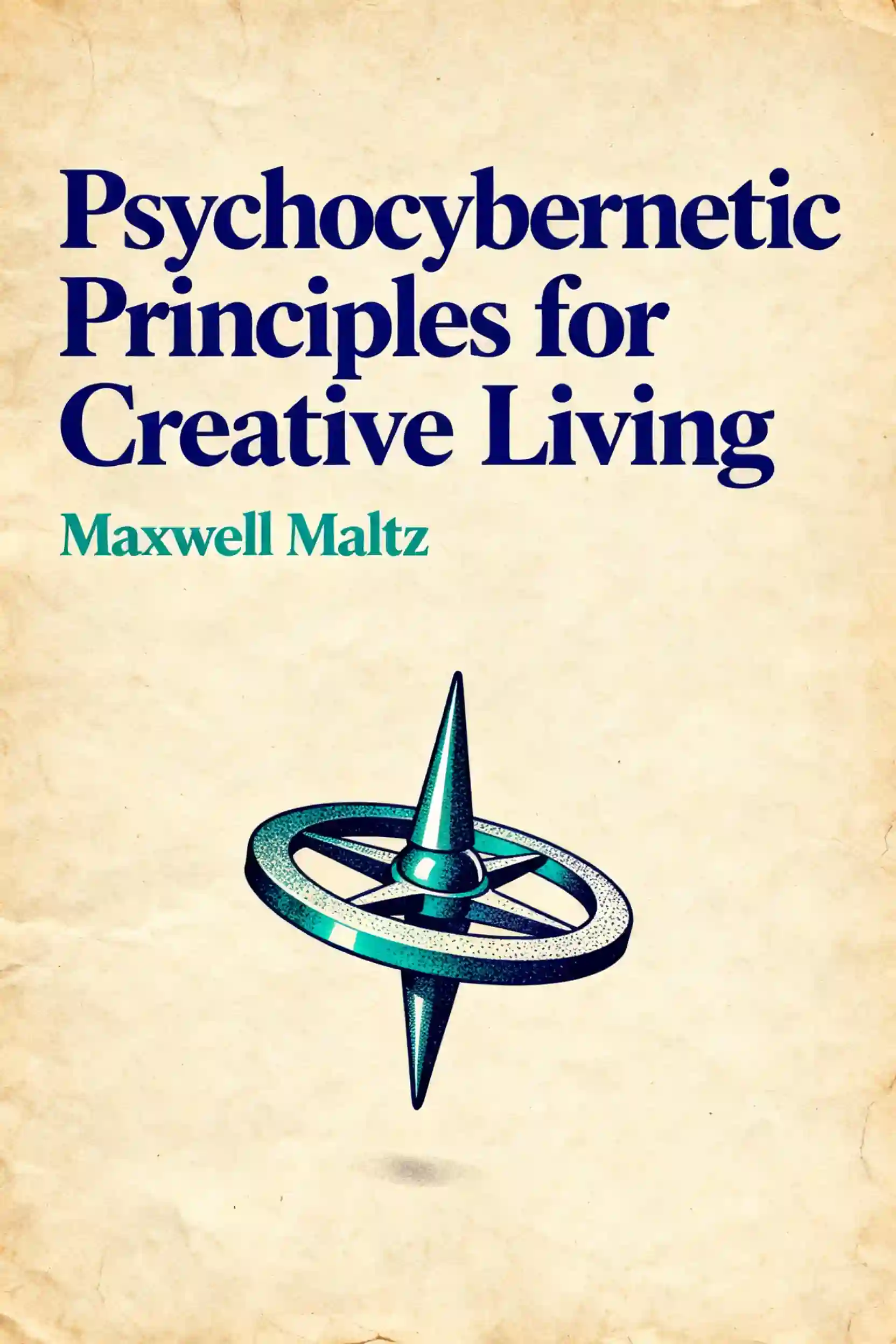
    Psycho-Cybernetic Principles For Creative Living
    The Master Key System
    Psycho-Cybernetics
    Confident Mind
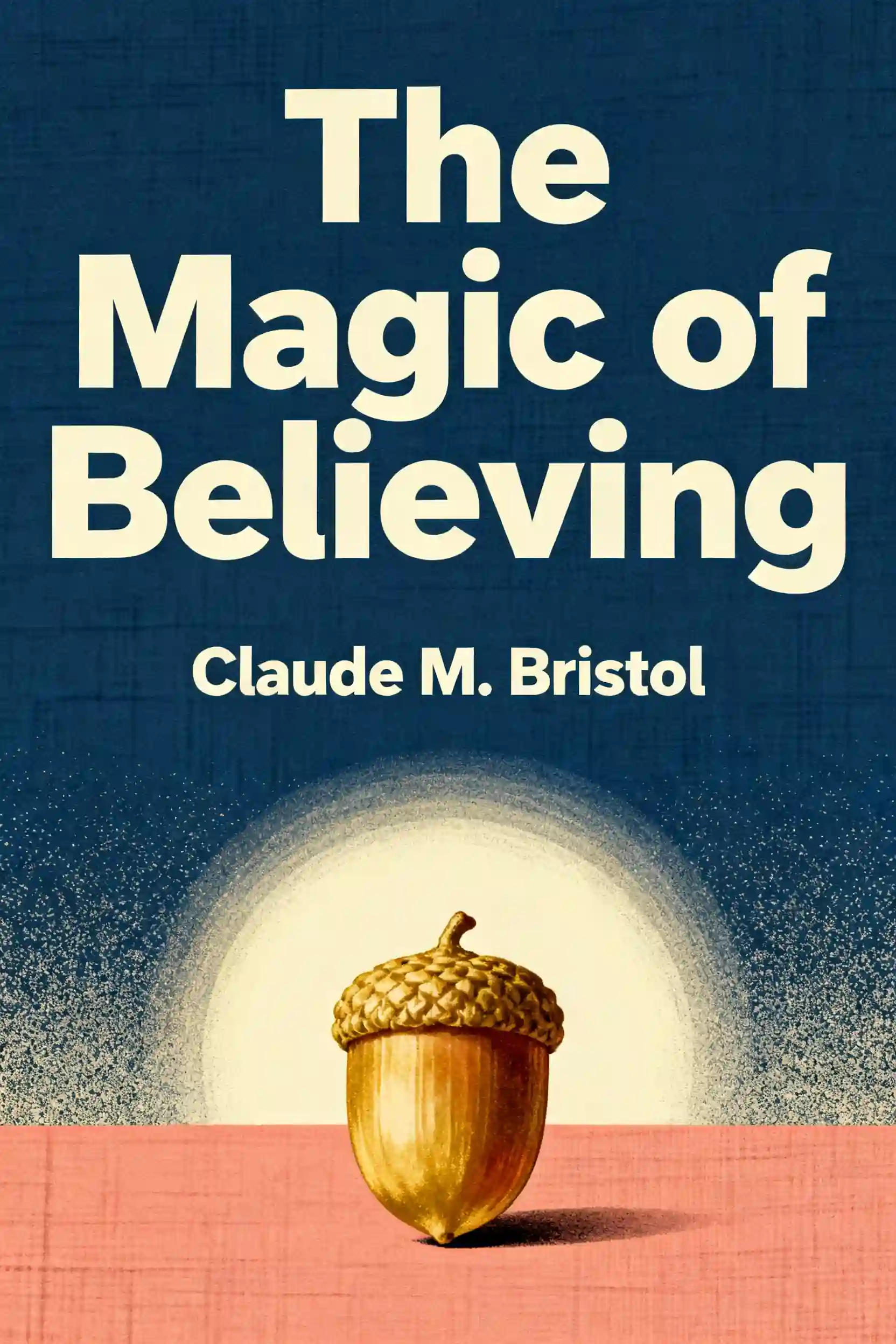
    Magic of Believing
    Beliefs

    Preguntas frecuentes

    Descubre más

    Changing mindset

    Changing mindset

    PLAN DE APRENDIZAJE

    Changing mindset

    This plan is designed for individuals feeling stuck in stagnant patterns or held back by a harsh inner critic. It provides a science-backed framework to transition from self-limitation to a growth-oriented life by leveraging neuroplasticity and resilience tools.

    2 h 48 m•4 Secciones
    Strengthen My Mindset

    Strengthen My Mindset

    PLAN DE APRENDIZAJE

    Strengthen My Mindset

    This plan is essential for high achievers and professionals looking to overcome mental blocks and build lasting cognitive resilience. It bridges the gap between foundational neuroscience and practical psychological strategies to help anyone master their internal narrative.

    2 h 27 m•4 Secciones
    Explore Self-Improvement, Mind & Psychology

    Explore Self-Improvement, Mind & Psychology

    PLAN DE APRENDIZAJE

    Explore Self-Improvement, Mind & Psychology

    This plan is essential for anyone seeking to master their internal world and improve their social dynamics. It is ideal for individuals looking to replace sheer willpower with psychological systems for personal growth and better relationships.

    3 h 4 m•4 Secciones
    Learn psychology & mindset

    Learn psychology & mindset

    PLAN DE APRENDIZAJE

    Learn psychology & mindset

    Psychology and mindset mastery are fundamental to personal and professional success, yet most people operate on autopilot without understanding the mental patterns that control their outcomes. This learning plan is essential for anyone seeking to gain greater self-awareness, make better decisions, and create lasting positive change in their life—from professionals looking to enhance performance to individuals committed to personal growth and behavioral transformation.

    3 h 8 m•4 Secciones
    Mindset, Communication & Financial Freedom

    Mindset, Communication & Financial Freedom

    PLAN DE APRENDIZAJE

    Mindset, Communication & Financial Freedom

    This comprehensive plan bridges the gap between internal psychology and external success by combining mindset shifts with practical social and financial skills. It is ideal for ambitious individuals seeking to break through career plateaus and achieve total life autonomy.

    1 h 48 m•4 Secciones
    Mind, Habits & Philosophy for Growth

    Mind, Habits & Philosophy for Growth

    PLAN DE APRENDIZAJE

    Mind, Habits & Philosophy for Growth

    This plan bridges the gap between modern neuroscience and classical philosophy to provide a comprehensive framework for self-mastery. It is ideal for professionals and lifelong learners seeking to optimize their mental performance, break stagnant patterns, and build a resilient mindset for a volatile world.

    2 h 13 m•4 Secciones
    Shift Identity, Self-Image & Communication

    Shift Identity, Self-Image & Communication

    PLAN DE APRENDIZAJE

    Shift Identity, Self-Image & Communication

    This plan is essential for professionals and individuals feeling held back by old labels or social anxiety. It provides a psychological roadmap for anyone looking to reinvent their public persona and master the art of high-stakes interpersonal influence.

    2 h 10 m•4 Secciones
    Mindset, Productivity & CE Life Balance

    Mindset, Productivity & CE Life Balance

    PLAN DE APRENDIZAJE

    Mindset, Productivity & CE Life Balance

    This plan is essential for professionals and entrepreneurs struggling with burnout and digital distraction in a high-pressure environment. It provides the cognitive tools and structural systems needed to achieve elite performance without sacrificing personal health or relationships.

    2 h 18 m•4 Secciones

    Creado por exalumnos de la Universidad de Columbia en San Francisco

    BeFreed Reúne a una Comunidad Global de 1,000,000 Mentes Curiosas
    Ver más sobre cómo se habla de BeFreed en la web

    "Instead of endless scrolling, I just hit play on BeFreed. It saves me so much time."

    @Moemenn
    platform
    star
    star
    star
    star
    star

    "I never knew where to start with nonfiction—BeFreed’s book lists turned into podcasts gave me a clear path."

    @Chloe, Solo founder, LA
    platform
    comments
    12
    likes
    117

    "Perfect balance between learning and entertainment. Finished ‘Thinking, Fast and Slow’ on my commute this week."

    @Raaaaaachelw
    platform
    star
    star
    star
    star
    star

    "Crazy how much I learned while walking the dog. BeFreed = small habits → big gains."

    @Matt, YC alum
    platform
    comments
    12
    likes
    108

    "Reading used to feel like a chore. Now it’s just part of my lifestyle."

    @Erin, Investment Banking Associate , NYC
    platform
    comments
    254
    likes
    17

    "Feels effortless compared to reading. I’ve finished 6 books this month already."

    @djmikemoore
    platform
    star
    star
    star
    star
    star

    "BeFreed turned my guilty doomscrolling into something that feels productive and inspiring."

    @Pitiful
    platform
    comments
    96
    likes
    4.5K

    "BeFreed turned my commute into learning time. 20-min podcasts are perfect for finishing books I never had time for."

    @SofiaP
    platform
    star
    star
    star
    star
    star

    "BeFreed replaced my podcast queue. Imagine Spotify for books — that’s it. 🙌"

    @Jaded_Falcon
    platform
    comments
    201
    thumbsUp
    16

    "It is great for me to learn something from the book without reading it."

    @OojasSalunke
    platform
    star
    star
    star
    star
    star

    "The themed book list podcasts help me connect ideas across authors—like a guided audio journey."

    @Leo, Law Student, UPenn
    platform
    comments
    37
    likes
    483

    "Makes me feel smarter every time before going to work"

    @Cashflowbubu
    platform
    star
    star
    star
    star
    star

    Creado por exalumnos de la Universidad de Columbia en San Francisco

    BeFreed Reúne a una Comunidad Global de 1,000,000 Mentes Curiosas
    Ver más sobre cómo se habla de BeFreed en la web

    "Instead of endless scrolling, I just hit play on BeFreed. It saves me so much time."

    @Moemenn
    platform
    star
    star
    star
    star
    star

    "I never knew where to start with nonfiction—BeFreed’s book lists turned into podcasts gave me a clear path."

    @Chloe, Solo founder, LA
    platform
    comments
    12
    likes
    117

    "Perfect balance between learning and entertainment. Finished ‘Thinking, Fast and Slow’ on my commute this week."

    @Raaaaaachelw
    platform
    star
    star
    star
    star
    star

    "Crazy how much I learned while walking the dog. BeFreed = small habits → big gains."

    @Matt, YC alum
    platform
    comments
    12
    likes
    108

    "Reading used to feel like a chore. Now it’s just part of my lifestyle."

    @Erin, Investment Banking Associate , NYC
    platform
    comments
    254
    likes
    17

    "Feels effortless compared to reading. I’ve finished 6 books this month already."

    @djmikemoore
    platform
    star
    star
    star
    star
    star

    "BeFreed turned my guilty doomscrolling into something that feels productive and inspiring."

    @Pitiful
    platform
    comments
    96
    likes
    4.5K

    "BeFreed turned my commute into learning time. 20-min podcasts are perfect for finishing books I never had time for."

    @SofiaP
    platform
    star
    star
    star
    star
    star

    "BeFreed replaced my podcast queue. Imagine Spotify for books — that’s it. 🙌"

    @Jaded_Falcon
    platform
    comments
    201
    thumbsUp
    16

    "It is great for me to learn something from the book without reading it."

    @OojasSalunke
    platform
    star
    star
    star
    star
    star

    "The themed book list podcasts help me connect ideas across authors—like a guided audio journey."

    @Leo, Law Student, UPenn
    platform
    comments
    37
    likes
    483

    "Makes me feel smarter every time before going to work"

    @Cashflowbubu
    platform
    star
    star
    star
    star
    star

    "Instead of endless scrolling, I just hit play on BeFreed. It saves me so much time."

    @Moemenn
    platform
    star
    star
    star
    star
    star

    "I never knew where to start with nonfiction—BeFreed’s book lists turned into podcasts gave me a clear path."

    @Chloe, Solo founder, LA
    platform
    comments
    12
    likes
    117

    "Perfect balance between learning and entertainment. Finished ‘Thinking, Fast and Slow’ on my commute this week."

    @Raaaaaachelw
    platform
    star
    star
    star
    star
    star

    "Crazy how much I learned while walking the dog. BeFreed = small habits → big gains."

    @Matt, YC alum
    platform
    comments
    12
    likes
    108

    "Reading used to feel like a chore. Now it’s just part of my lifestyle."

    @Erin, Investment Banking Associate , NYC
    platform
    comments
    254
    likes
    17

    "Feels effortless compared to reading. I’ve finished 6 books this month already."

    @djmikemoore
    platform
    star
    star
    star
    star
    star

    "BeFreed turned my guilty doomscrolling into something that feels productive and inspiring."

    @Pitiful
    platform
    comments
    96
    likes
    4.5K

    "BeFreed turned my commute into learning time. 20-min podcasts are perfect for finishing books I never had time for."

    @SofiaP
    platform
    star
    star
    star
    star
    star

    "BeFreed replaced my podcast queue. Imagine Spotify for books — that’s it. 🙌"

    @Jaded_Falcon
    platform
    comments
    201
    thumbsUp
    16

    "It is great for me to learn something from the book without reading it."

    @OojasSalunke
    platform
    star
    star
    star
    star
    star

    "The themed book list podcasts help me connect ideas across authors—like a guided audio journey."

    @Leo, Law Student, UPenn
    platform
    comments
    37
    likes
    483

    "Makes me feel smarter every time before going to work"

    @Cashflowbubu
    platform
    star
    star
    star
    star
    star

    "Instead of endless scrolling, I just hit play on BeFreed. It saves me so much time."

    @Moemenn
    platform
    star
    star
    star
    star
    star

    "I never knew where to start with nonfiction—BeFreed’s book lists turned into podcasts gave me a clear path."

    @Chloe, Solo founder, LA
    platform
    comments
    12
    likes
    117

    "Perfect balance between learning and entertainment. Finished ‘Thinking, Fast and Slow’ on my commute this week."

    @Raaaaaachelw
    platform
    star
    star
    star
    star
    star

    "Crazy how much I learned while walking the dog. BeFreed = small habits → big gains."

    @Matt, YC alum
    platform
    comments
    12
    likes
    108

    "Reading used to feel like a chore. Now it’s just part of my lifestyle."

    @Erin, Investment Banking Associate , NYC
    platform
    comments
    254
    likes
    17

    "Feels effortless compared to reading. I’ve finished 6 books this month already."

    @djmikemoore
    platform
    star
    star
    star
    star
    star

    "BeFreed turned my guilty doomscrolling into something that feels productive and inspiring."

    @Pitiful
    platform
    comments
    96
    likes
    4.5K

    "BeFreed turned my commute into learning time. 20-min podcasts are perfect for finishing books I never had time for."

    @SofiaP
    platform
    star
    star
    star
    star
    star

    "BeFreed replaced my podcast queue. Imagine Spotify for books — that’s it. 🙌"

    @Jaded_Falcon
    platform
    comments
    201
    thumbsUp
    16

    "It is great for me to learn something from the book without reading it."

    @OojasSalunke
    platform
    star
    star
    star
    star
    star

    "The themed book list podcasts help me connect ideas across authors—like a guided audio journey."

    @Leo, Law Student, UPenn
    platform
    comments
    37
    likes
    483

    "Makes me feel smarter every time before going to work"

    @Cashflowbubu
    platform
    star
    star
    star
    star
    star
    1.5K Ratings4.7
    Comienza tu viaje de aprendizaje, ahora
    BeFreed App
    BeFreed

    Aprende Cualquier Cosa, Personalizado

    DiscordLinkedIn
    Resúmenes de libros destacados
    Crucial ConversationsThe Perfect MarriageInto the WildNever Split the DifferenceAttachedGood to GreatSay Nothing
    Categorías en tendencia
    Self HelpCommunication SkillRelationshipMindfulnessPhilosophyInspirationProductivity
    Lista de lectura de celebridades
    Elon MuskCharlie KirkBill GatesSteve JobsAndrew HubermanJoe RoganJordan Peterson
    Colección premiada
    Pulitzer PrizeNational Book AwardGoodreads Choice AwardsNobel Prize in LiteratureNew York TimesCaldecott MedalNebula Award
    Temas destacados
    ManagementAmerican HistoryWarTradingStoicismAnxietySex
    Mejores libros por año
    2025 Best Non Fiction Books2024 Best Non Fiction Books2023 Best Non Fiction Books
    Autores destacados
    Chimamanda Ngozi AdichieGeorge OrwellO. J. SimpsonBarbara O'NeillWinston ChurchillCharlie Kirk
    BeFreed vs otras apps
    BeFreed vs. Other Book Summary AppsBeFreed vs. ElevenReaderBeFreed vs. ReadwiseBeFreed vs. Anki
    Herramientas de aprendizaje
    Knowledge VisualizerAI Podcast Generator
    Información
    Sobre Nosotrosarrow
    Preciosarrow
    Preguntas Frecuentesarrow
    Blogarrow
    Carrerasarrow
    Asociacionesarrow
    Programa de Embajadoresarrow
    Directorioarrow
    BeFreed
    Try now
    © 2026 BeFreed
    Términos de UsoPolítica de Privacidad
    BeFreed

    Aprende Cualquier Cosa, Personalizado

    DiscordLinkedIn
    Resúmenes de libros destacados
    Crucial ConversationsThe Perfect MarriageInto the WildNever Split the DifferenceAttachedGood to GreatSay Nothing
    Categorías en tendencia
    Self HelpCommunication SkillRelationshipMindfulnessPhilosophyInspirationProductivity
    Lista de lectura de celebridades
    Elon MuskCharlie KirkBill GatesSteve JobsAndrew HubermanJoe RoganJordan Peterson
    Colección premiada
    Pulitzer PrizeNational Book AwardGoodreads Choice AwardsNobel Prize in LiteratureNew York TimesCaldecott MedalNebula Award
    Temas destacados
    ManagementAmerican HistoryWarTradingStoicismAnxietySex
    Mejores libros por año
    2025 Best Non Fiction Books2024 Best Non Fiction Books2023 Best Non Fiction Books
    Herramientas de aprendizaje
    Knowledge VisualizerAI Podcast Generator
    Autores destacados
    Chimamanda Ngozi AdichieGeorge OrwellO. J. SimpsonBarbara O'NeillWinston ChurchillCharlie Kirk
    BeFreed vs otras apps
    BeFreed vs. Other Book Summary AppsBeFreed vs. ElevenReaderBeFreed vs. ReadwiseBeFreed vs. Anki
    Información
    Sobre Nosotrosarrow
    Preciosarrow
    Preguntas Frecuentesarrow
    Blogarrow
    Carrerasarrow
    Asociacionesarrow
    Programa de Embajadoresarrow
    Directorioarrow
    BeFreed
    Try now
    © 2026 BeFreed
    Términos de UsoPolítica de Privacidad

    Puntos clave

    1

    The Blueprint of Your Inner Self

    0:00

    Lena: You know, Miles, I was thinking about how we often try to change our lives by pushing harder, but it feels like we’re hitting an invisible wall. It’s like there’s a thermostat for our potential that we just can’t nudge.

    0:12

    Miles: That is such a relatable way to put it. It actually reminds me of why Dr. Maxwell Maltz started this whole journey over sixty years ago. He was a plastic surgeon who noticed something wild—he’d give patients the "perfect" new face, but they’d still feel "ugly" inside. Their physical reality changed, but their happiness didn't.

    0:31

    Lena: That’s heartbreaking, but it makes so much sense. He realized the "mental picture" was the real driver, right?

    0:38

    Miles: Exactly. He coined the term "Psycho-Cybernetics" to describe steering your mind like a helmsman toward a productive goal. It’s about that internal self-image that controls everything we achieve.

    0:49

    Lena: I love that image of a helmsman. Let’s explore how we can start shifting that internal blueprint to find some real peace of mind.

    2

    The Success Mechanism Within

    0:58

    Miles: It’s interesting how Maltz looked at the brain not just as a piece of biological hardware, but as a "servo-mechanism." Think about a self-guided torpedo. Once it has a target, it doesn’t just travel in a perfectly straight line—it’s actually constantly making mistakes. It veers too far left, the internal system detects the error, and it nudges it back. Then it veers too far right, and it corrects again.

    1:22

    Lena: So it basically "zig-zags" its way to the target? That makes me feel so much better about my own mistakes. We usually view a "wrong turn" as a sign that we’re failing, but in cybernetics, the mistake is actually the data the system needs to find the goal.

    1:36

    Miles: Precisely. Maltz breaks it down into two types of these mechanisms. The first is when the target is known—like a torpedo or a person reaching for a pack of cigarettes in a dark room. You know what you want, and your creative mechanism uses feedback to get there. The second type is when the answer isn't known yet, but you’re searching for it—like a scientist trying to solve a problem. He mentions a fascinating quote from Norbert Wiener, basically saying that once a scientist attacks a problem he knows has an answer, he’s already fifty percent of the way there.

    2:09

    Lena: That’s a powerful shift in perspective. If I believe a solution exists, my brain starts scanning for it. But if I decide it’s impossible, I’ve basically unplugged the machine.

    0:38

    Miles: Exactly. And the "Success Mechanism" is essentially an automatic guidance system. For animals, it’s instinct—it’s preset for survival and replication. But humans have something extra: the Creative Imagination. We get to choose the target. We can set the goal to be a successful career, a healthy relationship, or just a state of inner peace. Our imagination is what feeds the coordinates into the system.

    2:46

    Lena: So, if I’m constantly imagining worst-case scenarios, am I accidentally setting a "failure target" for my own internal machinery?

    2:53

    Miles: That’s exactly what happens. The subconscious doesn’t judge the goal. It’s "impersonal." It just tries to hit whatever target you give it most frequently. If you’re rehearsing failure, the mechanism treats that as the destination. But the good news is that Maltz insists we can "dehypnotize" ourselves from those old, limiting targets.

    3:13

    Lena: Dehypnotize? That’s a strong word. It implies that we’re currently walking around in a bit of a trance based on past beliefs.

    3:20

    Miles: That was his big discovery. He saw that people who felt "ugly" or "inadequate" weren't reflecting a fact—they were under the spell of a belief. He often spoke about a "universal mind" that we can tap into once we clear away those mental blocks. He suggested that when we’re doing creative work, the answer often pops into our conscious mind when we least expect it—even in dreams—because the creative mechanism is working in the background while we sleep.

    3:49

    Lena: I’ve definitely had that happen. You struggle with a problem all day, give up, go to bed, and wake up with the answer. It’s like the helmsman stayed on duty while I took a nap.

    4:00

    Miles: Right. And to really get this working, Maltz actually recommended a specific practice. He suggested re-reading the concepts of the "Success Mechanism" three times a week for three weeks. The goal isn't just to "know" the information intellectually, but to become intimately familiar with how your internal machinery operates. It’s about building a relationship with that part of yourself that knows how to succeed.

    4:25

    Lena: It’s almost like learning to trust a pilot. Instead of white-knuckling it and trying to control every single micro-adjustment with our "willpower," we set the destination and let the system do the heavy lifting.

    0:38

    Miles: Exactly. Relaxed success. It sounds like a contradiction in our "hustle" culture, but in Psycho-Cybernetics, relaxation is actually the "unlock" for the creative mind. The more pressure you apply, the more the mechanism jams.

    3

    The Theater of the Mind

    4:52

    Lena: If our self-image is the target, how do we actually go about changing that picture? Especially if we’ve been looking at the same "flawed" portrait for years?

    5:02

    Miles: That’s where the "Creative Imagination" comes in as a practical tool. Maltz noticed that the nervous system cannot tell the difference between a vividly imagined experience and a real one. This is huge. When you imagine something with enough detail and emotion, your brain records it as a "memory" of something that actually happened.

    5:20

    Lena: Wait, so I can literally build a "history" of success in my head before I’ve even done the thing in real life?

    5:27

    Miles: That is exactly the point. He calls it "Mental Practice" or "Success Rehearsal." He’d point to people under hypnosis to prove this. If a hypnotized subject is told they are a champion athlete, they act like it. Their body follows the "reality" the hypnotist suggested. Maltz says we are all "hypnotized" by our own beliefs, so we have to use our imagination to "re-script" those beliefs.

    5:49

    Lena: It reminds me of that patient he had—the one who thought he was "ugly" because of his nose and ears. Maltz looked at him and saw a "classical Roman" nose and perfectly normal ears. The man’s misery wasn't coming from his face; it was coming from the "goal picture" he had in his mind of people laughing at him.

    4:00

    Miles: Right. And for that man, no surgery would have fixed the problem. He needed to change the "theatrical production" playing in his mind. Maltz suggests a very specific exercise for this: spend thirty minutes a day in a quiet place. Imagine you’re sitting in front of a large motion-picture screen, and on that screen, you’re watching a movie of yourself being the person you want to be.

    6:32

    Lena: Thirty minutes feels like a lot in our distracted world, but I guess if it’s literally rewriting your self-image, it’s a pretty small investment.

    6:41

    Miles: It’s about the "vividness." You aren't just thinking "I’m confident." You’re noticing the smallest details—the smells in the room, the feel of your clothes, the way your voice sounds when you speak with authority. You’re paying attention to the incidental things. The more "real" it feels, the more it creates those new memories in your mid-brain and central nervous system.

    7:02

    Lena: And those "memories" then start to act as the new data for the Success Mechanism?

    0:38

    Miles: Exactly. You start developing what he calls "new automatic reaction patterns." It’s like tying your shoes. You don't "will" yourself to tie your shoes anymore; you just do it because the pattern is stored. By mentally rehearsing a new way of being, you make that new behavior feel "natural."

    7:25

    Lena: I love the idea of "role-playing" in your head. Like, if I have a tough interview coming up, I can rehearse the objections, the questions, and my own calm responses. By the time I get there, my brain thinks, "Oh, I’ve done this a hundred times already."

    7:39

    Miles: You’ve hit the nail on the head. That’s why modern athletes and CEOs use this. It’s not just "positive thinking," which Maltz actually criticized. He said positive thinking is often like putting a new coat of paint over a rotten piece of wood. If you don't change the underlying self-image—the wood itself—the new paint won't stay. You have to change the blueprint.

    8:01

    Lena: It’s the difference between "trying to act confident" and "seeing yourself as a confident person." One is a struggle; the other is a natural expression of who you believe you are.

    8:13

    Miles: And Maltz is very clear: you act, and feel, and perform in line with what you imagine to be true about yourself. If you imagine you’re the type of person who is "bad at math" or "bad with people," your nervous system will actually sabotage you to make sure you stay "true" to that image. It’s trying to be consistent. So the only way out is to give it a new "truth" to be consistent with.

    8:39

    Lena: It’s almost like we’re giving our internal system permission to succeed. We’re saying, "It’s okay to be this version of myself now."

    8:47

    Miles: And that thirty-minute exercise is how you make that permission feel real. You’re essentially "editing the reels" of your past failures and replacing them with a more empowering narrative.

    4

    Dehypnotizing the Inferiority Complex

    8:59

    Miles: One of the biggest hurdles to this Success Mechanism is what Maltz calls the "Failure Mechanism," and at its heart is the feeling of inferiority. It’s wild because he says that feelings of inferiority don't come from facts or actual experiences—they come from our "conclusions" about those experiences.

    9:19

    Lena: So, it’s not that I failed a test; it’s that I decided failing that test means "I am a failure."

    0:38

    Miles: Exactly. And most of that comes from comparing ourselves to some "norm" or "average" that doesn't actually exist. He quotes Dr. Norton L. Williams, who said that modern anxiety comes from a lack of "self-realization"—we spend so much time trying to measure up to others that we never discover our own uniqueness.

    9:45

    Lena: That’s so true today, especially with social media. We’re comparing our "behind-the-scenes" with everyone else’s "highlight reel."

    9:52

    Miles: Maltz says inferiority and superiority are actually two sides of the same coin. Both are based on the idea that you have to "measure up." If you’re striving for superiority, you’re just trying to prove you aren't inferior. But neither of those is a "genuine" way of living. A genuine life is based on the realization that you are unique and incomparable. You can’t be "better" or "worse" than someone else because you aren't running the same race.

    10:20

    Lena: I love that. "I’m not in competition with you because I’m the only one in my lane." But how do we actually stop those old, habitual feelings of being "less than"?

    10:30

    Miles: This is where his "dehypnotization" technique gets really practical. He tells the story of a doctor friend of his, Dr. Alder. As a kid, Alder’s teacher told him he was "dumb in mathematics." His parents believed it, he believed it, and his grades reflected it. He was "hypnotized" by that label. Then one day, he had a flash of insight—he decided he wanted to solve a problem the rest of the class couldn't. He walked up to the board, solved it, and the "spell" was broken. He went on to be an excellent student.

    10:59

    Lena: So, he just needed one "counter-evidence" to break the hypnosis?

    11:03

    Miles: Yes, but Maltz adds a really important layer here: physical relaxation. He says that trying to "will" yourself out of a limiting belief often backfires. It’s like trying to "fight" a worry—the more you resist it, the more energy you give it. He cites Dr. Matthew N. Chappell, who says that "willpower" used against worry actually keeps the worry going.

    11:26

    Lena: So, the harder I try to "not feel inferior," the more I’m reminding myself that I feel inferior?

    0:38

    Miles: Exactly. The key is to relax the body so the mind can follow. He offers these really vivid mental exercises for relaxation. Like, imagine your legs are made of heavy concrete, sinking deep into the mattress. Or imagine your body is a marionette doll with the strings gone completely slack—your jaw dropping, your limbs limp.

    11:56

    Lena: I can almost feel my shoulders dropping just hearing that. It’s like we’re clearing the "noise" so the Success Mechanism can actually hear the new instructions.

    4:00

    Miles: Right. He even suggests a "memory room" exercise. Go back to a time in your life when you felt totally at peace. Maybe it’s fishing by a lake or sitting in front of a crackling fire. You don't just "think" about it; you recall the incidental details—the sound of the water, the smell of the woodsmoke, the feeling of the sun on your skin. By "practicing" that feeling of relaxation for thirty minutes a day, you’re training your nervous system to return to that "baseline" of calm.

    12:36

    Lena: And once we’re in that relaxed state, the "hypnosis" of our old failures starts to lose its grip. We’re no longer in a state of "threat," so we can actually see our potential more clearly.

    0:38

    Miles: Exactly. Relaxation is a tool for dehypnotizing. It’s about letting go of the "strain" of trying to be someone else or trying to meet an impossible standard. It allows your "Natural Performance" to take over—the version of you that functions best when you aren't over-thinking it.

    13:03

    Lena: It’s so counter-intuitive. We think we have to "work hard" to change our personality, but Maltz is saying we have to "relax" into our true self.

    13:11

    Miles: "Effortless success." It’s a recurring theme. When the self-image is healthy and the body is relaxed, the Success Mechanism just works. It’s like a pilot who doesn't have to fight the controls because the plane is already trimmed and balanced.

    5

    The Science of the "Looking at Nothing" Effect

    13:25

    Lena: You know, it’s fascinating to see how modern science is actually backing up what Maltz was saying sixty years ago. I was looking at some recent research from early 2026—just a couple of months ago—about eye movements and mental imagery.

    13:41

    Miles: Oh, is this the "Looking at Nothing" effect? I’ve heard of that.

    Lena: Yeah! It’s this phenomenon where, when we imagine a scene, our eyes actually move as if we’re looking at it, even if we’re staring at a blank wall. Scientists like Enea Weber and Fred Mast just published a study in January 2026 showing that our eye movements during imagery aren't just a "replay" of what we saw before—they actually reflect a "part-by-part" construction process.

    14:09

    Miles: That fits perfectly with Maltz’s "theatre of the mind." If the brain "sees" the imagined image as a real event, it makes sense that the eyes would follow the "script" we’re writing.

    0:38

    Lena: Exactly. The researchers used something called a "gaze-contingent window"—which is basically like tunnel vision—and an "artificial scotoma," which blocks the center of your vision. They found that when we imagine things, our gaze patterns look almost exactly like they do when we’re building a picture "piece-by-piece." It’s like we’re "assembling" our mental reality.

    14:40

    Miles: That’s a great way to put it. It’s not just a "static" picture we’re holding in our heads; it’s an active "generation." And if we’re building our self-image part-by-part, the eyes are literally helping the brain "bind" those spatial details together.

    14:55

    Lena: And here’s the kicker: the study found that this "part-based" construction happens regardless of how we originally saw the image. Whether we saw it holistically or through a tiny window, the "imagination" always builds it piece-by-piece. This suggests that "imagining" is a unique process of the mind—it’s "vision in reverse."

    15:14

    Miles: It’s like Maltz said—the imagination is the "Creative Mechanism." It’s not just a memory bank; it’s a workshop. And if we want to change our self-image, we have to go into that workshop and start "assembling" new pieces of evidence.

    15:29

    Lena: Right! And the researchers also mentioned "recurrence"—the tendency of the eyes to keep returning to the same spots. During imagery, we refixate on the same "parts" of our mental image to keep them from fading. It’s like "refreshing" a fragile internal representation.

    15:44

    Miles: That explains why Maltz was so adamant about the "thirty minutes a day" and the "incidental details." If we don't keep "refixating" on the details of our new self-image, the old "failure-based" image will just naturally take over again. We have to "refresh" the new version until it becomes stable.

    16:01

    Lena: It also connects back to that "Success Mechanism" zig-zagging. If our eyes are constantly scanning and correcting as we build our mental images, we’re literally training our brain’s "cybernetic" guidance system through our gaze.

    16:13

    Miles: It’s amazing to think that something as simple as where we move our eyes while we’re "staring at nothing" is actually part of how we’re programming our future behavior. It gives a whole new meaning to "visualizing success."

    16:24

    Lena: Totally. It’s not just a "metaphor." It’s a physiological process of spatial binding. We’re literally "anchoring" our goals into the physical structure of our brain’s mapping system.

    16:35

    Miles: And the more "stereotypical" and "sequential" those eye movements are, the more they help reduce cognitive load. By moving our eyes in a consistent way, we make the mental image easier to maintain. It becomes a "habit" of the mind, just like Maltz said.

    16:51

    Lena: It’s like we’re building a "mental blueprint" that our brain can finally trust. And once it trusts the blueprint, it starts building the "house" of our actual life to match it.

    6

    The Feedback Loop of Failure

    17:02

    Miles: Now, we can’t talk about success without talking about the "Failure Mechanism." Maltz was a doctor, so he looked at negative emotions like a physician looks at symptoms. If you have a fever, the fever isn't the "enemy"—it’s a "danger signal" telling you to take corrective action.

    17:18

    Lena: So, things like frustration or insecurity aren't just "bad luck"—they’re "feedback data" for our internal guidance system?

    0:38

    Miles: Exactly. He actually created an acronym for the symptoms of a "Failure-Type Personality"—FAILURE. It stands for Frustration, Aggressiveness (misdirected), Insecurity, Loneliness, Uncertainty, Resentment, and Emptiness.

    17:39

    Lena: Wow, that’s a heavy list. Let’s break some of those down. Frustration, for instance—we all feel that.

    17:45

    Miles: Maltz says chronic frustration means either your goals are unrealistic or you’re trying to hit them in a way that’s totally futile. It’s like a head full of steam with nowhere to go. And if that steam isn't channeled into a goal, it turns into "misdirected aggressiveness."

    18:02

    Lena: Like lashing out at people who have nothing to do with the problem?

    4:00

    Miles: Right. He mentions a study by Dr. Konrad Lorenz about how animals can’t even show affection until they’ve properly channeled their aggression. If we don't have a "target" to work toward aggressively, that energy turns inward and causes things like ulcers, or it turns outward as pointless anger. He actually suggests "writing a letter" to someone you’re angry at—pulling out all the stops—and then burning it, just to get that energy out of your system.

    18:32

    Lena: And what about Insecurity? That feels like the "big one" for a lot of us.

    18:37

    Miles: Insecurity, according to Maltz, comes from a "self-concept of inner inadequacy." We’re comparing ourselves to an "imagined perfect self" that doesn't exist. He even warns that an "attitude of superiority" is just another form of insecurity. If you have to feel "better" than everyone, you’re still trapped in that comparison loop.

    18:58

    Lena: That makes sense. If you’re truly secure, you don't need to be "superior." You just... are.

    0:38

    Miles: Exactly. And then there’s Resentment—this one is fascinating. The word comes from "re" and "sentire"—to "feel again." It’s the emotional "rehashing" of past wrongs. Maltz says resentment is an attempt to make our own failure "easier" by blaming others. It’s like blowing up your own ego by feeling "wronged."

    19:26

    Lena: "I would be successful if it weren't for them." It’s a way of avoiding responsibility.

    19:31

    Miles: And that’s the danger. Resentment is inconsistent with goal-striving. If you’re a victim, you’ve given your power over to the person you resent. You’re no longer the "helmsman." You’re just a passenger on someone else’s ship.

    19:44

    Lena: So, how do we use these "negative symptoms" to steer us back?

    19:48

    Miles: He says we need to treat them as "corrective feedback." When you feel resentment or emptiness—which he says is the symptom of not living creatively—you don't wallow in it. You say, "Okay, this signal is alerting me that I’ve lost my target." You acknowledge the negative, understand it’s a "danger signal," and then take immediate action to re-aim at a worthwhile goal.

    20:11

    Lena: It’s like the "check engine" light in a car. You don't get mad at the light; you just check the engine.

    4:00

    Miles: Right. And people who have a strong "Success Mechanism" don't sit around contemplating the "meaninglessness of life." They’re too busy striving for a purpose. Emptiness is just the "Success Mechanism" being idle. It’s like a high-performance engine that’s just sitting in neutral, vibrating the whole car because it’s not engaged with a gear.

    20:36

    Lena: So, the "cure" for emptiness isn't "thinking about life"—it’s "getting a goal."

    20:41

    Miles: "Purpose thinking." As long as you’re aiming at something, the mechanism is happy. It’s the "striving" that matters.

    7

    Performance Under Pressure

    20:48

    Lena: I was reading about a really interesting clinical trial from January 2026—just a few months ago—that looked at "Fear of Failure" and how we can use imagery to change our emotional response to memories of criticism.

    21:02

    Miles: That sounds like a direct modern test of Maltz’s theories.

    21:06

    Lena: It really is! It was a study with 180 young adults who had high levels of "fear of failure"—often rooted in childhood memories of being criticized. They compared "Imagery Exposure"—where you just replay the memory—with "Imagery Rescripting," where you actually change the ending of the memory.

    10:20

    Miles: Oh, I love that. "Rescripting" is exactly what Maltz was talking about with the "theater of the mind."

    21:30

    Lena: Exactly! And the results were fascinating. Both techniques helped, but "Imagery Rescripting" had a unique mechanism: "Prediction Error." Basically, when the participant imagined the memory but then introduced a "protective figure"—like a therapist—who prevented the criticism, it created a "surprise" in the brain.

    21:51

    Miles: A "violation of expectancy." It’s like the brain says, "Wait, this didn't go the way I thought it would."

    15:29

    Lena: Right! And that "surprise" was measured by a spike in skin conductance—a physiological sign of arousal. The study found that the "Prediction Error"—that moment of surprise—actually predicted how much the person’s "fear of failure" would decrease after the treatment. It’s like the surprise "opened" the memory so it could be updated with new, positive information.

    22:19

    Miles: That is so cool. It shows that we aren't just "overwriting" memories; we’re "re-evaluating" them. When we "rescript" a past failure in our minds, we’re telling our Success Mechanism, "The old rules don't apply anymore."

    22:33

    Lena: And it wasn't just "thinking happy thoughts." It was an "intense emotional engagement." They found that the improvements in "fear of failure" and physiological stress were stable for at least six months.

    22:46

    Miles: That’s a huge win for the "Psycho-Cybernetics" approach. It proves that the "Success Mechanism" can be "re-programmed" by intentionally introducing these "Prediction Errors" in our mental rehearsal. If we always imagine things going the way they always have, we stay stuck. But if we "surprise" our brain with a new, successful outcome, it actually "updates" our self-image.

    23:09

    Lena: There was also another study from 2016 about "Static" versus "Dynamic" imagery in basketball players. They found that "Dynamic Motor Imagery"—where you move your body slightly while imagining the action—was even more effective than just sitting still.

    23:25

    Miles: "Embodying" the imagery. That makes sense—it adds another layer of "feedback" to the Success Mechanism.

    23:31

    Lena: But here’s the catch: that "dynamic" advantage disappeared when the athletes were physically exhausted. When they were "tired," their body’s feedback was "noisy," so the "Static" imagery actually worked better.

    23:45

    Miles: That is such a practical insight. It means if we’re under a lot of stress or fatigue, we might need to rely more on that "relaxed, static visualization" to avoid "erroneous updates" to our self-image. If your body is screaming "I’m tired," it’s hard to convince your brain that you’re "performing effortlessly."

    15:29

    Lena: Right! It’s about the "mismatch" between the actual and the predicted state. If we’re exhausted, we should probably stick to the "theater of the mind" until we’ve recovered enough to "embody" the success.

    24:16

    Miles: It all goes back to "Relaxation." Whether it’s rescripting a childhood memory or practicing a free-throw, the goal is to make the "Success Picture" as clear and "noise-free" as possible.

    24:28

    Lena: And when we do that, we’re not just "dreaming." We’re literally "re-calibrating" the guidance system for our next real-world action.

    8

    The Practical Playbook for Your Mind

    24:36

    Lena: So, Miles, if we’re going to give our listeners a "playbook" for applying this starting today, what are the big "takeaways"? It feels like it starts with that "thermostat" idea we talked about at the very beginning.

    24:48

    Miles: Absolutely. Step one is "Awareness." You have to realize that you aren't fighting "reality"—you’re fighting your "Self-Image." If you find yourself hitting that "invisible wall," stop and ask: "What is the picture I’m holding of myself in this situation?" Am I seeing myself as the person who "always messes up" or the person who "can’t handle pressure"?

    25:10

    Lena: And once we identify that "Failure Image," we don't just "try harder." We go to the "Theater of the Mind."

    4:00

    Miles: Right. Step two: "Mental Rehearsal." Set aside that thirty minutes—or even fifteen if you’re starting out. Close your eyes and watch that "mental movie." But—and this is the key—don't just watch it as an observer. "Step into" the movie. Feel the concrete weight of your legs as you relax. Hear the sounds of success. Make it so vivid that your nervous system can’t tell it’s not happening.

    25:42

    Lena: I love the "Prediction Error" idea too. In that mental movie, we should intentionally "rescript" our typical sticking points. If I usually get nervous during a presentation, I should imagine the moment I start to feel that "tug" of anxiety, and then "rescript" it to me taking a deep breath and feeling a wave of calm instead.

    0:38

    Miles: Exactly. "Surprise" your brain with a better outcome. And step three: "Use Failure as Feedback." When you feel those "FAILURE" symptoms—resentment, frustration, insecurity—don't judge yourself. Just say, "Oh, there’s my fever. I’m off-course." Use it as a signal to re-aim at your goal.

    26:23

    Lena: And don't forget "Physical Relaxation." If we’re too tense, the "Success Mechanism" jams. We have to "let go" of the steering wheel a bit and trust the automatic pilot.

    4:37

    Miles: "Relaxed Success." It’s about "acting as if." Maltz says happiness is a habit. If you start "acting as if" you are already the person you want to be—if you practice the "mannerisms" of confidence—your emotions will eventually catch up. The mind learns through repetition.

    26:50

    Lena: It’s like that "looking at nothing" study. Even if there’s "nothing there" yet in your physical reality, where you "aim your eyes" in your mind is creating the structure for what’s coming next.

    27:02

    Miles: And remember: "You are not your mistakes." You are the person who can "correct" them. The past is just "data." It’s not a "destiny." You can edit the reels of your life starting right now.

    27:15

    Lena: I think that’s so empowering. We don't need a "new life." We just need a "new self-image." Everything else—the confidence, the happiness, the results—those are just the "automatic" outputs of the new blueprint.

    27:28

    Miles: It’s a "Cybernetic" truth. Change the target, and the guidance system will find the way. You don't have to know "how" yet. You just have to know "where."

    27:37

    Lena: And trust that your "Creative Mechanism" is a lot smarter than your "willpower."

    27:43

    Miles: "Zig-zagging" all the way to the goal.

    9

    The Power of the New Blueprint

    27:47

    Miles: You know, Lena, as we’ve been talking, it strikes me that the most radical thing Dr. Maltz suggested wasn't just that we "can" change, but that we "must" change our self-image if we want any other change to stick. It’s the ultimate "root cause" analysis of a human life.

    28:04

    Lena: It really is. It shifts the focus from "what am I doing wrong?" to "who do I think I am?" And that second question is so much more compassionate. It allows us to look at our "failure mechanisms" not as flaws, but as "misprogramming."

    28:19

    Miles: "You’re not broken; you’re just running old software." And we have the "source code" in our imagination. I think about that "Looking at Nothing" research again—how our eyes literally "build" our mental world piece-by-piece. It’s a reminder that we are the "architects" of our internal theater.

    28:36

    Lena: It’s a beautiful thought to hold onto. Every time we take fifteen or thirty minutes to "visualize" a more peaceful, confident version of ourselves, we are literally "laying bricks" in a new foundation. We’re "refreshing" a new reality until it becomes the dominant one.

    28:52

    Miles: And it’s not a "one-and-done" thing. It’s a "cumulative" effect. Maltz says that the "Success Mechanism" learns. Every time we "rescript" a memory or "practice" a new response, we’re making it easier for the brain to find that "path" the next time.

    29:09

    Lena: So, to everyone listening, maybe today is the day you just "stop fighting" the old you. Instead of trying to "fix" the person you’ve been, what if you just started "rehearsing" the person you want to be?

    29:20

    Miles: Spend some time in that "Theater of the Mind." Pay attention to the "incidental details"—the feel of the sun, the sound of a calm voice, the sensation of "relaxed success." Your brain is waiting for those new coordinates.

    29:35

    Lena: It’s a gentle invitation for self-discovery. You don't need to "hustle" your way into a new life. You just need to "relax" into a new blueprint.

    29:44

    Miles: And remember, even when you "zig-zag"—even when you feel those "danger signals" of frustration or insecurity—that’s just the system working. It’s just "data." Acknowledge it, re-aim, and trust the helmsman.

    30:01

    Lena: I’m definitely going to try that "concrete legs" relaxation exercise tonight. It feels like a good way to "unplug" the day’s stress and clear the screen for some better programming.

    30:11

    Miles: It’s a powerful reset. And as you do it, just remind yourself: "I am not my past. I am the person who is creating my future, one mental picture at a time."

    30:25

    Lena: Thank you all for joining us on this deep dive into the mind’s inner machinery. It’s been a fascinating journey exploring how we can all become the "helmsmen" of our own lives.

    30:34

    Miles: We hope you take a moment today to reflect on your own "inner blueprint." What’s one small "rescript" you can make in your mental movie tonight?

    30:44

    Lena: Take care of yourselves, and remember—your mind is both the prison and the key. You already have the key. You just have to start turning it. Thanks for listening.

    30:54

    Miles: Thanks for being here. Reflect on those goals, and we'll see where the Success Mechanism takes you.

    Más como esto

    podcast cover
    Psycho-Cybernetic Principles For Creative LivingPsycho-CyberneticsThe Master Key SystemMagic of Believing
    21 sources
    Psycho-Cybernetics and Your Internal Blueprint
    Why does positive thinking often fail? Learn how your self-image acts as a thermostat and how to recalibrate your mind to reach your goals automatically.
    25 min
    book cover
    Psycho-Cybernetics
    Maxwell Maltz
    Self-image and mental control for success.
    9 min
    book cover
    Psycho-Cybernetic Principles For Creative Living
    Maxwell Maltz
    Reprogram your mental software for unstoppable success and fulfillment.
    9 min
    podcast cover
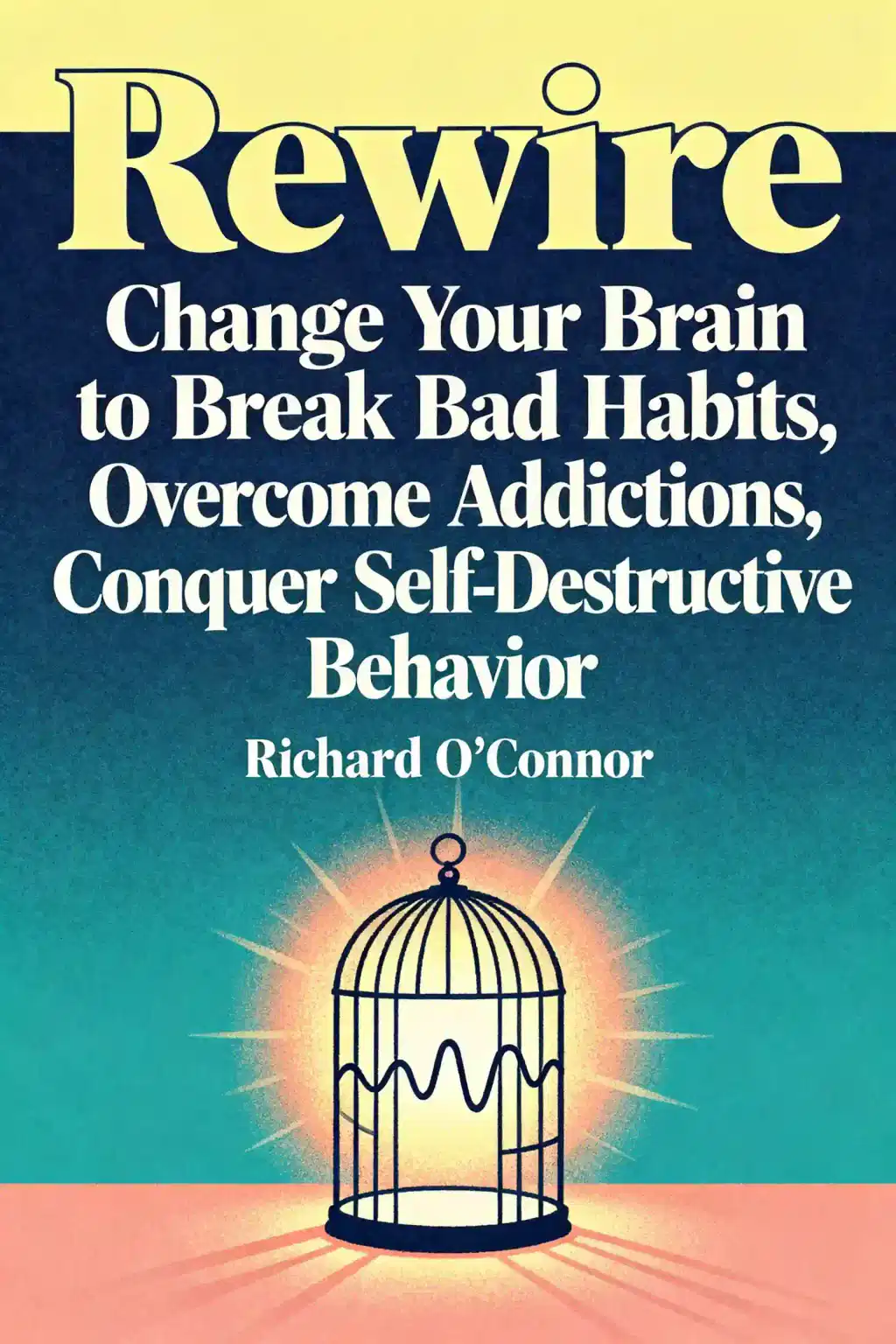
    Willpower: Rediscovering the Greatest Human StrengthThe Willpower InstinctHelp Me, I Have No Discipline and Zero Self-ControlRewire: Change Your Brain to Break Bad Habits, Overcome Addictions, Conquer Self-Destruc tive Behavior
    24 sources
    Master Your Inner Control Systems
    Discover how to apply engineering principles to your personal life, building a robust internal framework for emotional regulation and decision-making that transforms chaos into clarity.
    42 min
    podcast cover
    Introducing Self-EsteemSelf-Help That WorksHow to Meet Your Self
    3 sources
    Rewire Your Mind: Becoming Your Authentic Best Self
    Discover the science behind breaking free from autopilot patterns and childhood conditioning. Learn practical tools to reconnect with your body, heal emotional wounds, and unlock your authentic self through neuroplasticity and conscious transformation.
    10 min
    podcast cover
    Cognitive Behavioral TherapyBeliefsOvercoming Low Self-EsteemSh*t I Say to Myself
    24 sources
    Rewire Your Brain: The Science of Mindset Mastery
    Move beyond superficial positivity and learn to physically restructure your brain using neuroplasticity and the OCAT method to break free from limiting beliefs.
    32 min
    podcast cover
    Change Your Thinking, Change Your LifeLanguishingReinventing Your Life
    3 sources
    Breaking Mental Barriers: Get Healthy, Be Better
    Discover how to transform your life by changing deep-rooted thought patterns, moving beyond surface fixes to create lasting health and personal growth through proven psychological insights.
    10 min
    podcast cover
    Train your mind, change your brainGrowth MindsetRewireWhat You Can Change & What You Can't
    22 sources
    Why Mentality Is More Than a Mood
    Struggling to change your mindset? Learn how to shift your internal worldview and use neuroplasticity to turn failure into biological data for growth.
    38 min