Peter Hujar: Capturing Life's Raw Essence
Explore the remarkable legacy of photographer Peter Hujar, whose powerful black and white portraits captured subjects ranging from celebrities to drag performers with startling intimacy and technical mastery.

Mejor cita de Peter Hujar: Capturing Life's Raw Essence
Hujar had this deep belief that photography was art, period. He refused to accept that his medium was somehow lesser than painting or sculpture, and his work was a testament to that unflinching honesty about the human experience.

Esta lección de audio fue creada por un miembro de la comunidad BeFreed
Tell me about photographer peter hujar



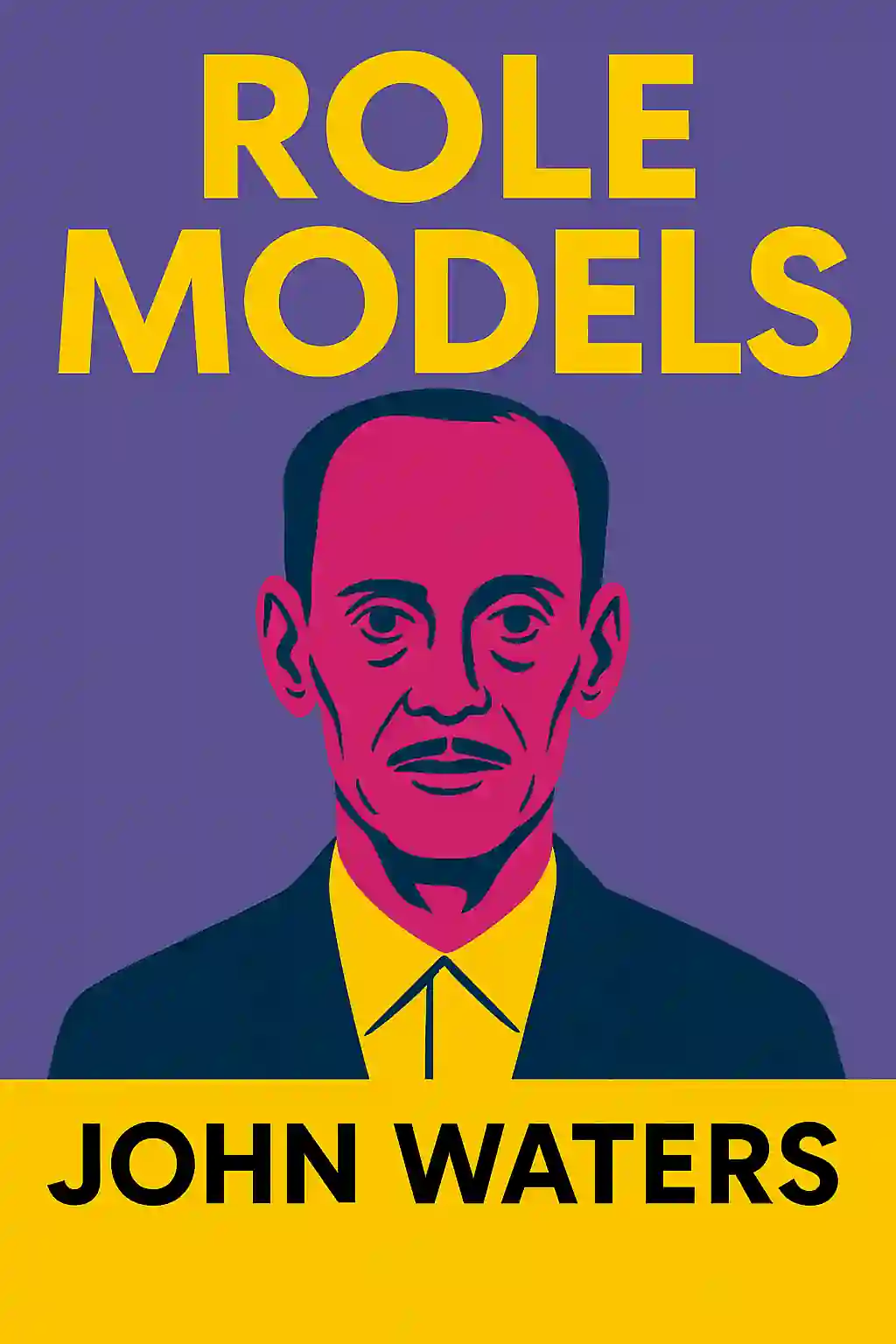
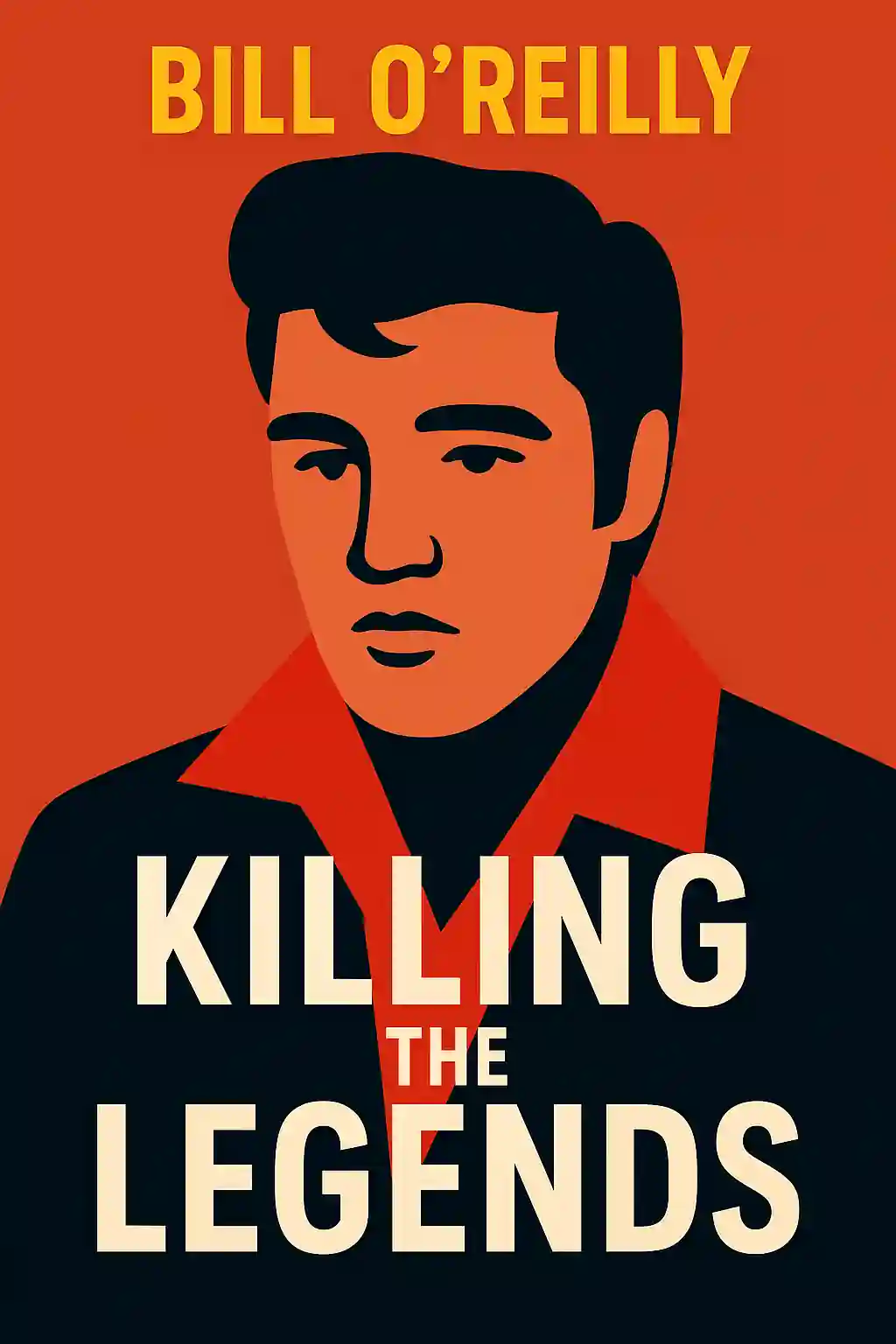
Descubre más

Photography
Photography is an essential skill in our visual-first world, valuable for creative professionals, content creators, entrepreneurs, and anyone wanting to preserve memories with artistry. This comprehensive learning plan takes you from understanding basic technical controls to developing a professional photographer's eye and workflow, combining timeless principles with cutting-edge tools to help you create images that truly stand out.
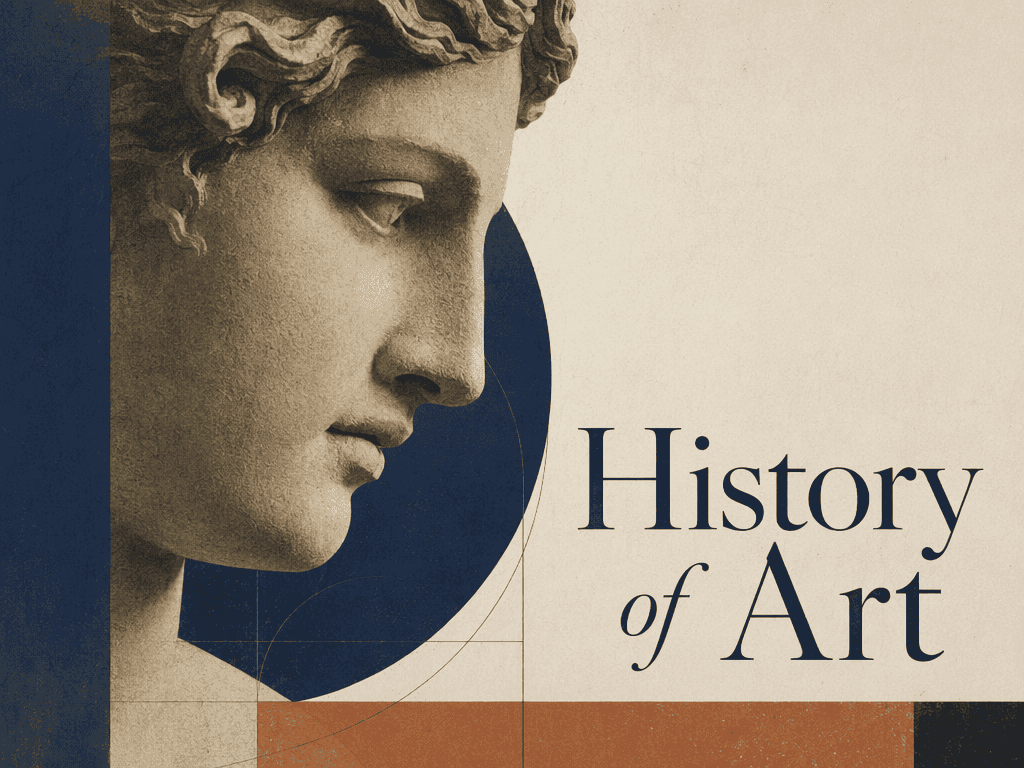
History of Art
Understanding art history provides essential context for appreciating human creativity across centuries and cultures. This learning plan benefits anyone interested in deepening their cultural literacy, from museum enthusiasts and travelers to creative professionals seeking inspiration from artistic traditions.
Master art history
This curriculum bridges the gap between historical appreciation and contemporary critical analysis, making it essential for aspiring historians and creative professionals. It offers a comprehensive roadmap for anyone looking to decode the visual world and understand how art reflects the human experience across eras.

Everyday Magnetism: The Art of Effortless Connection
In an increasingly digital world, the ability to build genuine human rapport is a competitive advantage. This plan is designed for professionals and social seekers looking to transform surface-level small talk into meaningful, magnetic relationships.

The Photographer's Guide to Travel Booking
This guide is essential for photographers looking to diversify their income by becoming certified travel planners. It bridges the gap between creative services and travel logistics, making it perfect for destination photographers and travel influencers.

Ordinary Lives in Extraordinary Times
This plan provides a unique look at history through the eyes of the working class rather than political elites. It is ideal for students of sociology, urban planning, or history who want to understand how ordinary people shaped the modern world.
Projectors: Storytelling for Online Branding
Projectors in Human Design make up 20% of the population and are natural guides with unique insights, yet many struggle with visibility and burnout from traditional marketing approaches. This learning plan combines Human Design wisdom with modern storytelling and personal branding strategies to help Projectors build magnetic online presence that attracts recognition and opportunities effortlessly. Perfect for Projector entrepreneurs, coaches, consultants, and thought leaders who want to stand out authentically while honoring their energy design.

The Psychology of High-End Art Sales
This plan is essential for artists and gallerists looking to move beyond the mass market into the world of luxury collectibles. It provides a strategic psychological blueprint for anyone aiming to command premium prices and build lasting credibility with high-net-worth individuals.
Creado por exalumnos de la Universidad de Columbia en San Francisco
"Instead of endless scrolling, I just hit play on BeFreed. It saves me so much time."


"I never knew where to start with nonfiction—BeFreed’s book lists turned into podcasts gave me a clear path."


"Perfect balance between learning and entertainment. Finished ‘Thinking, Fast and Slow’ on my commute this week."
"Crazy how much I learned while walking the dog. BeFreed = small habits → big gains."
"Reading used to feel like a chore. Now it’s just part of my lifestyle."

"Feels effortless compared to reading. I’ve finished 6 books this month already."
"BeFreed turned my guilty doomscrolling into something that feels productive and inspiring."

"BeFreed turned my commute into learning time. 20-min podcasts are perfect for finishing books I never had time for."
"BeFreed replaced my podcast queue. Imagine Spotify for books — that’s it. 🙌"

"It is great for me to learn something from the book without reading it."
"The themed book list podcasts help me connect ideas across authors—like a guided audio journey."
"Makes me feel smarter every time before going to work"
Creado por exalumnos de la Universidad de Columbia en San Francisco
"Instead of endless scrolling, I just hit play on BeFreed. It saves me so much time."
"I never knew where to start with nonfiction—BeFreed’s book lists turned into podcasts gave me a clear path."
"Perfect balance between learning and entertainment. Finished ‘Thinking, Fast and Slow’ on my commute this week."
"Crazy how much I learned while walking the dog. BeFreed = small habits → big gains."
"Reading used to feel like a chore. Now it’s just part of my lifestyle."
"Feels effortless compared to reading. I’ve finished 6 books this month already."
"BeFreed turned my guilty doomscrolling into something that feels productive and inspiring."
"BeFreed turned my commute into learning time. 20-min podcasts are perfect for finishing books I never had time for."
"BeFreed replaced my podcast queue. Imagine Spotify for books — that’s it. 🙌"
"It is great for me to learn something from the book without reading it."
"The themed book list podcasts help me connect ideas across authors—like a guided audio journey."
"Makes me feel smarter every time before going to work"
"Instead of endless scrolling, I just hit play on BeFreed. It saves me so much time."
"I never knew where to start with nonfiction—BeFreed’s book lists turned into podcasts gave me a clear path."
"Perfect balance between learning and entertainment. Finished ‘Thinking, Fast and Slow’ on my commute this week."
"Crazy how much I learned while walking the dog. BeFreed = small habits → big gains."
"Reading used to feel like a chore. Now it’s just part of my lifestyle."
"Feels effortless compared to reading. I’ve finished 6 books this month already."
"BeFreed turned my guilty doomscrolling into something that feels productive and inspiring."
"BeFreed turned my commute into learning time. 20-min podcasts are perfect for finishing books I never had time for."
"BeFreed replaced my podcast queue. Imagine Spotify for books — that’s it. 🙌"
"It is great for me to learn something from the book without reading it."
"The themed book list podcasts help me connect ideas across authors—like a guided audio journey."
"Makes me feel smarter every time before going to work"
"Instead of endless scrolling, I just hit play on BeFreed. It saves me so much time."
"I never knew where to start with nonfiction—BeFreed’s book lists turned into podcasts gave me a clear path."
"Perfect balance between learning and entertainment. Finished ‘Thinking, Fast and Slow’ on my commute this week."
"Crazy how much I learned while walking the dog. BeFreed = small habits → big gains."
"Reading used to feel like a chore. Now it’s just part of my lifestyle."
"Feels effortless compared to reading. I’ve finished 6 books this month already."
"BeFreed turned my guilty doomscrolling into something that feels productive and inspiring."
"BeFreed turned my commute into learning time. 20-min podcasts are perfect for finishing books I never had time for."
"BeFreed replaced my podcast queue. Imagine Spotify for books — that’s it. 🙌"
"It is great for me to learn something from the book without reading it."
"The themed book list podcasts help me connect ideas across authors—like a guided audio journey."
"Makes me feel smarter every time before going to work"