BeFreed
    Categories>Communication>Party Confidence Without Liquid Courage

    Party Confidence Without Liquid Courage

    25 min
    |
    |
    17 ene 2026
    • Communication
    • Psychology
    • Self-Growth

    Discover science-backed techniques to navigate your work Christmas party with calm confidence, from the 'echo technique' therapists recommend to practical strategies that make you memorable for all the right reasons—no alcohol needed.

    Party Confidence Without Liquid Courage
    0:00 / 0:00
    Elige cómo se cuenta

    Un episodio. Muchas formas de escucharlo.

    Las mismas ideas de Party Confidence Without Liquid Courage. Elige la voz, profundidad y ritmo que más te convengan. Cambia cuando quieras.

    Transcripción y capítulos

    Capítulo 1

    Party Confidence Without The Pour

    Ever notice how the most confident people at parties aren't necessarily the ones with drinks in hand? Welcome to "Sober Social Success," where today we're tackling that work Christmas party anxiety without liquid courage. Here's something surprising: research shows that most people actually enjoy conversations with strangers more than they expect to. Those awkward pauses you're dreading? They're just part of the natural rhythm of conversation—like musical rests that give both people time to process. In the next 20 minutes, I'll share science-backed techniques to help you walk into that party radiating calm confidence, including the "echo technique" that therapists swear by, and why holding something cold can actually reset your nervous system when anxiety spikes. Ready to become the person everyone remembers for all the right reasons tonight?

    Capítulo 2

    The Anxiety Paradox That Changes Everything

    Here's something that might surprise you: the physical sensations you're interpreting as anxiety—that quickened heartbeat, the slight tension in your chest, the heightened alertness—are actually identical to the physiological markers of excitement. Your body doesn't distinguish between nervousness and anticipation; it's your mind that assigns the meaning. This revelation transforms how we approach social situations entirely.

    Research in cognitive psychology reveals that when we reframe our pre-party jitters as excitement rather than anxiety, our performance in social situations improves dramatically. Instead of fighting those butterflies, we can welcome them as evidence that something meaningful is about to happen. Your nervous system is actually preparing you for success, flooding your body with the same chemicals that enhance focus, memory, and social awareness.

    This reframing technique works because it bypasses the exhausting mental battle of trying to calm down. When you tell yourself "I'm excited" instead of "I need to relax," you're working with your body's natural state rather than against it. The energy remains the same—you're simply channeling it toward curiosity and engagement rather than self-protection.

    Consider this: every person who's ever given a memorable speech, performed on stage, or made a lasting impression at a networking event has felt these exact same sensations. The difference isn't the absence of nervousness—it's the interpretation of that energy as fuel rather than friction. Professional performers know this secret intimately. They don't aim to eliminate pre-performance nerves; they transform them into presence.

    The practical application is immediate. As you're getting ready for tonight's party, notice when those familiar sensations arise. Instead of thinking "I'm so nervous," try "I'm energized for this." The shift might feel artificial at first, but your brain will begin to accept this new narrative surprisingly quickly. Within minutes, you'll find yourself approaching the evening with genuine curiosity about who you'll meet and what conversations await, rather than dreading potential social missteps.

    This isn't positive thinking—it's physiological reality. Your body is already preparing you to be socially successful. The question is whether you'll interpret its signals as evidence of your readiness or your vulnerability.

    Aprende más con este episodio

    Lleva las ideas de este episodio a una experiencia de aprendizaje guiada en BeFreed.

    Capítulo 3

    The Science of Social Magnetism

    What makes someone genuinely magnetic in social situations has nothing to do with charisma as we typically imagine it. Research from multiple universities reveals that the most compelling people at parties share one unexpected trait: they make others feel heard. This isn't about being the most interesting person in the room—it's about being the most interested.

    The mechanism is rooted in basic human psychology. When someone feels truly listened to, their brain releases oxytocin, often called the bonding hormone. This creates an immediate sense of connection and trust. The person doing the listening doesn't need to be particularly witty or knowledgeable; they simply need to be genuinely curious about the other person's experience.

    Here's where it gets fascinating: studies show that people consistently rate conversations as more enjoyable when they've done most of the talking, even though they simultaneously rate the listener as more interesting and intelligent. This paradox reveals something profound about human nature—we're drawn to people who create space for us to share ourselves, not those who dominate with their own stories.

    The practical technique is surprisingly simple. Instead of preparing clever anecdotes or witty observations, prepare questions that invite people to share what matters to them. "What's been the highlight of your year?" opens entirely different conversational territory than "How's work?" The former invites storytelling; the latter typically generates one-word responses.

    But there's a crucial distinction between genuine curiosity and performative interest. People can sense the difference immediately. Authentic listening involves what researchers call "embodied attention"—your body language, eye contact, and response timing all signal whether you're truly present or simply waiting for your turn to speak.

    The most socially successful people have mastered what cognitive scientists call "conversational aikido"—the ability to redirect social energy rather than generating it from scratch. When someone shares something meaningful, they reflect back what they've heard, ask follow-up questions that go deeper, and resist the urge to immediately share their own related experience. This creates a conversational flow that feels effortless for both participants.

    Tonight, your superpower won't be your ability to entertain—it'll be your capacity to be genuinely fascinated by the people around you. This shift removes the performance pressure entirely and replaces it with authentic human connection.

    Capítulo 4

    The Invisible Architecture of Conversation

    Every successful conversation follows an invisible structure that most people never consciously recognize, yet intuitively respond to. Understanding this architecture transforms awkward small talk into meaningful connection, giving you a roadmap for any social interaction.

    Conversations have three distinct phases: the opening ritual, the exploration zone, and the connection point. The opening ritual serves a crucial function beyond mere politeness—it allows both people to calibrate their energy levels, assess mutual interest, and establish the conversational tone. This is why "How are you enjoying the party?" works better than jumping immediately into deeper topics. You're creating a safe space for both people to enter the conversation gradually.

    The exploration zone is where most people get stuck. This is the phase where you're discovering common ground, shared interests, or complementary perspectives. The key insight from communication research is that successful exploration requires what linguists call "conversational threading"—the ability to pick up on subtle cues about what the other person finds engaging and follow those threads deeper.

    For example, when someone mentions they just returned from a trip, most people respond with "Where did you go?" But notice the difference if they say "I just got back from the most incredible trip" versus "I just got back from a trip—glad to be home." The first invites exploration of the positive experience; the second suggests they might prefer to talk about something else entirely. Reading these micro-signals prevents conversational dead ends.

    The connection point is where conversations become memorable. This happens when both people discover something that genuinely resonates—a shared value, a complementary skill, or even an interesting difference in perspective. Research shows that these moments are often preceded by what psychologists call "vulnerability reciprocity"—one person shares something slightly personal, which invites the other to match that level of openness.

    But here's what's crucial: you don't need to reach the connection point in every conversation. Some interactions are perfectly successful when they remain in the exploration zone. The pressure to make every conversation "meaningful" actually prevents natural connection from occurring. Sometimes the most memorable interactions are those where two people simply enjoy each other's company without needing to discover profound commonalities.

    The practical application is to pay attention to which phase you're in and what the conversation needs next. If you're stuck in opening ritual mode, introduce a gentle exploration question. If you're exploring but sensing surface-level responses, try sharing something slightly more personal to invite reciprocal depth. And if you reach a genuine connection point, resist the urge to immediately search for more—sometimes the most powerful thing you can do is simply acknowledge the moment and let it breathe.

    Aprende más con este episodio

    Lleva las ideas de este episodio a una experiencia de aprendizaje guiada en BeFreed.

    Capítulo 5

    The Paradox of Social Presence

    The most counterintuitive aspect of social confidence is that it increases when we stop trying to manage how others perceive us. This isn't about caring less—it's about redirecting our attention from internal self-monitoring to external engagement. Research in social psychology reveals that people who focus outward during conversations are consistently rated as more charismatic, more intelligent, and more likeable than those who are internally focused on their own performance.

    The mechanism behind this paradox involves what neuroscientists call "cognitive load theory." When your mental resources are occupied with self-evaluation—monitoring your facial expressions, analyzing your word choices, worrying about awkward silences—you have less cognitive capacity available for actually connecting with the person in front of you. This creates a vicious cycle: the more you focus on managing your image, the less present you become, which makes you appear less engaging, which increases your anxiety about how you're being perceived.

    Breaking this cycle requires a fundamental shift in attention. Instead of asking yourself "How am I coming across?" start asking "What's interesting about this person?" or "What are they really trying to communicate?" This redirection isn't just a mental trick—it's a complete reorientation of your social operating system.

    Consider the difference between two people at the same party. Person A is constantly checking: "Did that joke land? Do I seem interesting? Should I have said something different?" Person B is thinking: "She mentioned loving travel photography—what draws her to that? He seems passionate about his work—what makes it meaningful to him?" Person B will inevitably have more engaging conversations, not because they're more skilled socially, but because they're actually participating in the conversation rather than observing themselves participate.

    This outward focus creates what researchers call "social flow"—a state where conversation feels effortless and time seems to pass quickly. Both participants become absorbed in the interaction itself rather than self-conscious about their performance within it. This is why some of your best conversations happen when you're so engaged with the topic or person that you forget to be nervous.

    The practical technique is surprisingly simple: every time you catch your attention turning inward—toward self-evaluation or performance anxiety—gently redirect it outward with a specific observation or question about the other person. "I notice you light up when you talk about your work—what got you into that field?" This isn't just good conversation technique; it's anxiety management through attention redirection.

    Tonight, your goal isn't to be impressive—it's to be impressed. When you approach each interaction with genuine curiosity about the other person's experience, your own social anxiety naturally diminishes because your attention is occupied with something more interesting than your own performance.

    Capítulo 6

    The Emotional Contagion Effect

    One of the most powerful forces operating at any social gathering is emotional contagion—the unconscious tendency for people to mirror the emotional states of those around them. This phenomenon means that your emotional state doesn't just affect your own experience; it literally influences the mood and energy of everyone you interact with. Understanding this gives you tremendous leverage in social situations.

    Research in neuroscience reveals that emotional contagion happens through multiple channels simultaneously. Mirror neurons fire when we observe others' facial expressions, causing us to subtly mimic their emotional displays. Our nervous systems synchronize through proximity and shared attention. Even our breathing patterns can align during engaged conversation. This means that when you arrive at a party feeling genuinely calm and curious, you're not just improving your own experience—you're making every conversation more enjoyable for the other person too.

    The implications are profound. Instead of hoping to "catch" confidence from more outgoing people at the party, you can become a source of positive emotional energy yourself. This doesn't require being extroverted or artificially enthusiastic. Calm confidence is just as contagious as nervous energy, and often more attractive because it feels stable and genuine.

    But here's the crucial insight: emotional contagion works both ways. If you're not mindful, you can absorb the anxiety, frustration, or social discomfort of others around you. This is why some parties feel draining even when nothing obviously negative happens—you're unconsciously taking on the emotional residue of stressed or uncomfortable people.

    The solution involves what psychologists call "emotional regulation through intentional presence." Before entering any social interaction, take a moment to establish your own emotional baseline. This might involve a few deep breaths, a brief mental reminder of why you're there, or simply checking in with yourself about how you want to feel during the conversation.

    During conversations, you can consciously choose which emotional threads to pick up and amplify. When someone shares something they're excited about, let their enthusiasm influence your energy level. When someone seems stressed or overwhelmed, maintain your own calm centeredness rather than matching their agitation. This isn't about being insensitive—it's about being emotionally generous by offering stability rather than amplifying distress.

    The practical application is immediate and powerful. You can actually shift the energy of an entire conversation by maintaining genuine warmth and presence, especially during those inevitable awkward moments that arise in any social interaction. Instead of letting awkwardness compound through mutual discomfort, your calm acceptance of the moment can reset the dynamic entirely.

    This principle extends beyond individual conversations to your overall presence at the event. People will unconsciously gravitate toward interactions that feel emotionally nourishing and avoid those that feel draining. By managing your own emotional state and offering positive emotional contagion, you become someone others naturally want to talk to—not because you're performing charisma, but because being around you simply feels good.

    Aprende más con este episodio

    Lleva las ideas de este episodio a una experiencia de aprendizaje guiada en BeFreed.

    Capítulo 7

    The Strategic Art of Graceful Exits

    One of the most underappreciated social skills is knowing how to end conversations elegantly. Most people focus intensely on how to start interactions but give little thought to how to conclude them, leading to awkward trailing-off moments that can overshadow an otherwise positive exchange. Mastering the graceful exit transforms your entire social experience because it eliminates the trapped feeling that makes many people avoid conversations in the first place.

    Research in social psychology reveals that people remember the end of interactions more vividly than the middle, a phenomenon called the "recency effect." This means that a smooth, positive conclusion can actually enhance someone's memory of the entire conversation, while an awkward ending can taint an otherwise engaging exchange. Understanding this gives you tremendous power to leave lasting positive impressions.

    The key insight is that good exits serve both participants. When you end a conversation skillfully, you're not just freeing yourself to move on—you're giving the other person permission to do the same without anyone feeling rejected or dismissed. This mutual liberation actually makes people more likely to seek you out for future conversations because they associate interacting with you with feeling comfortable and respected.

    Effective exits have three components: acknowledgment, transition, and future connection. Acknowledgment means explicitly recognizing something valuable from the conversation: "I really enjoyed hearing about your photography project" or "Thanks for sharing that perspective on remote work." This isn't empty politeness—it's genuine appreciation that helps both people feel the conversation was worthwhile.

    The transition element involves taking responsibility for the conclusion rather than making the other person guess your intentions. "I'm going to grab some food before it's all gone" or "I want to catch Sarah before she leaves" gives a clear, non-personal reason for ending the interaction. This removes any ambiguity about whether the conclusion reflects dissatisfaction with the conversation itself.

    Future connection, when appropriate, leaves the door open for continued relationship building: "I'd love to hear how that project turns out" or "Let me know if you end up taking that photography class." This isn't a commitment to future interaction—it's a signal that you valued meeting them and would welcome future connection.

    But perhaps the most important aspect of graceful exits is timing. The best conversations end while both people are still engaged, not after energy has started to wane. This requires paying attention to conversational rhythm and energy levels. When you notice natural pause points or sense that the conversation has reached a satisfying conclusion, that's your cue to initiate a graceful exit rather than forcing the interaction to continue.

    The practical benefit extends beyond individual conversations. When you know you can exit any interaction smoothly, you approach conversations with less anxiety because you're not worried about getting trapped in uncomfortable situations. This confidence actually makes you more present and engaging because you're not mentally planning your escape while someone is talking.

    Tonight, view each conversation as having a natural arc with a beginning, middle, and end. Your job isn't to make every interaction last as long as possible—it's to make each exchange feel complete and satisfying for both participants.

    Capítulo 8

    Your Social Success Playbook for Tonight

    Now let's translate everything we've discussed into a practical strategy you can implement immediately. Your success tonight doesn't depend on transforming your personality—it relies on having a clear plan that works with your natural tendencies while expanding your comfort zone gradually.

    Start with your pre-party preparation, but not the kind you might expect. Instead of rehearsing conversation topics, spend five minutes setting your emotional intention for the evening. Ask yourself: "How do I want to feel during this party?" Maybe it's curious, relaxed, or genuinely interested in your colleagues as people rather than just work contacts. This emotional intention becomes your anchor throughout the evening.

    Your arrival strategy matters more than you might realize. Plan to arrive within the first thirty minutes when the crowd is smaller and energy levels are manageable. Locate three specific things immediately: the food area, the restroom, and a quieter space where you can retreat if needed. Knowing these escape routes eliminates the trapped feeling that amplifies social anxiety.

    For your first interaction, look for someone standing alone or a small group of two or three people rather than trying to break into larger conversations. Approach with genuine curiosity rather than a prepared opening line. "How do you know [host's name]?" or "Have you been to one of these before?" work because they invite the other person to share their context rather than putting pressure on you to be entertaining.

    Implement the "one meaningful conversation" rule. Instead of trying to meet everyone or make multiple connections, focus on having one genuinely engaging conversation where you learn something interesting about another person. This removes the pressure to work the room and allows you to be fully present with whoever you're talking to.

    Use the "echo technique" that therapists employ: when someone shares something important, reflect back what you heard before adding your own thoughts. "It sounds like that project was really challenging but ultimately rewarding" shows you're truly listening and invites them to elaborate. This technique makes conversations feel deeper without requiring you to be particularly clever or insightful.

    When you need to recharge, use the bathroom strategy we discussed earlier, but also try the "helpful host" approach. Offer to help with something—refilling snacks, clearing plates, or assisting with coats. This gives you a legitimate reason to move around, provides natural conversation starters with people you encounter, and makes you feel useful rather than socially obligated.

    For managing anxiety spikes, try the "cold reset" technique: hold something cold—an ice cube, a cold drink, or even cold water on your wrists in the bathroom. Cold temperature activates your vagus nerve, which helps regulate your nervous system and can provide almost immediate calming effects.

    Practice the "graceful circulation" method: plan to have three to four quality conversations rather than trying to talk to everyone. After each meaningful exchange, take a brief break—get some food, step outside, or simply observe the room for a few minutes. This prevents social overwhelm while ensuring you make genuine connections.

    Remember the "contribution mindset": instead of focusing on what you can get from the evening—networking opportunities, social validation, or entertainment—focus on what you can contribute. Maybe it's being a good listener for someone who seems stressed, helping someone new feel welcomed, or simply bringing calm, positive energy to your interactions.

    Finally, set a realistic departure time and stick to it. Decide in advance whether you'll stay for one hour, two hours, or the entire event, and honor that commitment to yourself. Knowing you have permission to leave removes the indefinite time pressure that makes social events feel overwhelming.

    Your success tonight isn't measured by how many business cards you collect or how many people you meet—it's measured by whether you leave feeling like you showed up authentically and made at least one genuine human connection. That's not just enough; it's exactly what makes social events worthwhile.

    Aprende más con este episodio

    Lleva las ideas de este episodio a una experiencia de aprendizaje guiada en BeFreed.

    Capítulo 9

    The Ripple Effect of Authentic Connection

    As our conversation draws to a close, I want to leave you with something that extends far beyond tonight's party. The skills we've explored—genuine curiosity, emotional presence, graceful social navigation—these aren't just techniques for surviving work events. They're tools for building a more connected, fulfilling life.

    When you approach social situations with authentic interest in others rather than anxiety about yourself, you create ripple effects that extend far beyond the immediate interaction. People remember how you made them feel, and they carry that positive energy into their other relationships. Your colleague who felt truly heard during your conversation might go home more patient with their family. The person you helped feel welcomed might pay that kindness forward to the next new person they meet.

    This isn't abstract philosophy—it's practical reality. Research consistently shows that people who feel socially connected at work are more creative, more productive, and more likely to stay with their organizations. By showing up authentically at social events, you're not just advancing your own career prospects; you're contributing to a workplace culture where people feel valued as human beings rather than just professional resources.

    The confidence you build tonight will compound over time. Each positive social interaction provides evidence that contradicts the anxious narrative your mind might tell about your social capabilities. These experiences accumulate into genuine social confidence—not the performative kind that requires constant energy to maintain, but the quiet assurance that comes from knowing you can connect authentically with other people.

    Perhaps most importantly, you're modeling a different way of being social for everyone around you. In a world increasingly dominated by surface-level digital interactions, your commitment to genuine presence and curiosity becomes a gift to everyone you encounter. You're demonstrating that meaningful connection is still possible, even in professional settings, even with people you don't know well.

    The techniques we've discussed work because they align with fundamental human needs for connection, understanding, and authentic interaction. You're not learning to manipulate social situations—you're learning to participate in them more fully and generously.

    So as you prepare for tonight's event, remember that your presence matters. Not because you need to be the most interesting person there, but because your authentic engagement makes the entire gathering more meaningful for everyone involved. Your willingness to show up, listen genuinely, and connect authentically contributes to the kind of workplace culture and human community we all want to be part of.

    Thank you for spending this time preparing together. I'd love to hear how tonight goes for you—what worked, what felt challenging, and what surprised you about the experience. Your insights help make future conversations even more useful for everyone navigating the beautiful, complex world of human connection. Here's to your success tonight and to the many meaningful connections that await.

    ★★★★★

    Has llegado al final de Party Confidence Without Liquid Courage

    “Llevo 23 días y lo he usado todos los días. Ya forma parte de mi rutina diaria.”

    jayallen

    Mejor cita de Party Confidence Without Liquid Courage

    “

    The difference isn't the absence of nervousness—it's the interpretation of that energy as fuel rather than friction. When you tell yourself 'I'm excited' instead of 'I need to relax,' you're working with your body's natural state rather than against it.

    ”
    V

    Generated by V

    Pregunta de entrada

    I have a work Christmas party tonight and I want to be calm ,cool and easy to talk to. Give me conversation and socialization tips without alcohol.

    Voces del presentador
    Lenaplay
    Fuentes de conocimiento
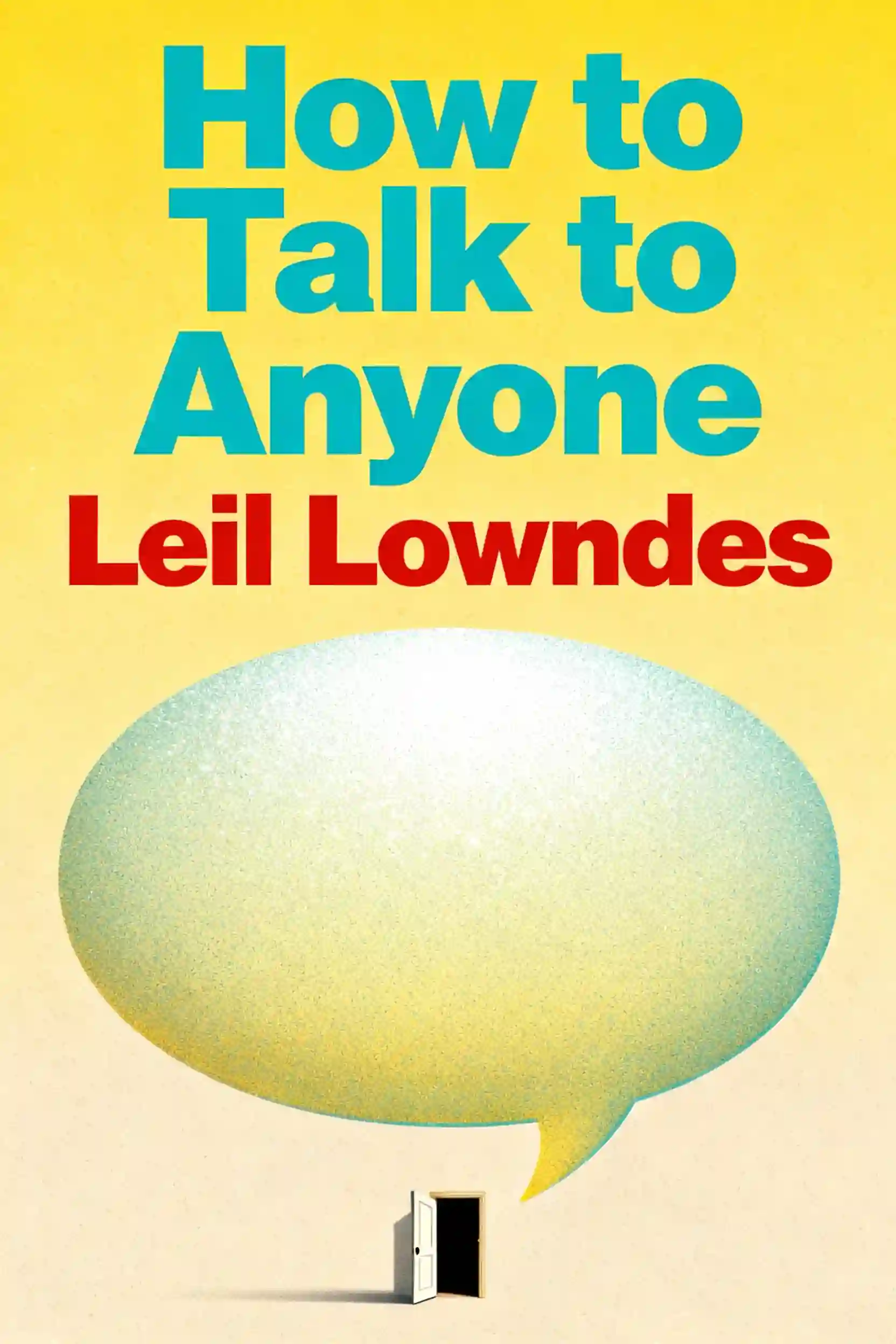
    How to Talk to Anyone
    The fine art of small talk
    The Art of Witty Banter
    Better Small Talk
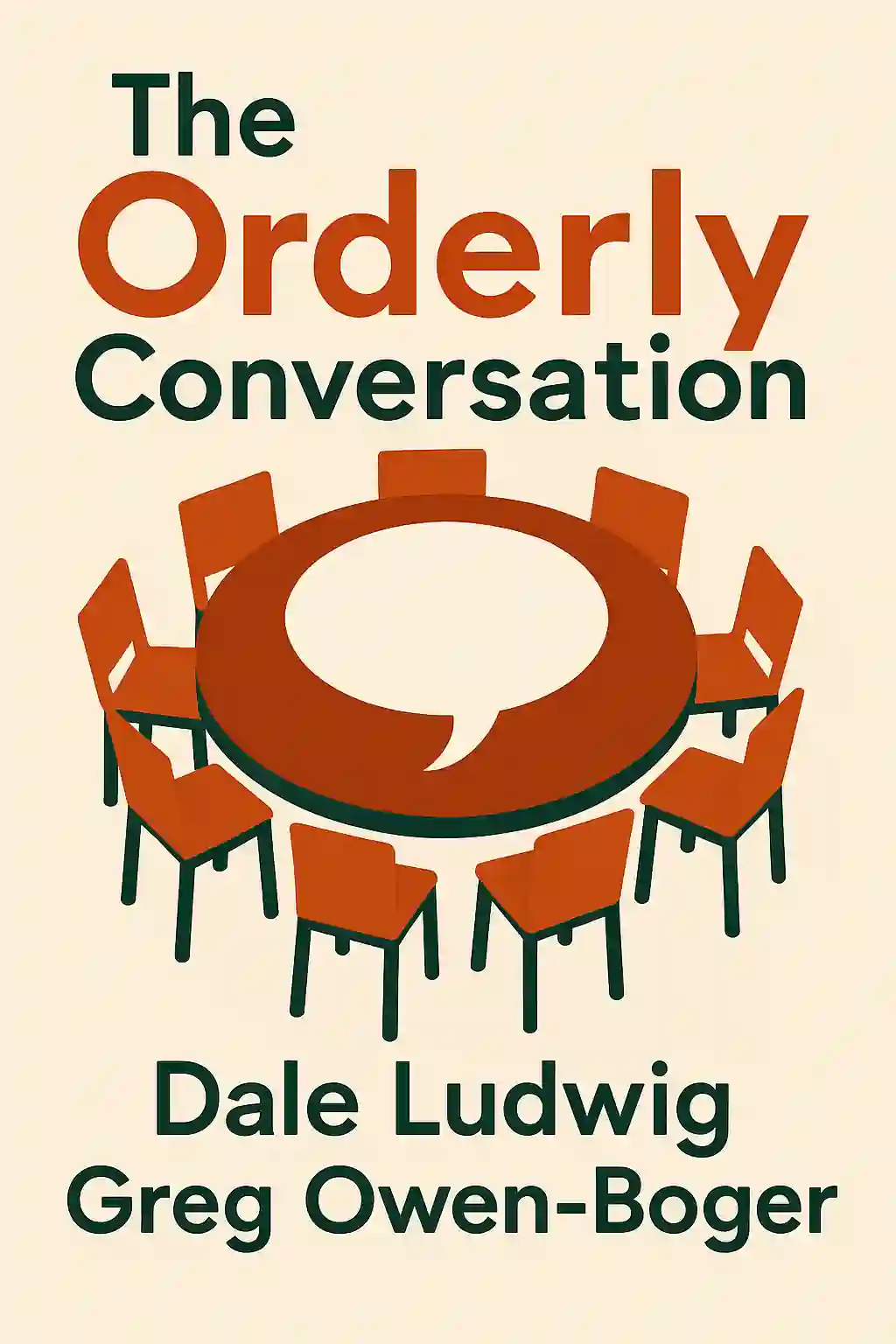
    The orderly conversation
    How to Be Yourself

    Creado por exalumnos de la Universidad de Columbia | en San Francisco

    BeFreed Reúne a una Comunidad Global de Mentes Curiosas

    4.7

    valoración media

    Más de 7,84 mil valoraciones de la app

    Comunidad BeFreed

    En serio, todavía no he explorado la app a fondo, pero después de usarla estos últimos días estoy impresionadísima… BeFreed está en otro nivel comparada con cualquier otra app de aprendizaje que haya usado. Te engancha muchísimo y de verdad mejora la concentración, ¡ideal para los que no paran de hacer scroll!

    @ladyInfinity

    Compré BeFreed hace exactamente 23 días y lo he usado todos los días desde entonces. Se ha integrado por completo en mi rutina diaria de trabajo y aprendizaje.

    @jayallen

    La verdad es que la app ha superado todas mis expectativas. Puedo pedirle que genere audio sobre cualquier tema, sea cual sea, y el resultado es impresionante. Mi campo profesional es una especialización en psicoterapia y es multidisciplinario; aun así, las respuestas son muy precisas.

    @Raguipa

    Lo que más valoro es cuánto ha reducido mi scroll: paso menos tiempo buscando y más tiempo absorbiendo información. La combinación de audiolibros completos, podcasts y los planes de aprendizaje es brillante.

    @colonyofcreatorsNGO

    Llevo 24 años siendo instructor de aprendizaje acelerado PhotoReading… los libros, la lectura y el aprendizaje son lo mío, y BeFreed ha hecho un gran trabajo ofreciendo un enfoque innovador para transmitir información de una forma fácil de consumir.

    @BeFreed user

    No es solo una app de resúmenes de libros: he usado la opción de lectura divertida y es un resumen mucho mejor y una forma más fácil de captar las ideas que la manera tradicional; solo eso ya vale la pena.

    @austinakon

    Me encanta esta app. La he usado varios días y no puedo dejar de escuchar. Una forma buenísima de empezar.

    @jcrules328

    Me gusta mucho el programa; llevo alrededor de un mes probándolo y siento que es una verdadera joya. Funciona genial porque puedo usar BeFreed para crear mis propios temas, y la voz es buenísima, con opciones de narración ilimitadas.

    @DanielCZ

    En serio, todavía no he explorado la app a fondo, pero después de usarla estos últimos días estoy impresionadísima… BeFreed está en otro nivel comparada con cualquier otra app de aprendizaje que haya usado. Te engancha muchísimo y de verdad mejora la concentración, ¡ideal para los que no paran de hacer scroll!

    @ladyInfinity

    Compré BeFreed hace exactamente 23 días y lo he usado todos los días desde entonces. Se ha integrado por completo en mi rutina diaria de trabajo y aprendizaje.

    @jayallen

    La verdad es que la app ha superado todas mis expectativas. Puedo pedirle que genere audio sobre cualquier tema, sea cual sea, y el resultado es impresionante. Mi campo profesional es una especialización en psicoterapia y es multidisciplinario; aun así, las respuestas son muy precisas.

    @Raguipa

    Lo que más valoro es cuánto ha reducido mi scroll: paso menos tiempo buscando y más tiempo absorbiendo información. La combinación de audiolibros completos, podcasts y los planes de aprendizaje es brillante.

    @colonyofcreatorsNGO

    Llevo 24 años siendo instructor de aprendizaje acelerado PhotoReading… los libros, la lectura y el aprendizaje son lo mío, y BeFreed ha hecho un gran trabajo ofreciendo un enfoque innovador para transmitir información de una forma fácil de consumir.

    @BeFreed user

    No es solo una app de resúmenes de libros: he usado la opción de lectura divertida y es un resumen mucho mejor y una forma más fácil de captar las ideas que la manera tradicional; solo eso ya vale la pena.

    @austinakon

    Me encanta esta app. La he usado varios días y no puedo dejar de escuchar. Una forma buenísima de empezar.

    @jcrules328

    Me gusta mucho el programa; llevo alrededor de un mes probándolo y siento que es una verdadera joya. Funciona genial porque puedo usar BeFreed para crear mis propios temas, y la voz es buenísima, con opciones de narración ilimitadas.

    @DanielCZ

    Me encanta poder recibir información e ideas útiles y condensadas en un audio estilo podcast de 8 a 15 minutos. No soy muy fan de los podcasts por tanto relleno, pero esto va directo al grano.

    @BeFreed user

    Estoy terminando mi doctorado y tengo que leer muchísimo material desconocido… Con BeFreed simplemente escribes un prompt y la app encuentra las fuentes por ti y genera un podcast en audio. El proceso de BeFreed me parece más ágil que el de NotebookLM.

    @Brad

    Suelo buscar en YouTube algo que escuchar mientras preparo el desayuno, salgo a caminar o voy al trabajo, ¡y BeFreed ofrece un enfoque aún más certero, sin anuncios y sin relleno!

    @BeFreed user

    Lo mejor de esta plataforma es su versatilidad. Literalmente no hay tema que quede fuera. Le lanzas lo que sea y lo maneja… Es raro encontrar una herramienta de aprendizaje sin limitaciones que de verdad cumpla lo que promete.

    @jayallen

    BeFreed es fantástica. Su diseño intuitivo hace que pase menos tiempo navegando y más tiempo aprendiendo. La mezcla de audiolibros, podcasts y planes de aprendizaje es una combinación genial que ha cambiado por completo mi rutina diaria.

    @BeFreed user

    Al principio me llevó un rato entender cómo crear podcasts en italiano y ¡boom! ¡Es genial! Puedo pedirle que me explique cualquier tema y lo hace súper bien y con mucha inteligencia.

    @matteo77

    BeFreed se ha convertido en mi app diaria de audiolibros… Lo que más me gusta es que pones tu texto y te devuelve un audio que puedes escuchar donde sea.

    @kotanzu1

    Me encanta poder recibir información e ideas útiles y condensadas en un audio estilo podcast de 8 a 15 minutos. No soy muy fan de los podcasts por tanto relleno, pero esto va directo al grano.

    @BeFreed user

    Estoy terminando mi doctorado y tengo que leer muchísimo material desconocido… Con BeFreed simplemente escribes un prompt y la app encuentra las fuentes por ti y genera un podcast en audio. El proceso de BeFreed me parece más ágil que el de NotebookLM.

    @Brad

    Suelo buscar en YouTube algo que escuchar mientras preparo el desayuno, salgo a caminar o voy al trabajo, ¡y BeFreed ofrece un enfoque aún más certero, sin anuncios y sin relleno!

    @BeFreed user

    Lo mejor de esta plataforma es su versatilidad. Literalmente no hay tema que quede fuera. Le lanzas lo que sea y lo maneja… Es raro encontrar una herramienta de aprendizaje sin limitaciones que de verdad cumpla lo que promete.

    @jayallen

    BeFreed es fantástica. Su diseño intuitivo hace que pase menos tiempo navegando y más tiempo aprendiendo. La mezcla de audiolibros, podcasts y planes de aprendizaje es una combinación genial que ha cambiado por completo mi rutina diaria.

    @BeFreed user

    Al principio me llevó un rato entender cómo crear podcasts en italiano y ¡boom! ¡Es genial! Puedo pedirle que me explique cualquier tema y lo hace súper bien y con mucha inteligencia.

    @matteo77

    BeFreed se ha convertido en mi app diaria de audiolibros… Lo que más me gusta es que pones tu texto y te devuelve un audio que puedes escuchar donde sea.

    @kotanzu1

    Ver más sobre cómo se habla de BeFreed en la web
    129.7K19.5K
    55.2K19.2K
    154.2K10827355
    48.1K2.5K
    81.2K6.6K
    82.3K1.8K
    Comienza tu viaje de aprendizaje, ahora
    Aplicación BeFreed
    BeFreed

    Aprende Cualquier Cosa, Personalizado

    DiscordLinkedIn
    Resúmenes de libros destacados
    Crucial ConversationsThe Perfect MarriageInto the WildNever Split the DifferenceAttachedGood to GreatSay Nothing
    Categorías en tendencia
    Self HelpCommunication SkillRelationshipMindfulnessPhilosophyInspirationProductivity
    Lista de lectura de celebridades
    Elon MuskCharlie KirkBill GatesSteve JobsAndrew HubermanJoe RoganJordan Peterson
    Colección premiada
    Pulitzer PrizeNational Book AwardGoodreads Choice AwardsNobel Prize in LiteratureNew York TimesCaldecott MedalNebula Award
    Temas destacados
    ManagementAmerican HistoryWarTradingStoicismAnxietySex
    Mejores libros por año
    2025 Best Non Fiction Books2024 Best Non Fiction Books2023 Best Non Fiction Books
    Autores destacados
    Chimamanda Ngozi AdichieGeorge OrwellO. J. SimpsonBarbara O'NeillWinston ChurchillCharlie Kirk
    BeFreed vs otras apps
    BeFreed vs. Other Book Summary AppsBeFreed vs. ElevenReaderBeFreed vs. ReadwiseBeFreed vs. Anki
    Herramientas de aprendizaje
    Knowledge VisualizerAI Podcast Generator
    Información
    Sobre Nosotrosarrow
    Preciosarrow
    Preguntas Frecuentesarrow
    Blogarrow
    Carrerasarrow
    Asociacionesarrow
    Programa de Embajadoresarrow
    Directorioarrow
    BeFreed
    Try now
    © 2026 BeFreed
    Términos de UsoPolítica de Privacidad
    BeFreed

    Aprende Cualquier Cosa, Personalizado

    DiscordLinkedIn
    Resúmenes de libros destacados
    Crucial ConversationsThe Perfect MarriageInto the WildNever Split the DifferenceAttachedGood to GreatSay Nothing
    Categorías en tendencia
    Self HelpCommunication SkillRelationshipMindfulnessPhilosophyInspirationProductivity
    Lista de lectura de celebridades
    Elon MuskCharlie KirkBill GatesSteve JobsAndrew HubermanJoe RoganJordan Peterson
    Colección premiada
    Pulitzer PrizeNational Book AwardGoodreads Choice AwardsNobel Prize in LiteratureNew York TimesCaldecott MedalNebula Award
    Temas destacados
    ManagementAmerican HistoryWarTradingStoicismAnxietySex
    Mejores libros por año
    2025 Best Non Fiction Books2024 Best Non Fiction Books2023 Best Non Fiction Books
    Herramientas de aprendizaje
    Knowledge VisualizerAI Podcast Generator
    Autores destacados
    Chimamanda Ngozi AdichieGeorge OrwellO. J. SimpsonBarbara O'NeillWinston ChurchillCharlie Kirk
    BeFreed vs otras apps
    BeFreed vs. Other Book Summary AppsBeFreed vs. ElevenReaderBeFreed vs. ReadwiseBeFreed vs. Anki
    Información
    Sobre Nosotrosarrow
    Preciosarrow
    Preguntas Frecuentesarrow
    Blogarrow
    Carrerasarrow
    Asociacionesarrow
    Programa de Embajadoresarrow
    Directorioarrow
    BeFreed
    Try now
    © 2026 BeFreed
    Términos de UsoPolítica de Privacidad

    Más como esto

    Portada del libro Mastering the Art of Cocktail Party Conversation
    The Introvert's Guide to Small Talk: 5 Steps to Painless ConversationsBetter Small TalkHow to Talk to AnyoneThe Art of Witty Banter
    19 sources
    Mastering the Art of Cocktail Party Conversation
    Stop overthinking and start connecting. Learn practical frameworks to read body language, use your surroundings as icebreakers, and turn social anxiety into a networking superpower.
    31 min
    Portada del libro Social Confidence: Beyond the Awkwardness
    How to Talk to AnyoneBetter Small TalkHow to Be Less Awkward | Confidence & Social Skills GuideHow to Make a Conversation Not Awkward
    6 sources
    Social Confidence: Beyond the Awkwardness
    Stop overthinking every word and learn to quiet your internal spotlight. Discover practical tools to move from social survival to genuine connection.
    35 min
    Portada del libro Conversation Confidence Decoded
    Better Small TalkHow to Talk to AnyoneThe Art of Witty BanterThe Introvert's Guide to Small Talk: 5 Steps to Painless Conversations
    17 sources
    Conversation Confidence Decoded
    Learn the science-backed strategies to transform awkward silences into engaging discussions, from breaking the ice with strangers to turning small talk into meaningful connections that boost happiness.
    35 min
    Portada del libro Master the Art of Confident Conversation
    Better Small TalkThe Fine Art Of Small TalkThe Art of Witty BanterThe Introvert's Guide to Small Talk: 5 Steps to Painless Conversations
    16 sources
    Master the Art of Confident Conversation
    Discover science-backed strategies to overcome awkward silences, choose engaging topics, and build genuine connections through strategic small talk that feels natural and boosts your social confidence.
    27 min
    Portada del libro Quiet Confidence: The Hidden Power of Presence
    The Social Skills GuidebookHow to Be YourselfQuick ConfidenceSix Pillars of Self-Esteem
    17 sources
    Quiet Confidence: The Hidden Power of Presence
    Discover why true confidence isn't about being the loudest in the room, but about cultivating authentic presence that naturally commands respect. Learn evidence-based strategies that work with your brain, not against it.
    37 min
    Portada del libro Client Confidence: Sound Expert Under Pressure
    The Orderly ConversationThe Art of the TalePitch PerfectSpeak Like a CEO
    27 sources
    Client Confidence: Sound Expert Under Pressure
    Transform awkward client meetings into confident presentations with practical techniques that bridge the gap between your expertise and how you communicate it.
    27 min
    Portada del libro Unlock Your Charismatic Potential: Science-Backed Confidence Secrets
    source 110 Proven Self-Confidence Tips To Gain Unstoppable Charismasource 3How to Calm Nerves Before a Presentation: The Complete Anti-Anxiety Toolkit
    6 sources
    Unlock Your Charismatic Potential: Science-Backed Confidence Secrets
    Discover how charisma isn't a mysterious gift but learnable skills. From Marilyn Monroe's subway transformation to neuroscience-backed techniques, learn to overcome anxiety, master storytelling, and develop authentic presence that captivates any room.
    29 min
    Portada del libro Master the Art of Magnetic Party Storytelling
    How to Talk to AnyoneThe Art of Witty BanterBetter Small TalkThe Fine Art Of Small Talk
    21 sources
    Master the Art of Magnetic Party Storytelling
    Learn the science-backed techniques to become that captivating storyteller who commands attention and creates genuine connections at any social gathering.
    26 min

    Recommended Learning Plans

    Be the life of the party
    PLAN DE APRENDIZAJE

    Be the life of the party

    This plan is designed for individuals looking to transition from social hesitation to being the most engaging person in the room. It is ideal for anyone wanting to boost their charisma, master storytelling, and build genuine confidence in high-energy social settings.

    5 h 34 m•4 Secciones
    Socialize with Unshakable Confidence
    PLAN DE APRENDIZAJE

    Socialize with Unshakable Confidence

    This plan is essential for professionals and introverts who feel paralyzed by social anxiety or small talk. It provides a technical, step-by-step roadmap to move from physiological stress to social mastery through practical, repeatable experiments.

    2 h•4 Secciones
    The Science of Confident Presence
    PLAN DE APRENDIZAJE

    The Science of Confident Presence

    In today’s competitive environment, technical skill is only half the battle; how you present yourself determines your influence. This plan is designed for professionals and leaders who want to master the mechanics of status and social recovery to ensure their presence always matches their expertise.

    1 h 12 m•3 Secciones
    The Art of Gentle Confidence
    PLAN DE APRENDIZAJE

    The Art of Gentle Confidence

    This plan is essential for professionals who want to lead effectively without sacrificing their authentic, quiet nature. It is ideal for introverted leaders or anyone seeking to master high-pressure interactions through physiological regulation and empathetic influence.

    1 h 30 m•3 Secciones
    Quiet Confidence and Deep Connection
    PLAN DE APRENDIZAJE

    Quiet Confidence and Deep Connection

    This plan is designed for introverted or reserved individuals who want to build authentic charisma without changing their personality. It provides a practical roadmap to overcome social anxiety and master the art of high-attraction communication.

    1 h 30 m•3 Secciones
    Command the Room with Calm
    PLAN DE APRENDIZAJE

    Command the Room with Calm

    This plan is essential for professionals who struggle with public speaking anxiety or physical tension during presentations. It provides a holistic approach combining psychological mindset shifts with practical physiological and speech control techniques to help anyone lead a room with authority.

    2 h•4 Secciones
    Project genius confidence via psych tricks
    PLAN DE APRENDIZAJE

    Project genius confidence via psych tricks

    This learning plan bridges the gap between internal self-worth and external perception through science-based psychological strategies. It is ideal for professionals and social navigators looking to project authority and maintain composure in high-stakes environments.

    5 h 50 m•4 Secciones
    Improve Small Talk & Reduce Social Anxiety
    PLAN DE APRENDIZAJE

    Improve Small Talk & Reduce Social Anxiety

    This plan is essential for professionals and individuals who feel held back by social jitters or awkward silences. It offers a science-backed approach to transforming social anxiety into genuine charisma and ease.

    5 h 18 m•4 Secciones