Operation Barbarossa: The Economic Gamble of Nazi Germany
Explore how Operation Barbarossa was a desperate economic gamble. Learn how Nazi Germany's military Keynesianism and resource shortages led to the Soviet invasion.

Mejor cita de Operation Barbarossa: The Economic Gamble of Nazi Germany
The invasion of the Soviet Union wasn't just a choice born of megalomania; it was a desperate gamble forced by an economic house of cards that was about to collapse. When a government hides its debt and builds its economy on the assumption of future conquest, war becomes the only way to avoid a domestic financial collapse.
Generated by Freedee_08C6A32A
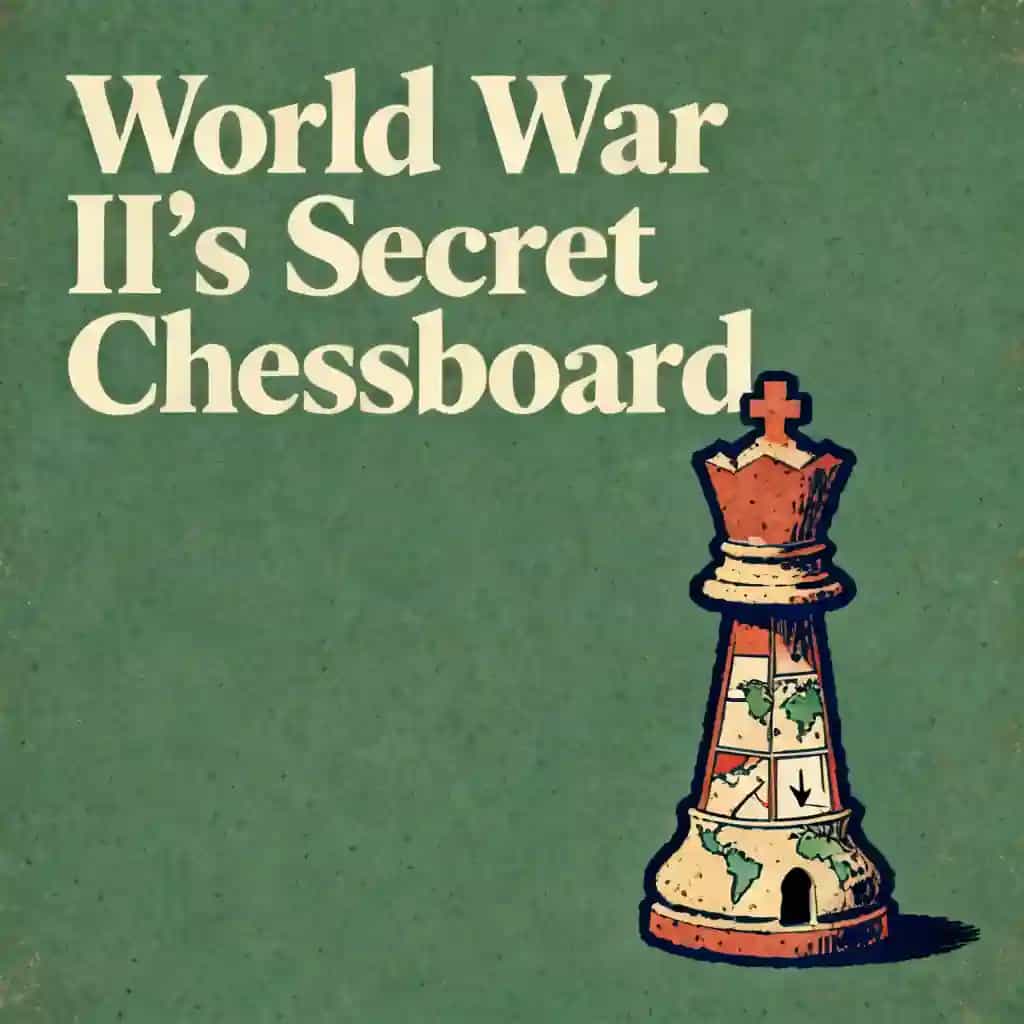
Hitler's reasoning for invading Russia, covering the fusion of economic pressure and Mefo bills, the ideology of Lebensraum, and the military logic behind the timing of the invasion.






Preguntas frecuentes
Operation Barbarossa was driven by a desperate need to sustain a failing economic house of cards. By early 1941, Nazi Germany was facing critical shortages of food, raw materials, and oil. The regime's leadership believed that invading the Soviet Union was the only way to prevent their economy from collapsing, as their growth model required constant territorial expansion to survive the unsustainable debt incurred since 1933.
Military Keynesianism fueled a miraculous but unsustainable growth period for the Nazi economy through massive debt and military spending. This system created a 'ticking clock' for the Reich Chancellery, as the machine required continuous expansion to avoid starvation. This economic pressure forced Adolf Hitler to gamble on opening a second front against the Soviet Union even while the conflict with Britain remained unresolved.
Despite having control over much of Europe, Hitler informed his commanders as early as the summer of 1940 that he intended to shatter Russia with one blow. This decision was not merely born of megalomania but was a response to the brutal reality that Germany was running out of essential resources. The invasion was viewed as a necessary strike to secure the materials needed to maintain the German war machine and economy.
Creado por exalumnos de la Universidad de Columbia en San Francisco
"Instead of endless scrolling, I just hit play on BeFreed. It saves me so much time."


"I never knew where to start with nonfiction—BeFreed’s book lists turned into podcasts gave me a clear path."


"Perfect balance between learning and entertainment. Finished ‘Thinking, Fast and Slow’ on my commute this week."
"Crazy how much I learned while walking the dog. BeFreed = small habits → big gains."
"Reading used to feel like a chore. Now it’s just part of my lifestyle."

"Feels effortless compared to reading. I’ve finished 6 books this month already."
"BeFreed turned my guilty doomscrolling into something that feels productive and inspiring."

"BeFreed turned my commute into learning time. 20-min podcasts are perfect for finishing books I never had time for."
"BeFreed replaced my podcast queue. Imagine Spotify for books — that’s it. 🙌"

"It is great for me to learn something from the book without reading it."
"The themed book list podcasts help me connect ideas across authors—like a guided audio journey."
"Makes me feel smarter every time before going to work"
Creado por exalumnos de la Universidad de Columbia en San Francisco
"Instead of endless scrolling, I just hit play on BeFreed. It saves me so much time."
"I never knew where to start with nonfiction—BeFreed’s book lists turned into podcasts gave me a clear path."
"Perfect balance between learning and entertainment. Finished ‘Thinking, Fast and Slow’ on my commute this week."
"Crazy how much I learned while walking the dog. BeFreed = small habits → big gains."
"Reading used to feel like a chore. Now it’s just part of my lifestyle."
"Feels effortless compared to reading. I’ve finished 6 books this month already."
"BeFreed turned my guilty doomscrolling into something that feels productive and inspiring."
"BeFreed turned my commute into learning time. 20-min podcasts are perfect for finishing books I never had time for."
"BeFreed replaced my podcast queue. Imagine Spotify for books — that’s it. 🙌"
"It is great for me to learn something from the book without reading it."
"The themed book list podcasts help me connect ideas across authors—like a guided audio journey."
"Makes me feel smarter every time before going to work"
"Instead of endless scrolling, I just hit play on BeFreed. It saves me so much time."
"I never knew where to start with nonfiction—BeFreed’s book lists turned into podcasts gave me a clear path."
"Perfect balance between learning and entertainment. Finished ‘Thinking, Fast and Slow’ on my commute this week."
"Crazy how much I learned while walking the dog. BeFreed = small habits → big gains."
"Reading used to feel like a chore. Now it’s just part of my lifestyle."
"Feels effortless compared to reading. I’ve finished 6 books this month already."
"BeFreed turned my guilty doomscrolling into something that feels productive and inspiring."
"BeFreed turned my commute into learning time. 20-min podcasts are perfect for finishing books I never had time for."
"BeFreed replaced my podcast queue. Imagine Spotify for books — that’s it. 🙌"
"It is great for me to learn something from the book without reading it."
"The themed book list podcasts help me connect ideas across authors—like a guided audio journey."
"Makes me feel smarter every time before going to work"
"Instead of endless scrolling, I just hit play on BeFreed. It saves me so much time."
"I never knew where to start with nonfiction—BeFreed’s book lists turned into podcasts gave me a clear path."
"Perfect balance between learning and entertainment. Finished ‘Thinking, Fast and Slow’ on my commute this week."
"Crazy how much I learned while walking the dog. BeFreed = small habits → big gains."
"Reading used to feel like a chore. Now it’s just part of my lifestyle."
"Feels effortless compared to reading. I’ve finished 6 books this month already."
"BeFreed turned my guilty doomscrolling into something that feels productive and inspiring."
"BeFreed turned my commute into learning time. 20-min podcasts are perfect for finishing books I never had time for."
"BeFreed replaced my podcast queue. Imagine Spotify for books — that’s it. 🙌"
"It is great for me to learn something from the book without reading it."
"The themed book list podcasts help me connect ideas across authors—like a guided audio journey."
"Makes me feel smarter every time before going to work"