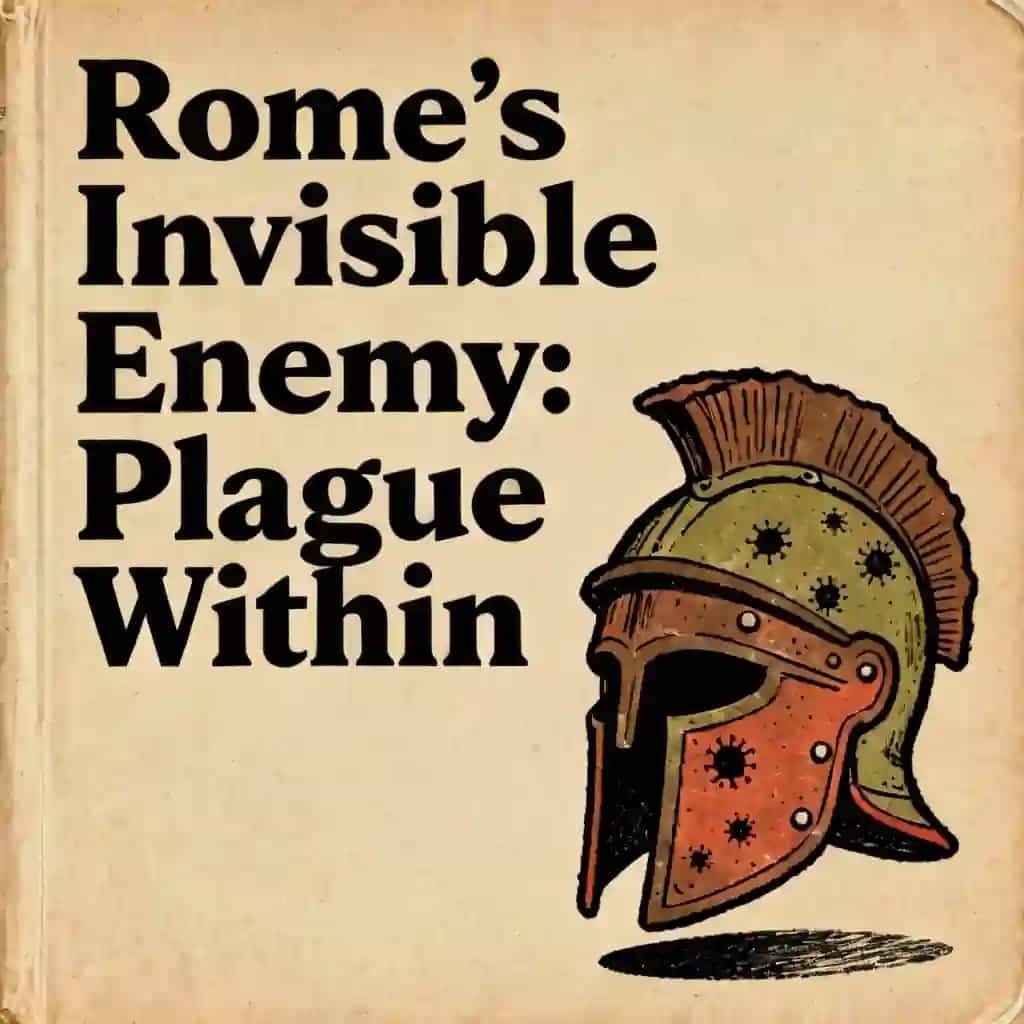
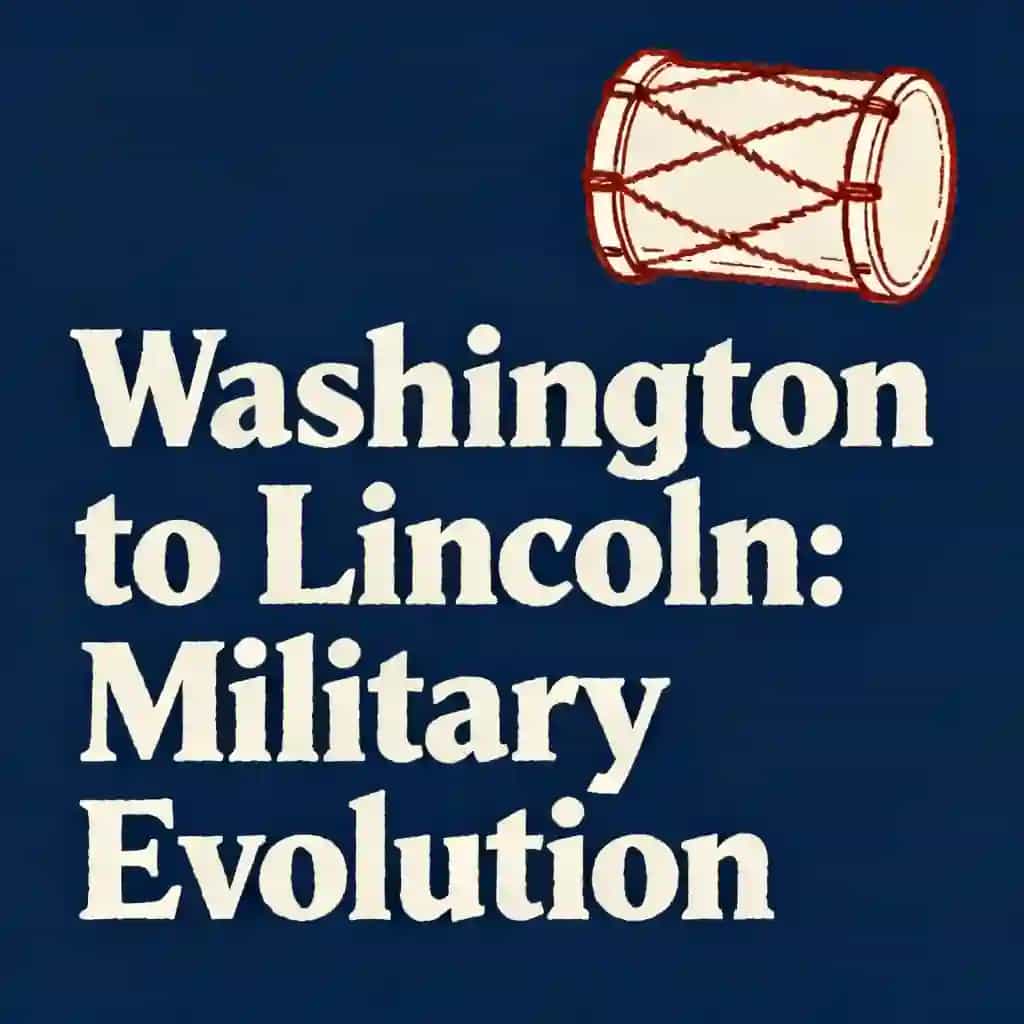
Military Blind Spots: Rise and Fall of Empires
Examining how Roman hierarchy, Greek honor, Mongol intelligence, and modern warfare created both strengths and fatal weaknesses. What each civilization valued in battle—and what they fatally ignored.

Mejor cita de Military Blind Spots: Rise and Fall of Empires
Every military system, no matter how successful, contains the seeds of its own obsolescence. The most successful leaders are those who can adapt their methods to changing circumstances while maintaining core principles of discipline, intelligence, and unit cohesion.

Esta lección de audio fue creada por un miembro de la comunidad BeFreed
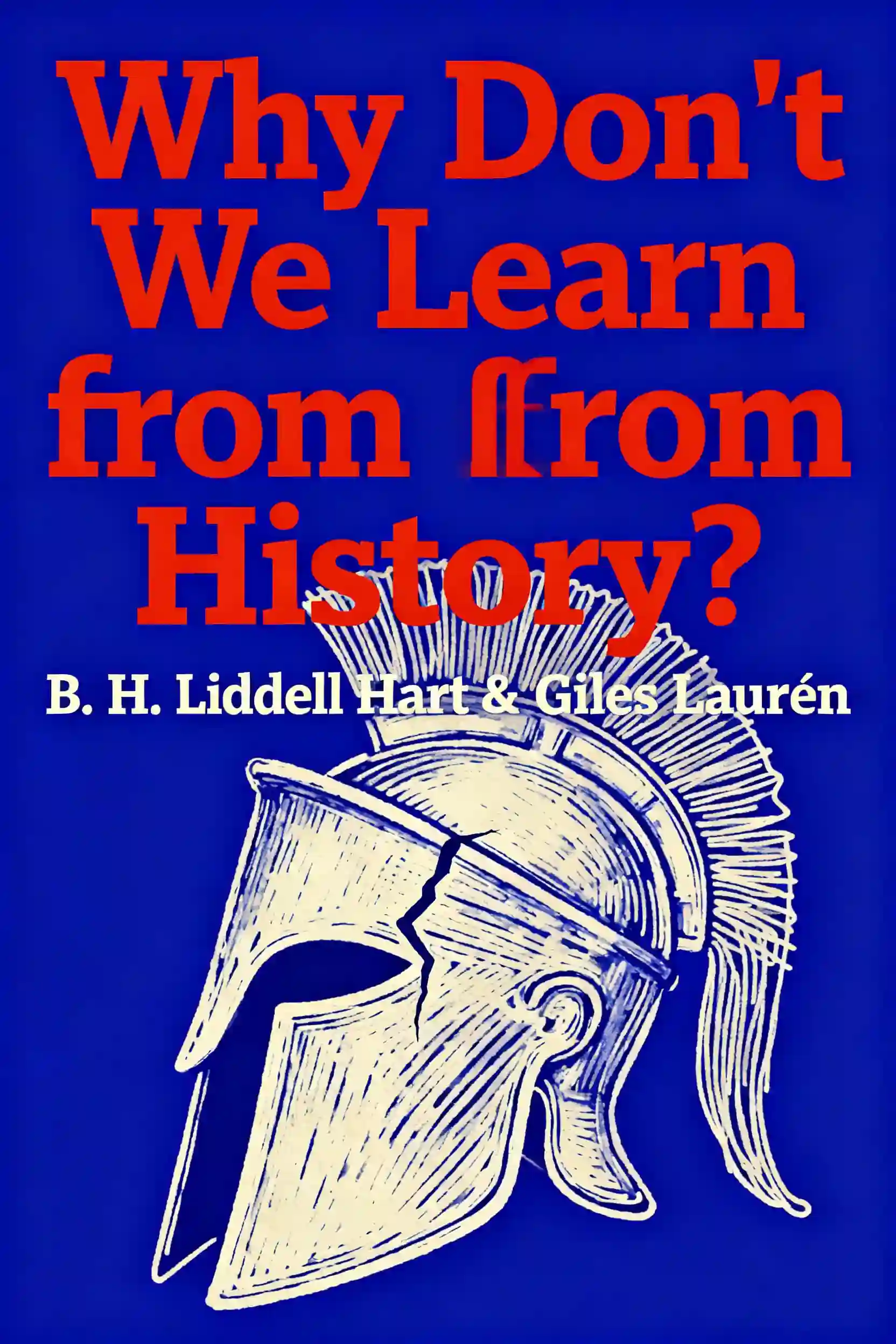
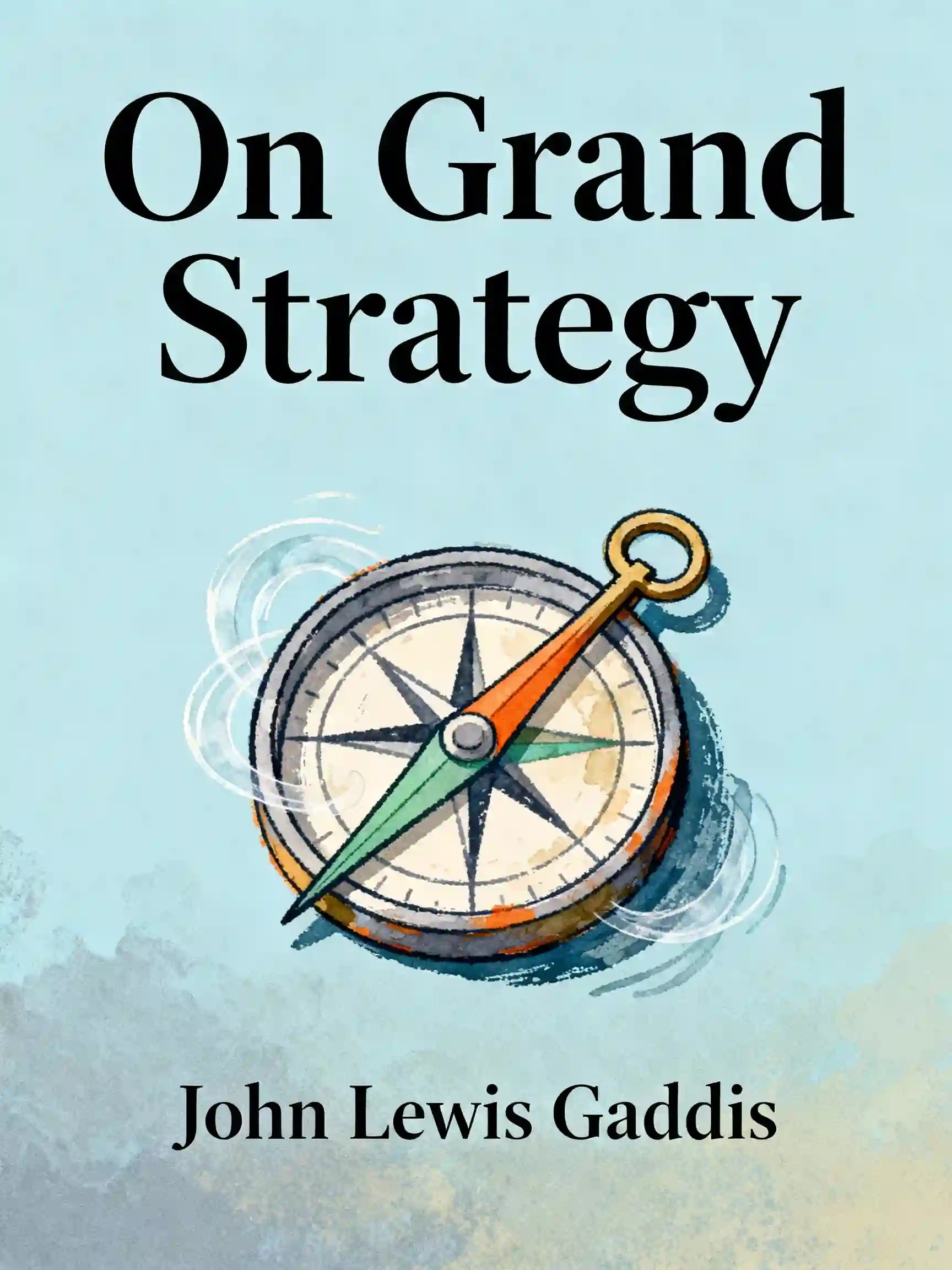
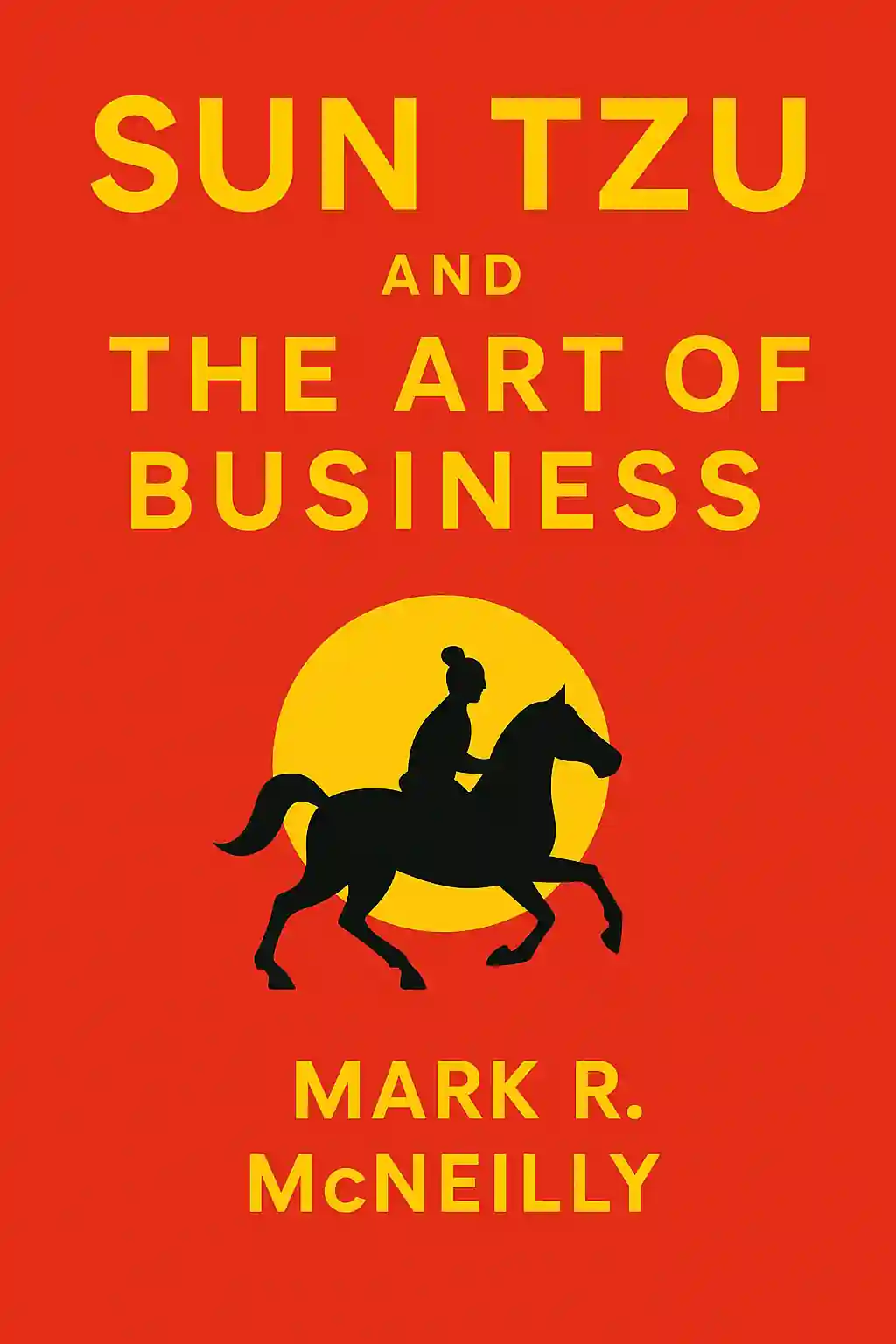
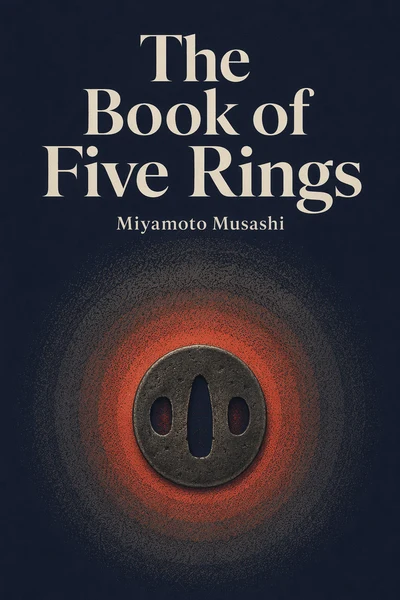
Roman command structures. Greek honour cultures. Mongol mobility and intelligence. Modern asymmetric warfare. What did they value. What did they ignore. What killed them.


Descubre más

Empires of the Sun and Marble
This plan provides a comprehensive overview of the foundational civilizations that defined the ancient world's power dynamics. It is ideal for history enthusiasts and students seeking to understand the intersection of monumental architecture, early legal systems, and military strategy.
Roman Empire: Rise to Fall
Understanding the Roman Empire provides essential context for modern Western civilization, as Rome's innovations in law, governance, engineering, and military organization continue to influence contemporary institutions. This learning plan is ideal for history enthusiasts, students of political science and law, leaders seeking insights from historical patterns of power and decline, and anyone curious about how ancient civilizations shape our present world.

The Roman War Machine
This plan distills the strategic brilliance of ancient Rome into actionable leadership principles. It is designed for ambitious professionals and leaders who want to master high-stakes decision-making and long-term geopolitical influence.

The Pulse of Power: How Empires Rise and Fall
This learning plan provides a comprehensive historical lens for understanding the cyclical nature of geopolitical dominance and systemic collapse. It is ideal for history enthusiasts, political science students, and strategic thinkers looking to apply historical patterns to contemporary global affairs.

The Life and Death of Rome
Understanding the rise and fall of Rome provides essential lessons on the fragility of large-scale political systems. This plan is ideal for history enthusiasts and students of political science seeking to understand how internal decay and external pressures converge to dismantle an empire.

Grand Strategy and Imperial Intrigue
This learning plan bridge the gap between historical military doctrine and modern information warfare, offering a deep dive into the psychology of command and institutional design. It is essential for aspiring strategists, historians, and leaders who want to understand how human behavior and digital intelligence shape global power dynamics.

The Blueprint of Imperial Collapse
This learning plan is essential for strategic thinkers, historians, and policy analysts seeking to understand the mechanics of state failure. It provides a rigorous framework for identifying systemic rot and adapting to the technological disruptions that redefine global power.

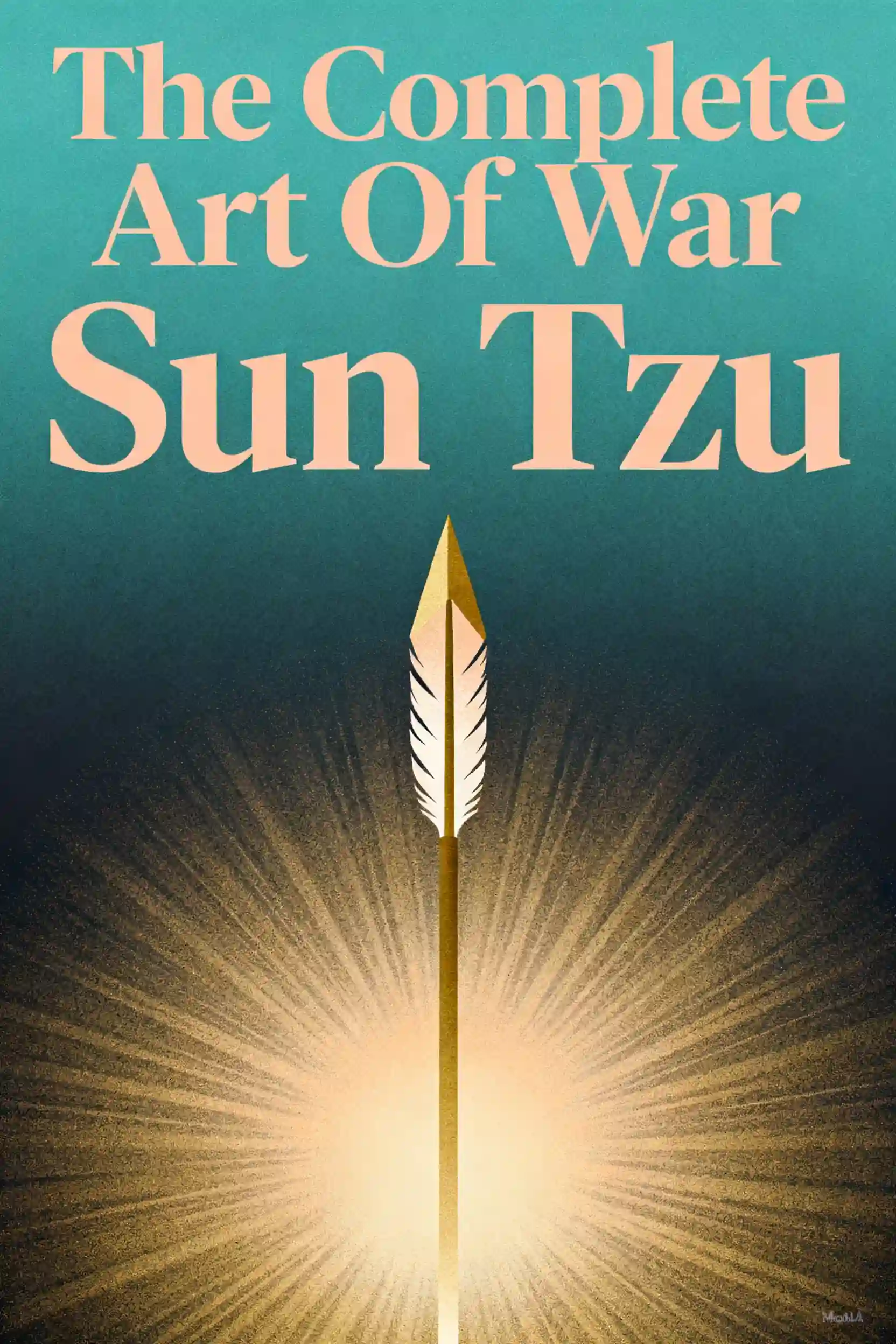
36 Strategies of Power: A War Manual
This course bridges the gap between ancient wisdom and modern survival, offering a deep dive into the mechanics of influence and tactical superiority. It is essential for leaders, entrepreneurs, and strategists who need to navigate high-stakes environments where psychological insight and political acumen are the primary tools for success.
Creado por exalumnos de la Universidad de Columbia en San Francisco
"Instead of endless scrolling, I just hit play on BeFreed. It saves me so much time."


"I never knew where to start with nonfiction—BeFreed’s book lists turned into podcasts gave me a clear path."


"Perfect balance between learning and entertainment. Finished ‘Thinking, Fast and Slow’ on my commute this week."
"Crazy how much I learned while walking the dog. BeFreed = small habits → big gains."
"Reading used to feel like a chore. Now it’s just part of my lifestyle."

"Feels effortless compared to reading. I’ve finished 6 books this month already."
"BeFreed turned my guilty doomscrolling into something that feels productive and inspiring."

"BeFreed turned my commute into learning time. 20-min podcasts are perfect for finishing books I never had time for."
"BeFreed replaced my podcast queue. Imagine Spotify for books — that’s it. 🙌"

"It is great for me to learn something from the book without reading it."
"The themed book list podcasts help me connect ideas across authors—like a guided audio journey."
"Makes me feel smarter every time before going to work"
Creado por exalumnos de la Universidad de Columbia en San Francisco
"Instead of endless scrolling, I just hit play on BeFreed. It saves me so much time."
"I never knew where to start with nonfiction—BeFreed’s book lists turned into podcasts gave me a clear path."
"Perfect balance between learning and entertainment. Finished ‘Thinking, Fast and Slow’ on my commute this week."
"Crazy how much I learned while walking the dog. BeFreed = small habits → big gains."
"Reading used to feel like a chore. Now it’s just part of my lifestyle."
"Feels effortless compared to reading. I’ve finished 6 books this month already."
"BeFreed turned my guilty doomscrolling into something that feels productive and inspiring."
"BeFreed turned my commute into learning time. 20-min podcasts are perfect for finishing books I never had time for."
"BeFreed replaced my podcast queue. Imagine Spotify for books — that’s it. 🙌"
"It is great for me to learn something from the book without reading it."
"The themed book list podcasts help me connect ideas across authors—like a guided audio journey."
"Makes me feel smarter every time before going to work"
"Instead of endless scrolling, I just hit play on BeFreed. It saves me so much time."
"I never knew where to start with nonfiction—BeFreed’s book lists turned into podcasts gave me a clear path."
"Perfect balance between learning and entertainment. Finished ‘Thinking, Fast and Slow’ on my commute this week."
"Crazy how much I learned while walking the dog. BeFreed = small habits → big gains."
"Reading used to feel like a chore. Now it’s just part of my lifestyle."
"Feels effortless compared to reading. I’ve finished 6 books this month already."
"BeFreed turned my guilty doomscrolling into something that feels productive and inspiring."
"BeFreed turned my commute into learning time. 20-min podcasts are perfect for finishing books I never had time for."
"BeFreed replaced my podcast queue. Imagine Spotify for books — that’s it. 🙌"
"It is great for me to learn something from the book without reading it."
"The themed book list podcasts help me connect ideas across authors—like a guided audio journey."
"Makes me feel smarter every time before going to work"
"Instead of endless scrolling, I just hit play on BeFreed. It saves me so much time."
"I never knew where to start with nonfiction—BeFreed’s book lists turned into podcasts gave me a clear path."
"Perfect balance between learning and entertainment. Finished ‘Thinking, Fast and Slow’ on my commute this week."
"Crazy how much I learned while walking the dog. BeFreed = small habits → big gains."
"Reading used to feel like a chore. Now it’s just part of my lifestyle."
"Feels effortless compared to reading. I’ve finished 6 books this month already."
"BeFreed turned my guilty doomscrolling into something that feels productive and inspiring."
"BeFreed turned my commute into learning time. 20-min podcasts are perfect for finishing books I never had time for."
"BeFreed replaced my podcast queue. Imagine Spotify for books — that’s it. 🙌"
"It is great for me to learn something from the book without reading it."
"The themed book list podcasts help me connect ideas across authors—like a guided audio journey."
"Makes me feel smarter every time before going to work"