Mastering React Context: Ending the Prop Drilling Nightmare
Learn how to bypass complex prop chains using React Context API. We break down the Provider and useContext hook to help you manage global data like themes and user auth with ease.

Mejor cita de Mastering React Context: Ending the Prop Drilling Nightmare
Context isn't just a fancy variable—it’s an entire piece of infrastructure. You’re not just passing a value; you’re creating an environment.
Generated by Anmol
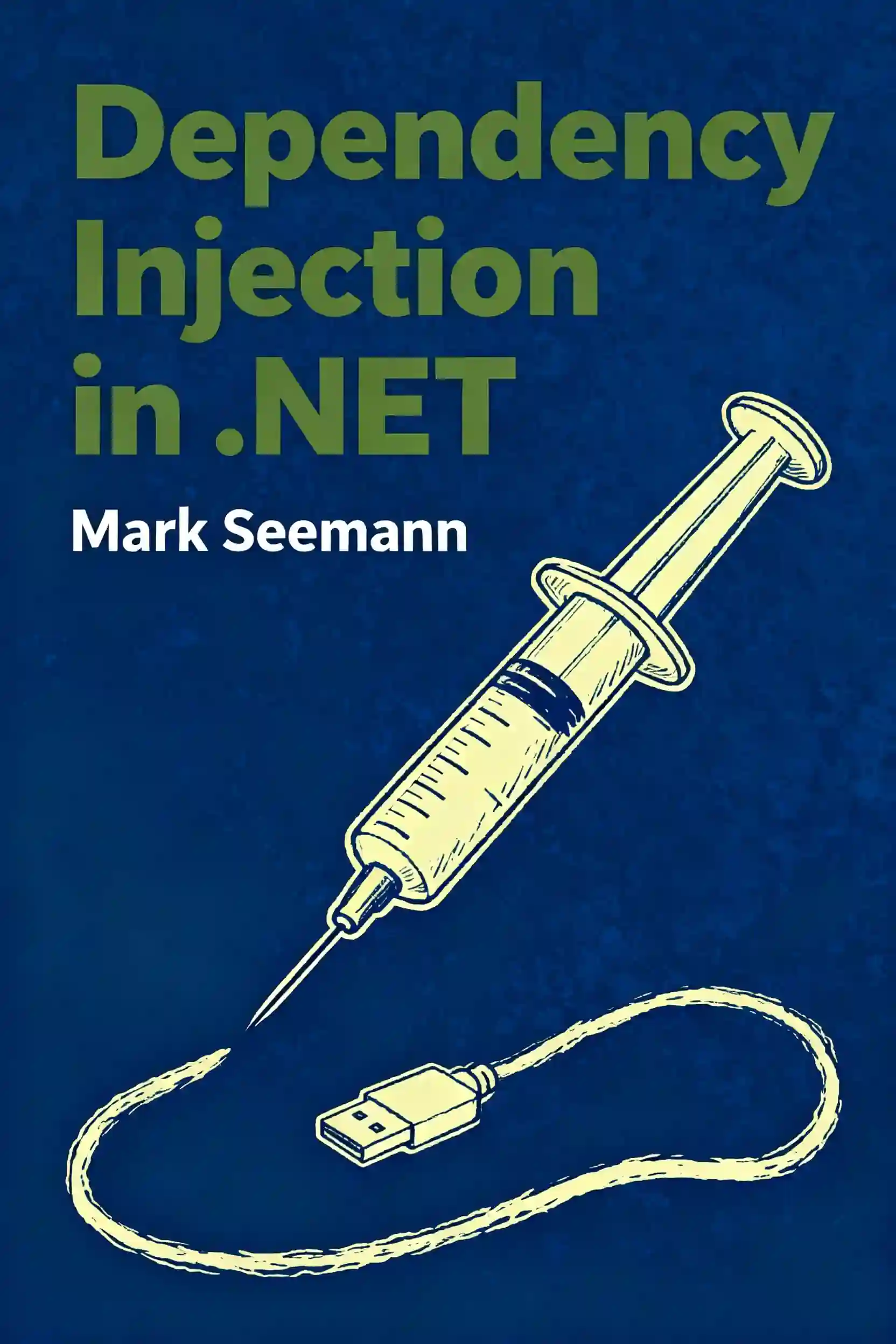
Teach React Context: avoid prop drilling by sharing global data like currentUser or theme. Explain Provider and useContext conceptually.


Preguntas frecuentes
Prop drilling occurs when data must be passed through multiple layers of components that do not actually need the data, simply to reach a deeply nested child component. This "telephone game" creates tightly coupled code and makes refactoring difficult because any change to a prop requires updating every component in the chain. It clutters component signatures and forces developers to manage "pass-through" logic that distracts from a component's primary purpose.
The Context API acts like a "radio station" or "Wi-Fi signal" that broadcasts data to an entire environment rather than using physical cables. By using a Provider component, you can make data available to any component within its tree regardless of depth. This allows child components to "consume" the data directly using hooks like useContext or the React 19 use() hook, effectively skipping the middlemen and decoupling the components.
The implementation follows a "Create, Provide, and Consume" pattern. First, you use React.createContext() to define the context object and its default values. Second, you wrap the relevant component tree in a Provider component and pass the actual data into its value prop, ideally using useMemo to prevent unnecessary re-renders. Finally, any nested component can "consume" that data by calling the useContext hook with the specific context object as an argument.
Using a single large context for all app data can lead to performance bottlenecks because useContext is a wholesale subscription. If any property inside a large context object changes, every component listening to that context will re-render, even if the specific data they use remained the same. Splitting contexts by concern—such as having separate providers for themes, user authentication, and language settings—narrows the "blast radius" of updates and ensures components only react to relevant data changes.
Context is an architectural tool intended for truly global or broadcast data that many distant components need, such as authentication states, themes, or localization. It should not be used for every piece of state. If data is only shared between two adjacent components, standard props are preferred. Additionally, the "Slots" pattern or component composition—where you pass a whole component as a child—can often solve nesting issues without the complexity of setting up a full context infrastructure.
Creado por exalumnos de la Universidad de Columbia en San Francisco
"Instead of endless scrolling, I just hit play on BeFreed. It saves me so much time."


"I never knew where to start with nonfiction—BeFreed’s book lists turned into podcasts gave me a clear path."


"Perfect balance between learning and entertainment. Finished ‘Thinking, Fast and Slow’ on my commute this week."
"Crazy how much I learned while walking the dog. BeFreed = small habits → big gains."
"Reading used to feel like a chore. Now it’s just part of my lifestyle."

"Feels effortless compared to reading. I’ve finished 6 books this month already."
"BeFreed turned my guilty doomscrolling into something that feels productive and inspiring."

"BeFreed turned my commute into learning time. 20-min podcasts are perfect for finishing books I never had time for."
"BeFreed replaced my podcast queue. Imagine Spotify for books — that’s it. 🙌"

"It is great for me to learn something from the book without reading it."
"The themed book list podcasts help me connect ideas across authors—like a guided audio journey."
"Makes me feel smarter every time before going to work"
 Ask ChatGPT
 Ask Claude
Creado por exalumnos de la Universidad de Columbia en San Francisco
"Instead of endless scrolling, I just hit play on BeFreed. It saves me so much time."
"I never knew where to start with nonfiction—BeFreed’s book lists turned into podcasts gave me a clear path."
"Perfect balance between learning and entertainment. Finished ‘Thinking, Fast and Slow’ on my commute this week."
"Crazy how much I learned while walking the dog. BeFreed = small habits → big gains."
"Reading used to feel like a chore. Now it’s just part of my lifestyle."
"Feels effortless compared to reading. I’ve finished 6 books this month already."
"BeFreed turned my guilty doomscrolling into something that feels productive and inspiring."
"BeFreed turned my commute into learning time. 20-min podcasts are perfect for finishing books I never had time for."
"BeFreed replaced my podcast queue. Imagine Spotify for books — that’s it. 🙌"
"It is great for me to learn something from the book without reading it."
"The themed book list podcasts help me connect ideas across authors—like a guided audio journey."
"Makes me feel smarter every time before going to work"
"Instead of endless scrolling, I just hit play on BeFreed. It saves me so much time."
"I never knew where to start with nonfiction—BeFreed’s book lists turned into podcasts gave me a clear path."
"Perfect balance between learning and entertainment. Finished ‘Thinking, Fast and Slow’ on my commute this week."
"Crazy how much I learned while walking the dog. BeFreed = small habits → big gains."
"Reading used to feel like a chore. Now it’s just part of my lifestyle."
"Feels effortless compared to reading. I’ve finished 6 books this month already."
"BeFreed turned my guilty doomscrolling into something that feels productive and inspiring."
"BeFreed turned my commute into learning time. 20-min podcasts are perfect for finishing books I never had time for."
"BeFreed replaced my podcast queue. Imagine Spotify for books — that’s it. 🙌"
"It is great for me to learn something from the book without reading it."
"The themed book list podcasts help me connect ideas across authors—like a guided audio journey."
"Makes me feel smarter every time before going to work"
"Instead of endless scrolling, I just hit play on BeFreed. It saves me so much time."
"I never knew where to start with nonfiction—BeFreed’s book lists turned into podcasts gave me a clear path."
"Perfect balance between learning and entertainment. Finished ‘Thinking, Fast and Slow’ on my commute this week."
"Crazy how much I learned while walking the dog. BeFreed = small habits → big gains."
"Reading used to feel like a chore. Now it’s just part of my lifestyle."
"Feels effortless compared to reading. I’ve finished 6 books this month already."
"BeFreed turned my guilty doomscrolling into something that feels productive and inspiring."
"BeFreed turned my commute into learning time. 20-min podcasts are perfect for finishing books I never had time for."
"BeFreed replaced my podcast queue. Imagine Spotify for books — that’s it. 🙌"
"It is great for me to learn something from the book without reading it."
"The themed book list podcasts help me connect ideas across authors—like a guided audio journey."
"Makes me feel smarter every time before going to work"