Lena: So as we bring this fascinating exploration to a close, I'm struck by how these cold reading techniques really reveal something profound about human nature and connection.
Eli: Absolutely! What we've discovered today isn't just about reading people-it's about understanding the incredible complexity of human communication. We're constantly broadcasting information about our thoughts, feelings, and intentions, often without realizing it.
Lena: And the beautiful thing is that this knowledge can make us more compassionate. When you understand that everyone is carrying some form of suffering or insecurity, when you can read the subtle signs of someone's emotional state, it naturally leads to greater empathy.
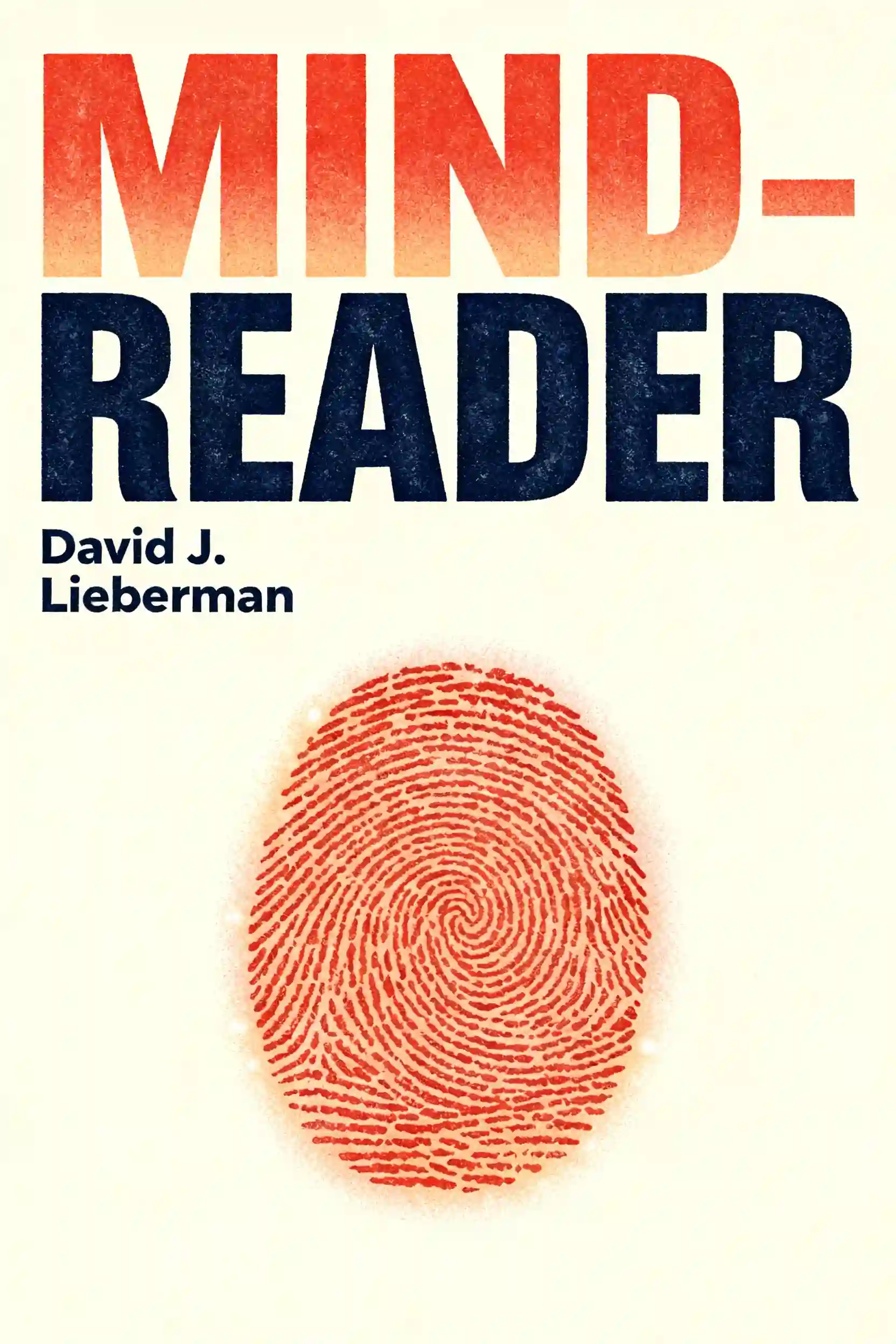
Eli: Exactly! Hughes, Navarro, and Lieberman all emphasize this point-these skills are most powerful when they're used to build genuine connections rather than to gain advantage over others. It's about seeing people as they truly are, beyond the masks they wear.
Lena: You know, what fascinates me most is how these techniques work because of our shared humanity. The reason Barnum statements are effective, the reason we respond to certain body language cues, the reason our speech patterns reveal our inner states-it's all because we have these common psychological foundations.
Eli: Right! And it shows how much we're all seeking the same basic things-understanding, acceptance, connection. When someone lights up because they feel truly seen and understood, that's not manipulation-that's meeting a fundamental human need.
Lena: For everyone listening who wants to develop these skills, remember that it's a journey, not a destination. Even the experts we've discussed today are constantly learning and refining their abilities. The key is to approach it with curiosity and genuine care for others.
Eli: And start small! You don't need to become an FBI profiler overnight. Begin by simply paying more attention to the people around you. Notice the subtle signals, practice reading body language, listen for speech patterns. Most importantly, use what you learn to be a better friend, colleague, partner, or family member.
Lena: What strikes me is how this knowledge can make us better communicators too. When you understand how your own body language and speech patterns affect others, you can be more intentional about the messages you're sending.
Eli: Absolutely! And it can help us become more authentic. When you realize how much your nonverbal communication reveals, it encourages alignment between what you're thinking, feeling, and expressing. It's harder to be fake when you know how transparent you actually are.
Lena: There's also something liberating about understanding these psychological principles. When you recognize your own cognitive biases, when you understand how your mind processes information and forms beliefs, it gives you more choice in how you respond to situations.
Eli: And it can protect you from manipulation. When you understand how cold reading techniques work, you're less likely to be taken in by unethical practitioners who might try to exploit these psychological principles.
Lena: So to everyone listening, I hope this has given you both practical tools and a deeper appreciation for the incredible complexity of human behavior. We're all walking around with these rich inner worlds, constantly communicating in ways we're not even aware of.
Eli: And remember, the most important insight from all of this research is that everyone you meet is fighting a battle you know nothing about. These cold reading skills aren't about gaining an advantage-they're about fostering genuine understanding and connection.
Lena: As Lieberman beautifully puts it, the true power isn't in reading minds but in opening hearts-both others' and our own. When we approach people with curiosity, compassion, and genuine interest in understanding them, that's when these techniques become truly transformative.
Eli: So go out there and start practicing! Pay attention to the subtle signals, listen for the patterns in speech, observe the body language cues we've discussed. But most importantly, use these skills to build deeper, more meaningful relationships with the people in your life.
Lena: And on that note, keep those questions coming, stay curious about human behavior, and remember that every interaction is an opportunity to practice these skills while making someone else feel truly seen and understood.
Eli: Until next time, keep reading people with compassion and using your insights to create more authentic connections. Thanks for joining us on this fascinating journey into the psychology of human behavior!