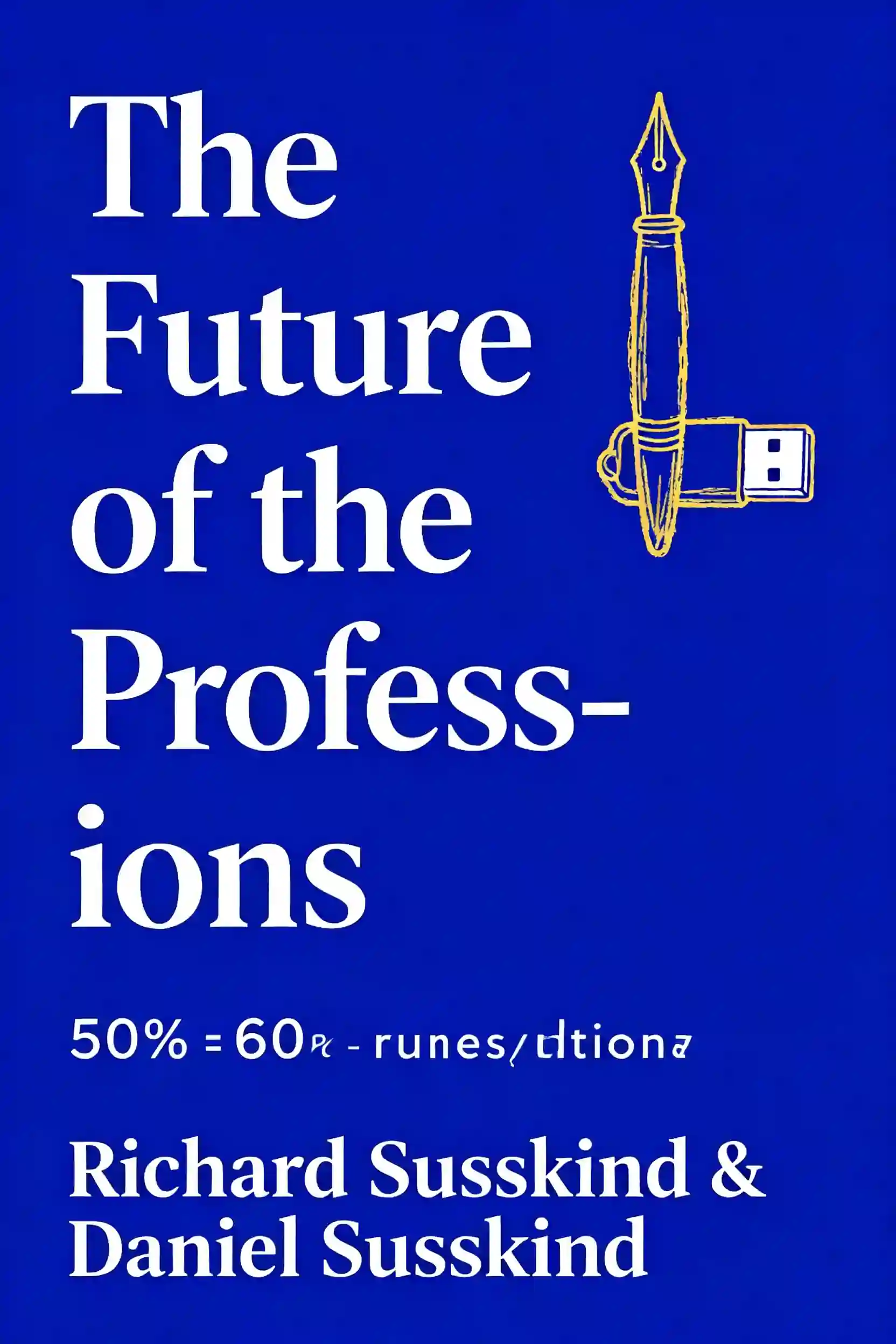
Knowledge Work in the Digital Age
Explores the tension between technology's potential to empower skilled workers versus its threat of deskilling through automation, examining how management theories navigate this paradox in our evolving information society.

Mejor cita de Knowledge Work in the Digital Age
The future isn't about humans versus machines, but about humans working with machines in new and more sophisticated ways through hybrid intelligence.

Esta lección de audio fue creada por un miembro de la comunidad BeFreed
management theories on knowledge intensive jobs, information society influence vs computer deskilling influence, benefits and challenges of knowledge intensive jobs

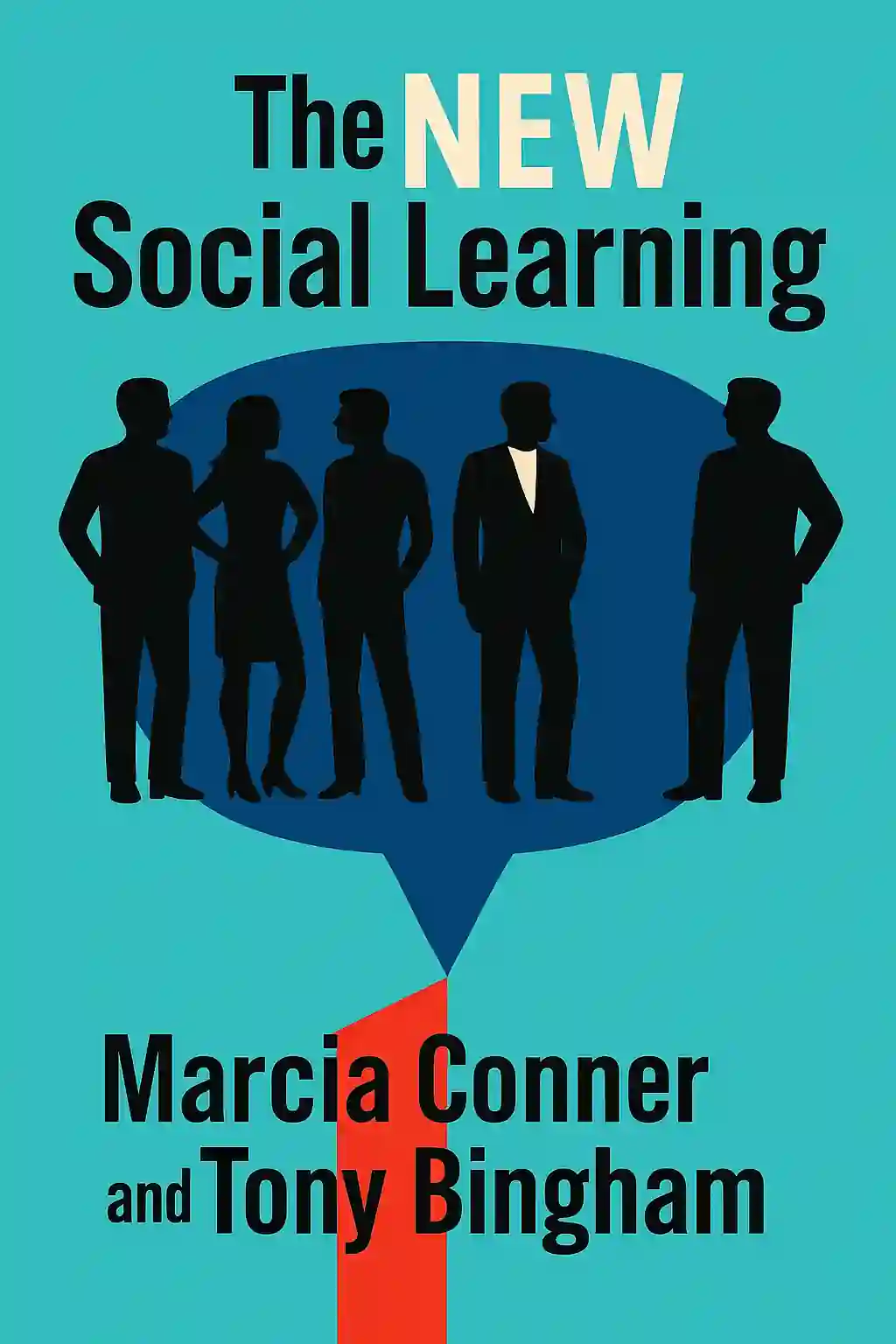
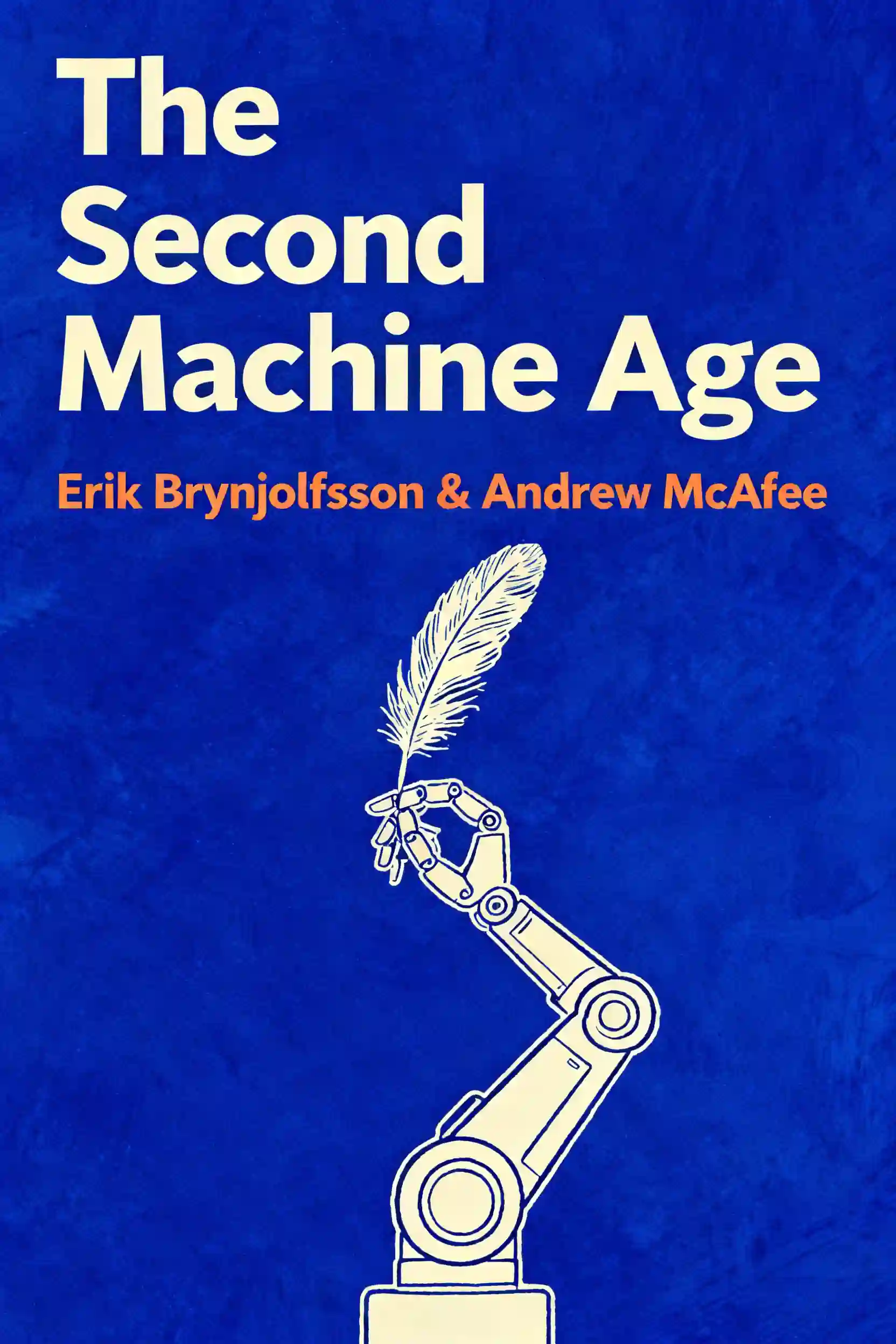
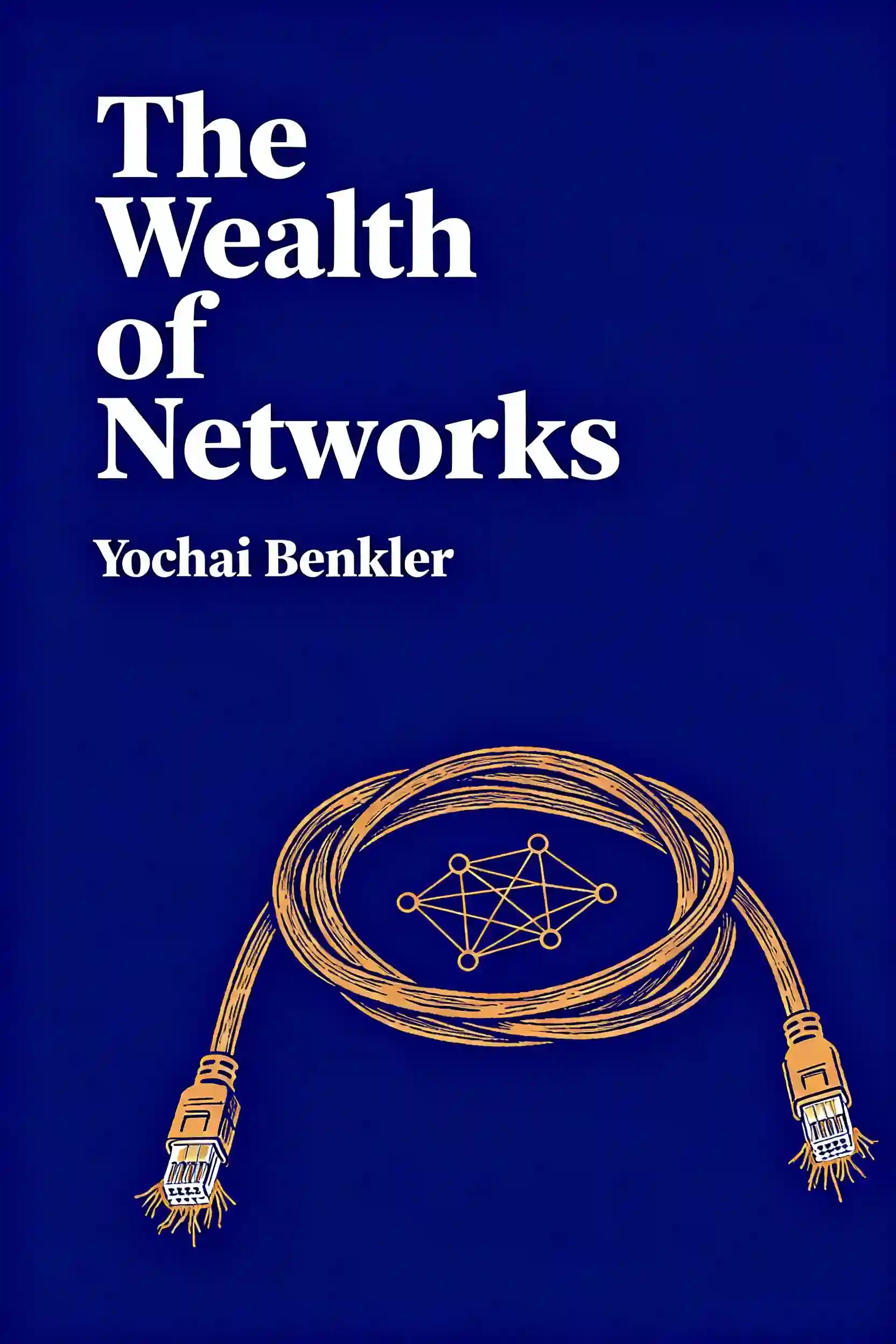
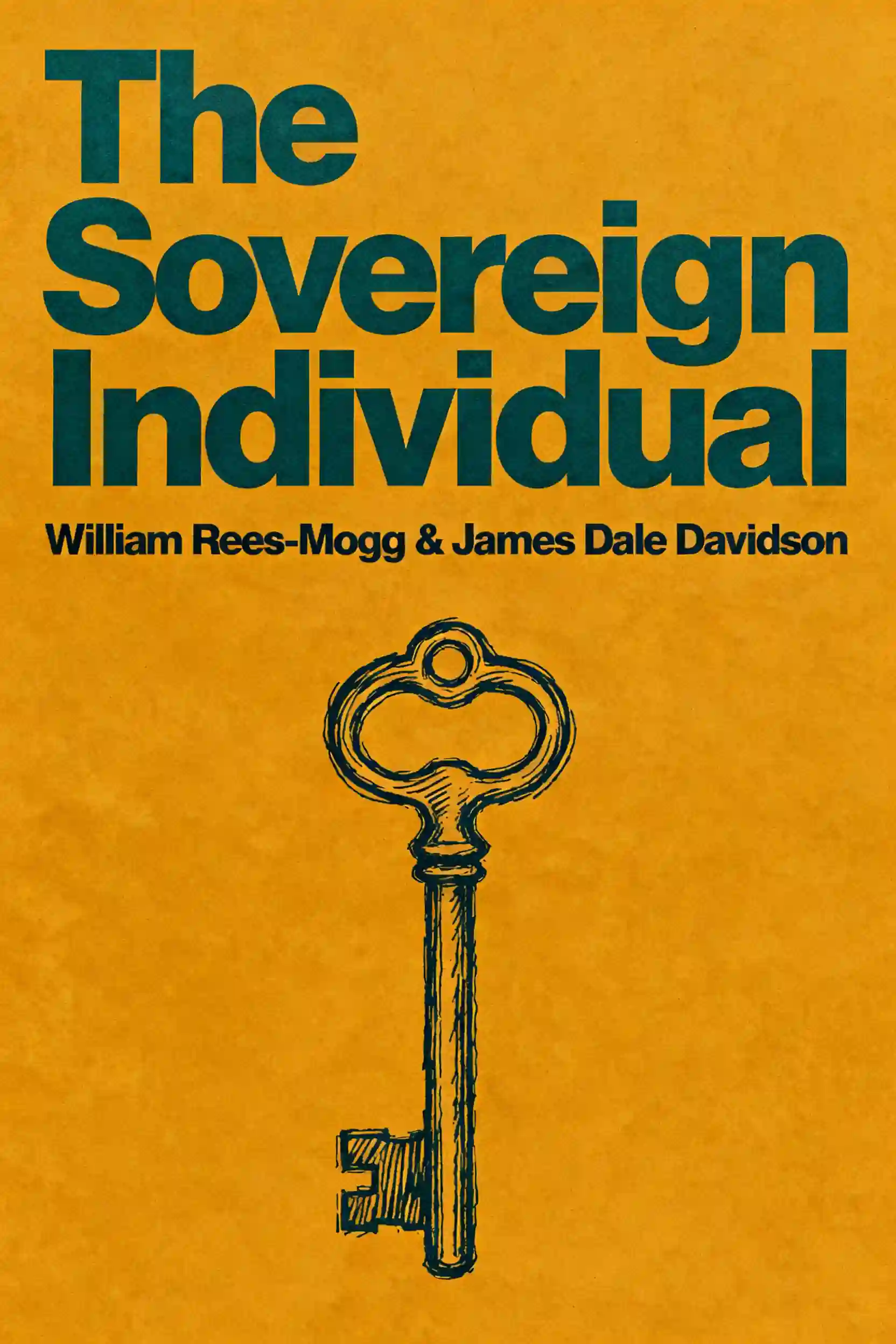
Descubre más
Examine tech's impact on human behavior
This learning plan is essential for anyone seeking to understand how digital technologies are fundamentally reshaping human behavior, society, and consciousness. It's particularly valuable for professionals working in technology, policymakers, educators, and thoughtful citizens who want to critically engage with the ethical and philosophical dimensions of our increasingly AI-driven world. By examining the intersection of psychology, ethics, and technology, learners will gain the analytical tools needed to make informed decisions about technology's role in their lives and society.

Digital Sociology: The Algorithmic Self
As digital platforms increasingly dictate our social and psychological reality, understanding the hidden forces of algorithms is essential for modern literacy. This plan is ideal for sociologists, digital strategists, and anyone seeking to reclaim agency from the architectures of online influence.
Segundo cerebro Digital
En la era de la sobrecarga de información, gestionar el conocimiento es una habilidad crítica para profesionales y creativos. Este plan es ideal para quienes buscan liberar espacio mental y construir un sistema digital que trabaje para ellos.

The Digital Power Grab
In an era where data is the new oil, understanding the intersection of technology and political power is essential for maintaining democratic integrity. This plan is designed for policy advocates, tech ethics students, and concerned citizens who want to understand how surveillance capitalism reshapes our social and political institutions.
The Knowledge of Enough
This learning plan is essential for high-achievers and urban professionals facing burnout and the constant pressure for more. It offers a practical bridge between modern productivity and the restorative power of nature to help you find lasting stability.

The Deep Work Protocol
In an era of constant digital distraction, the ability to protect your attention is a competitive advantage. This plan is designed for knowledge workers and students who need to master their physiological focus and neutralize environmental hijacks to produce high-quality work.

From Drowning to Deep Work
In an era of constant digital noise and increasing workloads, professionals often struggle to move beyond reactive tasks. This plan is designed for high-performers and knowledge workers who need to regain control over their schedules and master the art of sustained focus.

The AI-First Workplace Operating System
As AI reshapes professional productivity, mastering the integration of automation and intelligence is no longer optional. This plan is designed for knowledge workers and technical leads who want to build a scalable, AI-driven workflow for data, code, and creativity.
Creado por exalumnos de la Universidad de Columbia en San Francisco
"Instead of endless scrolling, I just hit play on BeFreed. It saves me so much time."


"I never knew where to start with nonfiction—BeFreed’s book lists turned into podcasts gave me a clear path."


"Perfect balance between learning and entertainment. Finished ‘Thinking, Fast and Slow’ on my commute this week."
"Crazy how much I learned while walking the dog. BeFreed = small habits → big gains."
"Reading used to feel like a chore. Now it’s just part of my lifestyle."

"Feels effortless compared to reading. I’ve finished 6 books this month already."
"BeFreed turned my guilty doomscrolling into something that feels productive and inspiring."

"BeFreed turned my commute into learning time. 20-min podcasts are perfect for finishing books I never had time for."
"BeFreed replaced my podcast queue. Imagine Spotify for books — that’s it. 🙌"

"It is great for me to learn something from the book without reading it."
"The themed book list podcasts help me connect ideas across authors—like a guided audio journey."
"Makes me feel smarter every time before going to work"
Creado por exalumnos de la Universidad de Columbia en San Francisco
"Instead of endless scrolling, I just hit play on BeFreed. It saves me so much time."
"I never knew where to start with nonfiction—BeFreed’s book lists turned into podcasts gave me a clear path."
"Perfect balance between learning and entertainment. Finished ‘Thinking, Fast and Slow’ on my commute this week."
"Crazy how much I learned while walking the dog. BeFreed = small habits → big gains."
"Reading used to feel like a chore. Now it’s just part of my lifestyle."
"Feels effortless compared to reading. I’ve finished 6 books this month already."
"BeFreed turned my guilty doomscrolling into something that feels productive and inspiring."
"BeFreed turned my commute into learning time. 20-min podcasts are perfect for finishing books I never had time for."
"BeFreed replaced my podcast queue. Imagine Spotify for books — that’s it. 🙌"
"It is great for me to learn something from the book without reading it."
"The themed book list podcasts help me connect ideas across authors—like a guided audio journey."
"Makes me feel smarter every time before going to work"
"Instead of endless scrolling, I just hit play on BeFreed. It saves me so much time."
"I never knew where to start with nonfiction—BeFreed’s book lists turned into podcasts gave me a clear path."
"Perfect balance between learning and entertainment. Finished ‘Thinking, Fast and Slow’ on my commute this week."
"Crazy how much I learned while walking the dog. BeFreed = small habits → big gains."
"Reading used to feel like a chore. Now it’s just part of my lifestyle."
"Feels effortless compared to reading. I’ve finished 6 books this month already."
"BeFreed turned my guilty doomscrolling into something that feels productive and inspiring."
"BeFreed turned my commute into learning time. 20-min podcasts are perfect for finishing books I never had time for."
"BeFreed replaced my podcast queue. Imagine Spotify for books — that’s it. 🙌"
"It is great for me to learn something from the book without reading it."
"The themed book list podcasts help me connect ideas across authors—like a guided audio journey."
"Makes me feel smarter every time before going to work"
"Instead of endless scrolling, I just hit play on BeFreed. It saves me so much time."
"I never knew where to start with nonfiction—BeFreed’s book lists turned into podcasts gave me a clear path."
"Perfect balance between learning and entertainment. Finished ‘Thinking, Fast and Slow’ on my commute this week."
"Crazy how much I learned while walking the dog. BeFreed = small habits → big gains."
"Reading used to feel like a chore. Now it’s just part of my lifestyle."
"Feels effortless compared to reading. I’ve finished 6 books this month already."
"BeFreed turned my guilty doomscrolling into something that feels productive and inspiring."
"BeFreed turned my commute into learning time. 20-min podcasts are perfect for finishing books I never had time for."
"BeFreed replaced my podcast queue. Imagine Spotify for books — that’s it. 🙌"
"It is great for me to learn something from the book without reading it."
"The themed book list podcasts help me connect ideas across authors—like a guided audio journey."
"Makes me feel smarter every time before going to work"